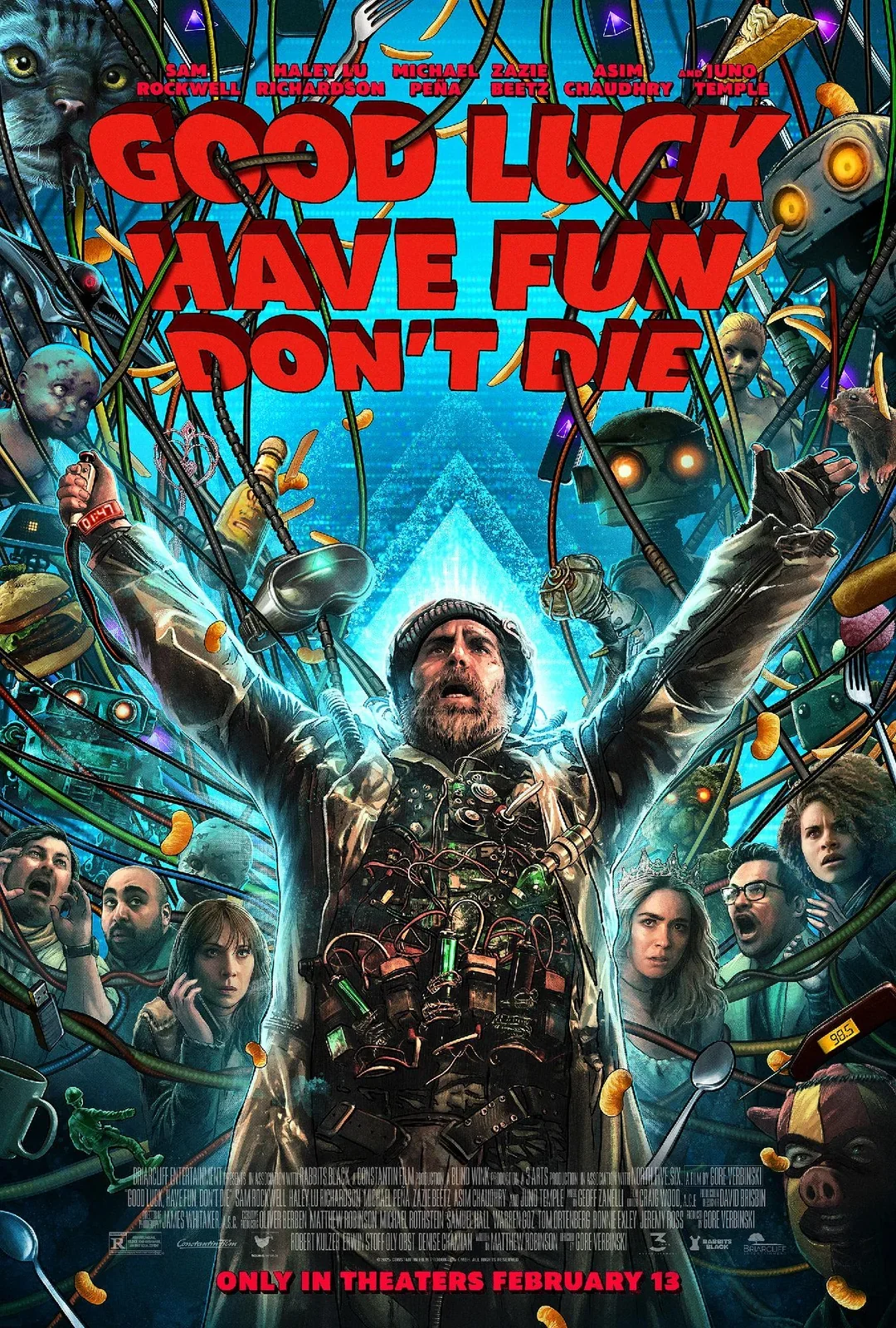
"Good Luck, Have Fun, Don't Die" Review: A Message From A Plausible Future?
There’s nothing like being in the hands of a director that has a vision for the story they want to tell. Director Gore Verbinski’s Good Luck, Have Fun, Don’t Die is one of those films. This one had me from the beginning with a closeup of a bottle of Cholula, because it told me further smart choices would be made from this director! (Cholula should be everyone’s hot sauce of choice.) In all seriousness, the opening imagery is a visual spectacle that should be studied in regard to taking a scene we’ve seen a million times and making it interesting. Admittedly, it goes off the tracks in Act III, but it’s refreshing to see a film that swings for the fences!
In a world where people are addicted to their phones, will anyone speak out against it? Hmmm, it sounds like our present day and writer Matthew Robinson obviously has something to get off his chest with his messaging of how we currently live with tech in the story that ensues. In the film, The Man From The Future (Sam Rockwell) bursts into a crowded LA diner to preach a message about the dangers of our technological addiction. The Man’s goal is to find the right combination of people in the diner who will come with him to stop humanity’s impending apocalyptic future. It’s a future in which AI has it out for humanity. Yes, it sounds like The Matrix meets The Terminator but this takes a more eccentric, fantastical approach to its storytelling.
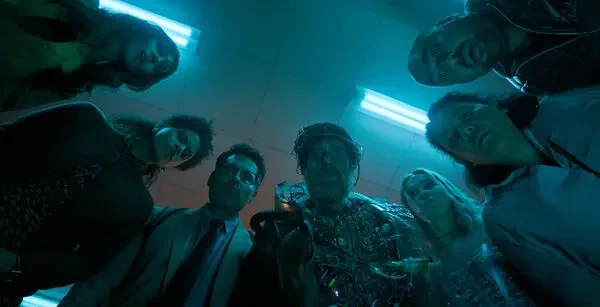
As the rag tag group of patrons, made up of Susan (Juno Temple), Ingrid (Hayley Lu Richardson), Mark (Michael Peña), Janet (Zazie Beetz) and Scott (Asim Chaudhry), are assembled for the over one hundredth time, it becomes clear that The Man seems to know a lot about each patron; this sparks their curiosity to follow him on the journey. Once the film gets going, we get the backstory of each patron. The stories interweave into a clear picture of the motivations for why this just might be the group that saves the world. Will they?
The strength in this film lies in the script. We’ve all probably had a moment where we come out of a doom scroll, had an instance when we look around a restaurant at other tables with people looking down at their phone instead of at each other, or found it strange that what we just said out loud is now an ad presented in our feed. Robinson takes these moments and throws a mirror up to say “this is where we are headed”. It’s a picture of the disconnected, cold-hearted society that we could easily become. It’s a world where a school shooting is an everyday run of the mill thing, classrooms are full of students where phones are stuck to their hands and it gets darker from there. It’s a film that, as a film critic, it forces you to stop taking notes and go for the ride.
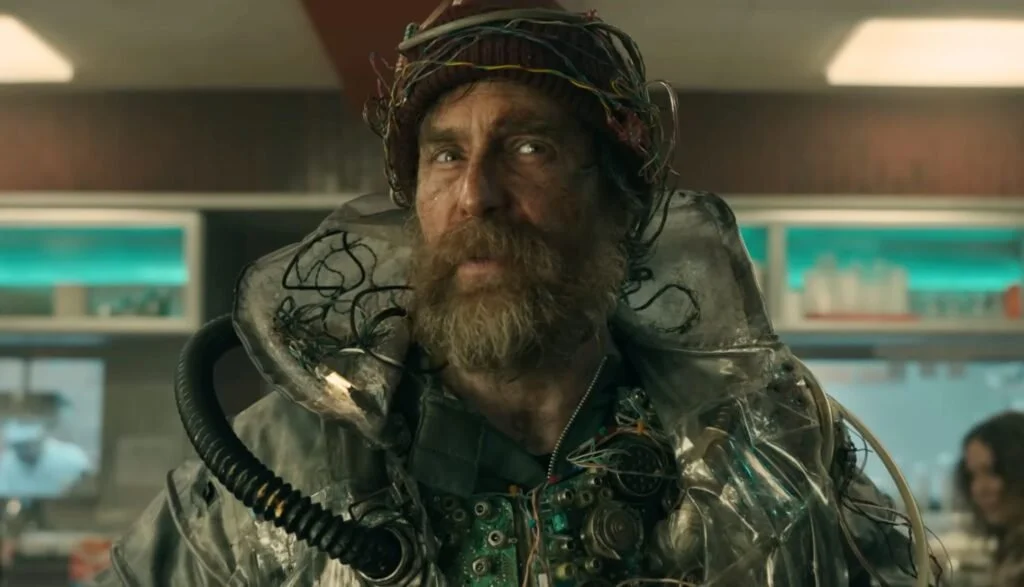
Let me be clear, this film gets bonkers. Sam Rockwell does a lot of the heavy lifting in landing on a protagonist that we can follow through his delivery and nuanced performance. The ensemble cast does their part as well, but this feels like vignettes of “Black Mirror” turned into a dark comedy movie over the course of its running time. Robinson’s message is loud, reminiscent of Boots Riley’s Sorry To Bother You, but doesn’t land as sharply. Verbinski and cinematographer James Whitaker paint a picture of a pretty world that doesn’t realize how ugly it is with the camera and light. That’s what resonates and translates. Society never gets to a bad place overnight. It’s the slow burn into apathy that gets us there. If you’re a fan of quirky, adventure, sci-fi films with a message, this might be worth seeing in theaters this weekend.
Rating: B-

"Gladiator II" Review: Standing In The Shadow of Its Predecessor
Twenty four years ago, the world of cinema was in a different place. Upon Gladiator’s 2000 release, CGI (computer generated imagery) was burgeoning. The film boasted of scenes of a coliseum built by a computer’s hand. A lot has changed since then. What once was done by trained professionals can be done by anyone with an app on their cell phone. This idea of a culture being shaped and moved into different directions by time is a theme within Gladiator II as well. What will become of our legacy? The statement that Maximus (Russell Crowe) made “What we do in this life echoes in eternity.” before his death, is still wrestled with here. The question is, is this legacy sequel worthy to stand with its predecessor?
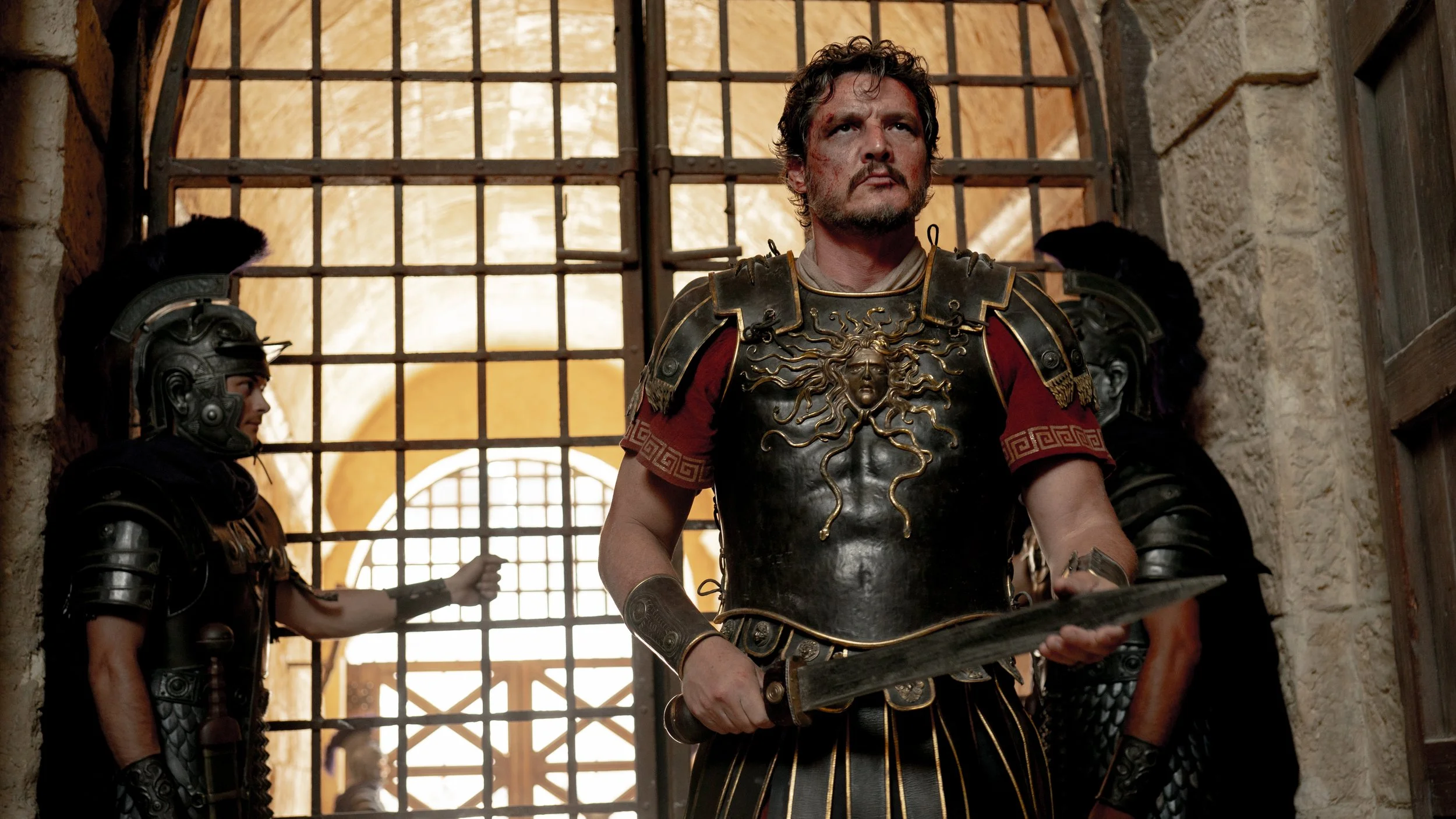
Photo Credit Cuba Scott
Copyright © 2024 PARAMOUNT PICTURES. ALL RIGHTS RESERVED.
Taking place sixteen years after the death of Maximus, a farmer-soldier named Hanno (Paul Mescal) stands between Rome and the impending conquest of his home, Numidia. Surviving the battle but losing the war makes Hanno a prisoner of war; he is sold into the gladiatorial system and shipped to Rome to become entertainment for her people. Of course, this means that he enters the system with a chip on his shoulder and a fury that burns for General Acacius (Pedro Pascal) who took away his former life and loved ones that existed in it.
Rome has changed since we last saw it. It is now governed by twin Emperors Geta (Joseph Quinn) and Caracalla (Fred Hechinger). The twins lust for blood and conquering nations has secretly driven their hero General Acacius to be tired of all the bloodshed. He and his wife, Lucilla (Connie Nielsen), the daughter of Marcus Aurelius, are conspiring to overthrow the twins. This b story is perfect for Hanno’s storyline as he is proving himself to be a fierce competitor for gladiator trader Macrinus (Denzel Washington). Hanno’s one request in exchange for giving his all for Macrinus is the head of Acacius. Thus, a race between the two desires sets course, pitted against the backdrop of three days of Coliseum games.
As different mysteries are revealed, the fading cloud of a dream that Marcus Aurelius had of Rome is continually brought to the forefront by characters. While various characters have their dream of how to achieve a better Rome, it’s clear, the current path and generation at the helm must be ousted. This is the difference between Gladiator and Gladiator II. The former had heart and conviction from a rooted place, while the latter is a shadow imprinted by its forerunner. There is a breaking point in the film in which questions being answered and plots revealed totally let’s out the steam of this engine.

Photo Credit Paramount Pictures
That said, Gladiator II is a spectacle that should be seen on the big screen. Director Ridley Scott’s vision for this time period, the Coliseum, the games, and the bloodlust that still can be prevalent today is on full display. With fights involving baboons, sharks, a rhinoceros, and gladiators there is an impressive use of camera work and fight choreography. Costume designers David Crossman and Janty Yates craftsmanship is exquisite to look at as well.
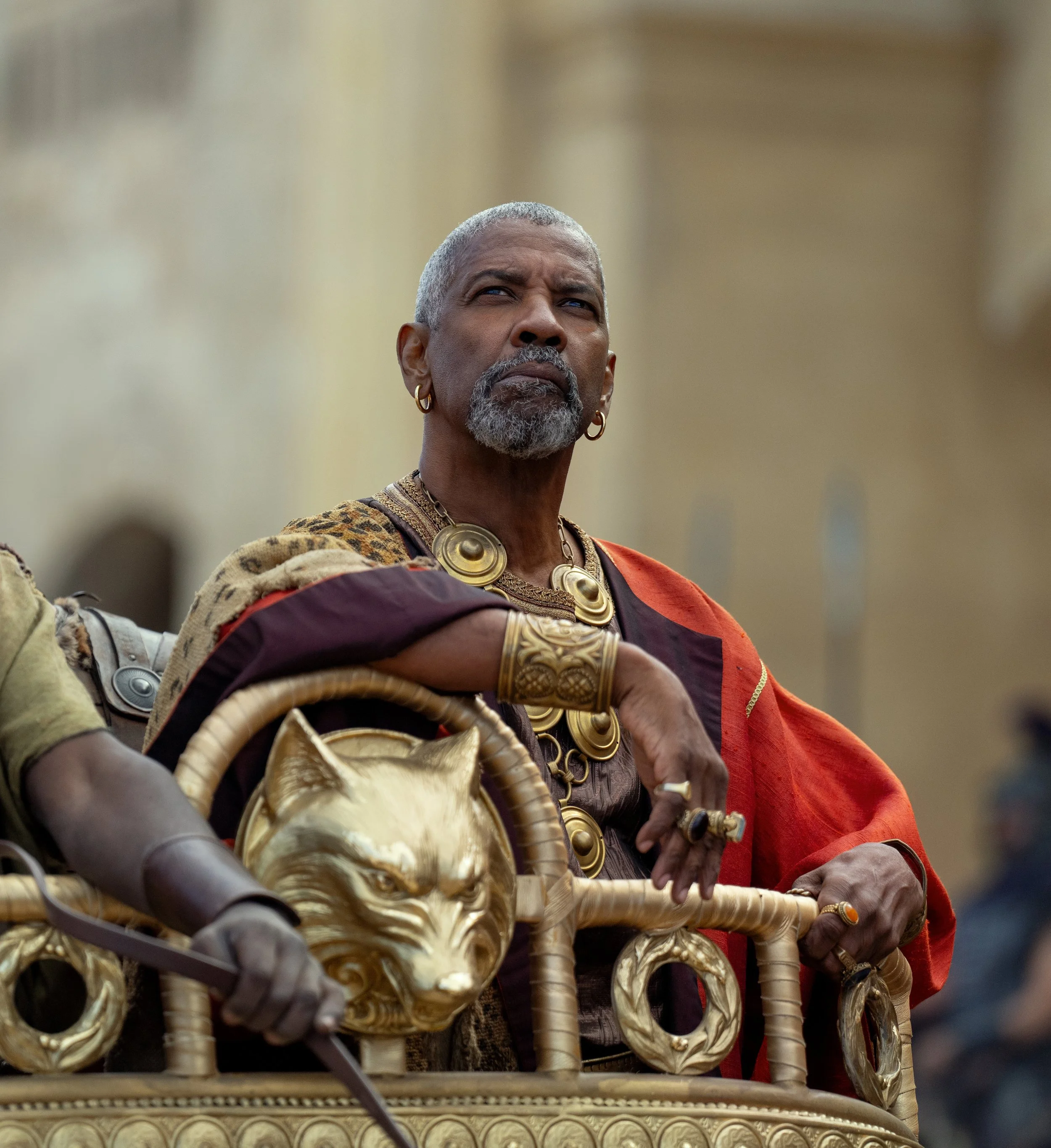
Photo Credit Aidan Monaghan
Denzel Washington’s Macrinus is certainly worth the hype. As the film moves along and we get to know his character better, his delivery of dialogue and physical gestures may afford him a supporting actor nod if the hype machine is loud enough. Either way, he is fun to watch!
Ultimately, Gladiator II, while uninspired in some ways is still an entertaining movie. Nostalgia is another character that interweaves itself in this storyline. It’s mixed into the opening credits and Harry Gregson-Williams score. It makes the film a popcorn blockbuster that will pass the time, but I’m not sure it will stand the test of time as a classic like Gladiator.
Rating: B-

"Dolittle" Review: Do Little To See This One!
Dolittle is an example of a film that tries to save itself in post-production when it should have done it at the script level. Sometimes a known franchise name isn’t worthy of the dust being blown off of it. Well, a $175,000,000 budget with a dismal return on investment just may teach Universal Pictures the lesson!
After losing his wife, Dr. John Dolittle (Robert Downey Jr.) has become a recluse. Far from the famed doctor who could speak to animals and help the world, he lives alone (no humans) with some of his four legged friends in a sanctuary given to him by Queen Victoria. When the queen turns ill, a royal emissary named Rose (Carmel Laniado), calls on the doctor to save the queen. In the midst of the visit from Rose, Tommy Stubbins (Harry Collett), a “force sensitive animal whisperer”, brings Dr. Dolittle a squirrel he accidentally shot. Enamored by Dolittle’s ability to speak with the animals around him, Tommy wants to be Dolittle’s apprentice.

The threat of losing his home due to a clause in a contract forces Dolittle out of his self-imposed retirement. The adventure takes him, his new apprentice and his animal friends across seas to dangerous islands full of bandits and a dragon. Wait, a dragon!? You thought this was a Victorian era period piece? Of course it’s a fantasy, comedy, adventure…honestly, I don’t know what it wants to be.

The storyline and script is muddled enough, but it’s not the only thing that’s muddled. Downey Jr.’s whispery accent is one for the record books! It’s hard to understand what he’s saying as he does his best-worst Jack Sparrow impression. The accent doesn’t accentuate the character and makes for an already difficult view with the amount of ADR (Automated Dialog Replacement) that seemed to have gone on in this film. There are so many moments when characters are speaking with their backs to the camera or the editing quickly cuts around what they’re saying to mask their faces.
It’s movies like Dolittle that give January releases its storied rep. It never fails that plenty of duds get dropped in the beginning of the year as we anxiously await to hear what the best films coming out of Sundance are, who will win an Oscar and move into Spring. I hope everyone in the cast and crew got paid upfront, because this movie won’t make a return on the back end! Since the writers and producers did little to make this film charming and proper, I suggest you do little to see it as well!
Rating: F

"Doctor Sleep" Review: Don't Overlook This One!
In a world where sequels, reboots, remakes, and a lack of creativity exists, it’s hard to believe that we’re revisiting the Overlook Hotel. There are certain classics we shouldn’t touch. I would have thought The Shining would be one of them, but director Mike Flanagan gives us The Shining meets Inception in an intriguing look at where Danny Torrance (Ewan McGregor) is nearly forty years later in the new movie Doctor Sleep.

After learning how to deal with and master his shine, Danny has decided to dampen it by staying under the influence of the bottle. Drowning his grief to escape being haunted, literally and figuratively, by ghosts of his past, it’s years later that an event causes him to run to a small town and unexpectedly sober up. It’s when he starts to sober up that a connection with a powerful “shiner” named Abra (Kyleigh Curran) is made miles away. Simultaneously, a group of adults who have been living for centuries by finding people who shine and eating off of their life force, feels Abra on their radar and have to have her.
The first act of the film meticulously sets up the foundation for the expansion of its world. Once the film establishes itself, following its lead is a pleasure to watch. Flanagan slowly builds the layers of psychological horror through character development, cinematography, and a controlled camera that knows what to show, for how long, and what not to show.

McGregor brings an everyday man’s sensibility to the role as the reluctant, eventual mentor. Curran has a lot to take on as a child actor. It’s rare that you see a horror film in which the kid involved is not only not afraid of the monster or villain, but has a healthy understanding of the power she possesses and is willing to stand toe to toe with said villain. Curran embodies this balancing act with a rare comprehension of her character that helps make the film work. Which brings us to Rose The Hat (Rebecca Ferguson). Ferguson gives her character a tangible quality that is both attractive and terrifying. With a villain this good, it’s hard not to root for her and her band of thieves at times.

Flanagan makes a smart move in giving us the fan service in the final act of the film, rather than throughout it. In fact, he pays homage to many of the iconic frames Kubrick created by not giving us a shot for shot match, but instead finding his own frame in the same space. It’s a clever tip of the hat, that keeps us from making intense comparisons.
Doctor Sleep reminds us that occasionally a sequel can be done right these days. It’s a rich expansion of a world that shows us that sometimes the only way to face your demons is to go through them. I wouldn’t overlook this one!
Rating: B+

"Abominable" Review: Universal Themes Rise Above Predictability
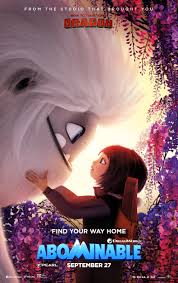
Dreamworks Animation’s latest film, in collaboration with Pearl, is Abominable. It’s not like you haven’t seen this story before, you have. It’s just that you haven’t seen it from the perspective of this group of characters. So while co-directors Jill Culton and Todd Wilderman don’t have an instant classic, the message and themes that the movie puts forth are always a welcomed remembrance.
Abominable starts out with an escape from a fortified lab in China. It’s from the visual perspective of a Yeti we later learn is named Everest (Joseph Izzo). The first person nature of the escape allows the viewer to feel Everest’s distress and anxiety, as well as a sense of safety and protection when he finally finds a hiding spot on the roof of a housing building. It’s the same roof in which Yi (Chloe Bennet), a young girl living with her mother (Michelle Wong) and Nai Nai (Tsai Chin), reside. Having recently lost her father, Yi goes to the roof to escape and connect with him by playing her violin at night.

After the inevitable meeting of Yi and Everest occurs, it’s not soon after that she finds herself on voyage to return Everest home. She’s joined by her neighborhood friends, Jin (Tenzing Norgay Trainor) and Peng (Albert Tsai), while being trailed by an old explorer named Burnish (Eddie Izzard) who had hired Dr. Zara (Sarah Paulson) to capture the Yeti. The resulting race and chase becomes a voyage for all to find themselves and friendship along the way.
The visuals in the film are a statement as to how far we have come with technology, but also reminder of how beautiful our planet is. The Chinese landscapes are jaw-droppingly beautiful as the main characters move through them. Unfortunately, the plot of the film is not always as stunning. The story is predictable in many ways, but still manages to keep its messages clear, universal, and heartwarming.

t’s great to see an animated film that’s entrenched in China. The scenic views, Chinese characters on posters and ads in the neighborhood, and the culture within the film is authentic. I look forward to the day when the language spoken is Chinese and we have to read subtitles, but as my seven year old daughter pointed out “it may not work for kids”. She’s right. Her little brother wouldn’t have been able to keep up, but it would have been awesome to be truly submersed.
In the end, Abominable is a feature in which a young, pure hearted kid wins the affection of a creature. That affection is a connection that transcends predictability and pierces the heart of anyone who knows what it’s like to be an outsider, alone, and/or feeling loss. That’s what makes this film worth a watch!
Rating: B-

"Hustlers": Let's Talk Live Review
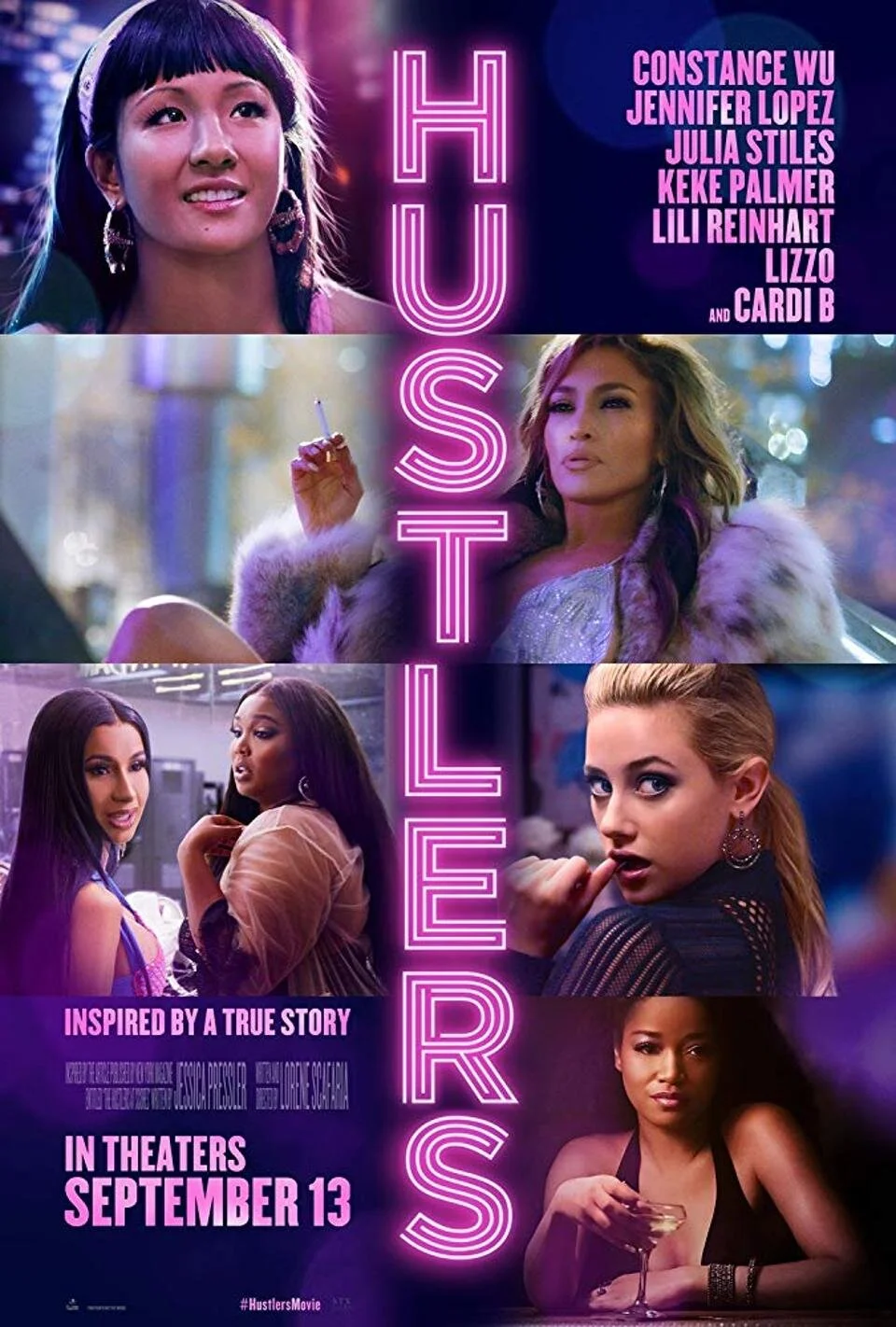
Check out my review on Let’s Talk Live:
https://wjla.com/news/lets-talk/weekend-box-office-preview-with-kevin-sampson

"Yesterday" Review: Dope Premise Meets A Good Effort
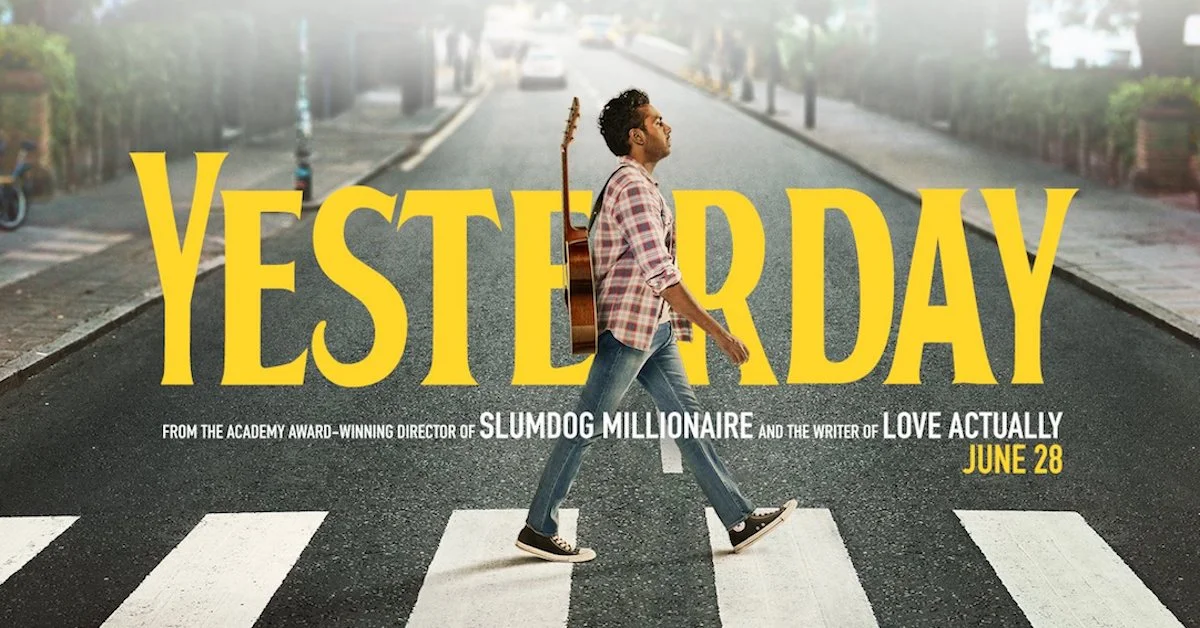
If you woke up and no one remembered The Beatles, what would you do? That’s what director Danny Boyle’s (Slumdog Millionaire) new film analyzes. If you’re a fan of The Beatles, this is likely a must see; if you’re a casual listener, it may not have you clapping along.
Jack Malik (Himesh Patel) wakes up after a car accident. Apparently the world experienced a power outage for twelve seconds, during which he was hit by a bus, and it erased certain things from existence. The Beatles music and everything that goes with it is no longer in the cultural lexicon. As a struggling musician, Jack decides to use this to his advantage by playing and writing down every Beatles song he can remember.

As the world begins to hear his tunes, a star is born. The newfound fame makes his relationship with former manager and best friend, Ellie (Lily James), a bit strained. The train is moving faster than Jack thought it would and it causes him to analyze not only his relationships but himself as well.
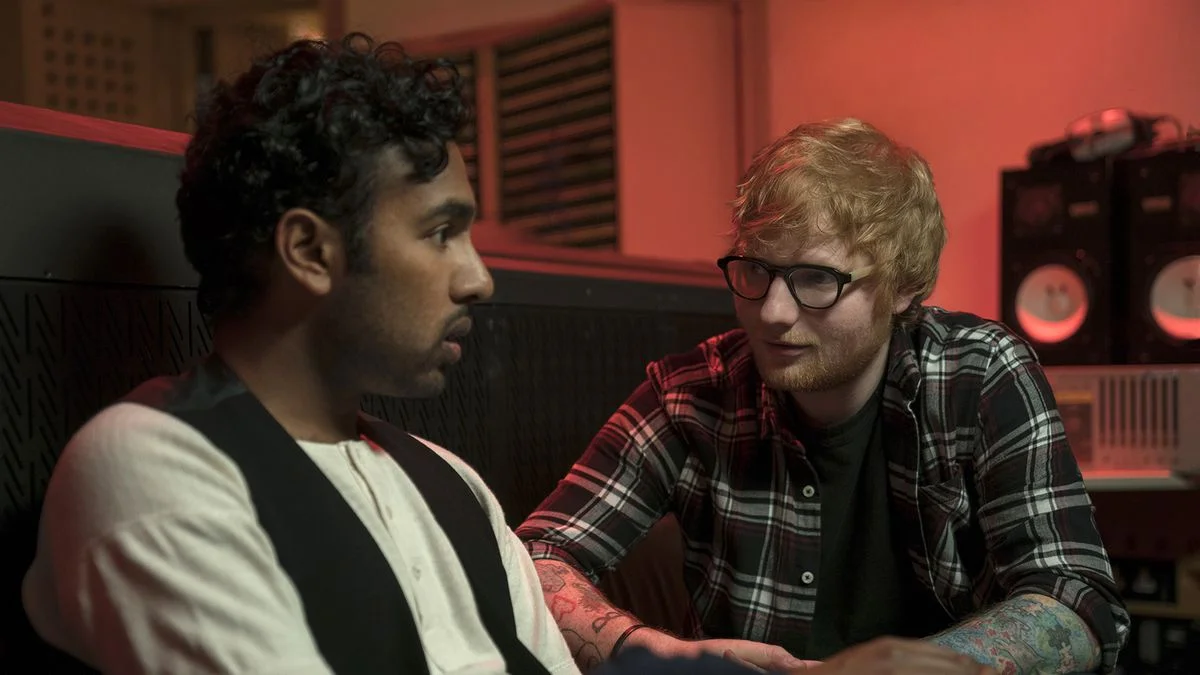
Writer Richard Curtis pens a film that has lots of humor and charm. As an audience member, the thought of a world that hasn’t been changed by The Beatles is hard to find not funny. With Ed Sheeran showing up at Jack’s door to bring him on tour with him, there’s a lot of irony and comical gags in the superstar going up against The Beatles music, unbeknownst to him. However, the film’s premise may also be its kryptonite. More of the story focuses on the music than the bigger story it’s trying to tell, which is lying can catch up to you so be your authentic self.
Jack is forced to face his actions, knowing that his songwriting skills aren’t as great as the iconic band’s. It’s a “what would you do?” hypothetical dilemma that we could ask ourselves. It’s in the space of the decision to live a lie for positive reasons like making money to feed your family, or wanting to finally be seen and heard in the world, that the film tries to address but doesn’t quite knock out of the park. If you’re looking to revisit The Beatles music and have a few laughs, this movie is for you. If you’re not knowledgeable of the band’s music past their top hits like I am, this may be a good pick on Netflix later. When you remove the music, the story is like Patel’s character, meandering, unsure of its direction, but loveably charming.
Rating: B-

"Toy Story 4" Review: A Welcomed Finale...Hopefully

The announcement of Toy Story 4 was a shock to the system. Toy Story 3 was the perfect bow for the franchise. Pixar definitely can teach other studios how to keep a franchise going past its seemingly end. While the latest film has all the warm fuzzies, jokes, love, and deep storytelling that we’ve enjoyed in the past, I respectively and lovingly hope this is it.
The film picks up where the last left off but a few years down the line. Bonnie (Madeleine McGraw) is on her way to kindergarten. She still has Woody (Tom Hanks), Buzz (Tim Allen), Jessie (Joan Cusack) and the rest of the gang. While she’s not old enough to stop playing with all of her toys, Bonnie certainly has her favorites, and Woody is not one of them. He gets left in the closet and collects dust bunnies while everyone else gets played with. Since Woody has always been the leader, this change is something he’s grappling with.
After her first day of school, Bonnie comes back with a new toy she created named Forky (Tony Hale). Understanding how much a toy means to the human he serves, Woody makes it his mission to keep Forky from throwing himself in the trash and getting himself lost. This includes making sure he stays safe on the family road trip in the RV, which of course is a task in itself.

What Pixar does better than most is explain life to us with child-like simplicity. They take us back to the basics time and time again. In this film, the big lesson is how we evolve in our relationships with loved ones. Woody has had his time with Andy and got a second chance with Bonnie, but what happens when our metaphorical Bonnie moves on? What do we do with the feeling of no longer being needed? How do you overcome your mentality of finding your self-worth in someone else or the opinion of others? There are all kinds of deep lessons that can be learned when you dig past the surface of what’s presented, and of course it’s laced with gags and humor.

The adventure the gang goes on is a fun and comical ride. There certainly was another story that could be told with Toy Story. The directors have stated that this is a fitting end for Woody and possibly the franchise but they thought it would be over after Toy Story 2. I hope they let this be the end because they have squeezed all the juice out of the lemon to create the delicious pitcher of lemonade that is the franchise. Perhaps Toy Story 3 left us thirsty for more, but Toy Story 4 is the confirmation that we’re good to go.
Rating: B

"Men In Black: International" Review: Neuralyze Me Now Please!
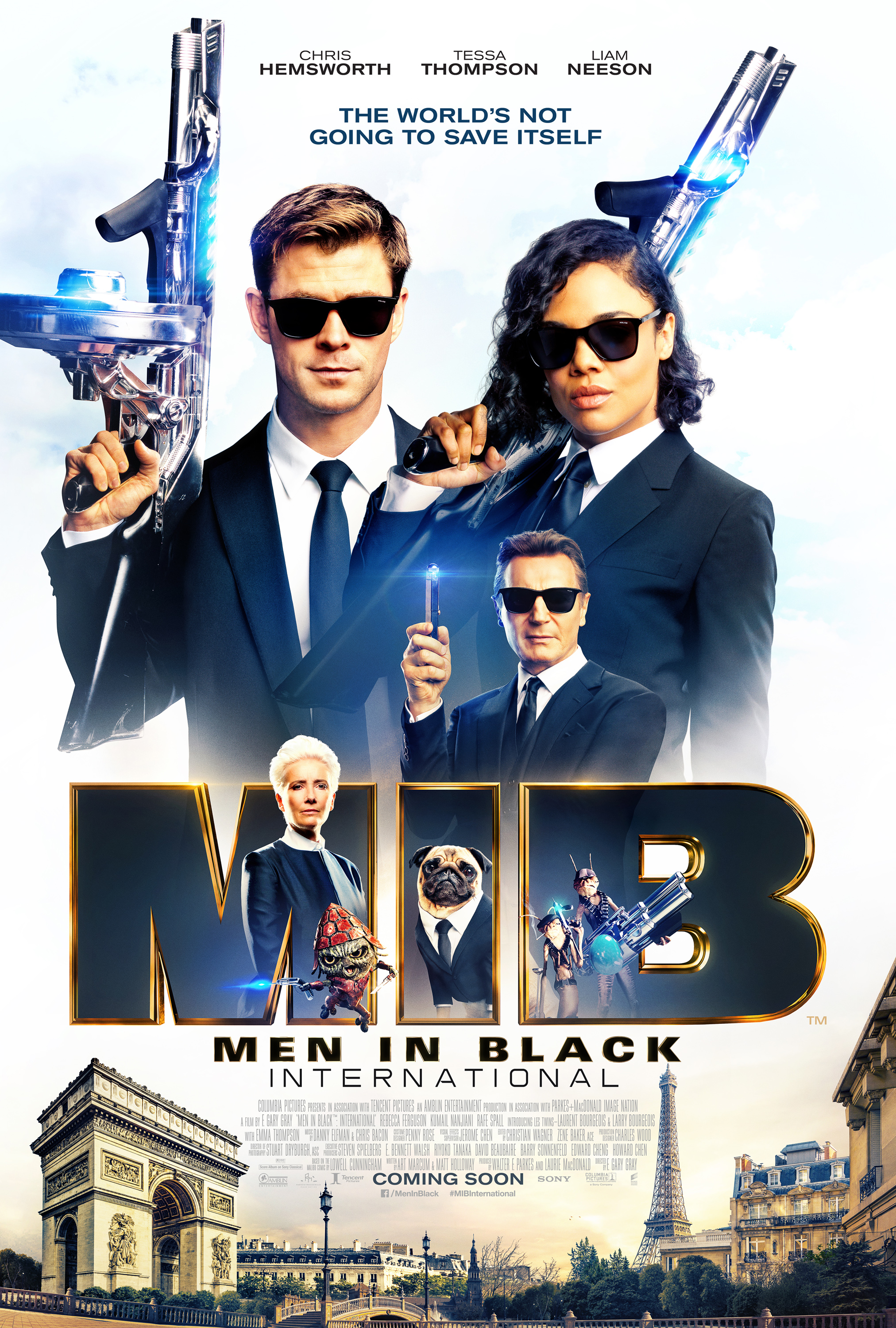
If you’re banking on the chemistry of Tessa Thompson and Chris Hemsworth carrying the Men In Black franchise to new heights, think again. They may have been great together in Thor: Ragnorok, but Men In Black: International focuses more on spectacle than story. With foreshadowing bread crumbs more like muffins, the writing on the wall is easy to read for this movie and let’s hope it’s the same for the franchise’s demise.
Molly (Thompson) witnesses Men In Black agents visit her home as a child. While her parents’ memory was erased, her’s was not. She has spent her life, since that night, trying to find the secret organization. When she finally does, she’s taken in as a probational agent. She’s shipped to London to join Agent H (Hemsworth) on the latest mission to save the planet as a compact weapon that can destroy an entire planet makes its way through various hands.
Rather than focusing on an original story and character development, writers Matt Holloway and Art Marcum focus more on familiar themes that made the franchise successful in the past. Production set pieces, aliens, and tech take the foreground over a plot and creating Agents M and H to be more than stereotypes. The fish out of water and the party boy get swallowed up inside the MIB world as forgettable people.
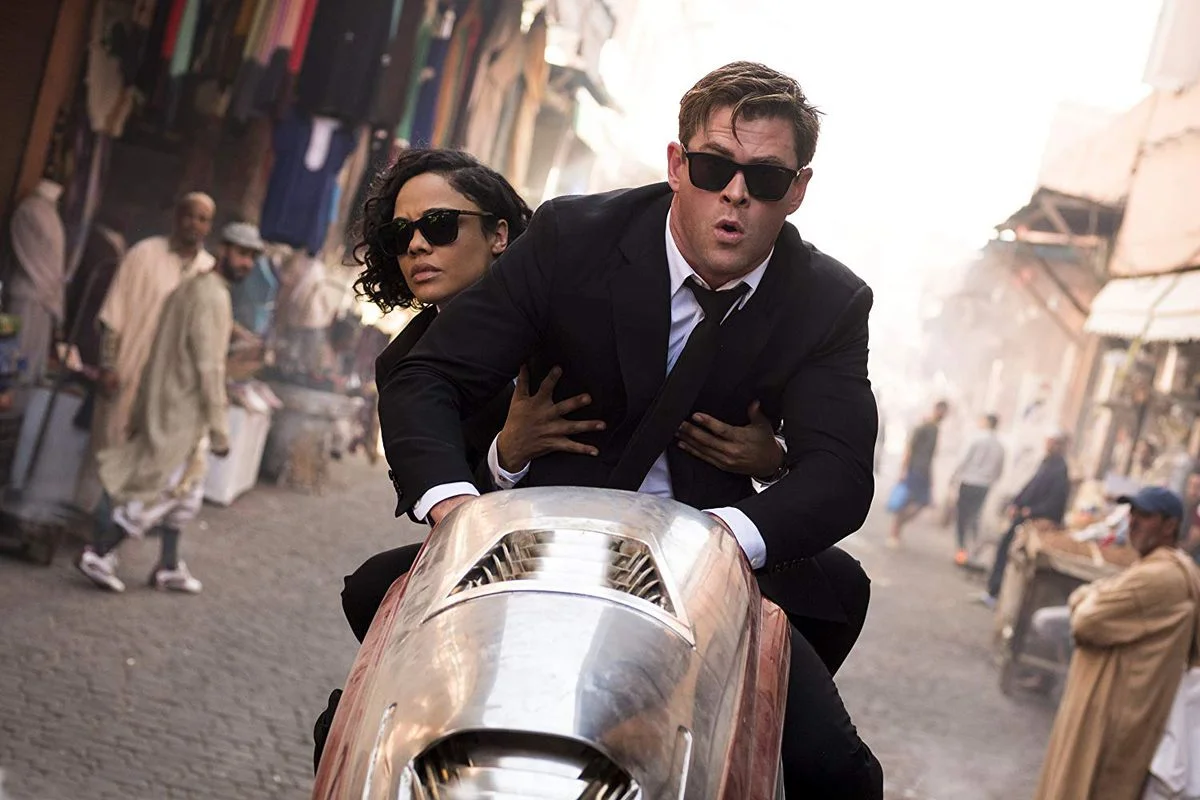
Director F. Gary Gray is one of the most underrated directors in Hollywood. While he has created notable films in the past, his presence in helming this film is absent. This feels like a studio driven film and a missed opportunity to have a talented director leave a mark.
This film reeks of not believing its audience is smart enough to keep up with its plot. Therefore, Men In Black International instantly becomes a forgettable entry in a franchise that has overstayed its welcome. If they could neuralyze me seeing this film, I’d take it now!
Rating: D

"5B" Review: A Time Capsule of Bravery
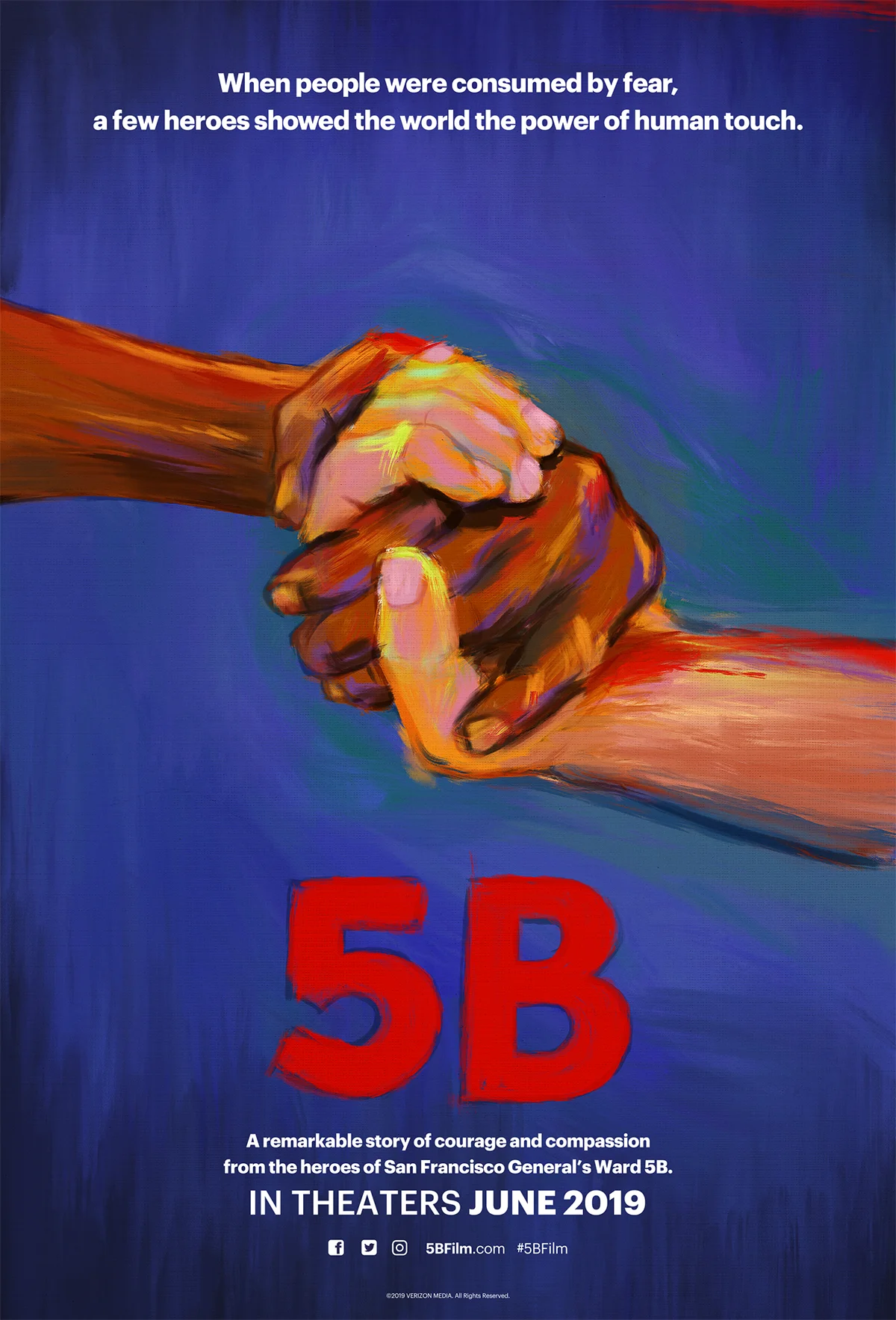
When the HIV/AIDS first hit the world in 1981it was a concrete death sentence. If you had the disease many people chose to isolate or abandon people with it. So when a team of medical professionals decided to start caring for and comforting people in ward 5B at San Francisco General Hospital, the world took note. 5B tells the story of the brave men and women who put humanity first, from their own mouths.
The film starts with archival footage of gay men and lesbian women dancing together or holding hands. The voices of youth explaining how they’re “coming out of the closet” more prevalently. Just as quickly as those images are shown, we cut to the images of some of the first men who had the “gay cancer” as it was called. No one knew what was going on in the beginning. They just knew that gay men acquired the disease and died within months after.
Rather than viewing 5B as a place that people die, nurses and administrators, such as Alison Moed Paolercio, Cliff Morrison and David Denmark, created a culture of care. Even though, in the beginning, every case was terminal, they focused on the human being in front of them and their needs. They had Sunday brunches, dance parties, and most importantly, touched their patients with no gloves. They were able to meet the basic needs of human beings when they weren’t being met in the past. Thus, they changed the trajectory of how AIDS patients were treated.

One thing they teach you in film school is that the medium has the ability to travel through time and space. Seeing some of the talking heads, now in their 60’s or 70’s juxtaposed with their 20’s and 30’s selves is powerful and otherworldly. Ultimately, we realize that many of the people that we see them assisting in the documentary are no longer alive and haven’t been for decades. This drives home the impact of what they did on 5B. They took huge risks that could have cost them their lives, family relationships, and more.
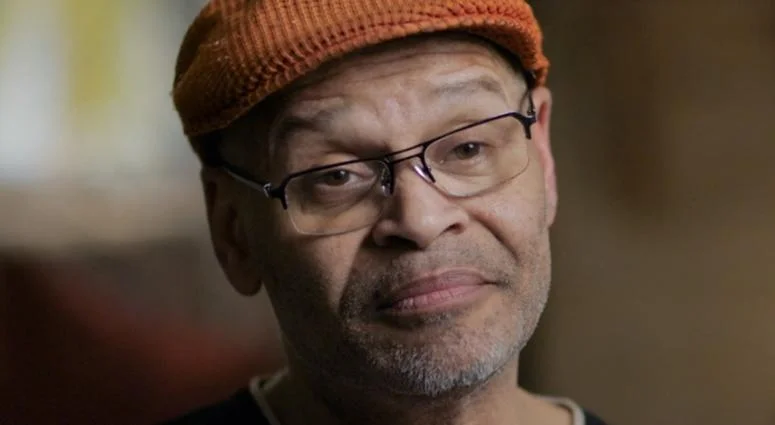
While the film does a great job of capturing the stories of those who served on 5B, it stuffs tons of human stories into the main thread of the struggle of giving care, service and love during a time of uncertainty around the AIDS epidemic. The talking heads change so often that it becomes a guessing game of who may appear on the screen, remembering their storyline, and piecing things together. It’s a difficult balance to do in a documentary and while the stories are welcomed, the inescapable feeling of redundancy creeps in occasionally.
Ultimately, 5B is an important story that serves as a necessary time capsule. As stated in the documentary, if we don’t remember what happened in the past we’ll repeat it. Fear of the unknown is a repetitive issue in human existence. It can make people do inhumane and evil things. 5B is the perfect reminder of the power of love and what can happen when we put fear aside and seek to care for others.
Rating: B

"Godzilla:King of The Monsters" Review- Flush Your Money Down The Toilet Instead
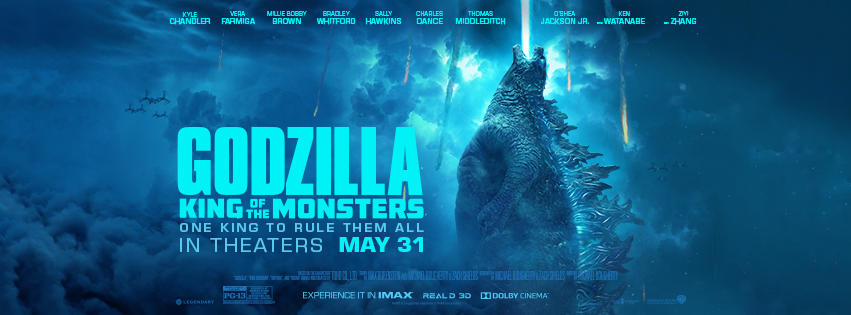
I’m a fan of suspending my disbelief for films. If it’s entertaining, I’ll do it. Godzilla: King of The Monsters crosses a line though. It doesn’t give us characters to invest in or believable action in a world that we are already choosing to accept as reality. It’s a slap in the face to its viewers’ intelligence unworthy of your dollars this weekend.
Picking up where 2014’s Godzilla left off, this film plops us back into the classic world where giant monsters exist. The government has learned that there are numerous titans around the globe and the major decision that has to be made is how to stop the impending doom and destruction they will cause. It seems our only hope may be Godzilla.
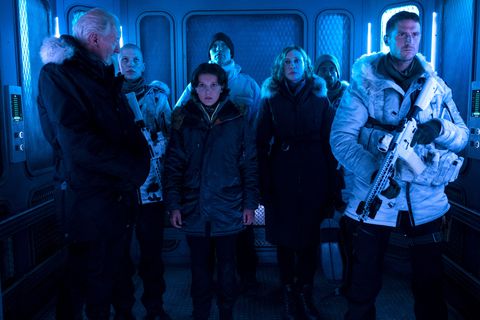
Explaining or giving an elusion to the human side of this story is asinine because writers Michael Dougherty and Zach Shields didn’t care to develop them. However, in a nutshell, there’s a divorced dad (Kyle Chandler) and mom (Vera Farmiga) who don’t see eye to eye and their daughter (Millie Bobby Brown) has to choose which philosophy to follow. The other humans in the film are government, civilians or military and they either provide exposition, bodies to be killed, or fight monsters.
The reason to go to a Godzilla movie is to see giant monsters. It’s obvious the studio listened to the complaints of fans in the 2014 film because you definitely get that here! Hats off to the visual effects and sound team for creating images that look and sound like giant monsters fighting. (They’re the only reason this didn’t get an F rating.) Buildings being demolished from the wind of Rodan flapping its wings looks authentic. It’s easy to believe in the power, scope and destruction the monsters leave in their wake.

Unfortunately, throughout the fighting scenes of these monsters, the camera work is inconsistent. Sometimes we get clear visuals of what’s happening and which monster is fighting from director Michael Dougherty. Other times, it’s unclear what we’re looking at or what a monster is doing.
With no human story to get behind, you’re left waiting for people to be quiet so we can get to the next monster scene. The audacity of human beings thinking that they can tame, control or even be the pets of giant monsters befuddles my small mind. I’m all for escapist, popcorn blockbusters, but not at the expense of leaving the theater frustrated with seeing a bad film and feeling like I wasted my money. You may as well flush your money down the toilet. At least the plot of wondering if it will get stuck or not will be more entertaining, suspenseful, and plausible.
Rating: D
"The Intruder" Review: Stellar Suspense, Dumb Decisions
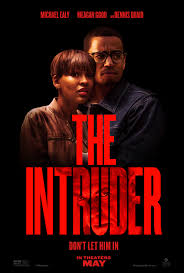
Certain movies ask for you to just go with it in order for you to take the full ride. The Intruder is one of those types of films. If the lead characters did what we’d do in real life, the movie would be over in thirty minutes. So if you can check your brain at the door and go with it, this film may be the popcorn suspense thriller for your outing this weekend!
Scott (Michael Ealy) and Annie Russell (Meagan Good) are a young, successful couple living in San Fransisco looking to start a family. How does Annie want to do that? By buying a house in Napa! They find a beautiful property with lots of character that’s been in one family for generations. The current owner, Charlie Peck (Dennis Quaid), greets the couple by shooting a deer right in front of them the first time they visit the property. If that initial encounter isn’t “Get Out” enough for them, throughout the showing, Charlie has a way of stressing the “must keep” features of the house.
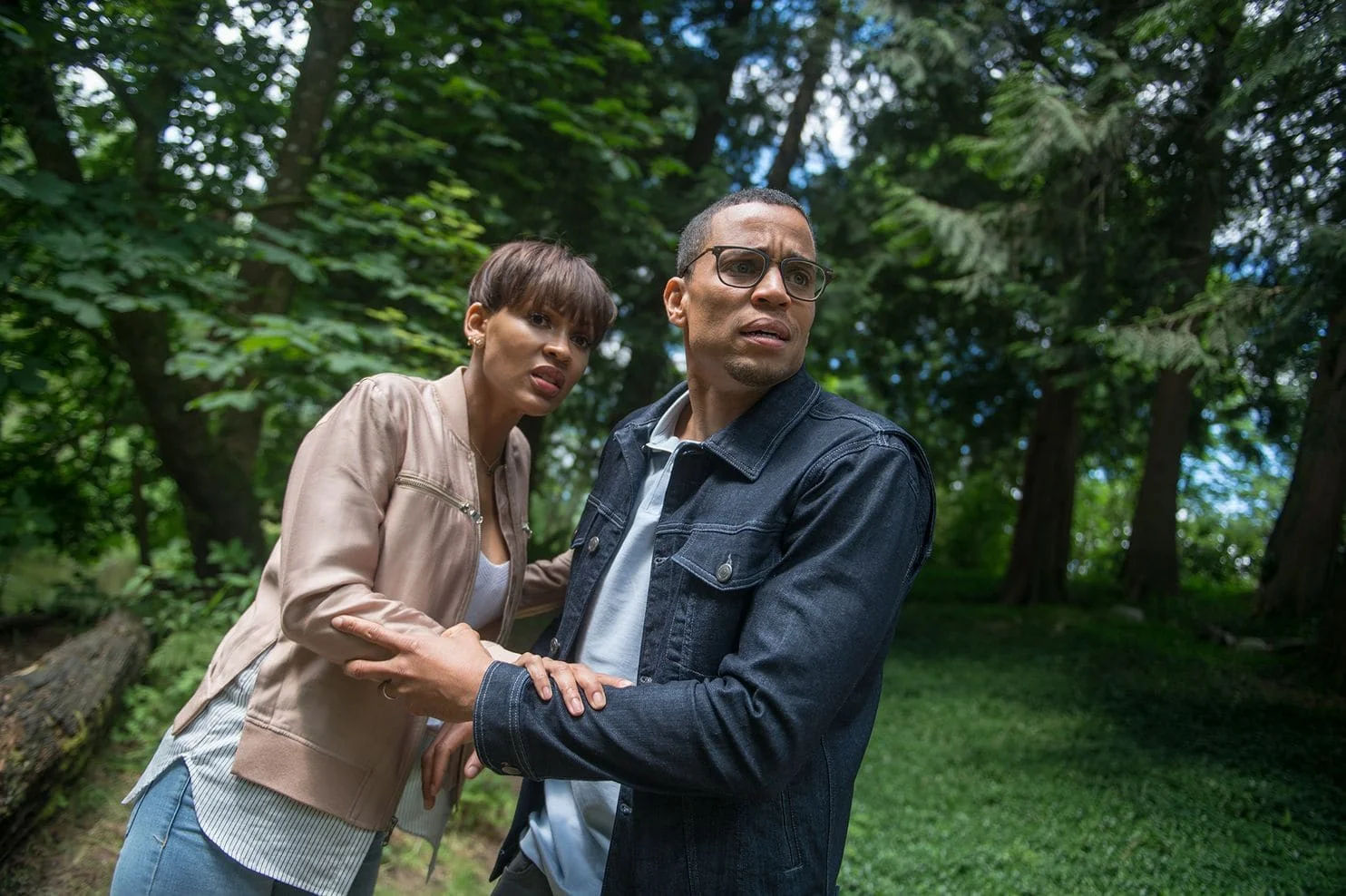
After purchasing the property, Charlie finds ways to keep showing up at Scott and Annie’s new home. He mows the lawn and cites that “it was getting out of hand”. It probably doesn’t help that Annie keeps inviting him to functions, like Thanksgiving, even though Charlie is supposed to have moved to Florida to be near his daughter. The Russell’s friends Mike (Joseph Sikora) and Rachel (Alvina August) have mixed views on Charlie. Mike doesn’t trust him and thinks he’s a peeping Tom, while Rachel thinks he’s a hot old man. Regardless, a seed of suspicion is planted and grows into full blown awareness as the film moves forward.
The trinity of actors in this film do a great job of playing their roles. Good plays the loving wife with a heart for the poor old man who lost his wife in their home. Her character is authentic and, while naive, earnest in her decisions. Ealy is the out of his element husband in his new country home digs who also shouldn’t be slept on just because he wears glasses and nice clothes. Quaid has the most fun as the possessive, rehearsed, good ‘ol country boy. In fact, Quaid is repulsive in this movie at some points. Once the sicko is unmasked, he goes all in with his character and it raises the stakes in the hair-raising, skin crawling, “get away from me old man” delivery.

As his follow up to 2018’s Traffik, director Deon Taylor is proving one thing, he understands how to build suspense and tension in a scene. In fact, that’s the biggest thing that this film has going for it. There are a lot of illogical plot contrivances that writer David Loughery has placed in the film. However, Taylor understands what’s creepy, what’s scary based in reality, and uses the camera, lighting and sound to highlight it.
While the use of tension and suspense is fantastic in parts, it doesn’t make up for the whole of the film. There is a point in which an audience starts to yell at the screen in a film like this that’s fun, but there’s also a point in which the film becomes a comedy when it wasn’t written for that. The Intruder looks at that tipping point and walks over the edge. Had it been grounded in more realistic decisions it could be a film that you remember past next week. That said, the ending produced one of the most joyously, uproarious screams of satisfaction I’ve heard in a while.
Rating: C
"Missing Link" Review: Something's Missing Alright!
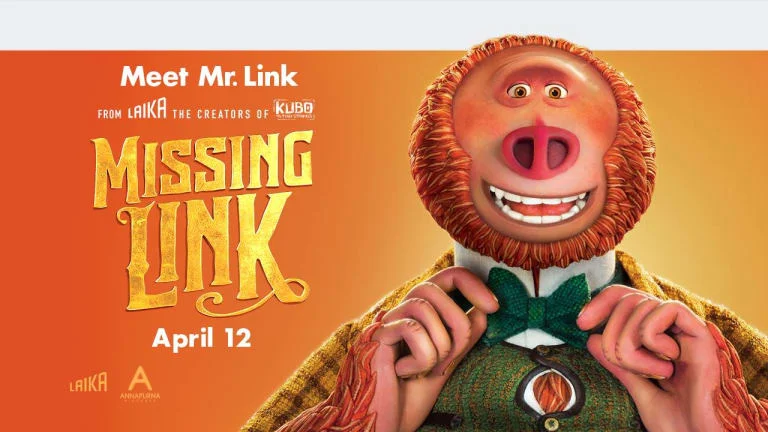
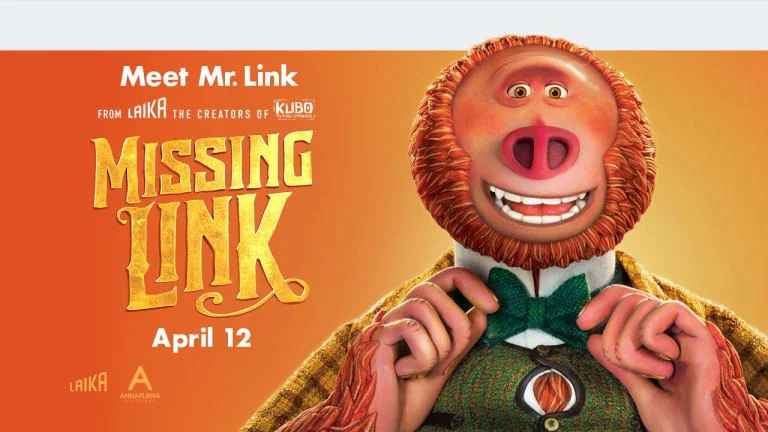
You may not know the name Laika Studios, but you know their work. Movies like Coraline, ParaNorman, The Boxtrolls and Kubo and the Two Strings are some their beloved prior films. While Missing Link is just as gorgeously handcrafted as their previous works, its missing the magic to elicit the warm fuzzies like its predecessors.
Sir Lionel Frost (Hugh Jackman) is an explorer and investigator of myths and monsters in the age of global exploration. He is fearless in his quest to find these creatures, but can’t seem to keep an assistant in doing so. After his latest assistant walks out, he receives a letter from Mr. Links (Zach Galifianakis), who turns out to be Big Foot. With the west being conquered by pioneers in North America, Mr. Links desires to find his long lost relatives, the Abominable Snowmen in Shangri-La. Not knowing how to get there, Frost and Links visit Adelina Fortnight (Zoe Saldana), a widow whose husband possessed a map to the mythical place.
Writer/Director Chris Butler is a master craftsman of the optics of the film. His attention to detail make for an entertaining watch. The light by the fireplace produces a warm orange on characters’ faces, an aerial shot in which the heroes travel by horse and carriage shows the shadows of the horses galloping along beside it, and the facial movements of the characters are so spot on that you can’t help but be swept away by the performances. The marriage between the actors’ delivery of lines to the crafting of their animated image is perfection! There is a grandmother the cast meets on the way to Shangri-La who is perhaps the funniest character in the film, but Butler shows her with a constant head tremor. It’s such a small detail, but it makes her character so authentic. The craftsmanship of the film must be honored!
While the visuals and voice acting is amazing in this film, the story is just plain dull. The screenplay doesn’t rise above stereotypical fare. You could argue that this is a film about the characters finding themselves on the harrowing journey to Shangri-La, but that’s boiler plate marketing. The screenplay gives little to care about by investing in the characters we see. So much of the film consists of watching the set production and waiting for the next bit of humor to break up the stodgy storyline.
Generally, I could give the stamp of approval for your kids enjoying the film more than you will, but I’m not so sure this time. The script and its’ jokes strike somewhere in between humor for kids and adult humor (and that doesn’t equal teenage humor), thus it gets lost in the middle of nowhere. I can’t quite put my finger on it, but there’s some missing link to making this film great! As beautiful as it is, it may be best to catch this one after it gets out of the theaters.
Rating: C+

"The Best Of Enemies" Review: Another Been There Seen That Blockbuster on Race Relations
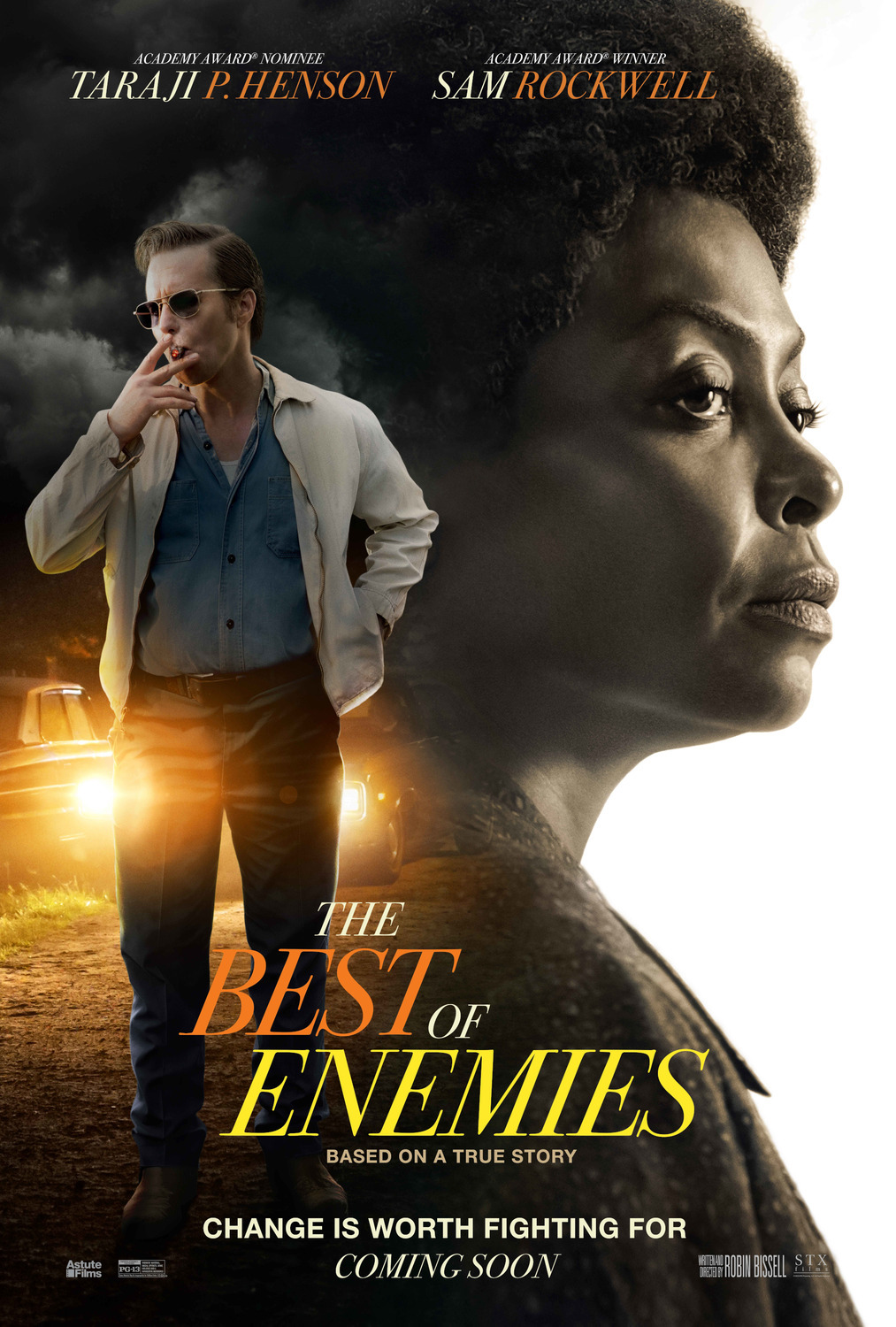
If you’ve seen a blockbuster Hollywood film dealing with race, you’ve seen The Best of Enemies. You can expect to learn more about the white antagonist than the black protagonist, whose weight in the true story is equal or greater to the other. The heart of the message, as it usually is, is definitely one that is good and should be celebrated. The problem is, with the same old screenplay structure, this film is still preaching to the choir and not digging deep enough to give us a sense of hidden figures in our nation’s history.
The film is set in 1971, when C.P. Ellis (Sam Rockwell) was the Exalted Cyclops of the Durham, North Carolina klavern of the United Klans of America. Ann Atwater (Taraji P. Henson) was a fair-housing activist at the time, trying to fight for the treatment of African-American residents in the community. After the segregated black elementary school burns from an electrical fire, the community has to decide whether to integrate the white school or not. Bill Riddick (Babou Ceesay) is brought in from Raleigh to conduct a charette, a deadline driven time of planning or activity, in order to bring the city to a conclusion.
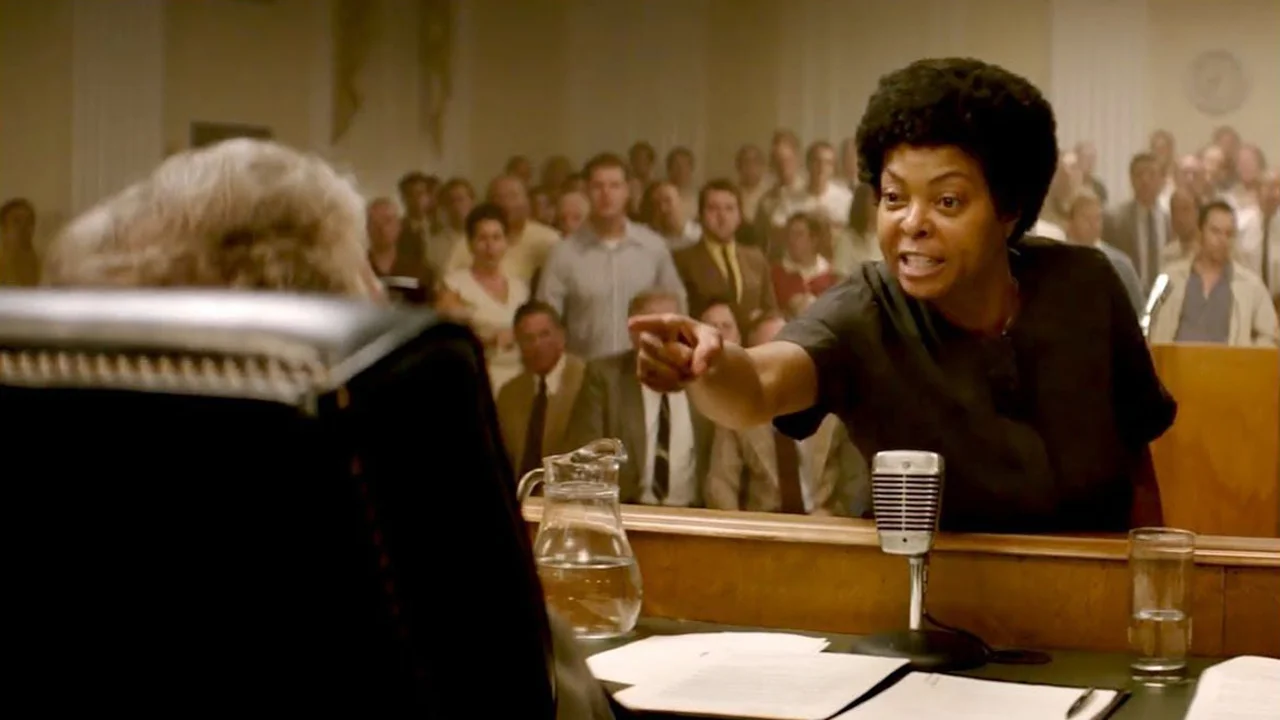
The film builds Ellis’s character early on by showing him and fellow klansmen shooting up a home of a white woman who is dating a black man. “Wait for the light!” C.P. says. They shoot through the bottom floor of the home to intimidate her as soon as the light upstairs is turned on. It’s an interesting look from the inside of the Klan as to how they’re doing their “job”. Ellis also has a son in a mental hospital who he visits regularly and pours love into. So it’s evident that he understands loving someone who may be different, but is staunch in his racist thinking. Atwater is always breathing hard. It could be because she’s overweight, but there is a sense of anger brewing under the surface with her that comes from years of hard work and hard living. While she’s not afraid to talk to the city officials who don’t care what she has to say (one turns in his chair to give her his back during a hearing) Atwater means business and expects them to listen.
The elements of a dynamic drama are there. There is an internal clock within the film that pushes the movie forward. You have a man who hates black people but loves his family and a woman who advocates for black people by speaking truth to power on a daily basis. The question becomes, how did they go from enemies to having the kind of friendship in which Atwater delivered the eulogy when Ellis died in 2005? It’s this deep study in character development and human interaction that writer/director Robin Bissell misses the mark on in exchange for symbolism over exhibiting the internal reflection/change of his characters.
Throughout the film, social class is represented through clothing. The rich and educated wear suits and nice clothes in the film, while the “common folk” wear button ups and dresses thin enough for their sweat stains to seep through and make sure we know they work hard. In fact, the rich don’t ever seem to sweat in a community that seems to be hot as evidenced by Atwater’s constant use of a handkerchief to dab away her sweat. There is a surface level exploration of the politics of the town that would give the viewer an inside look at why tensions exist amongst the the groups represented in the film.
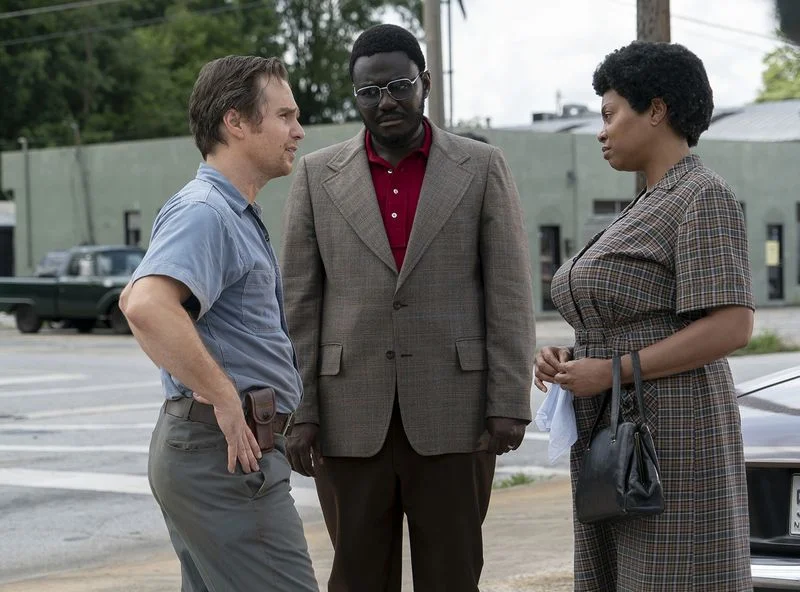
Atwater does a nice thing for the Ellis family, unbeknownst to them, which simply serves as an example of being kind even when someone is mean to you. At the end of the charette, Atwater gives a one sentence answer in whether the schools should be integrated or not. We get a monologue from Ellis for his decision to do what we knew was right from the beginning. There is a disproportionate amount of focus and backstory on both characters in this film, and that has to stop.
If The Best of Enemies had never been made, the vast majority of people who see the film would never know about Ann Atwater and C.P. Ellis. So there has to be some credit given to the people who brought this movie to life. However, if we’re going to have stories dealing with race and overcoming prejudice in our history, let’s do it the right way! Taraji P. Henson and Sam Rockwell brought it as their characters, but perhaps the same equality their characters were fighting for should be brought to similar screenplays in the future!
Rating: C
My Video Review: