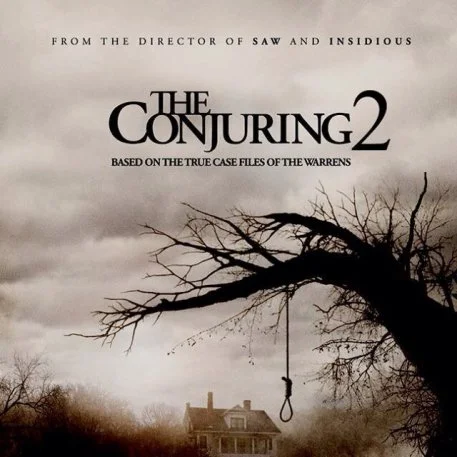
"The Conjuring 2" Review: Wan is Back in the Zone!
Horror fans, indulge me for a moment. Think of all the elements that go into a masterful horror film: Nerve-jangling scares; a sense of dread permeating throughout; imagery that sticks with you and keeps you up at night; brilliant production design; a great score; believable performances; and yes, even genuine emotion.
It sounds too good to be true in today’s world, where fecal matter like Ouija, The Gallows, and The Forest clogs the toilet that is mainstream horror. Yet there is hope in the form of our savior, the almighty and all-knowing James Wan, who has come to show us the way. Wan has always been a master of his craft, as he has demonstrated in the original Saw, Insidious, and The Conjuring, but now he has perfected it. With The Conjuring 2, he has made a perfect horror film.
Yes. The Conjuring 2 is a perfect movie. As in, it has practically zero flaws.
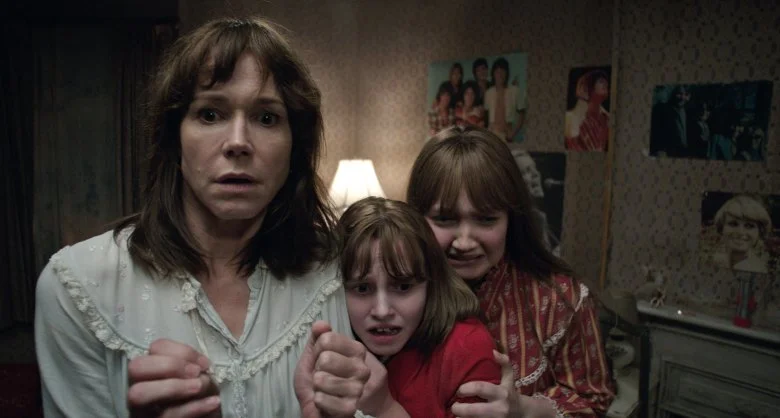
Like its 2013 predecessor, The Conjuring 2 is set in the 1970s and delves into the so-called “true case files” of Ed and Lorraine Warren (played by Patrick Wilson and Vera Farmiga, respectively), a real-life husband-and-wife team of renowned demonologists. This time, the Warrens travel to Enfield, England, where a single mother (Frances O’Connor) and her four children are being tormented, possessed, and generally inconvenienced by a demonic presence.

What transpires at the Hodgson household is pretty standard stuff: A chair moving on its own, strange voices, bumps in the night. Of course, we’ve seen it all done before in plenty of other movies, but rarely have we seen it done so well. Like a certain Mr. Spielberg, Wan has a gift for manipulation, and not in a bad way—he meticulously crafts each individual moment for maximum effect, so that the audience is completely wrapped around his finger. The tension Wan creates is palpable, and while he often makes use of those dreaded jump scares, they never feel cheap and they always feel earned. The man simply knows what he’s doing.
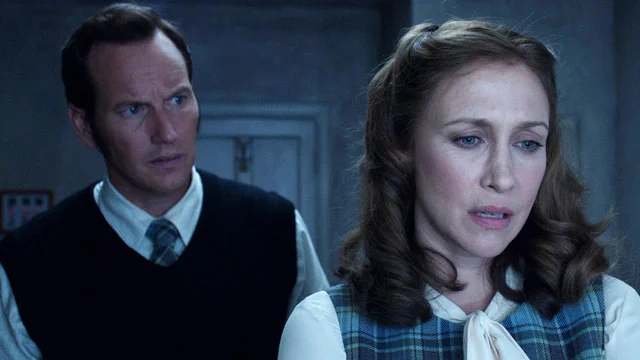
He’s aided by terrific production design by Julie Berghoff and a spine-tingling score by Joseph Bishara. Both add authenticity to the period setting and an uncanny unease to the film’s atmosphere. Sweeping camerawork by director of photography Don Burgess glides placidly, putting the viewer on edge for what awaits just around the corner. And the performances—with standout turns once again by Wilson (TV’s Fargo) and Farmiga (TV’s Bates Motel)—bring humanity and heart to the spooky proceedings.
I loved this movie. As a horror fan, I want to shout it from the mountaintops: “The Conjuring 2 is not only the rare sequel that’s as good if not better than its predecessor, it’s a masterpiece of the genre!” It’s a rickety, demented funhouse ride that, despite its 135-minute running time, doesn’t overstay its welcome (unlike those pesky spirits). That’s quite an accomplishment. And though there have been some phenomenal indie horror films as of late, such as It Follows, The Babadook, and The Witch, James Wan is king as far as mainstream, wide-release horror goes. With all the heavenly blessings, I thank James Wan for turning down Fast 8 to direct this film. Horror is where he belongs.
Grade: A+

"Popstar: Never Stop Never Stopping" Review
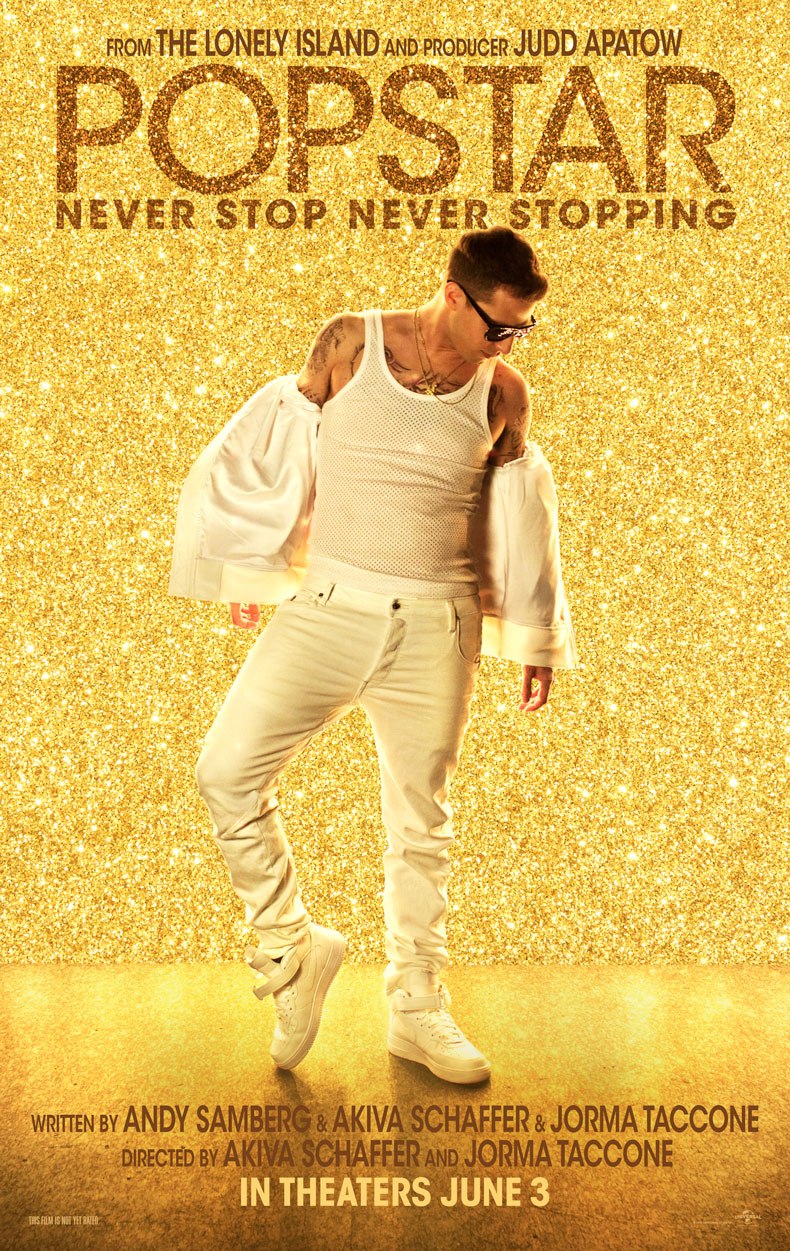
Andy Samberg, Akiva Schaffer, and Jorma Taccone are known for their comedy sketches and parody videos as a part of The Lonely Island. They came to prominence with their Saturday Night Live digital short “Lazy Sunday”. Popstar: Never Stop Never Stopping is simply them coming together and fleshing out a feature length version of one of their videos. It’s a rock mockumentary for the popular culture of the 21st century, that’s actually funny.
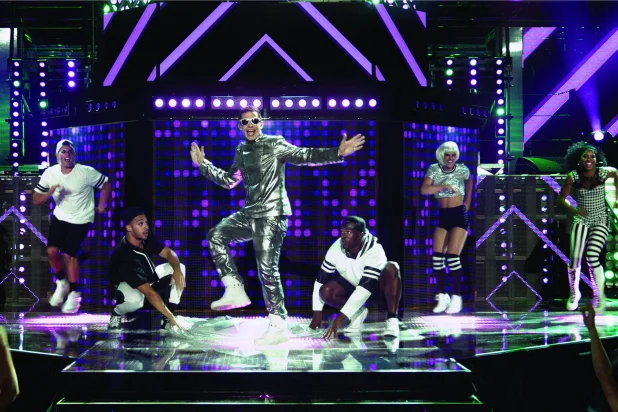
Conner4real (Samberg) is a young singer/rapper at the top of his game. He started out in the hip hop group called The Style Boyz with his childhood friends, Owen (Taccone) and Lawrence (Schaffer). Stepping out from the group he catapulted himself to the top of the charts and hearts of his fans. After the huge success of his first album, we find Conner preparing for his latest, Connquest. To ensure the albums success, Conner wrote all of the songs and used 100 producers to create all of the beats.
With songs like “Equal Rights”, about marriage equality but stitched together with homophobic lines, and “Finest Girl” which makes references to killing Osama Bin Laden, Connquest tanks. The rest of the film is about Conner realizing he has a bunch of “yes men” around him and getting back to his roots.
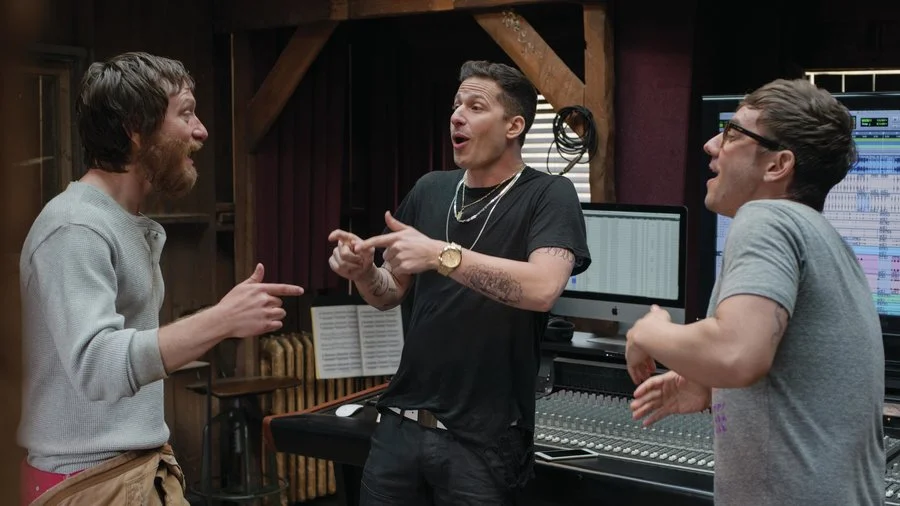
While the set up is typical of a VH1 Behind the Music episode, that’s a part of what makes it wonderful. The film mocks pop culture, pop music, and hip hop in a way that’s right on the money by marrying the documentary style filmmaking with comedy. Popstar is written by Samberg, Schaffer, and Taccone and there is a palpable sense that they wanted to mock the culture while hitting dramatic beats and actually telling a story rather than stringing together numerous sketches.
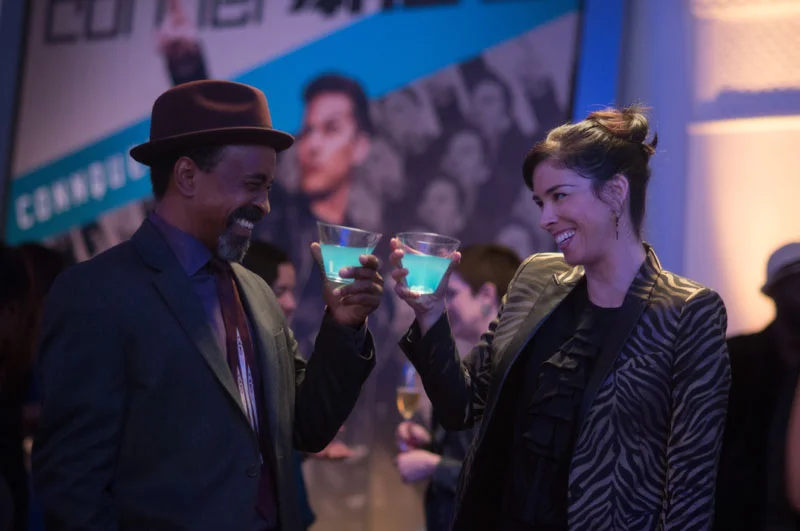
As the film unfolds, numerous celebrity cameos of popular artists and comedians are woven into the film. Some are brief, and other’s continue to come back, but most of them add to the humor of the film because of the irony of making fun of the business they helped create or are still a part of. There are a few TMZ or CMZ as it’s called in the film, scenes that are hilarious! They nail Harvey Levin and crew’s office sessions.
This film is a little funnier than the trailer, and I cracked up watching the trailer. So if you don’t find the trailer funny, than you probably won’t find the film funny either. But there’s no escaping the fact that this is clever satire that encapsulates this social media/reality TV/need to be liked generation in an affectionate, genuine, comedic film.
Rating: B

"Green Room" Review

Green Room is one of those films that probably won’t get the respect it deserves until a little while down the road, or when we film critics tell enough people how great it is. Which shouldn’t be a surprise, since it is written and directed by Blue Ruin’s Jeremy Saulnier (if you haven’t seen that film, you should). For a single location thriller about apunk rock band trying to fight for survival, the film tells a brilliantly written and executed, surprisingly universal human story...albeit an extremely violent one.

The Ain’t Rights are a punk band comprised of four friends: Pat (Anton Yelchin), Reece (Joe Cole), Sam (Alia Shawkat), and Tiger (Callum Turner). They’re purists when it comes to their music, and as far as we can tell they survive off it alone. Touring the west coast, the group is in a van big enough to haul them and their equipment. They syphon off gasoline to keep the van going and save what few dollars they have.
After getting hired to play a paying gig in a secluded club in the backwoods of Oregon, the group reluctantly obliges. They’ve been informed by Tad (David W. Thompson), a promoter and music reporter who owes them one for stiffing them, that the club is run by neo Nazis. They just didn’t know they would stumble upon a murder right after the show. Once the scene has been seen, it can’t be undone, and there can’t be witnesses. Which means the group has to play a game of wits and survival with the club owner, Darcy (Patrick Stewart).

The casting in this film is perfect. I couldn’t imagine anyone else in the role of Darcy, and Stewart’s years of experience gives the film a dangerous villain who never raises his voice. Yet, it’s not a film where Stewart’s presence saves the film, it only enhances and fortifies an already solidly casted movie. Each member of the band is a fully realized character that has a moment to shine. The same can be said about the skinheads as well.

Always a master of Pace, Saulnier knows how to build a scene, let it breathe and then shake things up a bit. Once the group is locked into the green room, the film is extremely tense until the end, but Saulnier is kind enough to intercut dark humor and moments to relax between violence. I was extremely pleased with everything prior to the murder discovery. Each scene was tightly edited by Julia Bloch and advanced the story with no room for fluff.
As with any group survival film, not everyone will make it to the end. Getting to the end is a huge adrenaline rush though! In a film where the protagonists are forced to face their mortality, Green Room finds plenty of human moments and jokes that will turn this into a cult classic.
Rating: A-
"The Peanuts Movie" Review
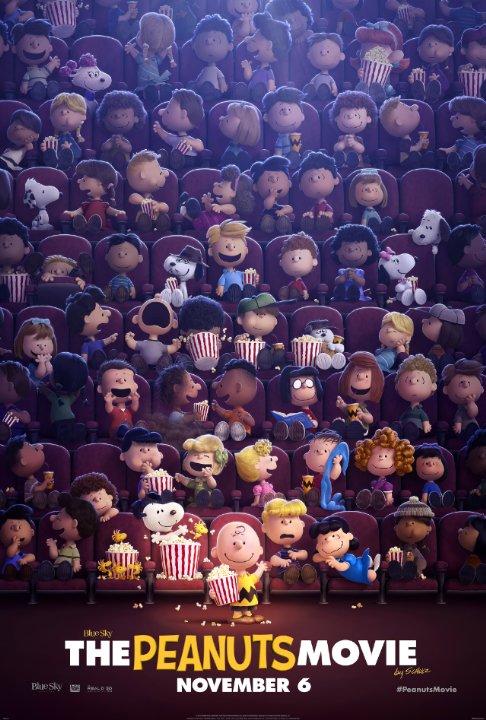
Much care needed to be taken when bringing Snoopy, Charlie Brown, and the rest of Charles M. Schulz’s beloved Peanuts gang to the big screen. The comic strip and subsequent television specials were microcosms of the world viewed from the eyes of a child, free of snark or cynicism. So when it was announced that there would be such a thing as The Peanuts Movie, worries were high that Schulz’s legacy would be tarnished. Advertising that proudly boasted that the film was “from the creators of Ice Age and Rio” did not inspire much confidence.
Fear not, for The Peanuts Movie is an absolute delight!
Consider how shallow and soulless many recent cartoon-to-film adaptations of beloved properties have been: The Smurfs, Garfield, Alvin and the Chipmunks. The Peanuts Movie is different from those products in that it doesn’t pander to its audience, nor does it appeal to the lowest common denominator by inserting poop jokes, product placement, or modern-day slang. Like its source material, it’s good-natured through and through. And in an age where the G rating hardly exists anymore, it’s commendable that Peanuts remains something that the entire family can enjoy together.
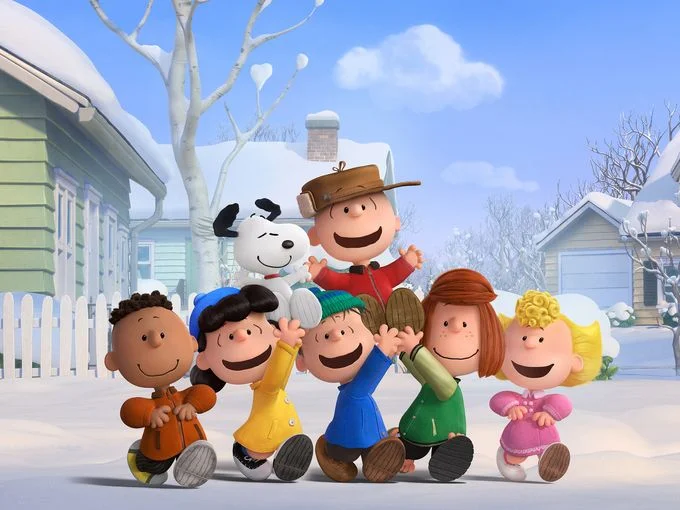
The story is slight. It involves loveable loser Charlie Brown (Noah Schnapp) trying in vain to overcome his deficiencies in order to win the affections of the new girl in class. Not particularly earth-shattering storytelling here, but the film’s unassuming stakes and laid-back pace—keeping in the tradition of the television specials—is somewhat refreshing. Kids will have a blast with the slapstick antics of that sly beagle Snoopy, and adults who grew up on Peanuts will no doubt be overcome by crashing waves of nostalgia.
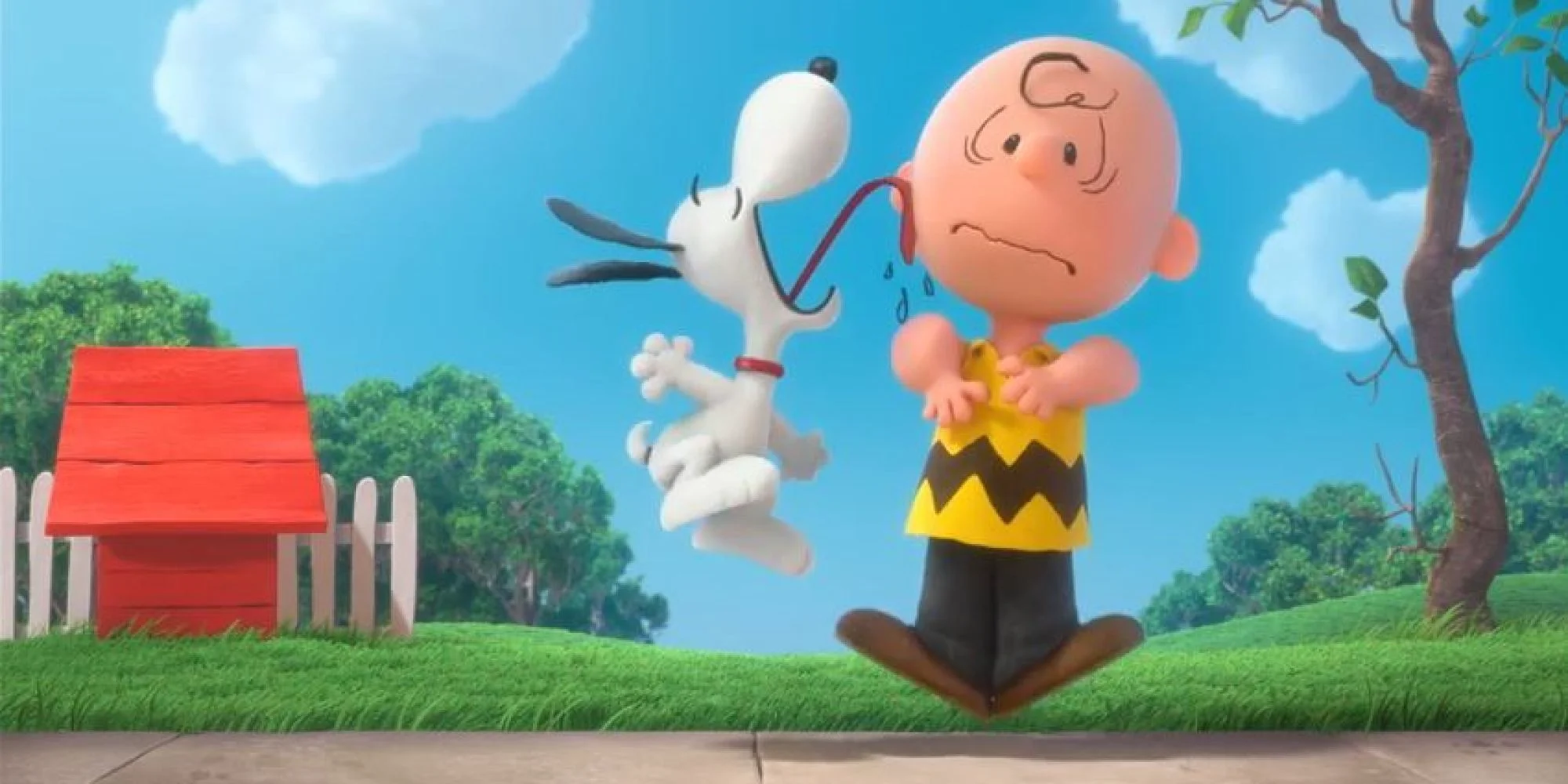
However, that nostalgia is a double-edged sword. In trying to please die-hards while also attempting to initiate newcomers, screenwriters Craig Schulz (Charles’ son) and Bryan Schulz (Charles’ grandson) occasionally lift scenes and dialogue wholesale from past Peanuts lore. Everyone loves that moment in A Charlie Brown Christmas when, after being licked by Snoopy, fussbudget Lucy Van Pelt screams, “Ugh! I’ve been kissed by a dog! I have dog germs! Get hot water! Get some disinfectant! Get some iodine!” That same moment is repeated in The Peanuts Movie. Twice. Fan service is not always a bad thing, but there is a way to include what fans love about the property without cutting and pasting some of its most iconic scenes.
Of course, this is a small complaint to be made when the movie as a whole is just so gosh-darn charming. It’s lovingly made, with the spirit of the strip and its characters fully intact. It’s beautifully animated, taking advantage of today’s 3D technology without losing Schulz’s endearingly untidy, two-dimensional animation style. And, probably most importantly, it has a big, beating heart. We cheer for Charlie Brown when he succeeds. We ache for him when he doesn’t. He may not be able to fly that kite or kick that football, but for 65 years, he’s never stopped trying. Let’s hope he never does.
Grade: A-
"Dark Places" Review
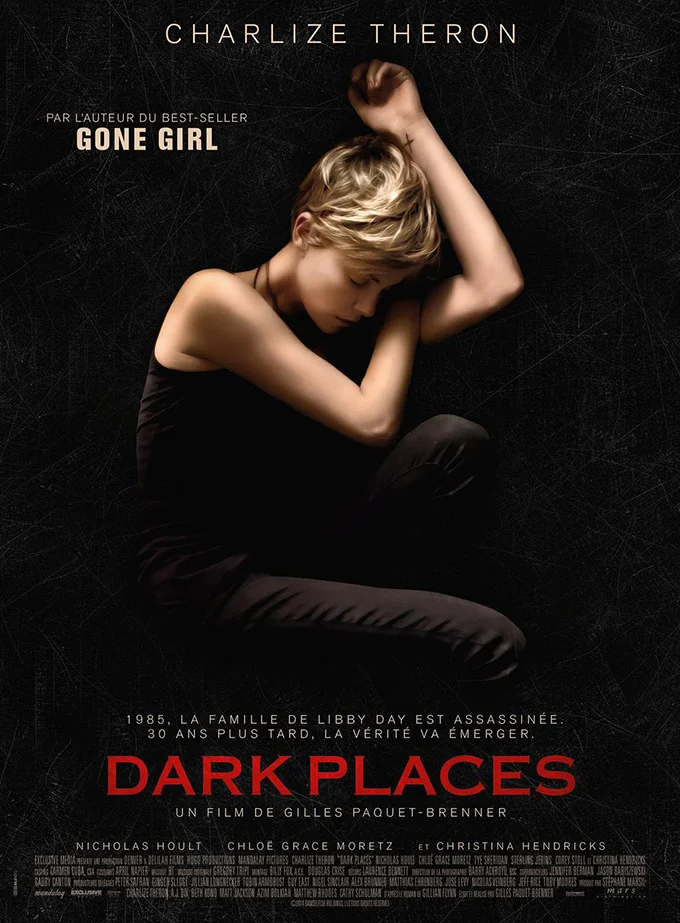
When a book becomes a movie there is always one main question: how will it compare? For Dark Places, there is a second, more challenging question: how does it compare to Gone Girl? Fans of Gillian Flynn have most likely read all three of the author’s spectacular books: Dark Places, Gone Girl and Sharp Objects. As an author, Flynn weaves tales of women facing a grim (often self-imposed) challenge. There are consistent themes throughout all three of her novels, creating quite the challenge for turning these books into movies, especially with Gone Girl’s critical success.
Dark Places is intentionally disorienting as the pieces of Libby Day’s past and present are brought to screen. Between grainy flashbacks, we meet current day Libby as she grapples with a dismal financial future. We learn that she has been living off donations from strangers who want to show their support after the gruesome murder of her mother and two sisters. Libby and her brother Ben survived that night — although Ben has spent many years locked away after being charged with the murders. Faced with a shrinking bank account (and no job to speak of) Libby turns to the Kill Club, a gathering of murder super fans, who are willing to shell out $500 bucks for her to make an appearance at their latest gathering. Much to Libby’s dismay, the Kill Club is not just a group of fans, they are vigilantes — hoping to prove that her brother Ben was wrongly accused of the murders. Libby’s financial motivation, coupled with the persistence of the Kill Club, get the story going and takes the audience back and forth in order to figure out who really killed the Day family.
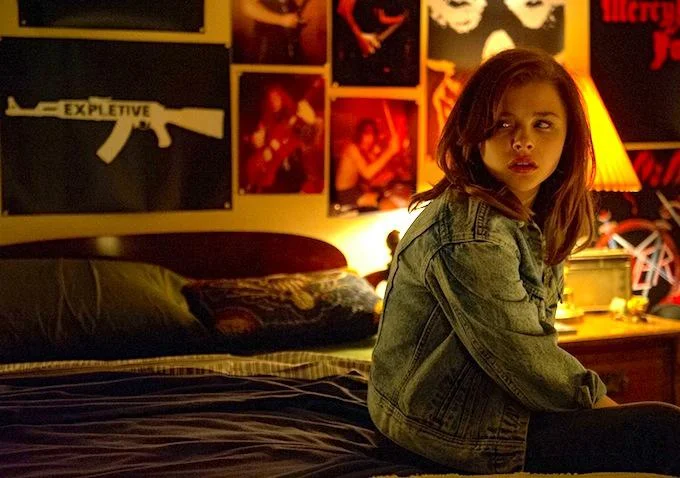
There is no doubt about it, the cast for Dark Places is stacked. Libby’s mother is played by Mad Men’s Christina Hendricks, the treasurer of the Kill Club is played by X-Men’s Nicholas Hoult and Drea de Matteo even makes an appearance as old classmate turned stripper. By and far, the most notable performance is delivered by Chloe Grace Moretz, who plays a teenage love interest of Ben’s. Moretz is a fiery scene stealer and this reviewer wishes the whole film was based around her character, Diondra. Charlize Theron plays present day Libby Day and delivers a “dark” performance, but at times she simply tries too hard. Moretz pulls off enigmatic Diondra naturally, in a rather frightening way.
Although Dark Places sprang from the same mind of Gone Girl, the two films simply do not compare. While Gone Girl takes on Flynn’s twisted tale with a cool and crisp approach, Dark Places feels clunky and all too aware of its purpose. Director Gilles Paquet-Brenner’s jerky camera movements and approach to the film’s major themes feel forced, put in as part of a checklist rather than as an artistic statement. Separating it from its Gone Girl counterpart, Dark Places does function as a somewhat thrilling, more decadent episode of Law and Order: SVU, which is always worth a watch.
Rating: B-