
"Studio 54" Review
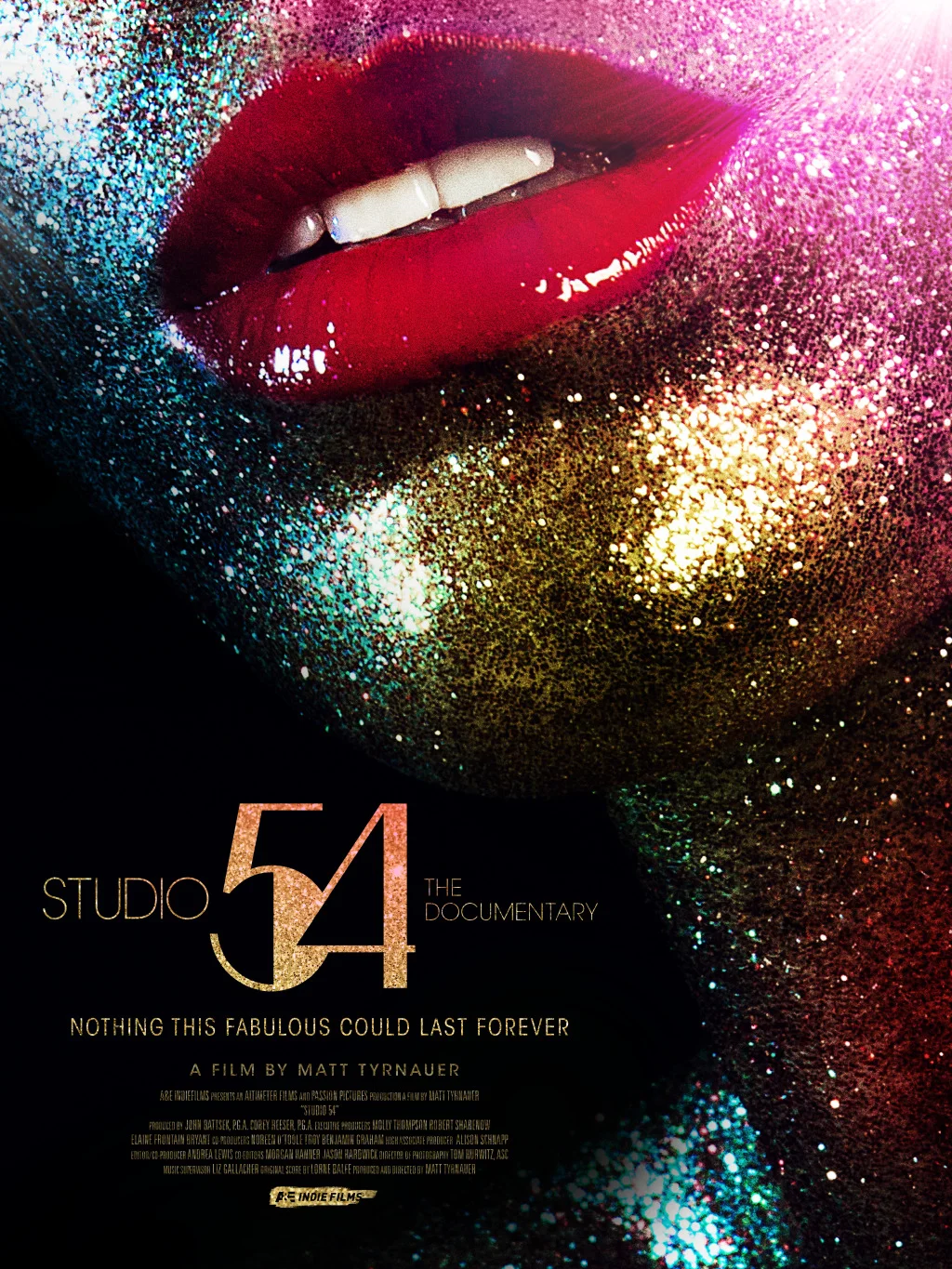
Studio 54 is the new documentary that takes a look at the famous New York City nightclub, or infamous, depending on how you look at it. From director Matt Tyrnauer, who’s past documentaries include 2008’s Valentino: The Last Emperor and 2017’s Scotty and the Secret History of Hollywood, Studio 54 is an entertaining look at a club that, if you could somehow get in, would transport you to a different world. This is a nightclub that quickly rose to the heavens, only for it to come crashing back down to earth. The doc succeeds in letting the owners tell the story themselves, giving the viewer the inside look at the impact Studio 54 had on everyone involved.
In the late 70s, college friends Ian Schrager and Steve Rubell opened up a nightclub on West 54th Street in NYC. At the time, it was considered by many to be one of the sleaziest blocks in town, due to it being rundown and a place you wouldn’t want to be at night. Taking over the building that used to be where CBS Television produced some of their hit shows, Schrager and Rubell created what they called the “ultimate club” and paradise. An overnight success that went beyond their wildest dreams, this became the hottest ticket in town for close to three years, where celebrities frequently attended. But like the story of Icarus, Schrager and Rubell flew too close to the sun, and after awhile, especially after comments made by Rubell that only the Mafia made more money than them, the IRS and the feds started knocking on their doors.
For the most part, Tyrnauer does a good job in balancing the documentary. While the nightclub is the main meat of the story, Tyrnauer wraps it around what’s essentially a biography on both Schrager and Rubell by covering how they met in college, decided to be business partners, why they decided to create Studio 54, and so forth. In a sense, they were perfect for each other. I think it was wise that Schrager waited until enough time has past so that he could properly reflect and tell his side of what went down. Like this summer’s Won’t You Be My Neighbor?, Rubell speaks through archival footage so that we hear from him also (Rubell sadly died from AIDS complications in 1989). Another neat effect that Tyrnauer and his editor employ is that we see a photo of a surviving member of the nightclub which transitions to them in present day giving their side as well.

Studio 54 was basically a social experiment, ahead of its time in its inclusivity of the LGBTQ community. If the outside world shunned you, once you came inside Studio 54, it felt like home and no one cared about what you were as long as you were having a good time. The doc makes good use of old footage, from photographs to never before seen footage inside the nightclub it gives us a sense of what it was like to be there. Using news footage and interviews as well, including where Michael Jackson crashes an in progress interview with Rubell, is quite fascinating to see. For a 98-minute documentary, the pacing is good in that there’s never a dull moment within the film.
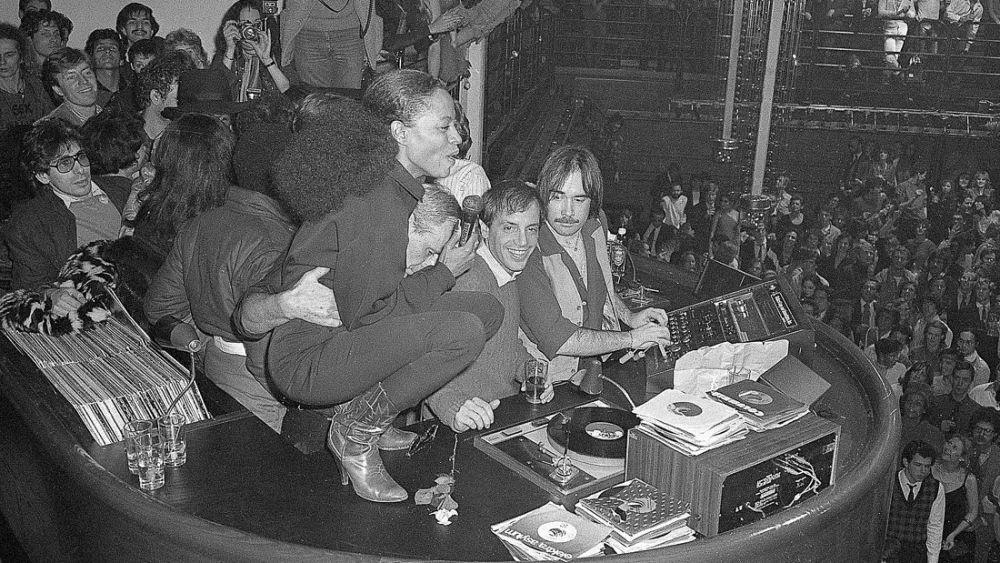
I think my biggest complaint about this documentary is that since the club was infamous in certain aspects, it somewhat skims the surfaces of how hedonistic and crazy it was to be inside the club. If you managed to get in in the first place, there are the wild tales of drugs floating around, hooking up inside, or having physical relations with someone you just met. They briefly discuss it, but it never dives deep into those areas. I also wished that they got more of the celebrities who attended Studio 54 to tell about their experiences within the club, since it was a popular hotspot for them. There are a lot of different avenues that this documentary could have taken, but it makes me wonder if they chose this route to get Schrager on-board to finally open up. One of the best moments of the film involves the prosecutor telling his side of the story after searching for evidence after Studio 54 was raided, and then the manager of Studio 54 tells it from his perspective. The juxtaposition was beautiful, and I wished that there were more moments sprinkled into the documentary where we see a back and forth like that.
Overall, if you’re looking for a more in-depth, critical look, you should probably look someplace else. From a documentary standpoint, while I wished that Studio 54 delved deeper in more aspects, the parts that Tyrnauer does treat us to are quite interesting and does provide some nice insight into it all. Even showing us how Schrager changed his life for the better (he was pardoned last January by President Obama). So in a way, it’s more of a celebration about what the nightclub was to everyone. If you’re in the mood to watch a good doc, I would suggest checking this out sometime.
Rating: B

"Love, Gilda" Review

Love, Gilda is not only a wonderful documentary but also an experience; you’ll laugh, you’ll cry, and the film will make you think. Love, Gilda is a powerful inside look into the late actress and comedian Gilda Radner. Directed by Lisa Dapolito, the film examines the comedy scene from the 1970s and 80s and how Gilda influenced it as one of the first female comedians on Saturday Night Live (SNL). She certainly didn’t peg herself as a feminist, however, by being the only woman doing what she was doing, she inherently became a feminist icon. During that time she often was put in typical roles only reserved for women, yet she didn’t complain and she conquered those roles with grace. After a while, she started creating roles for herself and other women, thus expanding opportunities for other female comics to express themselves in unique ways.
Not only did other women appreciate Gilda for her strong personality and talented acting, but male comics saw her potential as well and assisted in getting her where she was in her career. The film highlights how much influence Gilda had over these very talented comedians who are still actively working today. Many talented actors are interviewed about Gilda’s life and their relationships with Gilda such as Chevy Chase, Bill Murray, and Dan Aykroyd, just to name a few. The film goes deep into Gilda’s personal relationships, her struggles with her health and weight, as well as her family life. The film does a wonderful job exposing the human side of an iconic actress that the general public has never seen before; It truly uncovers a world that most people don’t often get to be a part of.
Alongside having a strong influence on talented male actors, Gilda had influence over female comics that are currently on the scene today. The film interviews female SNL successors to Gilda, and they discuss in depth how she paved the way for their comedy careers without even knowing it. Love, Gilda is calculated and thoughtful in who they chose to interview for this documentary; Amy Poehler, Maya Rudolph, Cecily Strong and Melissa McCarthy read emotional, old letters Gilda wrote to convey her experiences as a woman in comedy. These actresses even comment on how much of an honor it is to have be able to read Gilda’s handwritten letters within the film.
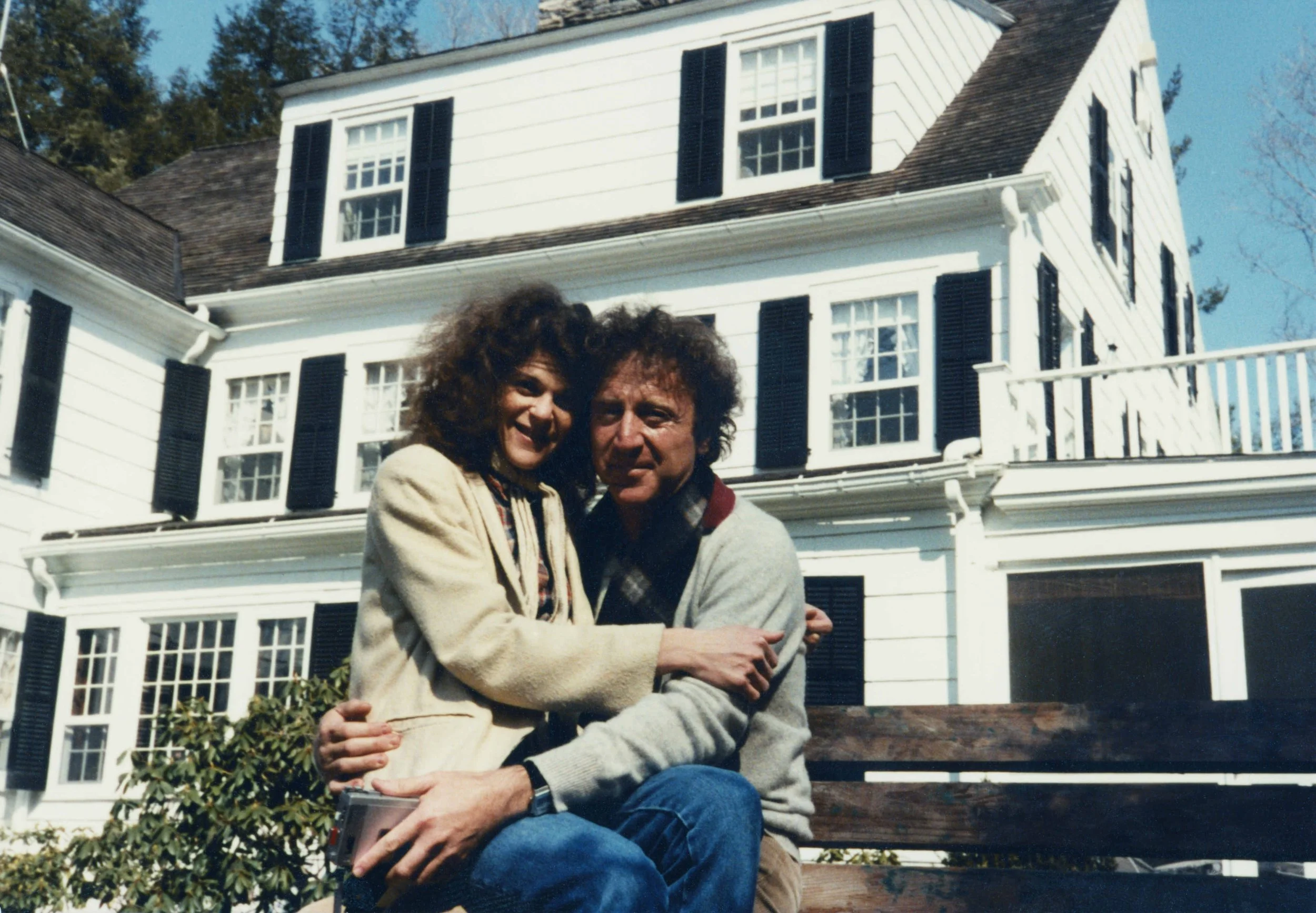
This film is a tribute to American comedy and what goes into it; it exposes a great deal of the comedy scene in both positive and negative ways and shows how hard Gilda worked to get where she was in her career. Lorne Michaels discusses Gilda with such content and talks about how she was dearly missed after she left SNL but understands why she did. One especially touching addition to the film is the archival footage that is incorporated (her brother provided a lot of the home videos). The archival footage and audio of Gilda shows her personality in a beautiful way; if you don’t know who she is before you watch the film, you’ll fall in love with her by the end of it. Her spirit is captured in such a considerate way, you can’t help but cry. This is a side of comedy that is often overlooked, comedians are not viewed as human, and their pain isn’t often exposed until it is too late (note: comedians have the highest suicide rate of any profession). Gilda was by no means suicidal, however she did struggle with depression which affected her health in many ways, and it is so important to discuss those types of struggles when talking about comedy; the film contemplates this in a meaningful way.
Love, Gilda is a piece of history that shows how far we have come in comedy and the roles of female actors. It really hasn’t been that long since women were only allowed to play roles “reserved for women”. Even though Gilda passed away from ovarian cancer at such a young age, this documentary proves that she has had an important influence for years, and she still has influence today. If you want to learn about self love, I highly recommend this film; Gilda taught people that its okay to be your genuine self, and that even when you’re incredibly famous, you’re still just like everyone else.
Rating: A

"Kusama-Infinity" Review

Anyone with access to the internet over the last decade or so has seen the work of Yayoi Kusama. The 89-year-old Japanese artist's paintings, soft sculptures, and mirrored infinity rooms have captivated audiences around the globe. But this was not always the case; Kusama's long life as a creative has been fraught with pitfalls and setbacks; yet, the artist has pushed through adversity to become one of the most successful artists in the world. Filmmaker Heather Lenz's debut feature tells the story of the woman behind the art and provides a conventional look at the life of Kusama.
Growing up in post-war Japan, Yayoi Kusama decided to become an artist after a hallucinatory experience in a field of flowers. Kusama set off for New York, where she found herself fighting against a white male-dominated art scene that sought to both oppress and appropriate her work. Nonetheless, Kusama carried on, staging transgressive performances against the Vietnam War, upending the Venice Biennale, and expanding beyond the gallery into the worlds of film and fashion. The artist's career was filled with ups and downs, none of which kept her from creating her instantly recognizable work.

The abstract nature of Kusama's work contrasts with the way Lenz chooses to tell her story, which could be seen as both beneficial and harmful. Infinity is told in a very straightforward fashion that’s familiar to fans of documentary film. The film moves from event to event in Kusama's life throughout the short 76-minute runtime. It often treats what seem like pivotal events in the timeline as mere asides as it plunges towards the present. It doesn't help that these events are almost entirely dictated by a stream of art critics, museum curators, and professors, all of whom tell us what Kusama was feeling at the time. The artist herself appears briefly throughout the film but she rarely tells her own story. This may be due to the artist's reclusive nature but, nonetheless, it takes away from the overall narrative.
This story is an important one, touching upon many issues that still haunt the art world as well as society at large. While not breaking any new ground in regards to contemporary documentary filmmaking, Kusama-Infinity presents a clear overview of the artist's life- those interested in the story behind her work should see this film.
Rating: B

"A Prayer Before Dawn" Review
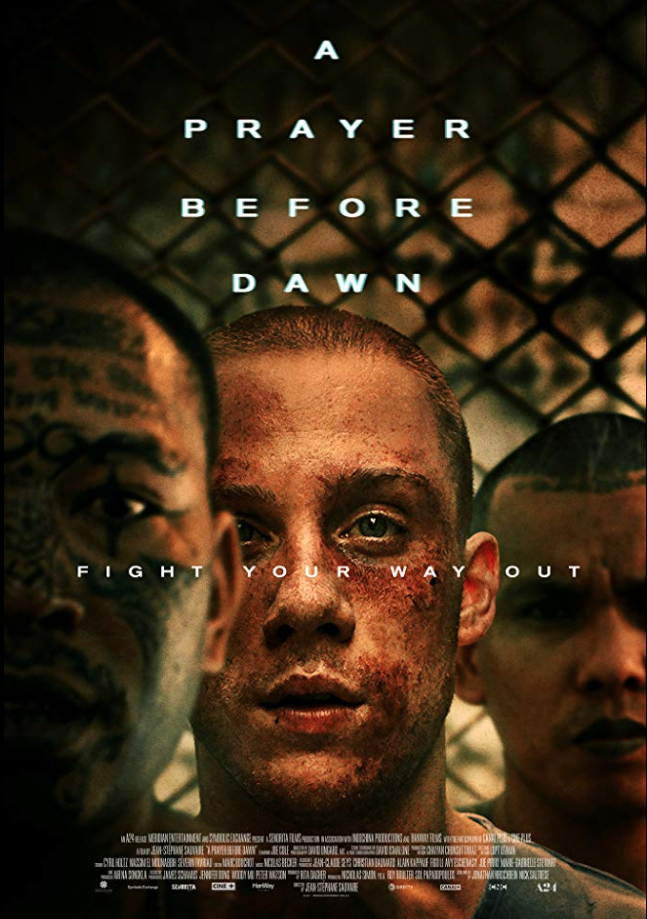
The history and evolution of film as an art form can be marked by the inventions and innovations of the past. Sync-sound ushered in a focus on dialogue and sound, CGI allowed for the expansion of the set beyond the limits of reality, and VR is posed to immerse audiences within content in whole new ways. These inventions often feel like an integral part of contemporary cinema, but sometimes a film comes along that says to hell with it all and trims the fat away; choosing to focus on what made cinema amazing in the first place-a moving image on a screen. Jean-Stephen Sauvaire’s A Prayer Before Dawn is one such film, and one of the most gripping, visceral pieces of visual storytelling to hit theaters this yearr.
The film, based on the memoir of the same name, follows Billy Moore (Joe Cole), a methamphetamine addicted British national who finds himself fighting for survival in a maximum security Thai prison after the law catches up to his various criminal dealings. Forced to deal with gang warfare, a serious language barrier, and his drug addiction, Billy eventually joins the prison boxing team, but his new focus on fighting in sanctioned inter-prison tournaments may only offer a limited reprieve from the danger of prison life.
Filmed in a real decommissioned Thai prison and mostly populated with current and ex-convicts, the world of Dawn is an extremely brutal one. The camera exaggerates the cramped and crowded cell blocks, often isolating characters through bars or crowds of other inmates. Every-and I mean every-dark plot point related to prison life is shown in stark, unflinching detail. Dialogue is sparse, and is mainly delivered in unsubtitled Thai by Billy’s fellow inmates, creating an extreme feeling of disconnect while allowing the power of Sauvaire’s visuals to shine through. This barebones form of storytelling does require the viewer to maintain strong focus, as it could be very easy to miss key story points here. In a way the film uses this to force you to watch the horrors of the prison, lest one miss a necessary piece of the plot.
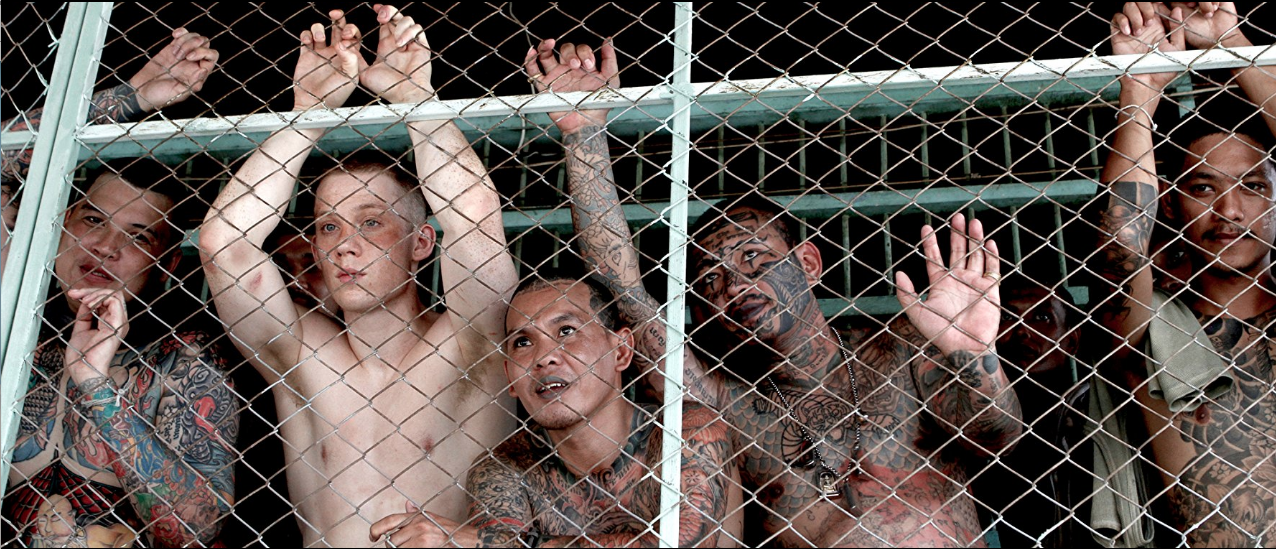
Although the film mainly focuses on its visual elements, we do get some sound based storytelling cues. These mainly come in the form of noise coming from outside the prison walls, reminding us and the characters inside that the world exists and is moving on without them. The general sound design is fantastic, especially during the fight sequences presented later in the film. Claustrophobic in-ring camera moves are coupled with the roar of the crowds, the hard smacks of the fighter’s blows, and traditional muay thai fight music, adding to the chaos pictured on screen.
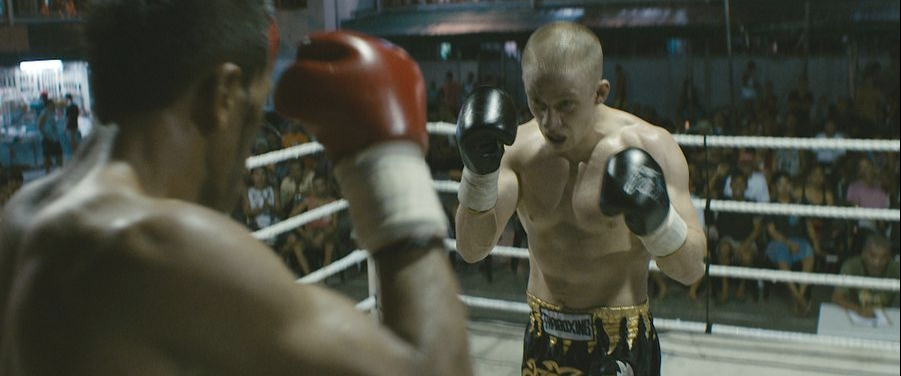
There has been positive press regarding Joe Cole’s portrayal of Billy Moore since the film’s premiere at Cannes last year, and I certainly agree with the positive press he has received. Cole exudes both strength and fear consistently throughout the film, adding to the feeling of uncertainty thrust upon the viewer. Praise should also be given to Cole’s costars: the Thai prisoners who draw on their previous experiences and knowledge to great effect. Dawn never feels like a film largely populated by non-actors.
As far as biopics go, A Prayer Before Dawn seems to only provide a glimpse into the experience of the real life Billy Moore, and quickly glosses over plot points other films may chose to focus on. It’s never really explained what exactly Moore was doing in Thailand, what his history with boxing was, and why he was estranged from his family (a point that is brought up multiple times, but never really explored). The small subplot of Moore’s relationship with a trans inmate (Pornchanok Mabklang) offers a slight break from the chaos, but ultimately serves as more of an aside than actual story beat.
Despite the vague nature of the plot I’m not sure if the muted story beats are a serious negative. This glimpse into Moore’s time in prison left me wanting to learn more about the real story, and I found myself ordering a copy of the source material after viewing Dawn.

Nonetheless, the film straddles the line between arthouse and grindhouse wonderfully, and I’m excited to see what the cast and crew do next.
A Prayer Before Dawn is currently playing in select theaters across the United States, and is available to rent on a number of online platforms.
Rating: A-

Maryland Film Festival '18: "Charm City" Review
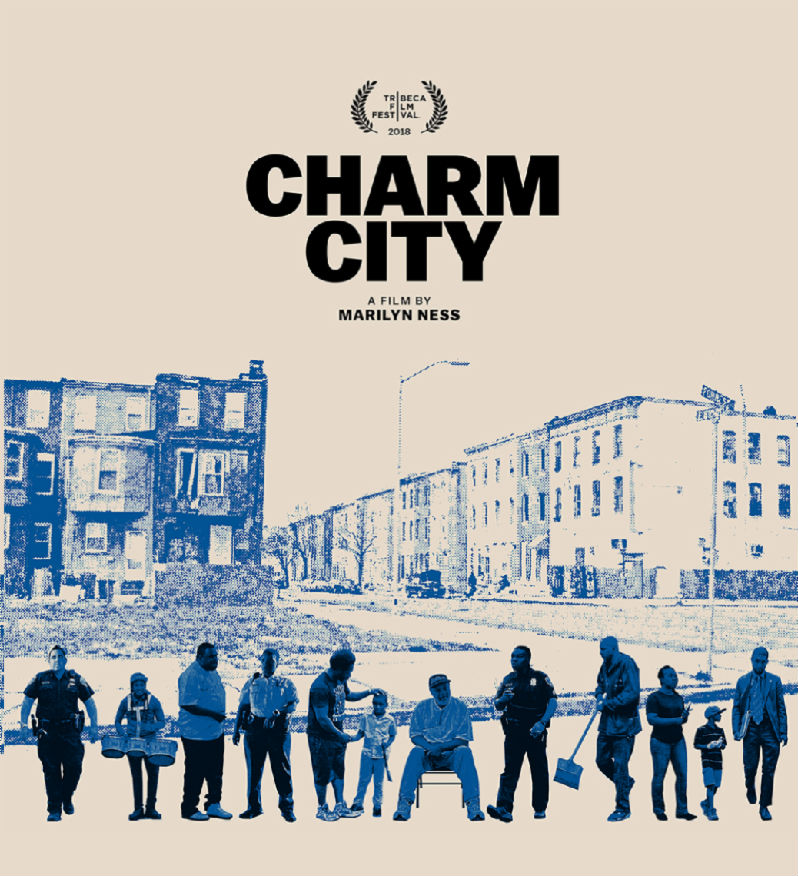
When you hear names like Freddie Gray and Michael Brown you immediately think of their respective cities: Baltimore, Maryland and Ferguson, Missouri. The lives of its community members are usually depicted via news footage, twitter images, or Facebook streams during the cities’ peaceful protests or outbreaks of violence. But what do these cities look like from day to day? Charm City aims to show two sides to the same story of how Baltimore deals with its’ violence in a heart-wrenching look at a city in crisis.
Baltimore filmmaker and award winning director Marilyn Ness spent three years in the Rose Street area of East Baltimore. The opening scene of the documentary sets the tone and pace for the rest of the film. As one of the doc’s main characters, Mr. C., a former corrections officer, talks with residents about the latest act of violence that has brought the police to their block in the middle of the night. Ness’s camera rests in the scene and editor Don Bernier gives us long takes of shots that won’t move on to the next like our brain wants it to. The result, is a feeling of actually being there. This is what a late night/early morning looks like for these residents. It’s reality, and reality isn’t roses.
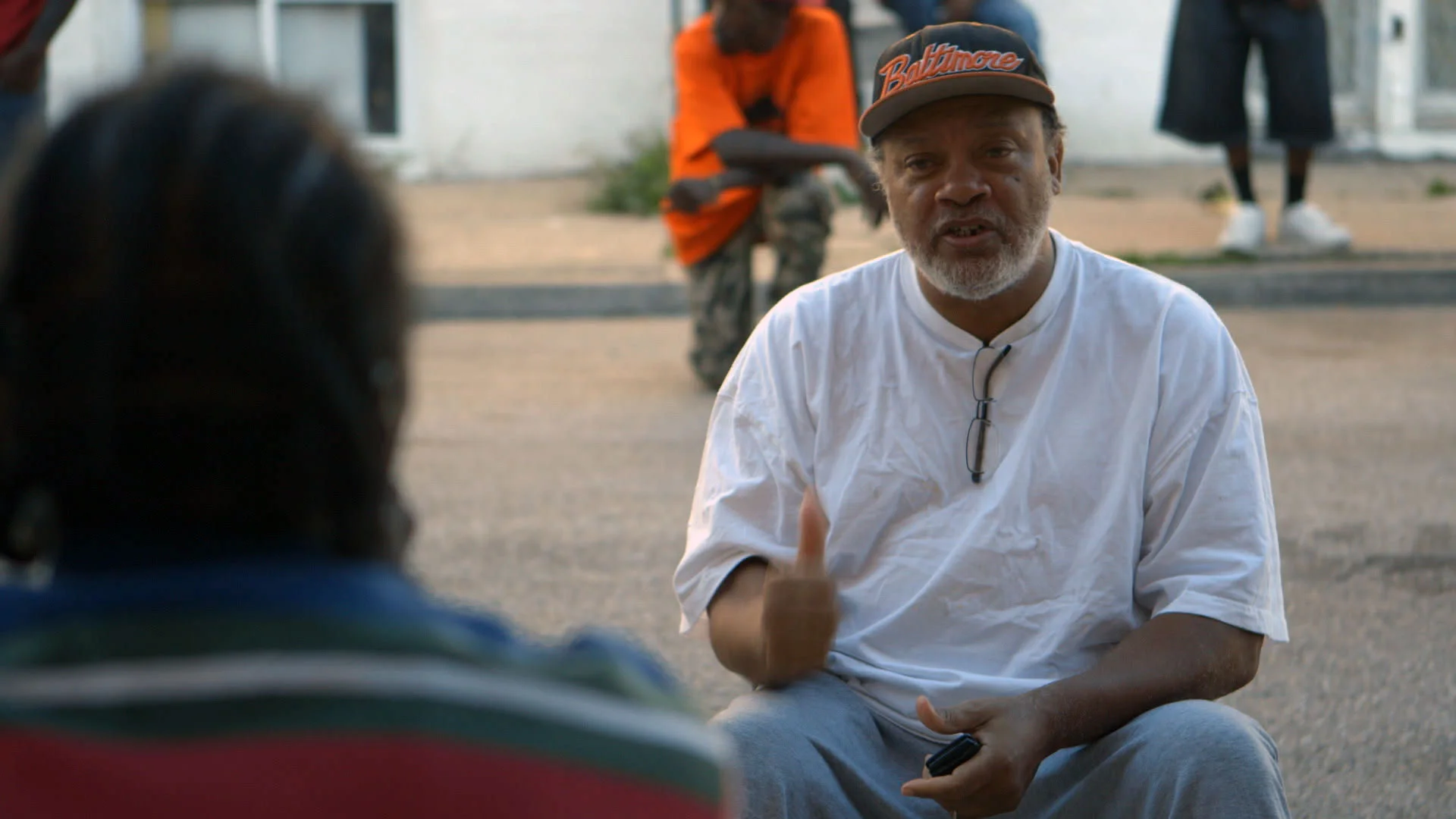
Mr. C leads the Rose Street Community Center. He is the heart of the community, hosting morning meetings that begin with a strong “good morning” that he expects to hear returned in the same way. He gives direction to the residents who participate in the Safe Streets initiative in which they clean the alleys and streets of Baltimore. Mr. C gives bus fare, acts as a male mentor, and distributes job opportunity information to those who need it. This is the way he combats the violence in the streets.
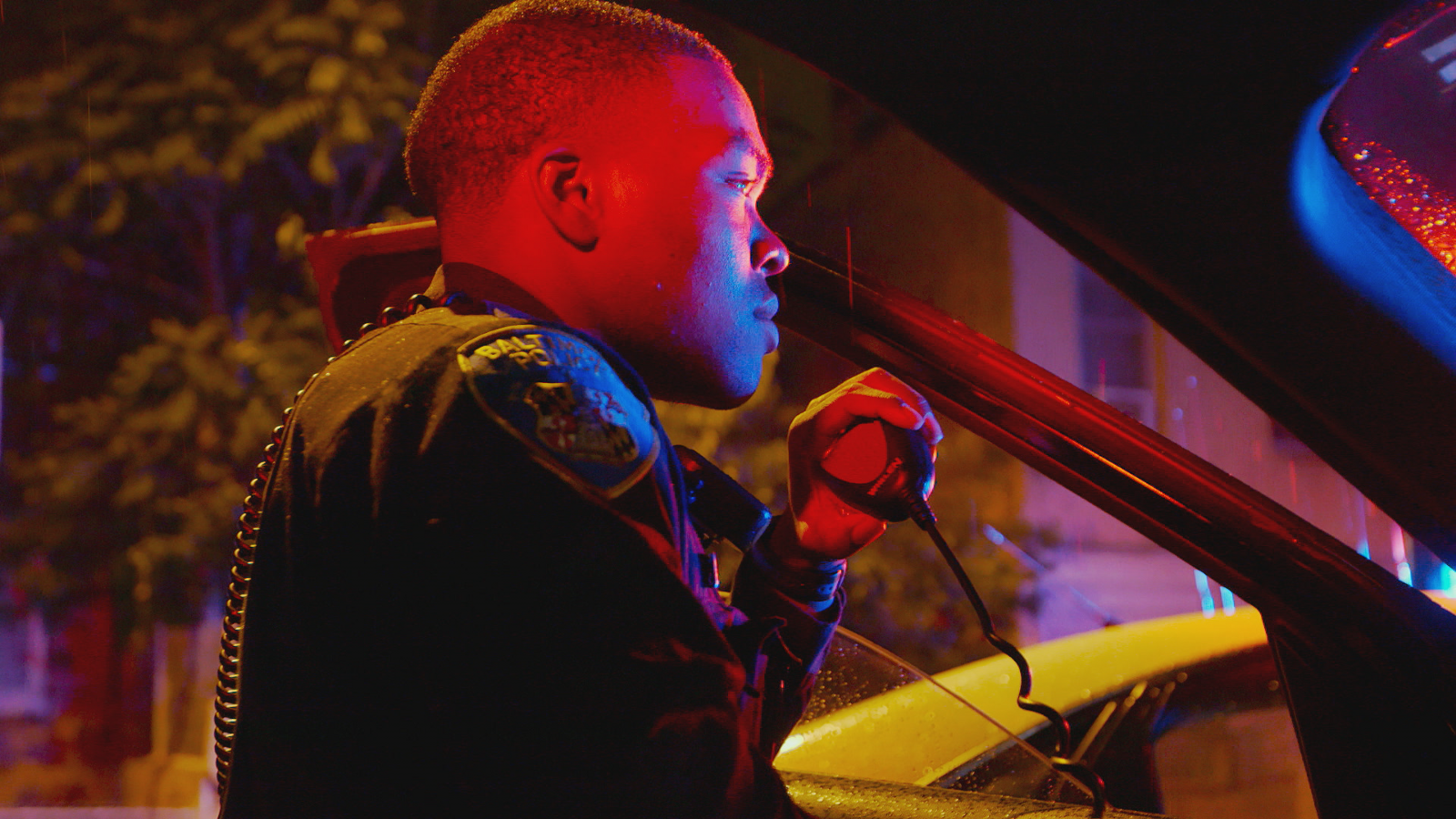
In the same way, we’re embedded in the police department with a variety of officers. We ride with officer Eric Winston as he answers calls. Again, the editing of these calls is sublime as we see Officer Winston respond to a call as humorously simple as an older woman trying to figure out how to block a woman that her husband of 27 years has been communicating with on Facebook, to a serious shooting that interrupts a stop he’s in the midst of that we hear on camera. The viewer feels embedded in a way that’s not like the old Cops TV show we used to watch. That show gave us wide shots during many scenes in order to “not miss anything”. Here, cameramen Andre Lambertson and John Benam direct our eyes to universal moments. Officer Winston’s hand riding the air out of an open window, the unnatural look of a face hit by flashing police lights, or the glimpse of an old man on the street as the police car moves past. By being integrated in such a way that can feel mundane at times, we get a real sense of the stress that officers feel as they try to protect and serve the nearly 620,000 people of Baltimore.
If you’re looking for a formal three act story, you won’t find it in this film. Instead it builds by giving us the day to day look at those involved. We attend a funeral of a young man, in a small church. His father gives an impassioned speech near his deceased son claiming “we ain’t afraid to die, we afraid to live!” It’s this statement and other’s like “there’s too much policing but not enough justice” from Alex Long, one of the Safe Streets leaders, that give us the feeling of life as a resident in this area of Baltimore. Charm City gives us the faces of wariness, hopelessness, and despair from violence. Yet, somewhere in it’s run time a resilient hope continues to pop up on both sides of city officials and residents.
If the film meanders without a predictable structure, it wraps with a moment that keen film lovers may have seen foreshadowed, as the painful sting of life on Rose Street hits home. It’s in this moment that the film gives another glimmer of hope in a difficult world. It gives the viewer tremendous respect for the subjects of the film, because as I watched the movie, I kept asking myself questions like “why do some people have it so hard?”, “why am I still watching this depressing film?”, “why can’t officials help the people?” and more. Charm City answers simply: whether you want to close your eyes and shut your ears to what you’ve seen and heard or not, this is life for us, we make the most of it and we’re going to do our best to beat the odds with or without you.
Rating: B+

Tribeca Film Festival '18: "Bad Peter" Review

Bad Peter is the beginning of a good Black Mirror episode. Directed by Zach Strauss, it’s a slice of life look at what AI capabilities could become in the future. While the Big Brother concept isn’t new, the characterization of Strauss’s characters is what makes it an intriguing peak in.
Rachel (Frankie Shaw) is an expectant mother. Her day is regimented by a personal automated assistant. Peter is a white rectangular boxed speaker with a glowing red light that lights up like Siri or Alexa when it speaks. At first glance, Rachel follows Peter’s suggestions as a way to optimal health for her and the baby. As the film moves forward, Shaw’s performance amps up from happy and relaxed to a stressed and upset mother-to-be in a beautifully revealing way.
Simplicity is key in this film. Cinematographer Noah Greenberg gives the film a bright, clean and sterile look. Susie Mancini’s production design gives the single mother’s home a somewhat rustic and meager look. These elements enhance the viewer’s draw into the story of what eventually makes a dark turn.
Well crafted and directed by Strauss, the film’s noteworthy theme is the intersection of the justice system and artificial intelligence. It’s a future that could indeed be around the corner. Definitely worth checking out!

Tribeca Film Festival '17: "Dear Basketball" Review

Photo courtesy of Tribeca Film Festival
Some stories can’t be filmed and told as artistically as an animation can. “Dear Basketball” is a top notch example of that. The recently retired, world famous, Kobe Bryant pours out his heart to the game in this short animated film. Within six minutes, the film encapsulates a life time of achievement on an intimate level that a documentary might not have captured in the same way.
Glen Keane’s visually stunning animations swirl and dance on the screen. They take us from the little boy who shot hoops in his room as a child using his father’s rolled up socks as a ball, to the phenom on NBA courts. Add to that, the music of the legendary John Williams to score the short and you have something magical.
Take away the glitz and glamour of who the main character is and even the moving score, and you’re still left with a universal story. We all start out as a kid with a dream. That’s the story of “Dear Basketball”, and a beautiful reminder that with hard work and opportunity you can achieve your dream too!
Make sure you catch it: https://tribecafilm.com/filmguide/dear-basketball-2017

Tribeca Film Festival '17: "Big City" Review
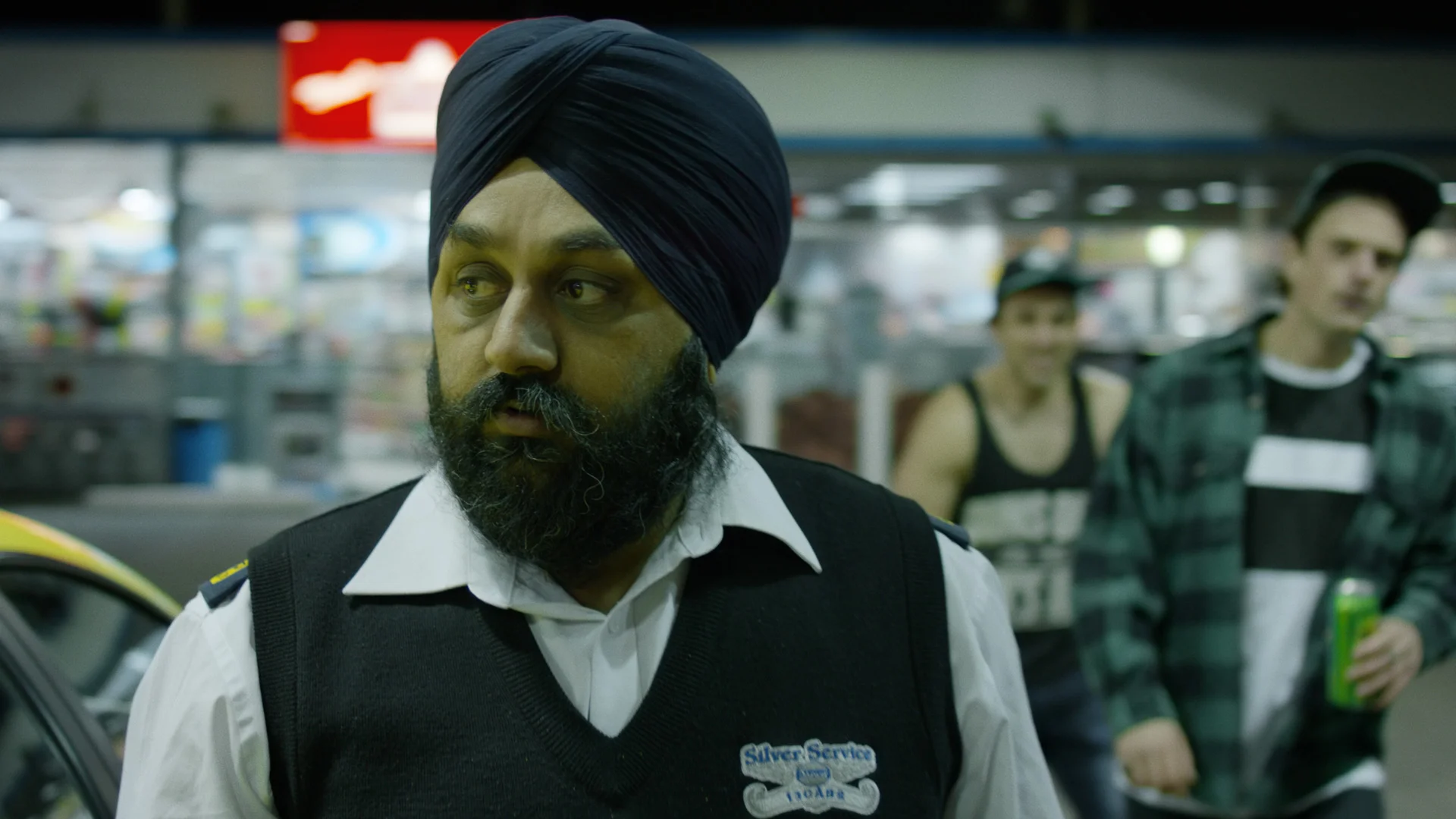
Photo courtesy of Tribeca Film Festival
If Tom Cruise’s Vincent were a nice guy in 2004’s "Collateral", then directors Jordan Bond and Lachlan Ryan’s “Big City” could possibly be the short version of the film (minus guns and shootouts). Vijay (Gurvinder Singh Atwal) is a lonely taxi driver working the streets of Melbourne, Australia at night. After picking up Chris (Chris Fortuna), a seemingly good-hearted drunk, a friendship grows.
The short is a good exercise in establishing characters quickly and tapping into the universal pain and humor in life. Whether exploring Vijay’s ridicule as a minority in Melbourne, or playing a harmless joke on a would-be rider, the film has its’ heartfelt moments. The cinematography of the film really draws you into the city night life, which helps to amplify the film’s morning after conclusion.
There are a few moments in the short that feel a little forced, perhaps due to Atwal’s performance. However, the message of true human connection and the lack there of is certainly felt. Check it out if you have time!
https://tribecafilm.com/filmguide/big-city-2017

"Dream, Girl" Review: A Must See For All Genders
What does a business leader look like? More than likely your first thought isn’t of a woman. Dream, Girl is here to change that! The documentary introduces its viewer to a diverse group of go-getter entrepreneurs who happen to be women.
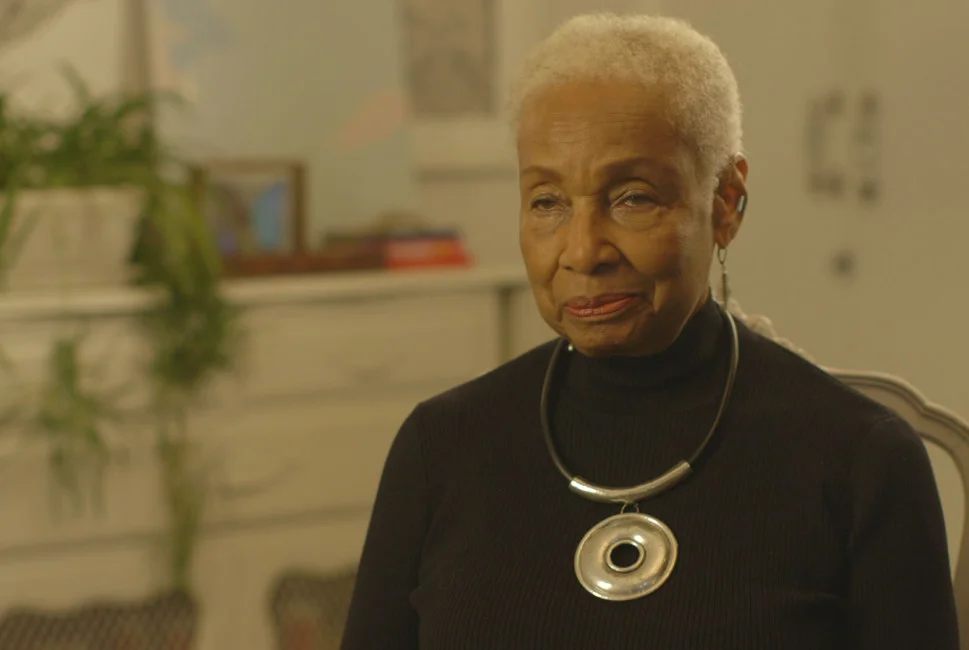
We all need to see images of ourselves, no matter what color, gender, religion, etc., in positive roles. Dream, Girl gives a snapshot of women who are able to rock numerous roles while wearing the boss hat in style. Bosses like Co-Founder and Co-President of Senvol, Annie Wang, and Mariama Camara, Co-founder of There Is No Limit Foundation, shine light on industry leaders in engineering and humanitarian efforts. Sure to be a favorite is Clara Villarosa. She’s 83 years young and running her third business, Villarosa Media, with enough enthusiasm and spark to inspire any viewer.
Where the documentary succeeds is in its effort to portray an honest depiction of the women showcased in the film. While the film has a clear message, each woman is candid and willing to share the ups, downs and everything in between of being a woman in business. From the successes they’ve achieved in building multi-million dollar businesses and growing their family, to experiencing self-doubt, being talked past in business meetings or harassed, the documentary allows its subjects to put it all on the table which in turn creates a resounding authenticity and relatability that's inspirational.

The backstory behind the film is an inspirational story in itself. Directed by Erin Bagwell, founder of Feminist Wednesday, the film was launched after a successful Kickstarter campaign rose over $100,000 to produce the movie, her first feature. So the film is personal and infused with passion in just the right kind of way.
While the pacing of the film is a little choppy at times, there is no question that Dream, Girl is an important film to watch, and for us to show our daughters and sons. The images the world sees of women matters, because those images help shape perception, which can become reality. The reality that women open 1,200 businesses a day should not be a surprise, but a statement, just like this film!
Rating: B+
Full Disclosure: I was a Kickstarter backer for the film, but this review, like all others, is my opinion and thoughts. I was not asked to write this by any representative of Dream, Girl.

Middleburg Film Festival '16: "The Eagle Huntress" Review
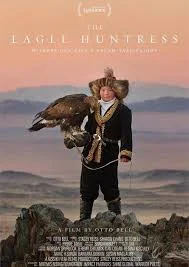
As children, we look up to our parents and are impacted by their example whether positive or negative. So why would it be alarming that 13 year old Aisholpan Nurgaiv would want to follow in her father’s footsteps as a hunter in Kazakh tradition? Perhaps because for centuries, the role of eagle hunter has been held by men. The new documentary, The Eagle Huntress, follows Aisholpan on her harrowing journey to buck tradition and make her family proud.
The film introduces us to the Nurgaiv family in the mountains of Mongolia. The tight knit family lives an isolated but busy life. We find Aisholpan on the cusp of getting her own golden eagle, the beautiful bird used to assist in hunting. The eagles aren’t just handed to hunters. Hunters have to scale the mountains to get eaglets at a time when they can’t yet fly in order to raise and train them. With the help of her father, she does, and it’s absolutely breathtaking!


Armed with her eagle, Aisholpan trains to compete in the annual eagle hunter festival. Traditionally an all male competition, eyes roll and heads turn as she rides in with her father. Yet that doesn’t stop Aisholpan. Perhaps her youth allows her to ignore her haters, or maybe it’s the insurmountable love and pride that her father instills in her. Whatever it is, Aisholpan is confident and unwavering in her quest to be an eagle hunter. Which gives us comical moments with the quick juxtaposition of the elders talking against her, and then being forced to eat humble pie quickly after.
Director Otto Bell uses his camera and drone technology to beautifully capture the unforgiving landscape, while telling an intimate story. This film could only be told now. Using his life savings to help fund the film, drone footage gives us beautiful aerials while mountable cameras allow us to see Aisholpan’s first person view as she scales the mountain to retrieve her eaglet. While the visuals and David vs. Goliath story is incredible, Bell never loses sight of the heart of the film. The relationship between Aisholpan and her father is a universal, tangible display of love.

While viewing The Eagle Huntress you’ll forget that you’re watching a documentary because it is so gorgeously shot that it looks more like a narrative feature. It has everything from action to comedy within the film and manages to keep a complex story simple. While Aisholpan is a heroine in her own right with the amazing feats she accomplishes, she’s also a teenage girl who likes to laugh with her friends at school. Honestly, that’s what makes her that much more awesome!
Rating: A
Check out my interview with director Otto Bell and the film's stars here:
http://picturelockshow.com/podcast/2016/11/11/picture-lock-radio-ep-26-alexandria-film-festival-the-killing-season-the-eagle-huntress
AFI Docs '16: "Life, Animated" Review
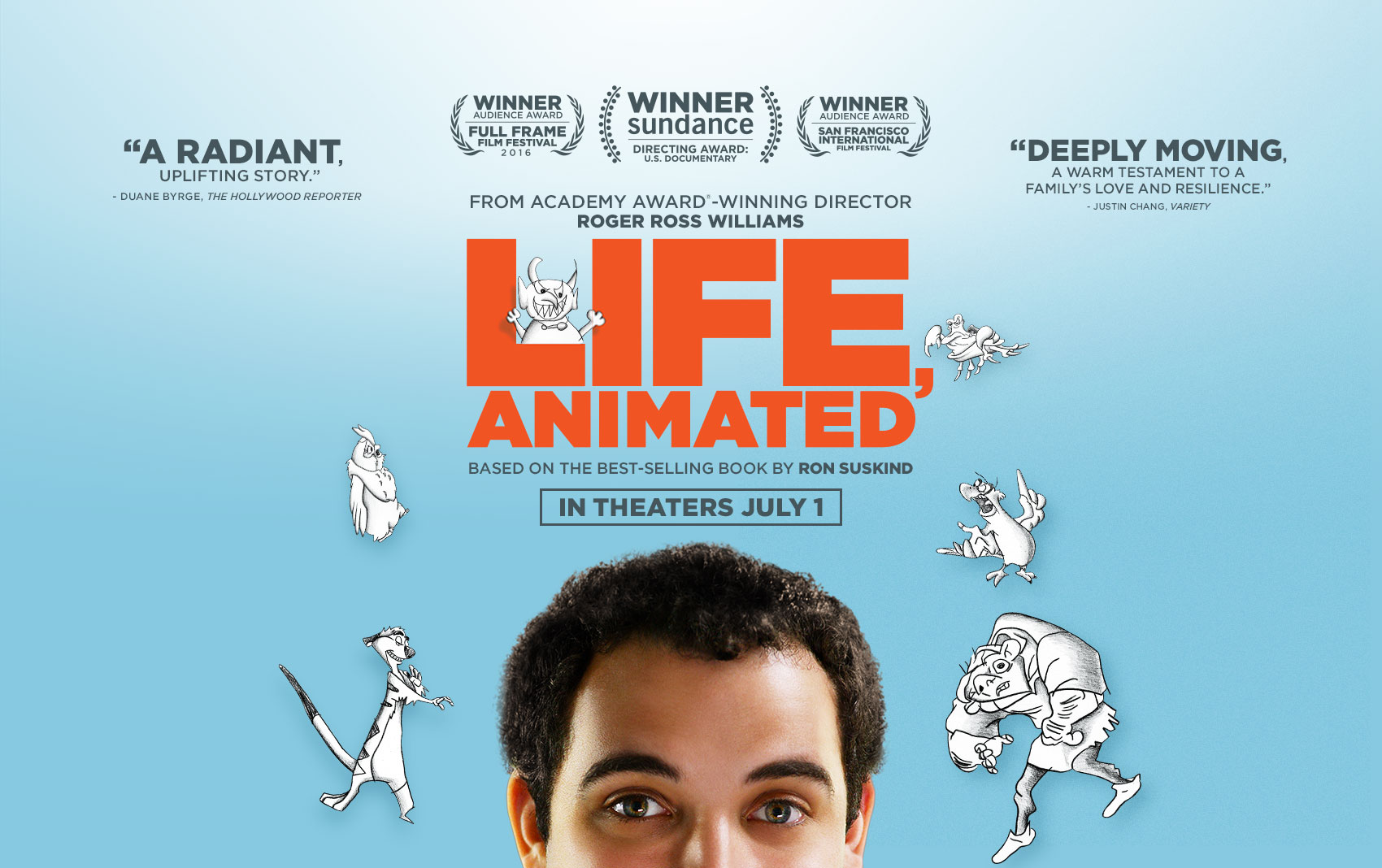
One of the many nightmares that a parent can have in regard to their child, is for them to disappear. At 3 years old, Owen Suskind did just that. He wasn’t kidnapped. Autism took control of his life and garbled the way he interpreted the world around him. Life, Animated tells the story of the Suskind family and how they used Disney animated movies to make sense of the world and communicate with each other.
After a year of silence, Owen’s father Ron, realized that Owen was saying lines from the Disney film Beauty and The Beast. It became clear that Owen was using the movies that he’d seen to make sense of the world around him. The family began to communicate with Owen using the movies, which never changed, to help Owen understand the ever changing world around him.
Switching between home videos and present day, we’re able to see Owen and his family grow older. We’re entrenched with the family as the recall coping and dealing with Owen’s regressive Autism through the years in moving stories that have animations to go along with them. At the present time, Owen is about to graduate from a program that will help him live independently. We’re able to witness Owen deal with his first big heartbreak and living on his own.
Throughout the film, independent studio Mac Guff beautifully animates commentary from the family and even Owen’s story that he created. The animation both illustrates their words and gives us a glimpse into Owen’s mind and cast of characters. Pete Horner does an excellent job of mixing the audio in the film as well. The cacophony of sound that clashes in Owen’s ears is demonstrated with the sound bed of the film and helps to draw us into Owen’s world even more.
One issue I had with the film is that while it seeks to help us understand Owen’s world with Autism, it misses on a big opportunity to educate the viewer on the Autistic world asa whole. The microscopic viewpoint of one family with an amazing connection to Disney animated films makes for an interesting hook in a documentary, but what about other families that aren’t as fortunate? It’s pretty obvious that the Suskind family is a tight knit clan filled with love, the awesome ability to put Owen in a special school when he was younger, and a program when we meet him presently in the film. Yet, my mind went to the families of other children with Autism that may not have the same opportunity.

Life, Animated is a solid documentary about the love of a family and perseverance of a young man with Autism. While some scenes seem stretched out for time, the feels are all throughout this film. Using Disney movies is not only a way to communicate amongst the Suskind family, but it’s just as easy to adapt and understand as a viewer of the film due to our own fondness of the animated classics.
Rating: B
"Daddy Don't Go" Review
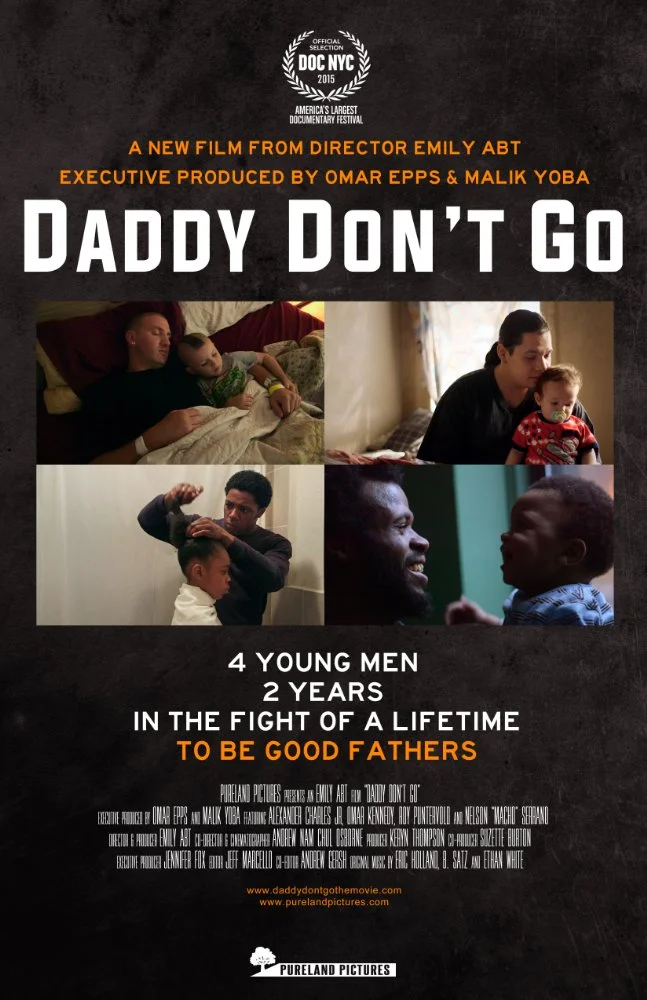
Film is a universal language, but before film was created, humans had love. It’s the original universal language. You automatically know it when you see it. When you combine the two, you can create a film like Daddy Don’t Go. It’s a movie that strives to address the urgent social issue of the link between fatherless homes, child poverty and incarceration, while saluting men who do their best to step up to the plate.
The film follows four fathers- Alex, Nelson, Roy and Omar- as they try to be present in their children’s lives despite certain socioeconomic hardships. Nelson is from the Bronx, and is a former Latin Kings gang member. He has a child with his girlfriend, Rebecca, and also serves as father to her other two children. Omar lives in the North Bronx and his severe learning disabilities affect his ability to find consistent work. The oldest of his three children, Milagros, is dealing with serious mental health issues that may stem genetically from Omar. Roy is an ex-con who lives with his parents in Long Island, raising his son amidst the on again off again presence of his son’s mother. Alex has sole custody of his 2-year-old son, Alex Jr. He’s trying to pass an automotive-training course to put himself in a position to earn more money, but a past assault charge has him in and out of court.
Producer/director Emily Abt takes viewers on an honest walk along in these four men’s shoes. It’s a fly on the wall look at these fathers in their situations with no handholding. When Roy can’t find work, we see what that means for him and his son. When Nelson loves Rebecca’s biological children like his own, we see what that looks like. When Alex goes to court, we see the judge come down on him (deservedly so) and how that affects him and his son. When Omar’s elementary aged daughter, Milagros, says “I want to kill myself”, we can’t help but feel distraught by the situation. Yet through all of it, we see each man’s love for his child(ren) rise to the occasion.
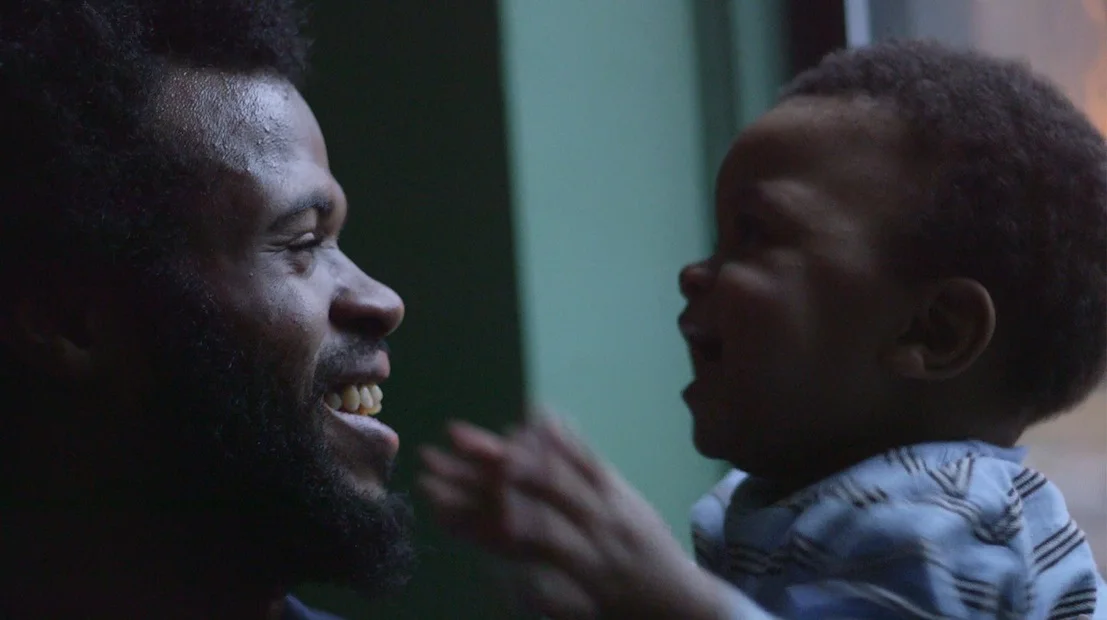
There in lies the beauty of this film. Even in spite of hardships, a father’s love can rise above it all. These fathers are in it to win with their children, and that is unmistakable. It can’t be denied, and it can’t be faked. Despite the difficulties, it’s a beautiful thing to see.
The editing and camerawork on this film is worth mentioning. While both categories have too many names to mention, their work is what helps the film soar. We slide in and out of each story smoothly, while never losing a sense of what’s happening. The camera always captures those moments that can only be displayed cinematically and told in cinematic language. Whether it’s a close up of handholding, or a mid-shot of an embrace; the film turns these everyday moments that we wish lasted a little longer into a wonderful, visual display of love.
Daddy Don’t Go will release nationwide this Father’s Day, June 19, 2016 on Vimeo. It’s certainly worth viewing! The statistics on the growing negative results of fatherless homes is alarming. The love generated from these men is certainly admirable!
Rating: B+


"Presenting Princess Shaw" Review

Presenting Princess Shaw is the feel good documentary of the year thus far in my book! It’s a film about two incredible artists sharing in each others dreams. One who has the strength to carry herself like the star as she pursues her dreams of becoming a singer, while all the chips seem to be against her. The other, a talented musician who mixes sounds from around the world via YouTube videos. The two artists, passionate about their craft, come together to make beautiful music, and an inspiring documentary.

Samantha Montgomery’s days consist of helping the elderly at the local nursing home. At night she sings wherever she can be heard. She also runs her own YouTube channel as Princess Shaw in which she sings, and shares her personal story of dealing with the sexual abuse she suffered as a child, hoping someone is listening. Little does she know that nearly 7,000 miles away someone is.
Ophir Kutiel, a musician out of Israel who goes by the name of Kutiman, has made a name for himself in the world of fine art by mashing up amateur YouTube videos. He finds Princess Shaw’s videos and starts putting together a hit! When you see how he does it, you have to respect the time it takes to construct each song, and the vision to hear the final product made from Frakensteined videos. When asked, Kutiman says heplans to put the video out online, and let the people who hear it be the ones that notify Shaw.
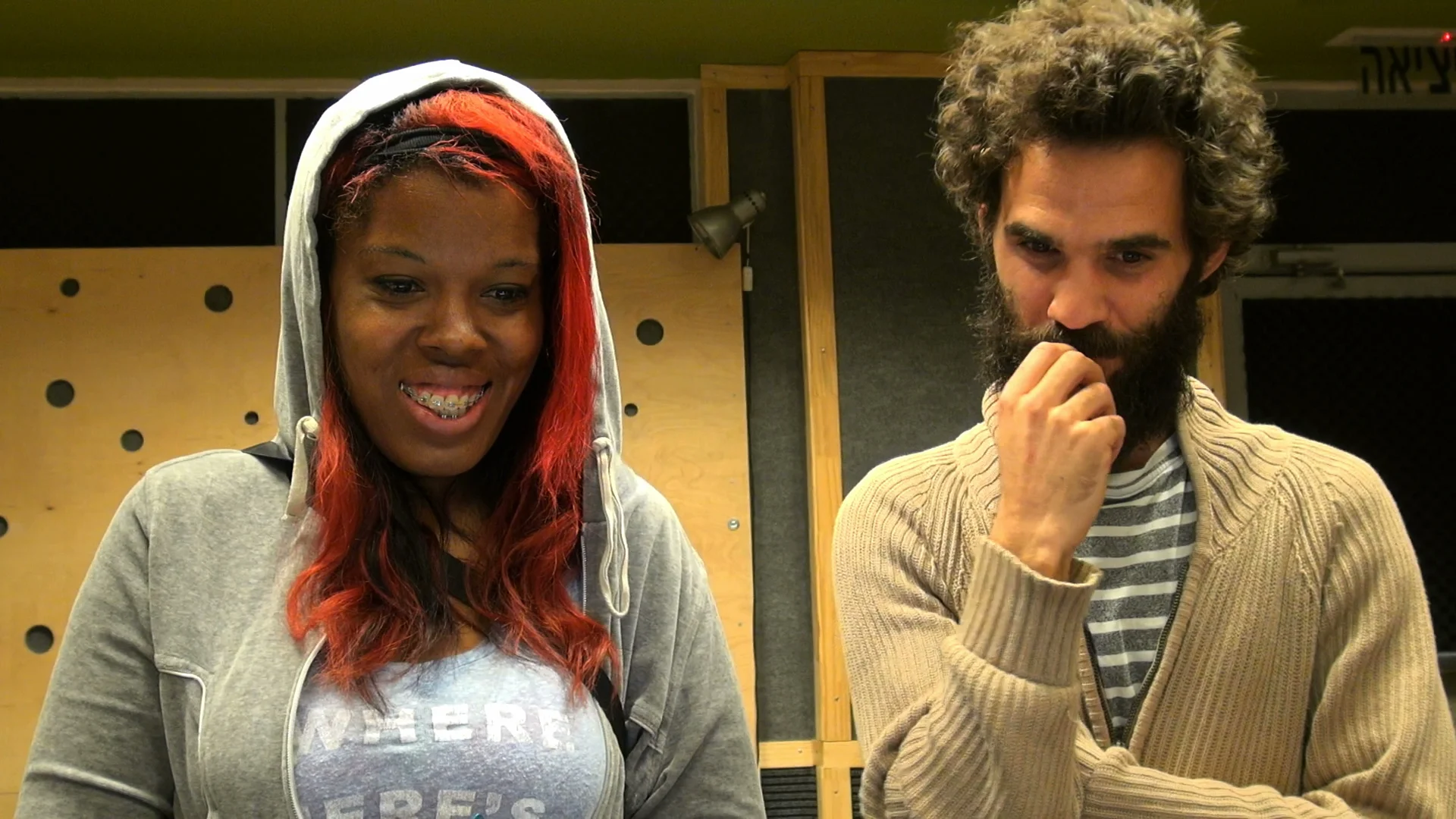
The film manipulates time in a way that works. We’re able to learn about Shaw through her YouTube videos. The videos that served much like an open diary to the world for Shaw, become the backstory of the film we’re watching. Juxtapose that with Kutiman, working up a masterpiece on the other side of the world and instantly we’re in on the secret that Princess has no idea about. While she struggles to keep the lights on (there’s a scene in which she’s using candles to light her apartment), and plays at a club for five people, she doesn’t give up on her goal. She’s the type of person you want to win though! She’s kind hearted, confident, and determined in spite of the difficulties in her life. So when Shaw and Kutiman finally meet, it's a beautiful, heart-warming scene.
Writer/director Ido Haar originally set out to film a documentary about YouTubers and thus was filming Princess Shaw while Kutiman was constructing the songs. So it was a perfect storm for the film to come together. Haar also edits the film to perfection. He cuts together moments in time, trusting there is enough in each scene to make a point and then jump ahead. It’s cut in such a way that Kutiman rarely speaks until the end of the film. Instead, he silently observes Shaw’s videos while working on his music. Yet his silence still speaks, because it’s a good bet that just as he’s falling in love (figuratively) with Shaw, we feel the same way as observing viewers.
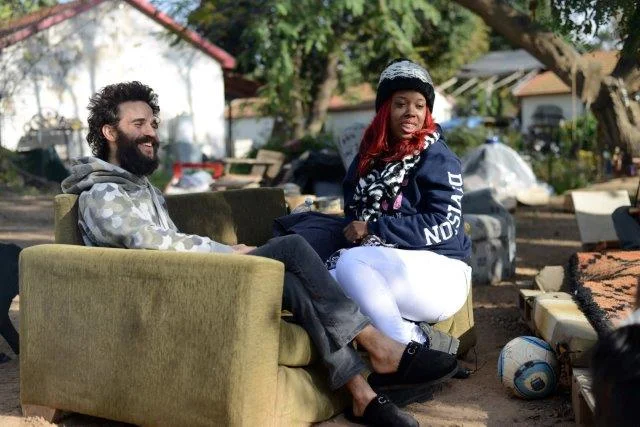
Presenting Princess Shaw is a film that’s about not giving up, pursuing your passion, and overcoming odds. Shaw’s attitude and outlook on life is admirable. Rather than complaining or carrying a large chip on her shoulder, she gives to others. So when she wins, we win! It’s a film that gives you hope that sometimes good things happen to good, deserving people!
Rating: A-
Tribeca Film Festival '16: "Live Cargo" Review
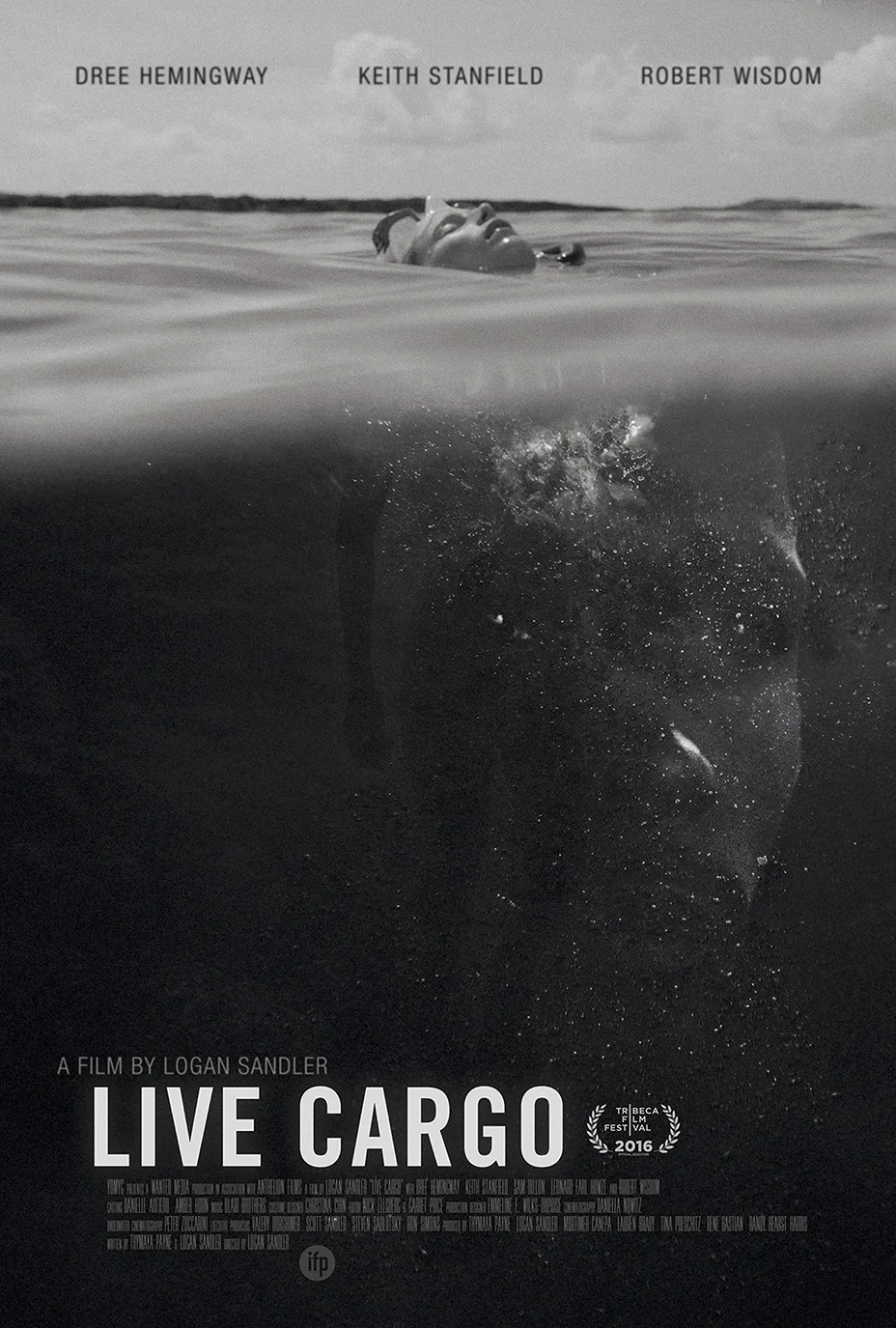
Out of the films I saw at Tribeca this year, one that sticks with me is Live Cargo. It could be the beautiful black and white cinematography. It could be the unconventional storytelling. Or maybe it was the moving performances and skilled direction. Out of the number of reasons that the movie still haunts my film nerd dreams, the number one reason is because I left it feeling like I partook in a refreshing cinematic experience that was as pure and passionate as something from a graduate thesis film but technically proficient enough to study and dissect in the same class!
In the film, we find Nadine (Dree Hemingway) and Lewis (Keith Stanfield) at one of the lowest points of their married life. They’re sitting in a hospital room, noticeably apart, while Nadine holds her newborn baby’s corpse in her arms. The black and white film emphasizes the moment even more, stripped of its color, just like the couple’s world has been. In order to escape and heal, they go to the Bahamas. It’s where Nadine grew up vacationing and learned to dive with Roy (Robert Wisdom), the guy that knows everyone and is the self-described policeman of the island.
Upon arriving they meet Myron (Sam Dillon) who is on the boat helping Roy for the day. Myron is a young man who was abandoned on the island by his parents. He knows the island, he knows how to survive, and he knows he wants Nadine. He survives by working for the major boatmen of the island, Roy and Doughboy (Leonard Earl Howze).
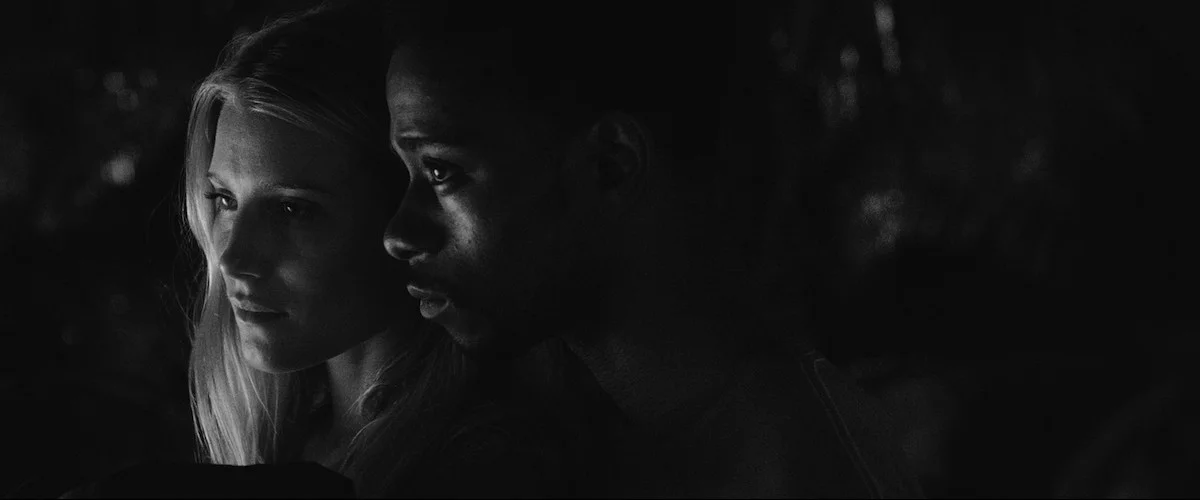
As the film moves forward we witness Nadine and Lewis as they deal with their loss. They’re like similar ends of magnets; attempts at coming back together are thwarted by the ordeal. Yet a slowly brewing turf war on the island just might be what they need to bring them together.
They say a picture is worth a thousand words. Cinematographer Daniella Nowitz captures gorgeous frames worthy of a print ad at times, while using the black and white to simultaneously catch tones and textures we wouldn’t usually notice. The sweat seeping through a shirt, or glistening off of someone’s forehead stresses the heat of the island and the work of the islanders. The lack of color itself, in a place where we would expect to see stunning hues, forces your focus on the story while enhancing the way you take it in.
Director Logan Wyatt allows the images to speak more than his actors at times (and their performances are wonderful). How do you put loss into words? What’s the cost of a life? Wyatt explores these questions by letting his actors be in the moment and cutting the film together in such a way that his audience can contemplate and draw conclusions. Having grown up partially in the Bahamas, his intimate knowledge of island life shines through by acknowledging the beauty of it while not exploiting it like a Sandals commercial.
The cast has the right blend of magic. Veteran Robert Wisdom is a driving force as the patriarch of the island, while Howze brings an underlying jaded ambition to his character. Hemingway, Stanfield, and Dillon give natural, nuanced performances that make for an intense triangle with tension slowly building beneath every interaction.
There is no question that Live Cargo may not appeal to some, because of its unique narrative and shooting style. It’s a mood piece that works visually and aurally to evoke emotion while telling its story. If you go with it, there’s no doubt in my mind that it will stand out in yours as well!
Rating: A
Check out my interviews with the cast and crew:
Tribeca Film Festival '16: "Kicks" Review
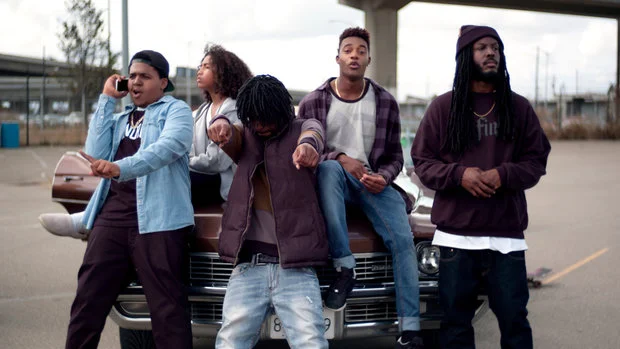
The bus always arrived early at my middle school. We had to wait outside of the building until the bell rang. During that time, the guys would stand around and shoot the breeze, crack jokes, and look at each others’ shoes. If you had fresh kicks, it was a talking point. That was in the suburbs of South Carolina. Co-writer/director Justin Tipping explores a Bay Area world in which shoes equate to self-worth, status, and respect in Kicks, which premiered at Tribeca this weekend.
Brandon (Jahking Guillory) is a high school, latch key kid fending for himself most days. What he lacks in size he has in speed to get away from bullies he tells us in narration. His mom is out providing, while he does the same stuff...different day. That includes hanging with his boys, ladies man Rico (Christopher Meyer) and funny man Albert (Christopher Jordan Wallace). Brandon doesn’t have much, but what he does have is an imagination in which an MTV-like moon man representing his higher self follows him around, and a pair of shoes that he’s had since middle school. His friends are like brothers, but even they have nice sneakers. At the age in which all you have to worry about is going to school, fitting in, and mac’ing girls, a nice pair of kicks would help Brandon be “somebody”.
Tipping does a great job at placing us in Brandon’s world and seeing life through his eyes. It’s rare to see an adult in the film, and therefore the stakes are scaled to the age level of the protagonist, but they quickly mean just as much to us. After scrounging the house for all his birthday money and selling candy on the street, Brandon has enough to purchase some dope Bred Ones from the local hustle man. For a moment, Brandon is about six inches taller, confident, and even has the courage to flirt with a girl. But that changes when Flaco (Kofi Siriboe), the local thug who runs the neighborhood, jumps Brandon and takes his shoes.
From there the film moves forward as Brandon decides to reclaim what was his, regardless of what it may cost. His hunt for Flaco takes him across town to his uncle Marlon’s (Mahershala Ali, who is absolutely stellar in his scenes), a party, and some pretty sticky situations. For an ensemble trio, the chemistry of Guillory, Meyer, and Wallace works well. Their characters’ bond is strong but hasn’t been tested, and the actors do a great job portraying the strain and tension that comes from helping a friend that’s running to the front line of death to recover shoes from a psycho.
If they still sell soundtracks, this will definitely be one for hip hop heads to download. Boasting a mix of Wu-Tang, E-40, Jay Z, Mac Dre, and more, the music sets the tone for the film with quotes from artists breaking the film up into sections. Yet more powerful than the film’s soundtrack is its message. Co-writers Joshua Beirne-Golden and Justin Tipping find a way to explore universal connections in an asinine hyper-masculine world. They use light moments to humanize tough ex-con Marlon as he holds his sick mother’s hand to keep her calm while speaking to Brandon, and show Flaco as a loving father playing basketball with his son. Where most movies have a tough guy or one sided villain, it’s hard to disregard Flaco because he does have a redeeming side. Therein lies the message.
We all have family, we all love, but somewhere along the line society has groomed us to not show the same care to our neighbors, especially someone who is different; even if that just means that they’re from the other side of town. In Kicks’ world of machismo we witness the turning process at various stages: through the eyes of the youngest, Jeremiah; those at the crossroads, Brandon and his crew; one constantly fighting for respect, Flaco; and one lucky enough to survive it, Marlon. While the visuals and music can be entertaining, the message is there as well. Perhaps Kicks can be a great conversation starter for an issue that plagues inner city neighborhoods today.
Rating: B+
Check out these red carpet interviews:
Annapolis Film Festival '16: "Little Miss Perfect" Review
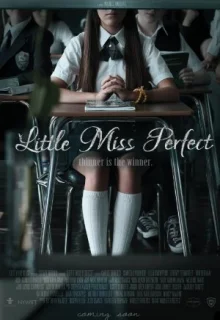
I saw Little Miss Perfect knowing nothing about the film. Admittedly, the dreamlike filter on the camera’s lens, prep school uniforms, and main character’s over-achieving persona as laid out in the opening scenes had me thinking I wouldn’t be able to relate to the film at all. Then, with one click on a website by the film’s protagonist, I was instantly hooked on a universal story about how we face the insecurities we all face in life!
Belle (Karlee Roberts) is the go-getter high school freshman who has the grades, proper ambition, and kind heart that other kids either ridicule or envy. She’s the school’s class president and headed for major success. Her father is in the home, but that seems to be the extent of it at the moment, as he deals with work and the new void of his wife. Her mom is a free spirit photographer, who has just left the family when the film begins. While Belle seems used to handling pressure, the vacancy of her parents in her life, and regular emotional instabilities that come with being a teenager, compound into an inescapable pressure cooker.
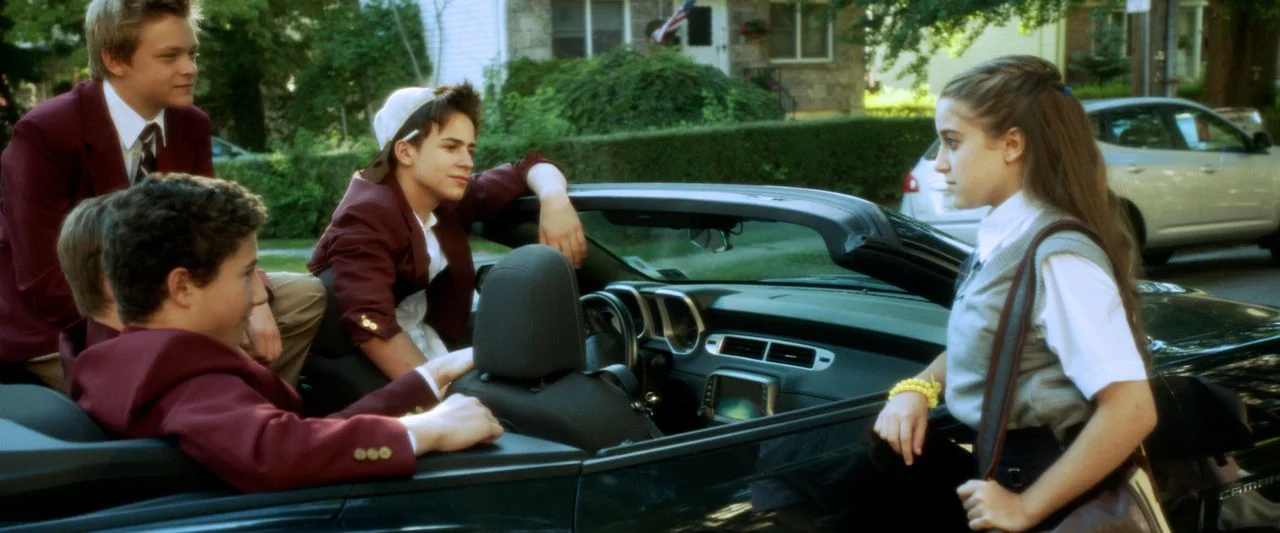
As the film moves forward, Belle begins to choose to do things that will make her happy and relieve stress. Unfortunately, those choices consist of dating Gus (Jeremy Fernandez), a decent-hearted flunky from the neighboring all male private school, and joining an online competitive eating disorder site where girls find pleasure in watching the numbers on the scale drop to unhealthy levels. While Little Miss Perfect explores eating disorders on a story level, it really serves as a backdrop to the deeper issues behind it like self-doubt, abandonment and feeling worthless. It also exposes the dangers of not asking questions or talking about the elephant in the room. As Belle’s weight continues to drop, everyone around her either helps her hide what she’s doing, like her best friend Lyla (Izzy Palmieri), or is too self involved to ask what’s going on and push past her seemingly perfect appearance.
First time feature writer/director Marlee Roberts does an excellent job of pacing and capturing each step of Belle’s downward spiral visually. Her frame speaks so the characters don’t have to. Whether Belle decides to confirm friending someone on the site, or shifts her salad around on her plate to make it look like she ate, the camera sees all. Subtle choices like Marlee (as not to confuse her w/ her sister/star of the film) keeping the camera on sticks throughout the film, but going handheld when Belle throws up in the bathroom for the first time or argues with her boyfriend, exhibit savvy skills of a budding director who is in tune to the cinematic story and technical side of filmmaking.
Little Miss Perfect is a timely film that speaks to members of today’s online generation who may chase likes and follows for self-esteem. We all want to be loved, and for a teenager with a vulnerable mind, it can be a dangerous thing when left unchecked. Yet, the message of the film for parents is to stay involved in your child’s life, and for teens is that you don’t have to struggle alone and it’s never too late to change. It’s a message I hope many people receive!
Rating: B+
Annapolis Film Festival '16: (T)ERROR Review
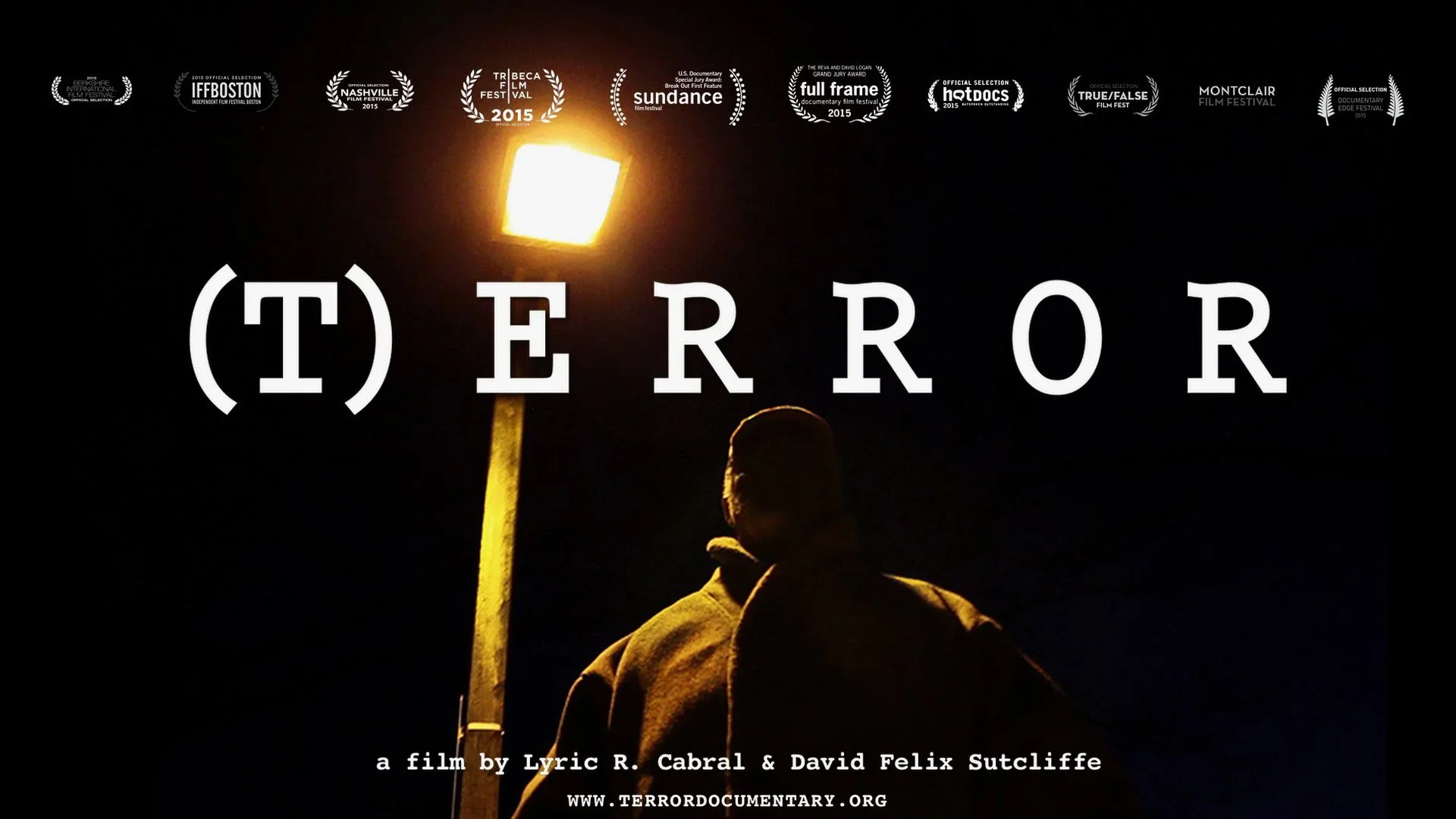
In a world where terrorists make the news weekly, someone has to be on the lookout for people who want to harm others. But what’s the price of that security? Who watches the watcher? What does it take to catch the bad guy? Saeed "Shariff" Torres, the main subject in (T)ERROR, is a documentarian’s golden goose. After two years of knowing the filmmakers, he confessed to being an FBI informant, and then proceeded to ask them to document his next assignment. What the viewer is presented with, is an astonishing, albeit limited look, at surveillance and the human impact of it.
We’re first introduced to Saeed as he complains about being on camera. It’s interesting because we find out that he wanted to be documented. Shortly after, he’s calm and enjoying a basketball game. He explains that he became an informant in exchange for a reduced prison sentence for a New York City robbery he committed. We find him getting ready to go to another assignment in Pittsburgh. He needs the money, and he doesn’t have any love for muslims who malign the teaching of the Quran. He only has an obvious love for his son.
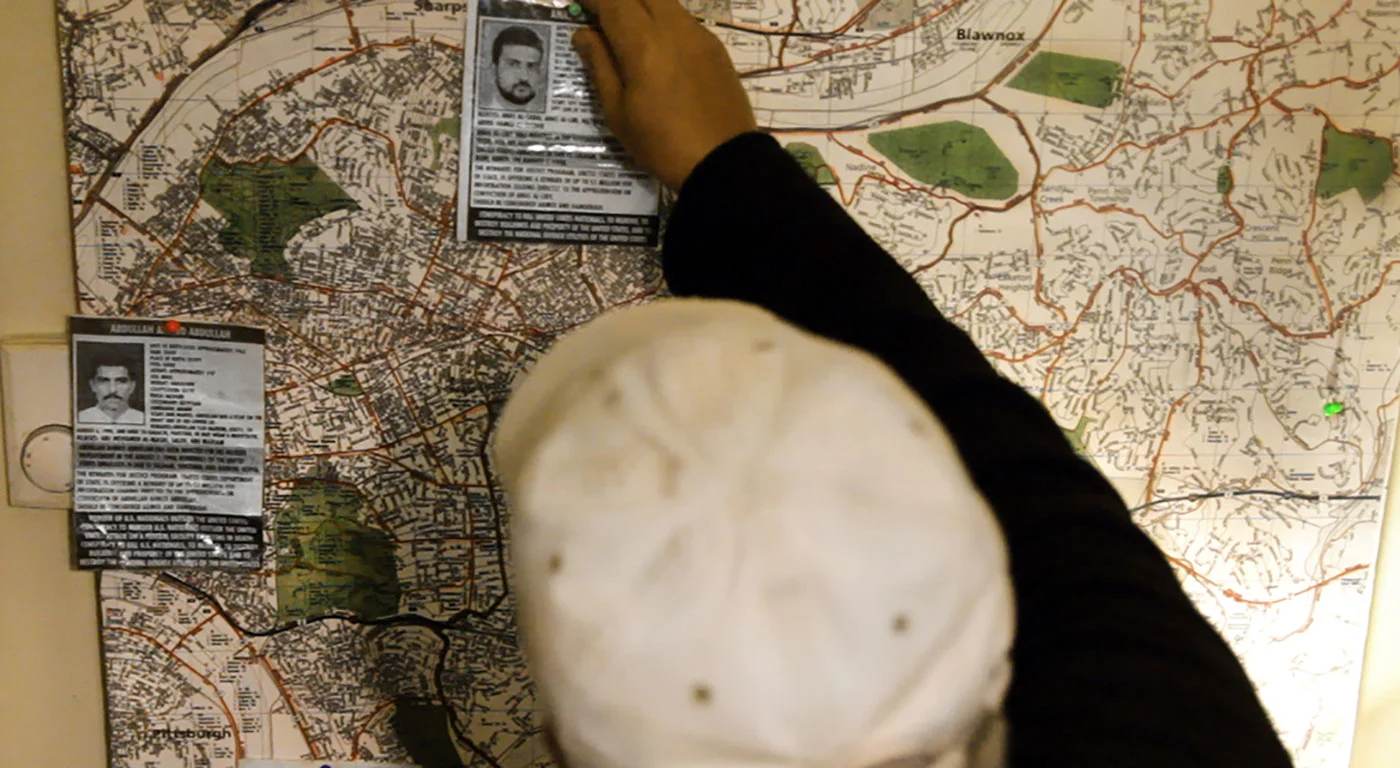
As Saeed begins to settle in the safe house in Pittsburgh we see a map that he pins photos on. He explains that he has a POI (person of interest) that he is going to befriend at the local mosque. He makes it clear that he has his own way of gaining their trust, and that if he did things the way the FBI wanted he would never get any of the busts he’s gotten. His arrogance is somewhat off putting, but the espionage drama pulls you in closer.
When we’re first introduced to Khalifa, Saeed’s POI, we see him in black and white surveillance photos. We see a picture of him with an automatic weapon. Probably most importantly, we see his appearance in muslim garb. So it’s easy to side with the FBI and Saeed. What directors Lyric R. Cabral and David Felix Sutcliffe do next is stunning as they interview Khalifa himself behind Saeed’s back.
As the viewer, you’re instantly hypnotized at watching a documentary being made without the FBI’s awareness with their paid informant Saeed; at the same time you get to see and hear the extremely intelligent, other side of the story through Khalifa’s own account of what he believes is happening. You’re able to put the truth together yourself seeing all sides “straight from the horse’s mouth” as they say.
(T)ERROR successfully leads us down a path of preconceptions and shocks us by providing truths that disturbs them. Perhaps the most disturbing realization is the questionable entrapment schemes set up by the FBI as shown in the documentary. Yes, it is limited in scope. No, paid informants aren’t new. But the questionable ethics of counter-terrorism as displayed is worth analyzing.
Rating: B+
Annapolis Film Festival '16: "Pervert Park" Review
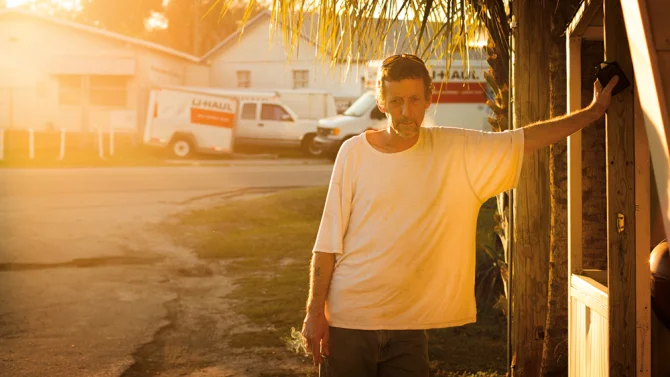
Film can be a powerful tool. It can serve as a conversation starter, and allow you to experience something without having to get your hands dirty. Pervert Park has to be the darkest, most disturbing film coming out of the Annapolis Film Festival this year, and probably one of the bravest choices by its’ programming committee. Someone saw the opportunity to use film as a conduit to a conversation on a generally rarely talked about topic and let the viewer come to their own conclusions about it.
Pervert Park captures the stories of select individuals that live in Florida Justice Transitions, a trailer park in St. Petersburg, Florida. In Florida, sex-predator laws are in place where offenders can not live within 1,000 feet of places where children regularly assemble. Sexual offenders are looked at as the lowest of society, but they all have a story. Directors Frida and Lasse Barkfors capture the stories of park residents with no cinematic flare, just straight shooting and following.
The stand out story in the doc is that of Tracy Hutchinson, who was abused by her father as early as second grade. By the age of 11 she had already had an abortion, and years later she seduced her own son, who later molested a 3 year old boy. Hearing Tracy confess about taking her son’s trust and dismantling it by sexually abusing him is absolutely heart wrenching. The guilt, shame, and deep regret is so apparent that it’s hard not to get emotional yourself. It’s clear that a life of abuse had adverse affects on her, but her vulnerability in being honest and apologetic can be felt on a gut level.
While everyone in the film seems to take ownership of their crimes, they also seem to rationalize them with twisted logic. If there is one thing that is clear from the film, it’s that getting help and being open about abuse is a necessary resource. Many of the individuals in the film kept their past pain buried inside and hidden from society, which in their particular stories manifested into sexual offenses. It shows how much counseling can play a key role in an attempt to transform and unlearn behavior.
Watching the film is an absolute test in self control, staying in your seat and sitting through it. (Plenty of people walked out of the screening.)There is no way of getting around the fact that it is a disturbing documentary on a soul level. The filmmakers obviously worked to keep a balance of letting you hear the horror, and then changing the tone to something that humanizes the offenders. Most people won’t view a documentary like this, but for those who can stomach it, it examines and challenges how and why we should deal with the taboo issue.
Rating: B-
"The Clan" Review: A Detached Family Portrait

In a modern day and time where social media allows you to be whoever you want to be publicly, but totally different behind closed doors, The Clan tells the true story of a family who mastered that art in the late 1970s in Argentina. While outwardly, this family seemed to have it all, inwardly the patriarch led his sons in kidnapping the wealthy for large ransoms. What may be even more ghastly is that the victims were kept in the house with the rest of the family.
Arquimedes Puccio (Guillermo Francella) is a shop owner and father of five. His son Alejandro (Peter Lanzani) is a star rugby player on the Pumas. Even though Alex has promise with rugby, his father wants him to help with the family business, both of them. While Alejandro is internally torn, he carries out his father’s wishes, working in the shop and helping to kidnap those his father has marked.
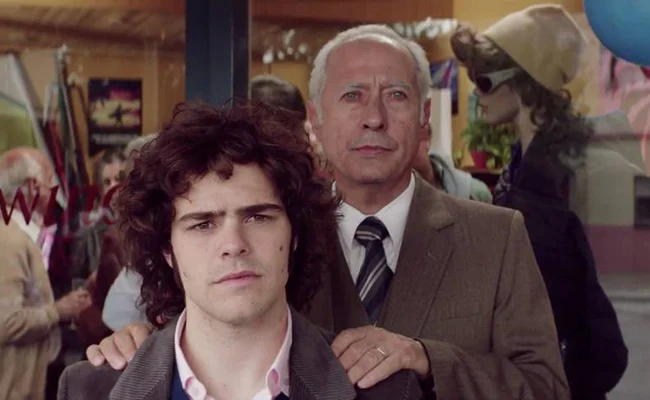
The longer you watch, the more enthralled you become with the story of obvious detachment of Arquimedes’ morality, Alejandro’s internal conflict as he loses his own, and who else in the family is complicit in what’s happening. In fact, part of the intrigue is the vague understanding of who amongst the Puccio family knows what’s going on. You think that they all have to know what’s going on, but it’s never quite clear. As the film moves forward, more layers are revealed that solidify the eeriness of a family that seems to be free under the house of their father/husband but chained to his unspoken regime.
Francella is stellar as Arquimedes. His unassuming look and polite demeanor in an aged body, make his performance that much more powerful and intrinsically scary. You can tell that he did the pre-production work to come to grips with how his character lived with himself at the end of the day and justified his actions internally. Kidnapping in one scene and loving his family in the next is as natural as breathing.

Director Pablo Trapero is very comfortable with the relationship between his camera and cast. He knows when to move the camera and when to keep a still frame, striking a sweet balance that leads to a beautiful dance of blocking. Trapero’s controlled yet visually eloquent camera brilliantly mirrors the controlled and calculated efforts of Arquimedes. He allows the viewer the freedom to choose where to look, while still manipulating the frame.
Where The Clan succeeds is in its ability to tell a dramatic and horrifying tale, without being cinematically dramatic. From the soundtrack choice (songs like “Just a Gigolo” during a kidnapping scene) to the strong internal performances by the cast, the movie heightens its intensity by not being intense. It certainly will remind you of the question, how well do you really know your neighbor?
The Clan opens Friday March 25 in DC.
Rating: B+
"Playin' For Love" Review
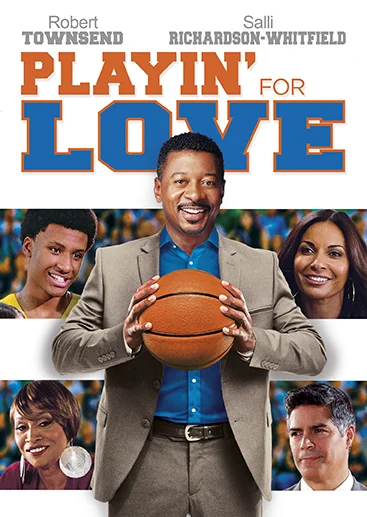
“Playin’ For Love” is text book indie flick predictable storytelling. It’s filled with unknown actors, sprinkled with familiar faces, and occasional cringeworthy dialogue. In fact, you may be tempted to brush past it online or on DVD. Yet, the film’s leads, Robert Townsend and Sali Richardson-Whitfield, take the content and turn it into a romantic comedy that’s hard to resist.
Coach Banks (Robert Townsend) is known as the “general amongst generals” in high school basketball. He has six championships under his leadership and now he has upcoming star Justice McCoy (Daniel Yorel Cooper) on his team. Justice, however, comes with a hefty price tag in the form of his strong-willed mother Talisa (Sali Richardson-Whitfield).
The movie plays out over the course of Justice’s senior year. Coach Banks has an opportunity to coach in the NCAA if he can get Justice to sign to a certain team. With his mother in the way, Coach Banks tries to work his angles to remove her. Talisa’s intelligence and love for both the game of basketball and her children proves to be more than he was expecting as a genuine relationship blossoms.
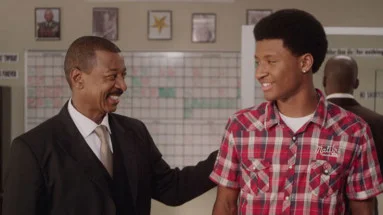
The film’s major flaw is that the supporting players are only there as vehicles to keep Banks and Talisa’s story going, coming in and out conveniently. Basketball takes backseat to the driving romance. The majority of the film is off the court, and the camera stays on sticks when it’s on the court instead of moving around with the action. You really have to trust that the basketball team is as good as they say it is, because the film edits heavily around games. So don’t look for incredible action in the form of basketball.
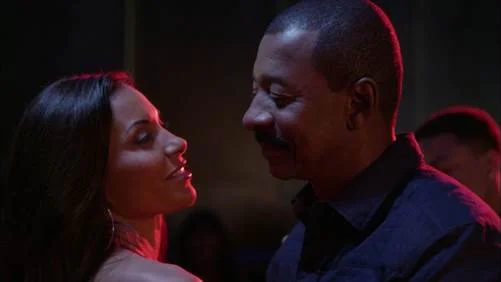
That being said, the romantic story off the court makes up for what it lacks on the court. The chemistry between Townsend and Richardson-Whitfield is palpable and the butterflies of falling in love are equally tangible in the frame. In typical Townsend fashion, the film hits on poignant familial themes like blended families, fathers being present in their child’s lives, and watching what your kids listen to. The moments are real and bring heartfelt social commentary to the film.
Robert Townsend brings years of experience to the role, giving Coach Banks an arrogant external shell and vulnerable interior needed for the role. Sali Richardson-Whitfield’s performance made me look up her IMDB page to find out what else she’s been in! (I found out it’s mostly television, which I plan to watch just to see her performances.) Her character is ferocious and a moral center as a single mother providing for and looking after her four children. She brings a fully fleshed out character to every frame she’s in.
“Playin’ For Love” is an unexpected, welcomed surprise for a date night streaming movie or Redbox pickup. Sure, there are elements of cheese to it, but the backbone of the film is entertaining and I had a few good laughs.
The film is available online and DVD Feb. 9th!
Rating: C+