
"Woodstock: Three Days That Defined a Generation" Review
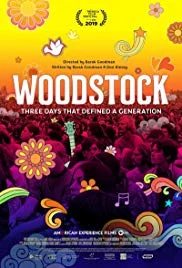
In just over two months, Woodstock, the legendary landmark music festival, will be celebrating its 50th anniversary. To commemorate this occasion, PBS and director Barak Goodman, who previously directed some documentaries for PBS on their American Experience series, have created a documentary about what led up to the events of the music festival and the festival itself. In short, Woodstock: Three Days That Defined a Generation is a nicely done documentary that also serves as a time capsule for what was happening around the time.
Over the span of three days, (technically four days but due to severe storms during the third day, the performers were pushed back by some hours so that it wrapped up that following morning) in August 1969, more than 400,000 people descended upon a dairy farm in New York. It was a last-minute relocation since the original site was no more due to the city pulling out; 32 acts performed on-stage, sometimes in not that great of a condition. The organizers, working around the clock, knew they ran out of time, since the grounds weren’t even remotely close to being done. This could have gone so incredibly wrong. And yet, by some divine miracle, the organizers pulled this event off, with some bumps on the road.
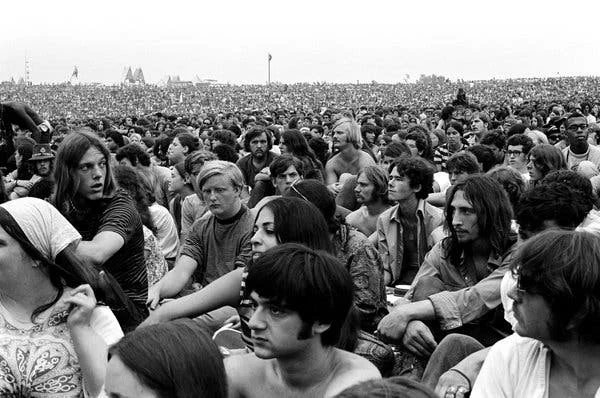
The format that Goodman employed for the film reminded me a lot of what Peter Jackson did last year with his fantastic documentary, They Shall Not Grow Old, in that we never cut back to any talking heads, but have sound bites talk over the carefully selected photos and footage that Goodman and his team tracked down to place in the film. The sound bites range from the organizers of Woodstock, the writers of the documentary providing historical context, those who attended the festival, and even a couple of the musicians who played at Woodstock. So, all in all, it’s a diverse array of talking heads. As you watch the documentary, and see how everything came together, it’s incredibly fascinating that Woodstock didn’t become the 1960s version of the Fyre Festival, since the organizers knew the event wasn’t even remotely ready to go. It’s a marvel that this didn’t become an outright disaster. The archival video from Woodstock is a thing to behold.
Even if you knew absolutely nothing about Woodstock or the significance of the festival, this does a good job in giving the audience an overview of the times surrounding the festival, and a nice history lesson of how everything came to be. At 96 minutes, the pacing is smooth in that it never feels like it’s dragging its feet. The film highlights certain areas, so that each section can stand on its own, from the counterculture movement that was growing to the development of the festival. I had a basic knowledge of the casual information of the festival, so I was surprised with what I learned from this documentary with knowledge and comparison of the modern day Fyre Festival disaster. Even though Woodstock came down to crunch time, the orchestrators were able to focus on what they needed to complete, prepare for the worst, and even make the event free.
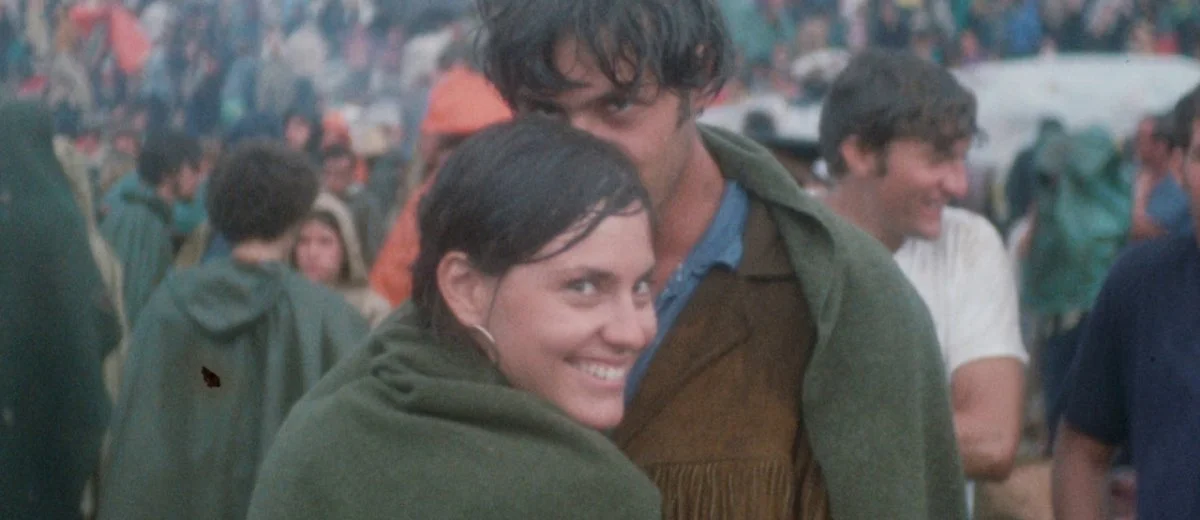
With what Woodstock could have done better is allow more of the musicians to talk about their experience playing at the fabled festival, even though we hear from some of the musicians who performed. I don’t know if it was the case that some of the musicians are dead, the archival audio wasn’t that good, or if they weren’t asked or turned down this documentary, but it would have been nice to hear more about their time up on that stage. Also, there were times where the documentary, especially during the first third of the film, relied more on the photos where it became a little bit like a powerpoint presentation.
Overall, if you grew up hearing about Woodstock, or were one of those people who attended this unforgettable festival, then Woodstock: Three Days That Defined a Generation is for you. It’s only fitting that for a festival that’s celebrating its 50th year, we look back on what this meant for so many people. As I mentioned before, this is nicely made, and absolutely mind-boggling that with the images that Goodman puts on display here, this festival didn’t fall by the wayside and collapse. Now, let’s see if they do any follow-ups about Woodstock 99, which didn’t go exactly according to plan, or if the upcoming one that the organizers are trying to get off the ground comes to fruition.
Rating: B

Tribeca 2019: "Blow The Man Down" Review- Crime Thriller With Coen Brothers Feel
If the death of their mother wasn’t difficult enough on the Connolly Sisters (Sophie Lowe and Morgan Saylor), now they have to maintain the family business, pay for a large home they cannot afford and deal with the strange behavior of their late mother’s friends. Then one of them kills somebody. If they want to, Bridget Savage Cole and Danielle Krudy are going to be making films for a long time. Both graduates of Wesleyan University, Cole and Krudy teamed up for their first feature with “Blow the Man Down”—a bold first film that, although presents some familiar story beats, offers a gripping narrative that exudes originality.
“Blow the Man Down” begins in song, a fisherman’s hymn you may hear at a bar. The song resurfaces in the film at different occasions as if the images on screen are merely the poetry between the lines of the song. I’d like to think the captain of the fishing boat, boasting his aria, is sitting us down to tell us a tale from long ago over a few pints. This approach to the narrative evokes a classic Coen brothers feel, like a “Fargo” set in Maine. It is the darkest of comedies but the humor works and this writing tandem knows exactly when to implement it.
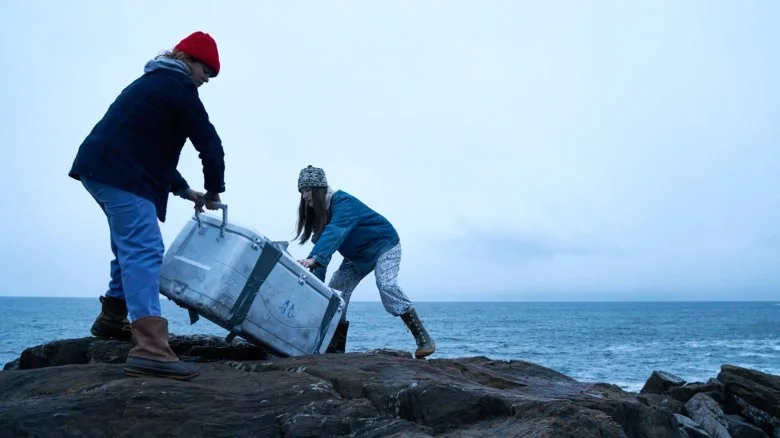
The film is a mystery, a thriller, full of the classic tropes: the bag of cash, the hidden murder weapon. And to stress further, the discoveries of the above by our protagonists feels convenient at times, as if to only serve in pushing the plot forward. I must admit, however, this is a stretch for a criticism. The development of character and story is handled with aplomb. It is clear these two storytellers focus heavily on their characters.
This film boasts a powerfully female-led cast which features Annette O’Toole, June Squibb and is helmed by Margo Martindale who is a force to be reckoned with. Martindale plays Enid Nora Devlin, a businesswoman who presides over an eerie bed-and-breakfast called the Ocean View. Except, the place is a brothel. Enid has been running this joint for years, and although she now flies solo, once had the help of her friends. As the criminal operation soon unfolds, it threatens to unveil the disturbing underbelly of this seaside town.
The photography of the film is beautiful. The geography of the area certainly lends itself well to a majestic looking picture, laden with intense blue hues. While pleasant to look at, the thrilling nature of the story acts like a car crash—impossible to look away from. What Krudy and Cole steer clear of, however, is the ominous-music-thing-lurking-in-the-corner-bit. Of course, this twist is refreshing in that we have but the performances to lean on for the thrill.
After premiering at Tribeca this April, “Blow the Man Down” is still looking for U.S. distribution, but I have no doubt Krudy and Cole will find their audience. This is a true ensemble piece. A film that introduces two cinematic voices that, as Loren Hammonds puts, “won’t soon be forgotten.”
Grade: B+

Tribeca 2019: "Other Music" Review- A Cacophony of Memories

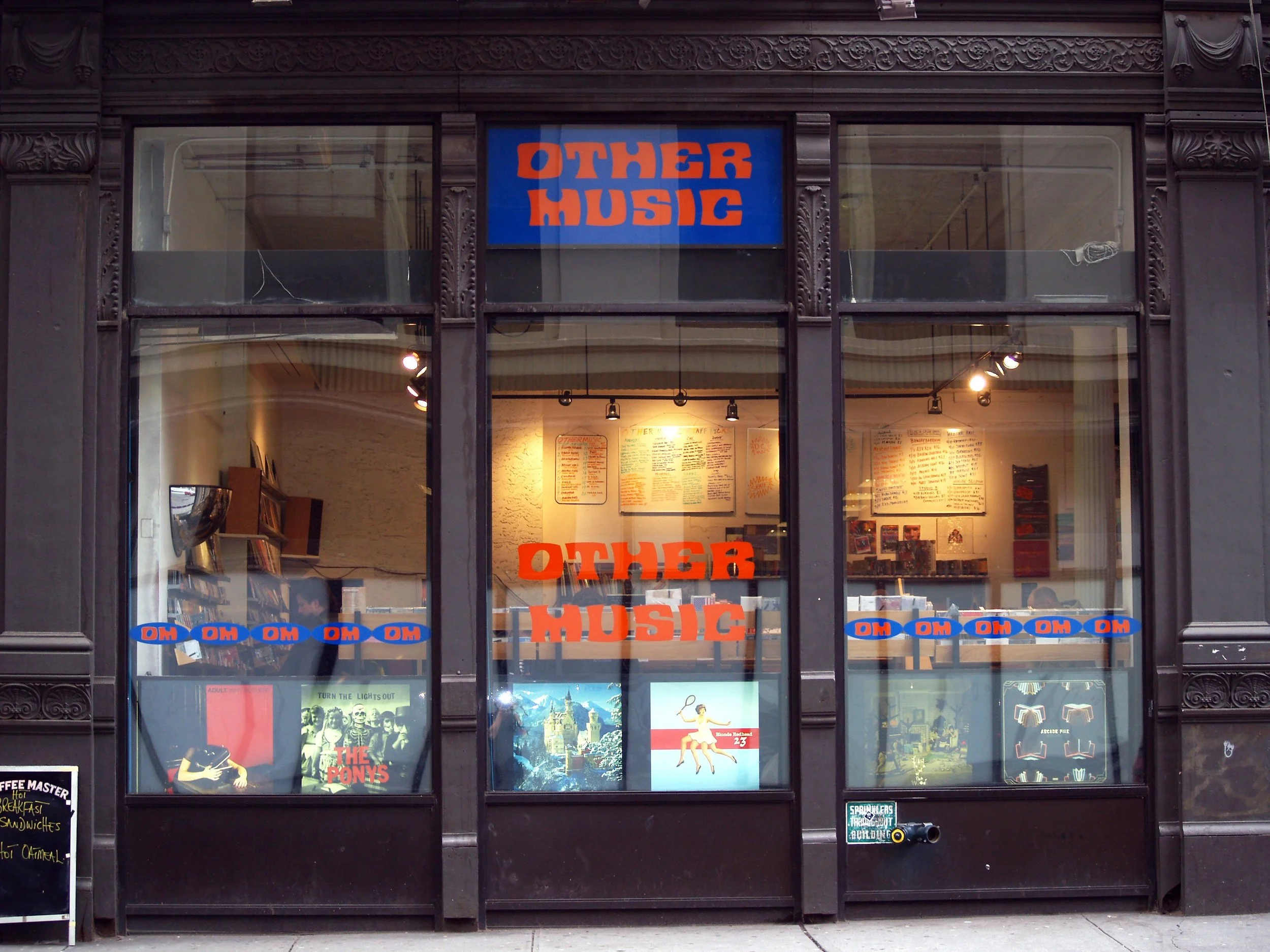
“Other Music” is one of this year’s feature documentaries at Tribeca, a film about a record store that opened in the East Village in 1995. If I took away anything from this documentary, however, it is that Other Music was not just a record store.
This documentary was directed by married couple Puloma Basu and Rob Hatch-Miller, an LA-based team that has specialized in music video production and recently collaborated on the soul music documentary feature Syl Johnson: Any Way The Wind Blows. The film chronicles the store’s 20-year history and features artists and bands such as Regina Spektor, Vampire Weekend, Animal Collective, the Yeah Yeah Yeahs, the Strokes, Interpol and TV On The Radio. The record store, which closed in 2016, was a solace for the independent musician. It was a destination for artists, industry representatives, music lovers and wanderers alike. It was a place where bands were formed and friendships blossomed. Other Music created an environment that supported musicians and allowed bands to grow, which ultimately served as a great influence on the music scene in New York City.
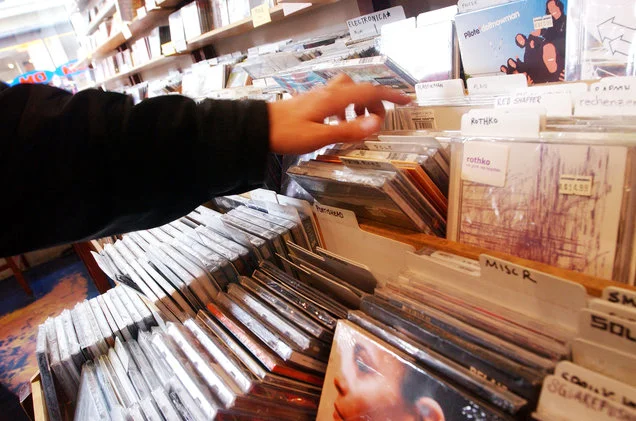
As retail stores lose business to online shopping, Other Music reminds us how human interaction can help nurture a community. When you enter the store there are shelves replete with vinyl, many of which records are labeled with a hand written note card. A professional vote of confidence for the work. There is also something gratifying about owning something tangible you spend money on. The spirit of this record store certainly lives on in a world dominated by online streaming services. The film does a great job focusing on employees of the store as well as customers who frequented the shop, and these customers cried when the store closed. I may have even broken down watching this film and I never had the chance to go there before it closed, but I digress.
From a storytelling perspective, Basu and Hatch-Miller succeed in chronicling a beginning, middle and end. They take you on a journey that offers great company and even better music. They extinguished my only criticism of the piece with a cacophony of noise, but I had to wait until about two-thirds the way through the film. From an editing perspective, the cuts could have been more inventive, creating a rhythm to compliment the narrative. But as the story neared the end and the store closed, the directors made their own music. It was a beautiful and emotional ‘Trashing the Camps’ style tune that satisfied the itch for something more self-reflective.
It is important to note that I don’t typically end a review in personal anecdote, but I’d be remiss if I didn’t articulate the profound impact this film had on me. As the credits rolled the theater erupted in applause, I calmly rose from my seat and exited quietly so as not to disturb the fellow movie goer and I walked. I walked to 15 E 4th St, just blocks south from the theater. There’s a coffee shop there now, one of many in the area. But just a few years ago was a record store that changed many lives.
Basu and Hatch-Miller welcomed me into their world of groove and funk, rock and roll, pop and disco, they sat me down for a history lesson and spit me out onto the streets of New York looking for an album that could fill the vacancy they created. In a world cluttered by noise, this film broke through it all with a heartfelt focus and all I can say is ‘thank you.’
Rating: B+
"Studio 54" Review
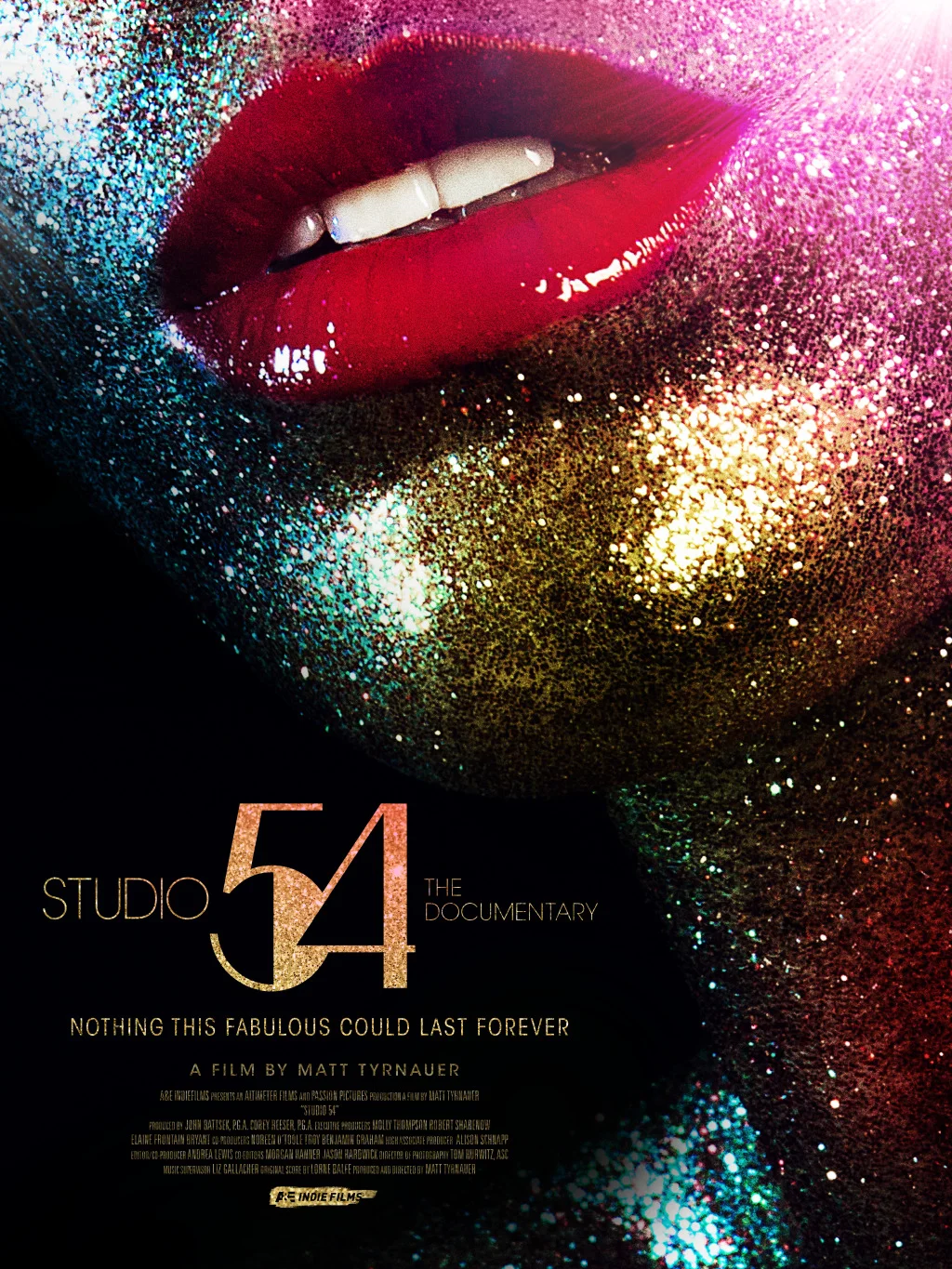
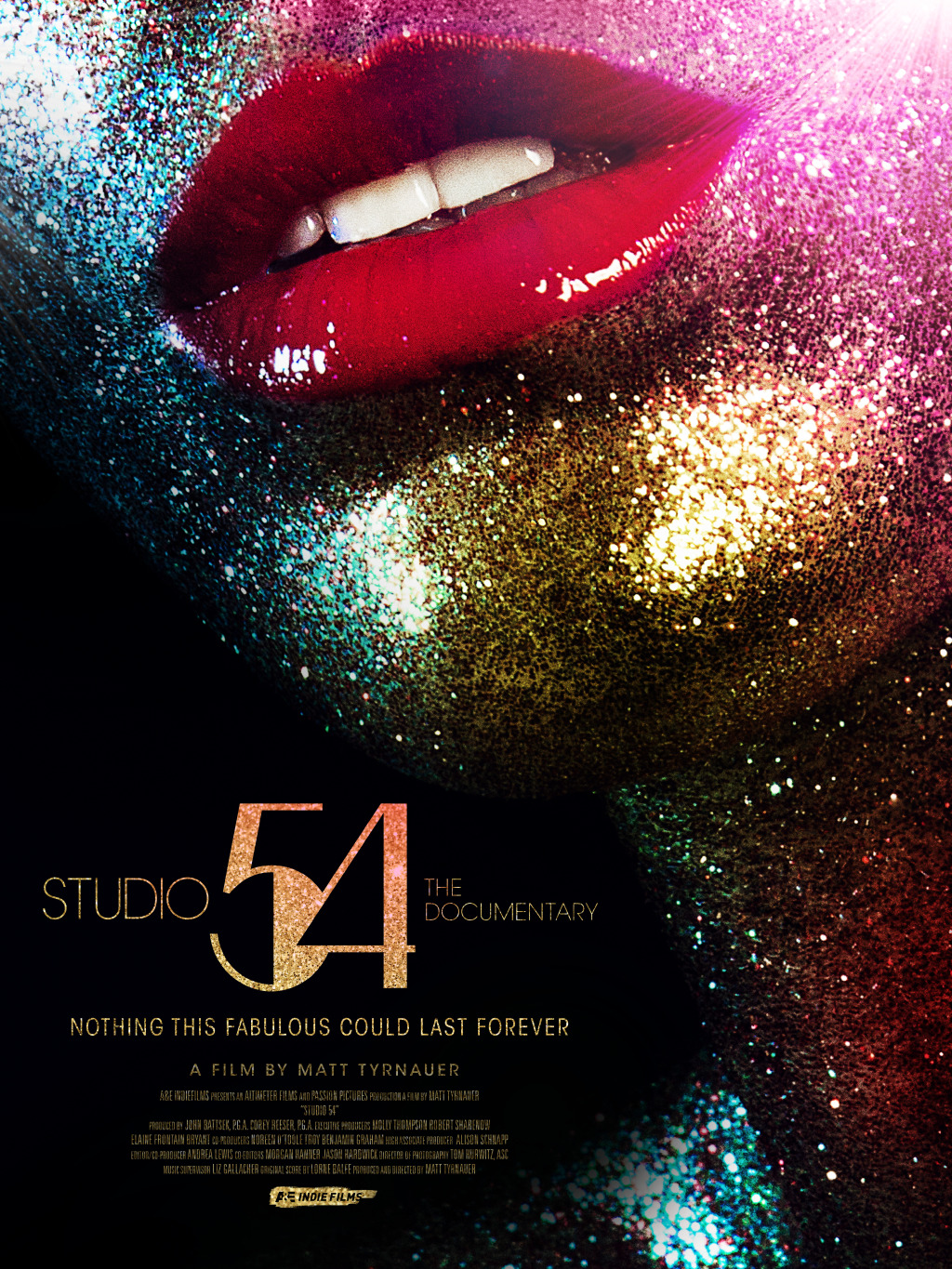
Studio 54 is the new documentary that takes a look at the famous New York City nightclub, or infamous, depending on how you look at it. From director Matt Tyrnauer, who’s past documentaries include 2008’s Valentino: The Last Emperor and 2017’s Scotty and the Secret History of Hollywood, Studio 54 is an entertaining look at a club that, if you could somehow get in, would transport you to a different world. This is a nightclub that quickly rose to the heavens, only for it to come crashing back down to earth. The doc succeeds in letting the owners tell the story themselves, giving the viewer the inside look at the impact Studio 54 had on everyone involved.
In the late 70s, college friends Ian Schrager and Steve Rubell opened up a nightclub on West 54th Street in NYC. At the time, it was considered by many to be one of the sleaziest blocks in town, due to it being rundown and a place you wouldn’t want to be at night. Taking over the building that used to be where CBS Television produced some of their hit shows, Schrager and Rubell created what they called the “ultimate club” and paradise. An overnight success that went beyond their wildest dreams, this became the hottest ticket in town for close to three years, where celebrities frequently attended. But like the story of Icarus, Schrager and Rubell flew too close to the sun, and after awhile, especially after comments made by Rubell that only the Mafia made more money than them, the IRS and the feds started knocking on their doors.
For the most part, Tyrnauer does a good job in balancing the documentary. While the nightclub is the main meat of the story, Tyrnauer wraps it around what’s essentially a biography on both Schrager and Rubell by covering how they met in college, decided to be business partners, why they decided to create Studio 54, and so forth. In a sense, they were perfect for each other. I think it was wise that Schrager waited until enough time has past so that he could properly reflect and tell his side of what went down. Like this summer’s Won’t You Be My Neighbor?, Rubell speaks through archival footage so that we hear from him also (Rubell sadly died from AIDS complications in 1989). Another neat effect that Tyrnauer and his editor employ is that we see a photo of a surviving member of the nightclub which transitions to them in present day giving their side as well.
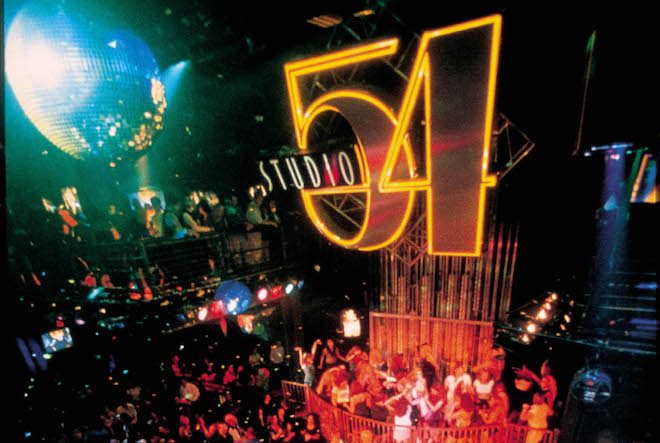
Studio 54 was basically a social experiment, ahead of its time in its inclusivity of the LGBTQ community. If the outside world shunned you, once you came inside Studio 54, it felt like home and no one cared about what you were as long as you were having a good time. The doc makes good use of old footage, from photographs to never before seen footage inside the nightclub it gives us a sense of what it was like to be there. Using news footage and interviews as well, including where Michael Jackson crashes an in progress interview with Rubell, is quite fascinating to see. For a 98-minute documentary, the pacing is good in that there’s never a dull moment within the film.
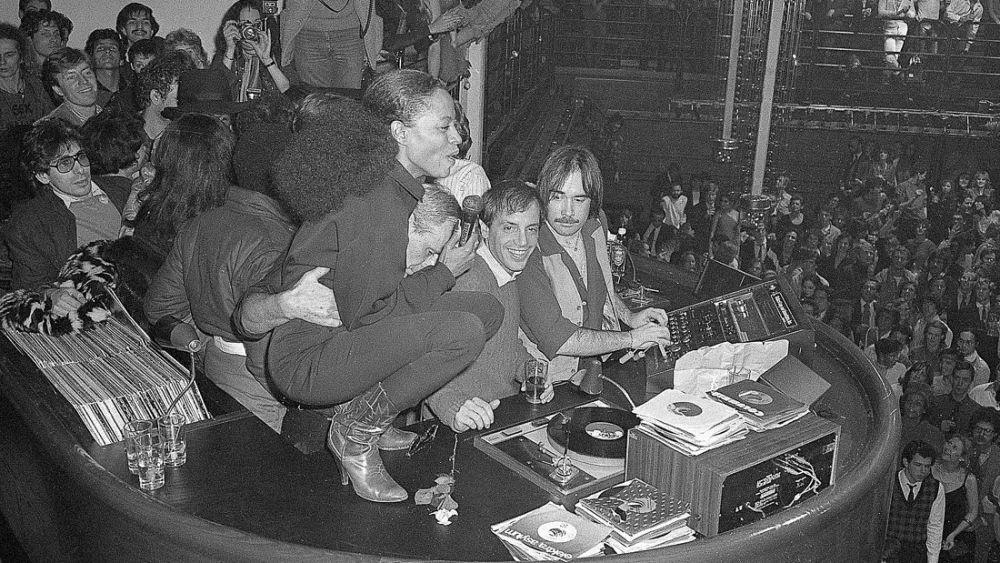
I think my biggest complaint about this documentary is that since the club was infamous in certain aspects, it somewhat skims the surfaces of how hedonistic and crazy it was to be inside the club. If you managed to get in in the first place, there are the wild tales of drugs floating around, hooking up inside, or having physical relations with someone you just met. They briefly discuss it, but it never dives deep into those areas. I also wished that they got more of the celebrities who attended Studio 54 to tell about their experiences within the club, since it was a popular hotspot for them. There are a lot of different avenues that this documentary could have taken, but it makes me wonder if they chose this route to get Schrager on-board to finally open up. One of the best moments of the film involves the prosecutor telling his side of the story after searching for evidence after Studio 54 was raided, and then the manager of Studio 54 tells it from his perspective. The juxtaposition was beautiful, and I wished that there were more moments sprinkled into the documentary where we see a back and forth like that.
Overall, if you’re looking for a more in-depth, critical look, you should probably look someplace else. From a documentary standpoint, while I wished that Studio 54 delved deeper in more aspects, the parts that Tyrnauer does treat us to are quite interesting and does provide some nice insight into it all. Even showing us how Schrager changed his life for the better (he was pardoned last January by President Obama). So in a way, it’s more of a celebration about what the nightclub was to everyone. If you’re in the mood to watch a good doc, I would suggest checking this out sometime.
Rating: B

"Love, Gilda" Review

Love, Gilda is not only a wonderful documentary but also an experience; you’ll laugh, you’ll cry, and the film will make you think. Love, Gilda is a powerful inside look into the late actress and comedian Gilda Radner. Directed by Lisa Dapolito, the film examines the comedy scene from the 1970s and 80s and how Gilda influenced it as one of the first female comedians on Saturday Night Live (SNL). She certainly didn’t peg herself as a feminist, however, by being the only woman doing what she was doing, she inherently became a feminist icon. During that time she often was put in typical roles only reserved for women, yet she didn’t complain and she conquered those roles with grace. After a while, she started creating roles for herself and other women, thus expanding opportunities for other female comics to express themselves in unique ways.
Not only did other women appreciate Gilda for her strong personality and talented acting, but male comics saw her potential as well and assisted in getting her where she was in her career. The film highlights how much influence Gilda had over these very talented comedians who are still actively working today. Many talented actors are interviewed about Gilda’s life and their relationships with Gilda such as Chevy Chase, Bill Murray, and Dan Aykroyd, just to name a few. The film goes deep into Gilda’s personal relationships, her struggles with her health and weight, as well as her family life. The film does a wonderful job exposing the human side of an iconic actress that the general public has never seen before; It truly uncovers a world that most people don’t often get to be a part of.
Alongside having a strong influence on talented male actors, Gilda had influence over female comics that are currently on the scene today. The film interviews female SNL successors to Gilda, and they discuss in depth how she paved the way for their comedy careers without even knowing it. Love, Gilda is calculated and thoughtful in who they chose to interview for this documentary; Amy Poehler, Maya Rudolph, Cecily Strong and Melissa McCarthy read emotional, old letters Gilda wrote to convey her experiences as a woman in comedy. These actresses even comment on how much of an honor it is to have be able to read Gilda’s handwritten letters within the film.

This film is a tribute to American comedy and what goes into it; it exposes a great deal of the comedy scene in both positive and negative ways and shows how hard Gilda worked to get where she was in her career. Lorne Michaels discusses Gilda with such content and talks about how she was dearly missed after she left SNL but understands why she did. One especially touching addition to the film is the archival footage that is incorporated (her brother provided a lot of the home videos). The archival footage and audio of Gilda shows her personality in a beautiful way; if you don’t know who she is before you watch the film, you’ll fall in love with her by the end of it. Her spirit is captured in such a considerate way, you can’t help but cry. This is a side of comedy that is often overlooked, comedians are not viewed as human, and their pain isn’t often exposed until it is too late (note: comedians have the highest suicide rate of any profession). Gilda was by no means suicidal, however she did struggle with depression which affected her health in many ways, and it is so important to discuss those types of struggles when talking about comedy; the film contemplates this in a meaningful way.
Love, Gilda is a piece of history that shows how far we have come in comedy and the roles of female actors. It really hasn’t been that long since women were only allowed to play roles “reserved for women”. Even though Gilda passed away from ovarian cancer at such a young age, this documentary proves that she has had an important influence for years, and she still has influence today. If you want to learn about self love, I highly recommend this film; Gilda taught people that its okay to be your genuine self, and that even when you’re incredibly famous, you’re still just like everyone else.
Rating: A