
Sundance 2022: "Honk For Jesus. Save Your Soul!" Review
It’s in the title. Honk For Jesus. Save Your Soul! is a satire that takes aim at megachurch culture. There’s no denying that Writer/director Adamma Ebo nails this southern baptist story. It’s the type of comedy that may make some church folk uncomfortable because of how much bitter truth it tells via the medicine of humor. It’s a scathing dissection from a personal, intimate, inside view of this church denomination that will make you think and is worthy of conversation.
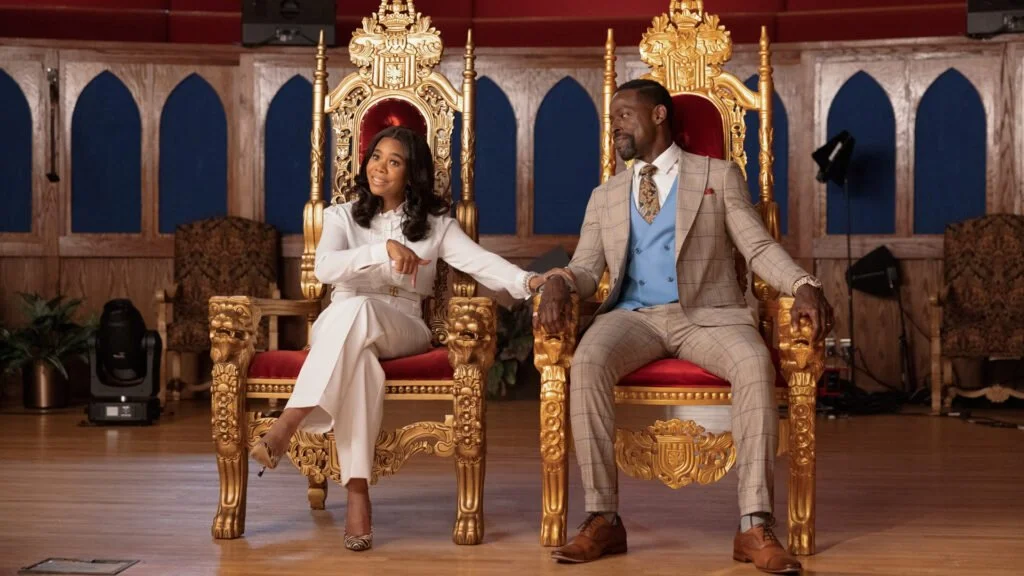
The film starts by introducing us to Trinitie Childs (Regina Hall) and Pastor Lee Curtis Childs (Sterling K. Brown) within Wander To Greater Paths church sanctuary. They are gearing up for their reopening of the church since scandal shut it down. In anticipation of the Easter Sunday return, they have hired a documentary film crew to capture their day to day preparations and show them in a positive light.
We’re slowly pulled into the lifestyle of the Childs. Pastor Lee wears designer clothes. His obliviousness to how conceited he is is matched only by how much he dims his wife’s light in order to shine. It’s obvious he has insecurities and we slowly discovery some of the demons plaguing him. We also get a glimpse of the crushing weight of religious culture, patriarchy and ego gone wrong with Trinitie bearing that load.
Three 6 Mafia’s “Popping My Collar” sets the tone for the film. Not only does the song kick the film off, but throughout it we hear strings and chords from the song that stitch parts of the film together. It’s a song about dressing fresh and pimping for money. It’s a subtle acknowledgement of how this film’s pastor does the same thing to his first lady and congregation in the past. By dressing the part and pimping Trinitie for her ideas, he has created his winning persona. In fact, throughout the film music tells a part of this story in ways that the writing doesn’t. With an unforgettable “Knuck If You Buck” scene, we see the dual nature of the Childs. The pastor and first lady should not be singing the unedited version of the song, but they hit every word. It’s actually an analysis of the dual nature of any human being. We all have good and bad inside. The pressure to appear sinless while being human is what the scene touches on.

Regina Hall is absolutely fantastic as the First Lady. She plays a wife who is holding everything in and portraying a public image of happiness while bitterness, hurt and resentment lay just under the surface. The nuance Hall displays in moving between fragility and strength is noteworthy. In a heartbreaking scene she wears praise makeup (white face with black lips and eyebrows) to try to get people passing by to honk for Jesus.
Sterling K. Brown’s Lee Curtis feels bi-polar as he pushes forward hitting highs and lows from scene to scene. He’s an emotionally abusive husband, masquerading as a man of God. He believes his own lies and forces those closest to him to stroke his narcissism. At first glance, Brown seems to have an easy role but his choices ground the character that may have been less complex on the page.
I didn’t grow up Southern Baptist, but I understand what growing up in a church community looks like. The truth is, a church is a group of imperfect people striving to do the right thing according to the Bible. Ebo’s world has a familiarity that comes from having grown up in a Southern Baptist church and questioning what was seen, both good and bad. The scandal of the film is ripped from the headlines, but the deeper questions being asked come from a personal place. So while this may be a satire, it’s also a manifestation of the artist’s wrestling with their upbringing that we can all benefit from in Honk being a jumping point for further conversation!
Rating: B+
Sundance 2022: "Master" Review
Writer/director Mariama Diallo takes a look at systems, racism, and the haunting of assimilation in Master. Billed as a horror film, it’s not the typical horror in terms of jump scares but rather the real horror of the affects of racism. Master has plot holes riddled throughout it, but its themes are worth exploring.
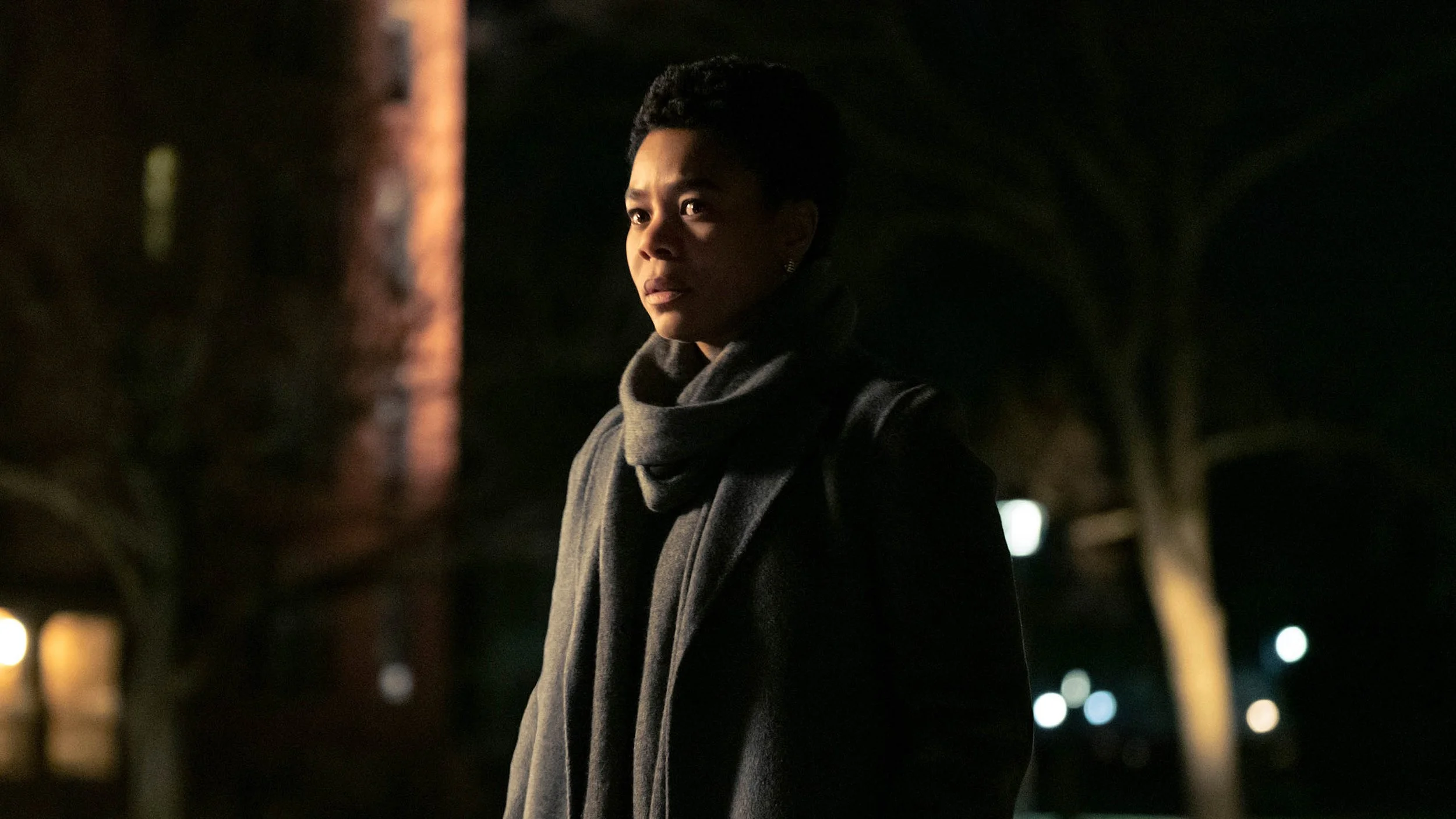
Gail Bishop (Regina Hall) is the new Master at a predominately white college in New England. As she is settling into her role, college freshman Jasmine Moore (Zoe Renee) is settling into hers. The campus has a lot to offer: parties, new friends, education, and hope for the future. As Zoe first steps on to campus with big, beautiful curls in her naturally curly hair. As she acclimates to the new environment, we see her hair straighten and look change.
Simultaneously, Bishop is trying to get acclimated to her new home as a Master, but strange things start to happen. Maggots appear in odd places; mini statuettes representing a Mammy, slave and other racist emblems seem to be hidden within the house. It doesn’t help that rumors of the occult and a witch are a part of campus lore. In fact, Jasmine’s room belonged to a black girl who died under mysterious circumstances and something seems to be coming after Jasmine.
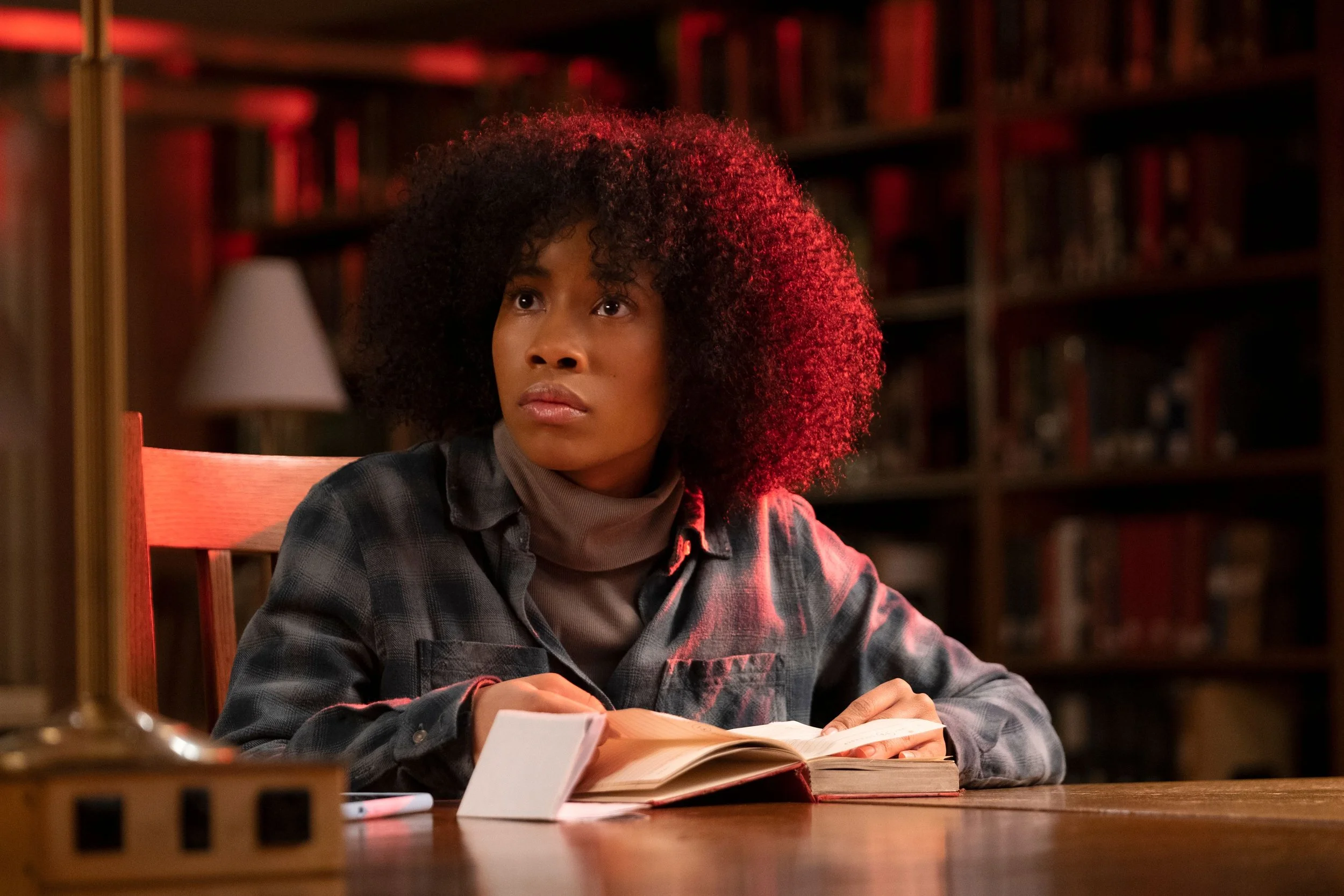
As a mystery starts to unravel, the link between past trauma, how black people deal with it and assimilation becomes more clear. Hall shines as an allegory for black people who “make it” and have to uphold an image of perfection while being human. Or do they? This is the question that Diallo puts before us. Do we still have to put up a front to be accepted while slowly killing ourselves on the inside by not showing up authentically?
The cinematography in the film uses muted earth tones. The brown skin of the main characters fade in to wooden tables, desks and chairs in different scenes. While in comparison, their white counterparts pop out of the environment. This smart decision by Diallo and cinematographer, Charlotte Hornsby, is one of the most subtle but brilliant choices in the film. This need to fit in to the point where the main characters fade into their surroundings is a move that the audience may not notice at first glance but feel subconsciously.
The film is a little off kilter in its handling of its characters. One particular storyline drops off abruptly without questions being answered. Another storyline concludes in such a way that will cause reflection. There is something that Diallo is trying to say and in this case perhaps the mixing of genre throws it off or at a script level some beats could be fleshed out. However, this is a good conversation piece for after the lights come up in a theater or at home.
Rating: B-

American Black Film Fesitval 2021: "Liam White" Review
Harold Jackson III’s latest film Liam White: The Forgettable Life of Liam White explores the life of a dying man as he tries to tackle what his life means to others and himself. It’s an exploration of death, life, and the people who shape us in between.
Liam White (Shaun Woodland) is a writer whose glory days may be in the not too distant rear view. He’s trying to write his next big thing when he finds out he has terminal cancer. Trying to get his house in order, while internally wrestling with this news, Liam goes on a journey to talk with family and friends. Adrianna (Sasha Wakefield), Liam’s seemingly long time partner with no real commitment, walks in step beside him through this journey.
The opening sequences of the film stumbles around with glimpses of Liam’s day to day activities. It mirrors the character’s internal battle as a struggling writer. Throughout the story audio between the scenes is handled similarly. L cuts (when the audio from the preceding scene continues to play over footage from the following scene) and j cuts (when the audio from the next scene plays in the preceding) are used throughout the film to support this stumbling storyline and vibe. It’s important to note this because the film doesn’t play out in the standard format of editing but rather capriciously moves through time and space.

Making his third collaboration with Jackson, Woodland’s performance reeks of preparation. He plays Liam subdued in such a way that you can almost see the cloud over Liam’s head. His internal thoughts are rushing as he tries to come to grips with an expiration date on his life, which manifests in a disconnect in his eyes while interacting with people and going through the motions of what’s left of his life. He’s the center of gravity within a hypnotic film and his performance is an anchor.
Perhaps like our own lives, most of the actors in this film feel like character actors fulfilling a scene not only in the movie but for Liam’s life. It’s truly an ensemble film in which each performance builds the supporting cast around him. Seasoned actors Jasmine Guy and Terrence “TC” Carson give strong performances as Liam’s parents. While their on screen time isn’t extremely long, their presence is felt, allowing their eyes and physicality to do the work of expressing years of bitterness, anger, resentment and regret. We also get a who’s who of DMV actors like Chad Eric Smith, Rick Kain, Tamieka Chavis, and Michael J. Patterson filling in bit parts like the pros they are. If you know you know!
Jackson gives special attention to the world around Liam. Specifically, he looks at the environment of DC that seems to be passing by Liam. Or is it Liam who glides through the District? Usually precise with his camerawork, Jackson breaks the 180 degree rule in a scene right after Liam finds out he’s terminally ill. While it could have been the confines of spacing on set, I have to believe this is done purposefully to subtly throw off the cinematic world much like Liam’s has been. While life doesn’t cut together in a montage like film our memories do. Some memories we can relive precisely and others are a quick glimpse of what was and we are led down that path visually throughout the film. Any of Jackson’s work has something to be aware of from a technical aspect and it’s the editing and visual/audio montages in this one that is important to the storytelling.
Liam White is perhaps Jackson’s most “artsy” piece to date. Most of his films have a direct address of a subject matter through dialogue. Here, sometimes what’s not spoken is important. This film is more of a mosaic that collectively speaks. You have to see the forest for the trees or this movie may be a self titled, self fulfilling prophecy in being forgettable. However, if you let the hour and twenty six minute run time tell you a bigger picture of life from a birds eye view, you just might pause long enough to reflect on your own! Perhaps that’s the point.
Rating: B

Sundance 2021: "CODA" Review
I was lucky to catch “CODA” on the last day of Sundance. By the time I did, it had already broken records as the highest selling film at the festival at a whopping $25 million. So for me, it was like sipping an expensive pour of bourbon; I had to see what $25 million tasted like! While I ingested it with other senses, the film that focuses on the bond of a deaf family had my eyes pouring out tears and belly full of laughs. In short, the film is worth the hype.
The film is a remake of the 2014 French dramedy “La Famille Bélier”. “CODA” stands for Child of Deaf Adults. Within the film, Ruby (Emilia Jones) is the only hearing member of her family. The Rossis are a hardworking, tight knit fishing family living near the coast of Massachusetts. Ruby works on the boat with her father Frank (Troy Kotsur) and brother Leo (Daniel Durant). She acts as interpreter and intermediary between worlds for her family. Her mother Jackie (Marlee Matlin) is a former model and her father’s passion for his beautiful wife is never not on display, even if it humiliates Ruby.
While Ruby works early morning hours with her father and brother, she attends high school with other teens her age. She decides to take a chance and audition for the school choir, led by Bernardo Villalobos (Eugenio Derbez). Bernardo is a character, stating that you can save yourself the embarrassment and call him Mr. V if you can’t roll your R’s. He’s the exact influence that Ruby needs to motivate her to audition for Berklee College of Music.
The clash of Ruby’s desire to go to college and her family’s need for a no cost interpreter to keep their business running is the center of the conflict in the film. However, it’s the layers of issues within that conflict that makes the film so moving. Each family member wrestles with issues of inadequacy. Leo feels as though he isn’t appreciated enough as the older brother who seems to be looked over by his parents. Ruby feels like an outsider as the one in four who can hear. Her parents depend and lean too much on Ruby for assistance, missing or refusing to see that she needs to breathe and be independent.

The film is full of beautiful, moving, and laugh out loud moments. It spotlights relationships within the family and the family bond as a whole. The ensemble cast is absolutely stellar, boasting of Academy Award worthy performance for all the right reasons. The Rossi family use American Sign Language to communicate throughout the film and thus the physical and subtle nuances of their performances are even more powerful. Director Sian Heder captures the importance of communication within her cinematic family and what communication means for the deaf community through framing and sound.
You’ll have to judge for yourself if this film should be valued at $25 million. Much like bourbon, your taste may be different but there are certain films that universally strike a chord and resonate. “CODA” certainly is a winner that deserves the buzz and accolades it will receive!
Rating: A

"Woodstock: Three Days That Defined a Generation" Review
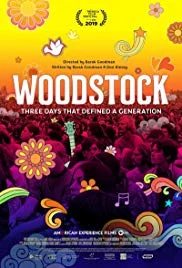
In just over two months, Woodstock, the legendary landmark music festival, will be celebrating its 50th anniversary. To commemorate this occasion, PBS and director Barak Goodman, who previously directed some documentaries for PBS on their American Experience series, have created a documentary about what led up to the events of the music festival and the festival itself. In short, Woodstock: Three Days That Defined a Generation is a nicely done documentary that also serves as a time capsule for what was happening around the time.
Over the span of three days, (technically four days but due to severe storms during the third day, the performers were pushed back by some hours so that it wrapped up that following morning) in August 1969, more than 400,000 people descended upon a dairy farm in New York. It was a last-minute relocation since the original site was no more due to the city pulling out; 32 acts performed on-stage, sometimes in not that great of a condition. The organizers, working around the clock, knew they ran out of time, since the grounds weren’t even remotely close to being done. This could have gone so incredibly wrong. And yet, by some divine miracle, the organizers pulled this event off, with some bumps on the road.
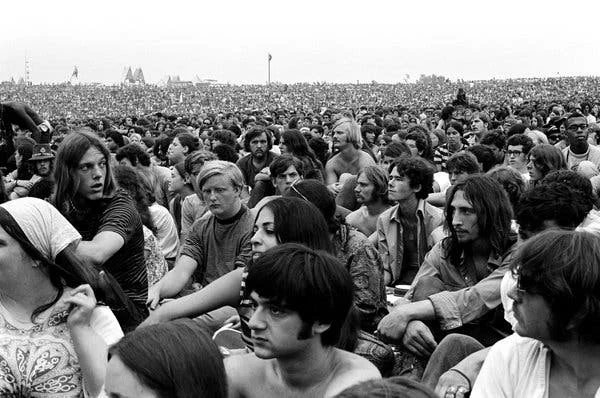
The format that Goodman employed for the film reminded me a lot of what Peter Jackson did last year with his fantastic documentary, They Shall Not Grow Old, in that we never cut back to any talking heads, but have sound bites talk over the carefully selected photos and footage that Goodman and his team tracked down to place in the film. The sound bites range from the organizers of Woodstock, the writers of the documentary providing historical context, those who attended the festival, and even a couple of the musicians who played at Woodstock. So, all in all, it’s a diverse array of talking heads. As you watch the documentary, and see how everything came together, it’s incredibly fascinating that Woodstock didn’t become the 1960s version of the Fyre Festival, since the organizers knew the event wasn’t even remotely ready to go. It’s a marvel that this didn’t become an outright disaster. The archival video from Woodstock is a thing to behold.
Even if you knew absolutely nothing about Woodstock or the significance of the festival, this does a good job in giving the audience an overview of the times surrounding the festival, and a nice history lesson of how everything came to be. At 96 minutes, the pacing is smooth in that it never feels like it’s dragging its feet. The film highlights certain areas, so that each section can stand on its own, from the counterculture movement that was growing to the development of the festival. I had a basic knowledge of the casual information of the festival, so I was surprised with what I learned from this documentary with knowledge and comparison of the modern day Fyre Festival disaster. Even though Woodstock came down to crunch time, the orchestrators were able to focus on what they needed to complete, prepare for the worst, and even make the event free.
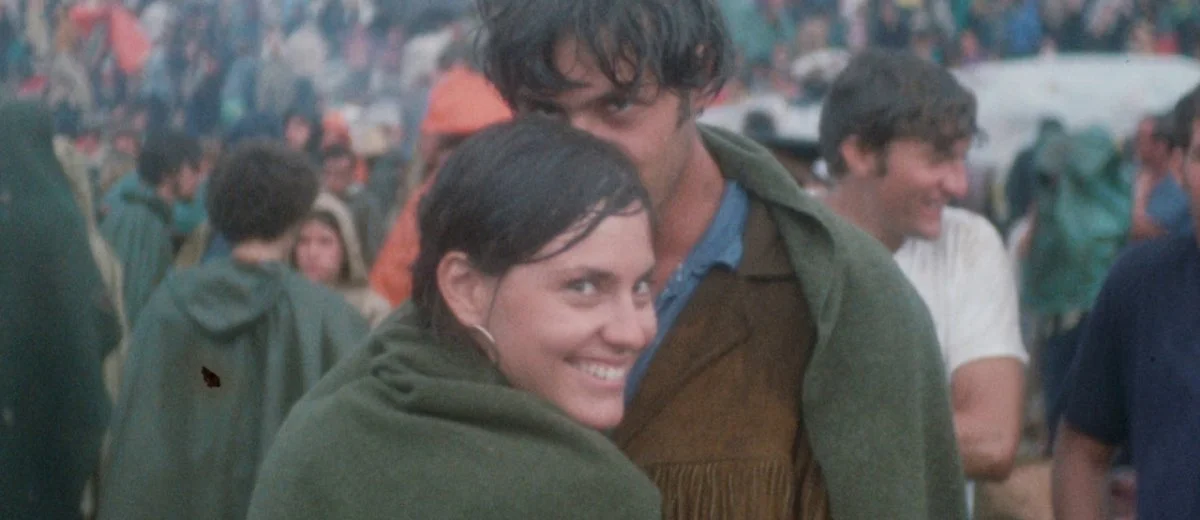
With what Woodstock could have done better is allow more of the musicians to talk about their experience playing at the fabled festival, even though we hear from some of the musicians who performed. I don’t know if it was the case that some of the musicians are dead, the archival audio wasn’t that good, or if they weren’t asked or turned down this documentary, but it would have been nice to hear more about their time up on that stage. Also, there were times where the documentary, especially during the first third of the film, relied more on the photos where it became a little bit like a powerpoint presentation.
Overall, if you grew up hearing about Woodstock, or were one of those people who attended this unforgettable festival, then Woodstock: Three Days That Defined a Generation is for you. It’s only fitting that for a festival that’s celebrating its 50th year, we look back on what this meant for so many people. As I mentioned before, this is nicely made, and absolutely mind-boggling that with the images that Goodman puts on display here, this festival didn’t fall by the wayside and collapse. Now, let’s see if they do any follow-ups about Woodstock 99, which didn’t go exactly according to plan, or if the upcoming one that the organizers are trying to get off the ground comes to fruition.
Rating: B
Tribeca 2019: "17 Blocks" Review
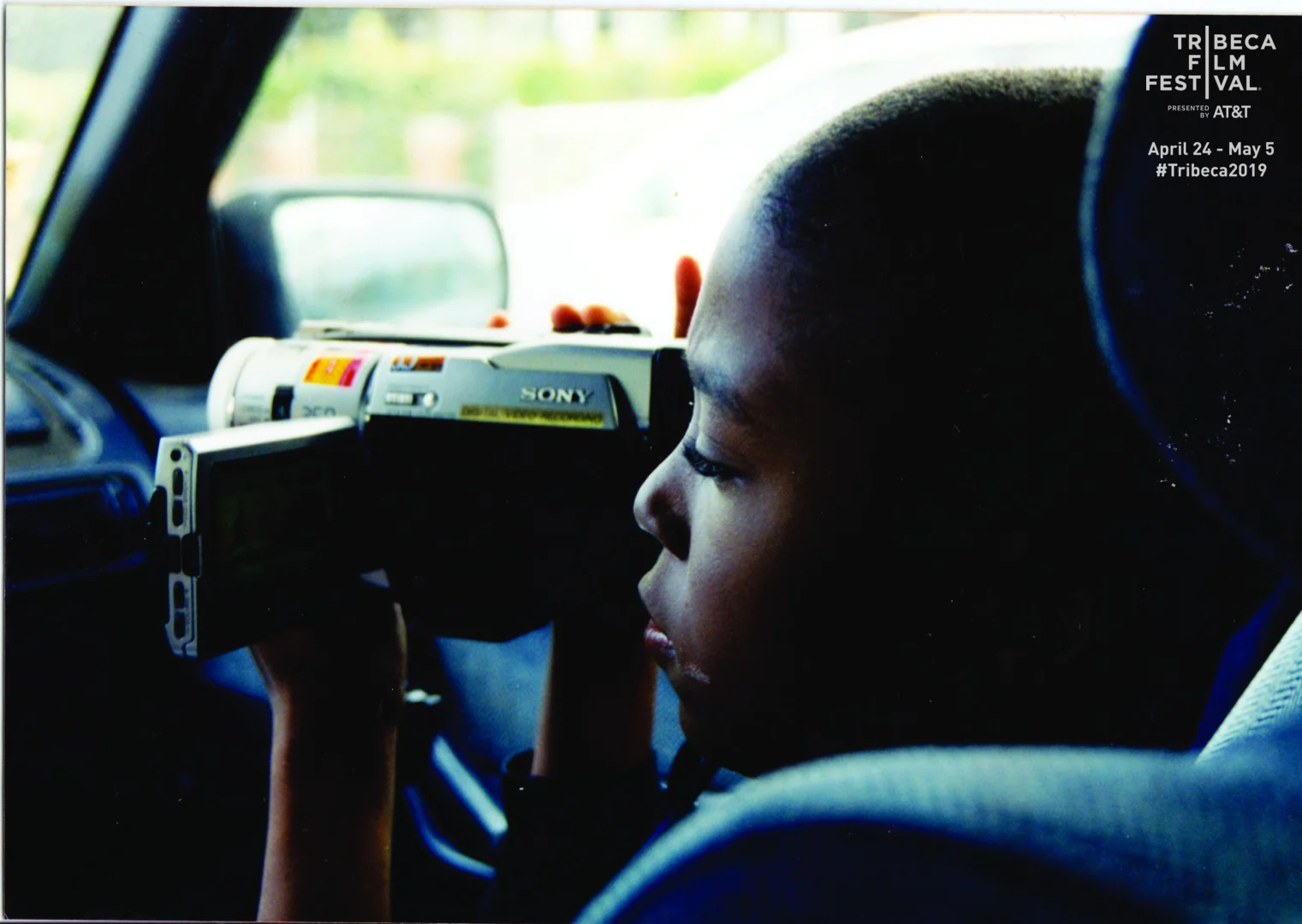
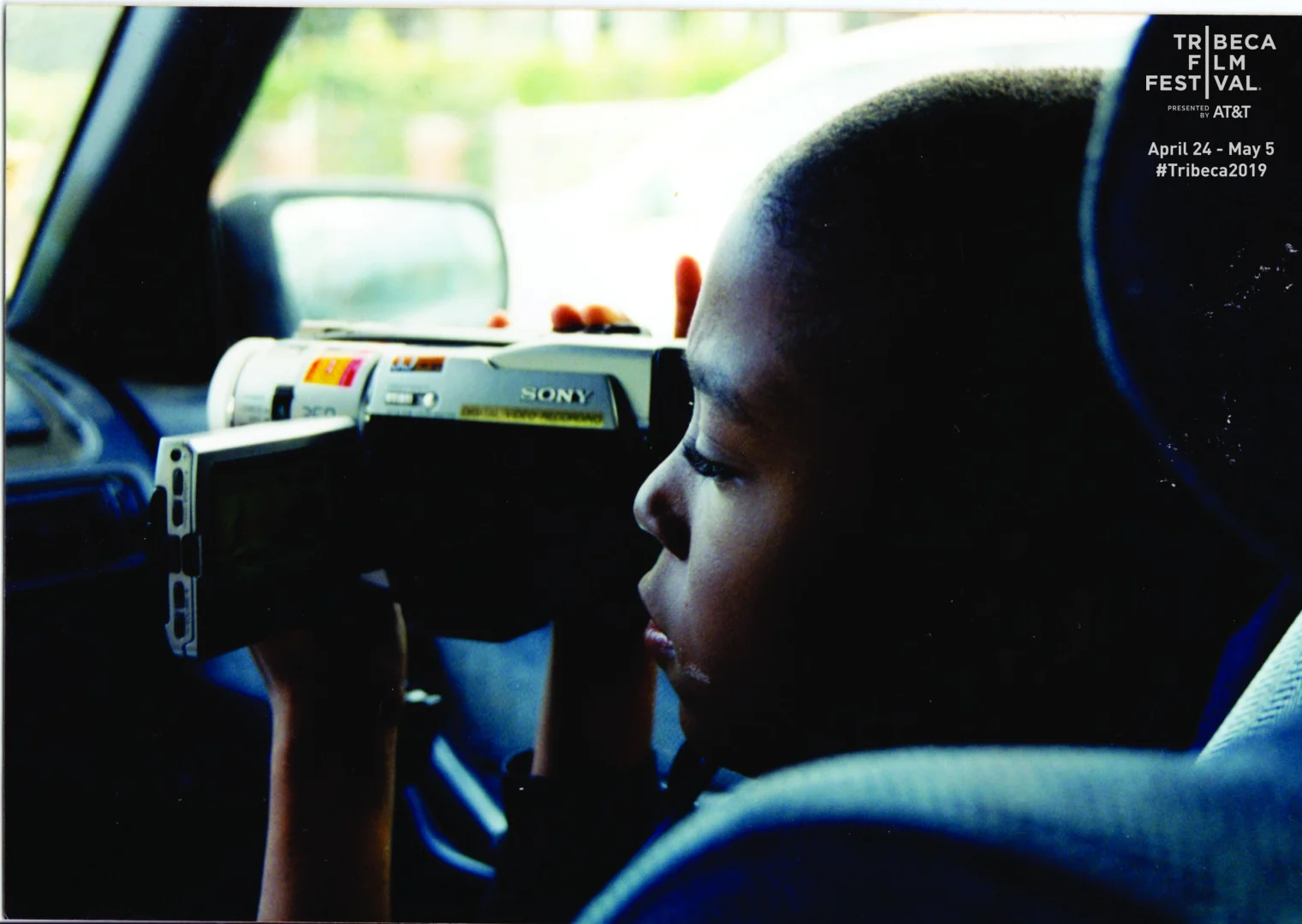
In 1999, nine year old Emmanuel was gifted a video camera. What he captured of his family over the following years would be the most poignant home movie ever cut together. “17 Blocks,” a film by journalist, bestselling author, Emmy® Award-winning filmmaker, creator of Found Magazine and contributor to public radio's This American Life, Davy Rothbart, is a profound narrative piece that takes the ‘Boyhood’ approach to storytelling and blows it out of the water.
“17 Blocks” chronicles—over two decades—a family, which like many, deal with their share of hardships. Cheryl, the matriarch of this ever-growing family, is raising her three kids alone. She is funny and charismatic, always harboring dreams of becoming the next Marilyn Monroe. Her dreams, however, are thwarted by responsibility and a cancerous drug addiction. These tendencies surely rubbed off on her kids who lacked a proper father figure. All but Emmanuel. Emmanuel had a lust for life, a drive and compassion for those he cared for. The only one in his family to graduate high school, Emmanuel had big plans of his own. Until it was all over in a second. The opening shot of this documentary shows a rainbow touching down over Southeast Washington, D.C. However, this story is not all rainbows and butterflies.
The year Emmanuel was shot by two, masked robbers, there were over one-hundred homicides in D.C. alone. The Sanford family and Rothbart have offered us this incredibly intimate insight into their world plagued by gun violence, poverty and addiction. The home-video aspect of much of this ninety minute non-fiction piece, feels invasive. We see what Emmanuel sees. Chilling and all the more impactful. We learned from Sean Baker’s “The Florida Project” that children offer a unique perspective to narratives replete with sadness and maturity because there is a youthful spirit that contests the tragedy head on with ignorant beauty. Emmanuel’s home video offers the cruelest of memories while he smiles through it all. His infectious spirit lives on in his young nieces and nephews who miss him dearly.
There are bright moments amidst all the sorrow, but the film begs the question: Why do bad things happen to good people? A truly introspective twist of emotions, both equally saddening as infuriating. But Cheryl offers a sage response to all the pain in her life in saying, “Hope is real, hope is alive, it’s what keeps us going, hope for better, hope for tomorrow.” Although she also recognizes that “some pain doesn’t go away.”
There is a moment when Emmanuel’s sister Denise is scrubbing his blood off the walls of their tiny apartment with a t-shirt rag as Beyonce’s “Irreplaceable” plays in the background and her children look on asking, “Where is uncle Emmanuel? Where is uncle Emmanuel?” To which all I can muster is a thank you to the Sanford family for being brave enough to share their story with the world. This film rips at the heart with focused blows. It is relentless. It is a cinematic triumph, but more importantly, it hopefully evokes change out of the people who have the ability to make an impact in these communities.
As a wise woman once said, “Hope is real, hope is alive, it’s what keeps us going, hope for better, hope for tomorrow.” I like the sound of that.
Grade: A

Tribeca 2019: "Blow The Man Down" Review- Crime Thriller With Coen Brothers Feel
If the death of their mother wasn’t difficult enough on the Connolly Sisters (Sophie Lowe and Morgan Saylor), now they have to maintain the family business, pay for a large home they cannot afford and deal with the strange behavior of their late mother’s friends. Then one of them kills somebody. If they want to, Bridget Savage Cole and Danielle Krudy are going to be making films for a long time. Both graduates of Wesleyan University, Cole and Krudy teamed up for their first feature with “Blow the Man Down”—a bold first film that, although presents some familiar story beats, offers a gripping narrative that exudes originality.
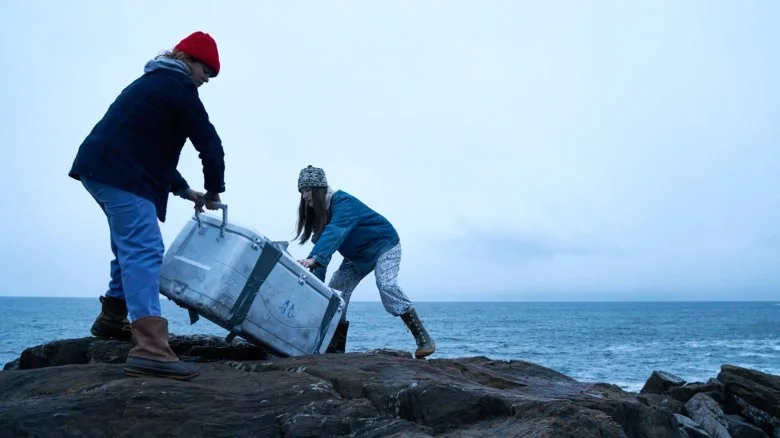
“Blow the Man Down” begins in song, a fisherman’s hymn you may hear at a bar. The song resurfaces in the film at different occasions as if the images on screen are merely the poetry between the lines of the song. I’d like to think the captain of the fishing boat, boasting his aria, is sitting us down to tell us a tale from long ago over a few pints. This approach to the narrative evokes a classic Coen brothers feel, like a “Fargo” set in Maine. It is the darkest of comedies but the humor works and this writing tandem knows exactly when to implement it.
The film is a mystery, a thriller, full of the classic tropes: the bag of cash, the hidden murder weapon. And to stress further, the discoveries of the above by our protagonists feels convenient at times, as if to only serve in pushing the plot forward. I must admit, however, this is a stretch for a criticism. The development of character and story is handled with aplomb. It is clear these two storytellers focus heavily on their characters.
This film boasts a powerfully female-led cast which features Annette O’Toole, June Squibb and is helmed by Margo Martindale who is a force to be reckoned with. Martindale plays Enid Nora Devlin, a businesswoman who presides over an eerie bed-and-breakfast called the Ocean View. Except, the place is a brothel. Enid has been running this joint for years, and although she now flies solo, once had the help of her friends. As the criminal operation soon unfolds, it threatens to unveil the disturbing underbelly of this seaside town.
The photography of the film is beautiful. The geography of the area certainly lends itself well to a majestic looking picture, laden with intense blue hues. While pleasant to look at, the thrilling nature of the story acts like a car crash—impossible to look away from. What Krudy and Cole steer clear of, however, is the ominous-music-thing-lurking-in-the-corner-bit. Of course, this twist is refreshing in that we have but the performances to lean on for the thrill.
After premiering at Tribeca this April, “Blow the Man Down” is still looking for U.S. distribution, but I have no doubt Krudy and Cole will find their audience. This is a true ensemble piece. A film that introduces two cinematic voices that, as Loren Hammonds puts, “won’t soon be forgotten.”
Grade: B+

Tribeca 2019: "Other Music" Review- A Cacophony of Memories

“Other Music” is one of this year’s feature documentaries at Tribeca, a film about a record store that opened in the East Village in 1995. If I took away anything from this documentary, however, it is that Other Music was not just a record store.
This documentary was directed by married couple Puloma Basu and Rob Hatch-Miller, an LA-based team that has specialized in music video production and recently collaborated on the soul music documentary feature Syl Johnson: Any Way The Wind Blows. The film chronicles the store’s 20-year history and features artists and bands such as Regina Spektor, Vampire Weekend, Animal Collective, the Yeah Yeah Yeahs, the Strokes, Interpol and TV On The Radio. The record store, which closed in 2016, was a solace for the independent musician. It was a destination for artists, industry representatives, music lovers and wanderers alike. It was a place where bands were formed and friendships blossomed. Other Music created an environment that supported musicians and allowed bands to grow, which ultimately served as a great influence on the music scene in New York City.
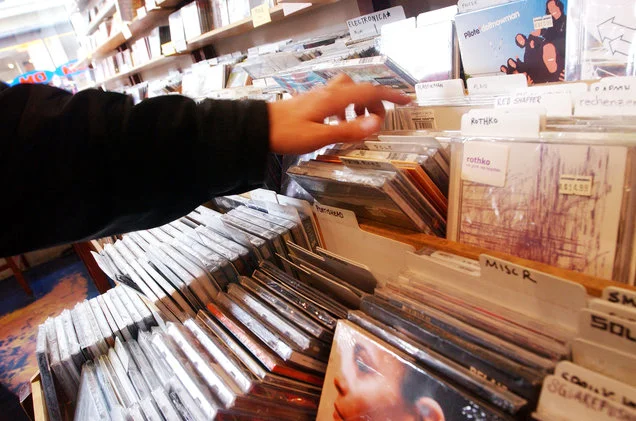
As retail stores lose business to online shopping, Other Music reminds us how human interaction can help nurture a community. When you enter the store there are shelves replete with vinyl, many of which records are labeled with a hand written note card. A professional vote of confidence for the work. There is also something gratifying about owning something tangible you spend money on. The spirit of this record store certainly lives on in a world dominated by online streaming services. The film does a great job focusing on employees of the store as well as customers who frequented the shop, and these customers cried when the store closed. I may have even broken down watching this film and I never had the chance to go there before it closed, but I digress.
From a storytelling perspective, Basu and Hatch-Miller succeed in chronicling a beginning, middle and end. They take you on a journey that offers great company and even better music. They extinguished my only criticism of the piece with a cacophony of noise, but I had to wait until about two-thirds the way through the film. From an editing perspective, the cuts could have been more inventive, creating a rhythm to compliment the narrative. But as the story neared the end and the store closed, the directors made their own music. It was a beautiful and emotional ‘Trashing the Camps’ style tune that satisfied the itch for something more self-reflective.
It is important to note that I don’t typically end a review in personal anecdote, but I’d be remiss if I didn’t articulate the profound impact this film had on me. As the credits rolled the theater erupted in applause, I calmly rose from my seat and exited quietly so as not to disturb the fellow movie goer and I walked. I walked to 15 E 4th St, just blocks south from the theater. There’s a coffee shop there now, one of many in the area. But just a few years ago was a record store that changed many lives.

Basu and Hatch-Miller welcomed me into their world of groove and funk, rock and roll, pop and disco, they sat me down for a history lesson and spit me out onto the streets of New York looking for an album that could fill the vacancy they created. In a world cluttered by noise, this film broke through it all with a heartfelt focus and all I can say is ‘thank you.’
Rating: B+

Tribeca 2019: "Noah Land" Review
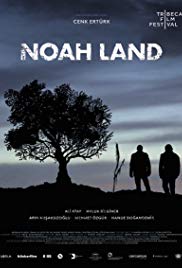
A thoughtful and provoking debut from Cenk Ertürk, “Noah Land” immediately grabs you with a nostalgic score whose auditory familiarity is appropriately somber.
Coming to terms with his terminal illness, Ibrahim (Haluk Bilginer) asks his son Ömer (Ali Atay) to drive him to the village in rural Turkey where he was raised. However, Ömer soon realizes there is an underbelly to this request that slowly surfaces. In short, Ibrahim wants to be buried beneath a tree he planted as a boy. This tree, and more specifically this land, however, had been in dispute which is what cast Ibrahim’s family away from the community years ago. Since, the land has become a holy site of sorts, deemed the “Noah Tree” after the Biblical figure whom the villagers believe first planted it. Ibrahim, adamant of his just burial, must convince his ever-conflicted son for help while he too battles his own demons: a divorce and an insatiable anger brewing out of unaired grievances between himself and his father. Sentimental perhaps, but it is unclear what Ertürk is aiming for with this film. A slow-burning, dry drama that leaves you questioning how you feel about any of it all.
Ertürk uses a conventional color palette nicely throughout, replete with fiery oranges and deep-sea blues. He also uses earth tones as a crutch and the natural beauty of the landscape, for which no one could be faulted. Not as much a conversation piece but more a declaration of fact: rural Turkey is beautiful. Of course, then, Ertürk uses the tree as a central motif to bleed through the photography and color design of the film.
While the score offered a soft blanket to rest on, the sound mixing needed work. Oftentimes too loud, the SFX of breathing felt more like an editing misstep than a creative choice. But the issues didn’t stop there. The film’s problems begin almost immediately, as Ertürk throws the audience into the deep end without explaining how the principal characters connect or even why they act the way they do. Let us begin with the first scene with Ömer and Ibrahim. Ibrahim, sick and elderly, struggles to get out of the car and even more so on his walk into the nearby convenience store. Yet his son, Ömer, not only doesn’t offer to help him, but takes a piece of gum out of his mouth and wedges it into the lock of the passenger side door so that his father must sit in the back. Without the context of their relationship, Ömer’s action appears unnecessarily cruel. Even when we learn more about Ibrahim’s abandonment of Ömer and his mother, it is difficult to sympathize with him.
That being said, as Ibrahim states, “there is a very fine line between revenge and justice,” and Ertürk is using the character to explore that idea. And while Ömer’s relationship with his father is sensibly complicated, it’s his relationship with his ex-wife, Elif (Hande Dogandemir), where things really get muddled. This, of course, is not to discredit the characters themselves because all three actors give incredibly evocative performances. Simply put, Ertürk hasn’t given the audience the means to understand their unique perspectives.
In a thematically driven narrative where metaphor is ubiquitous, it is expected that Ertürk wouldn’t stick every landing. But I’d be doing a disservice to dismiss this film entirely as a failure. It has a plethora of redeeming qualities that would bring me back for a second viewing, including an ending that makes you question—what is it in our dreams that causes us to act in the present? The longer we spend with Ömer and Ibrahim it is clear the apple doesn’t fall too far from the tree, and at its core, this film paints that picture nicely.
Grade: C+
"Family" Review: Family Over Everything?
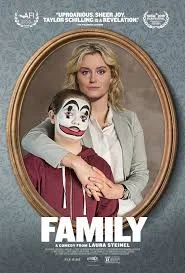
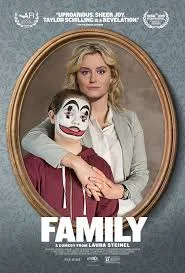
Family is one of those movies where you take a despicable person, give them a small redeeming quality, and put them in a position or on an adventure that changes their lives positively, somewhat. So why watch a movie about a person you probably wouldn’t like in real life? Well with writer/director Laura Steinel at the helms and laugh out loud performances from Taylor Schilling and Kate McKinnon it’s definitely for the laughs and quirk.
Kate Stone (Schilling) is a career-focused woman who is oblivious to everything outside of working hard and climbing the corporate ladder. That includes her co-workers feelings, what comes out of her mouth and spending time with her estranged family. So when her brother (Eric Edelstein) calls her to come watch her niece, Maddie (Bryn Vale), it’s not a surprise that she’s reluctant.
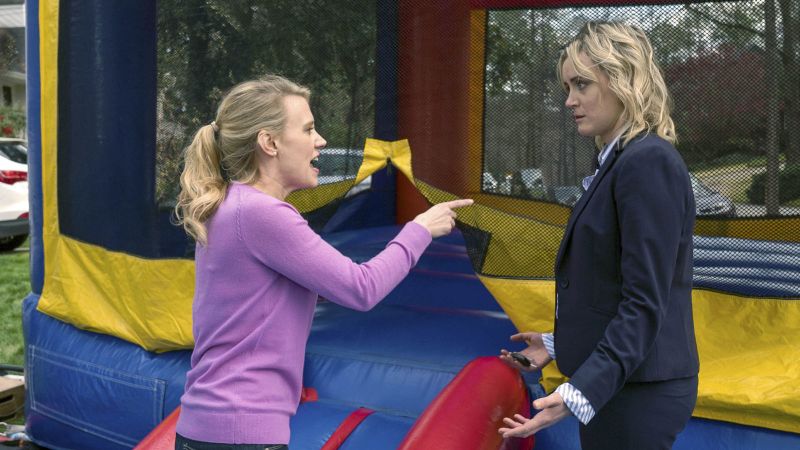
The fish out of water aunt quickly learns Maddie’s habits, like going into the karate dojo led by Pete (Brian Tyree Henry) after ballet. Kate’s not good at babysitting. Laser focused on work, she leaves Maddie at a gas station where she meets a young juggalo (think Dead Head but Insane Clown Posse) who shows an interest in her. Kate also let’s her eat all the chicken parmesan she wants at night. Yet, the longer she hangs out with Maddie, she sees the part of herself that went cold after being ridiculed in her youth. It’s the ability to save her niece’s spirit that helps her heart grow three sizes.
This film is all about comedic timing. Schilling shows a comedic range that Orange Is The New Black fans may not have seen before. McKinnon makes brilliant choices that only she could as the nosy, fit mom next door. While Brian Tyree Henry’s awareness and ability to respond in a scene is so fun to watch. Steinel’s preparedness to get all the cast on the same page in setting a tone for the film is admirable.
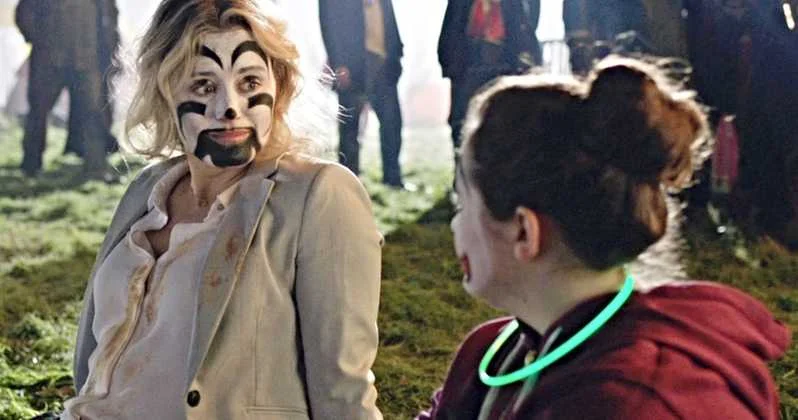
Family is an indie, film festival lover’s film. You have to be willing to stay on board throughout the decrescendos in plot to move to the next funny moment. The life lesson and heart of the story has been done before, but it’s still an enjoyable retelling of it. A reminder to celebrate our eccentricities, and have your family’s back regardless is always welcomed.
Rating: B-
Sundance 2019: "Luce" Review
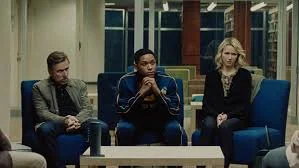
Luce explores the delicate line between the perceptions that people have of other people versus the truth of who they are. While our individual experience is on a spectrum, human nature and history has placed its construction of race in boxes in order to “understand” each other. This film allows its main character to work within the constraints of those boxes to exploit the system in a powerful way that puts some of those ideals on trial.
Luce Edgar (Kelvin Harrison Jr.) was adopted from war-torn Eritrea by his white parents, Amy (Naomi Watts) and Peter (Tim Roth) at the age of ten. His parents helped him get through years of therapy to heal wounds from being a child soldier, and sacrifice to provide him the best life possible. Now a senior in high school, he’s fully acclimated to America and in fact, is a stellar student! He’s a beacon of light for his fellow students, especially the black population, and the weight of that is heavy on his shoulders.
The film’s inciting incident occurs when Luce’s teacher, Harriet Wilson (Octavia Spencer), calls Amy in to talk about a discovery she’s made. After tasking the class with an assignment to write a paper in the voice of a historical figure, Luce chose the radical Frantz Fanon, who believed in hurting others for a cause. On top of that, Ms. Wilson searched Luce’s locker and found illegal fireworks that pack the same punch as a shotgun. Ms. Wilson’s motive for bringing Amy in before letting anyone else make the discovery is to protect Luce’s reputation and make sure he succeeds.
With this information and the materials in her possession, Amy talks to her husband as soon as she gets home. This initial conversation is where both Amy and Peter start making judgements on Luce’s character, and we as audience members must make our own conclusions on the situation as well. As the story moves forward, little by little, we find out more of the big picture of what’s happening at school and see how characters in this world make judgement calls based off of pre-conceived and personal thoughts.
Situations like Stephanie Kim’s (Andrea Bang) possible rape during a party, and Luce’s ex-teammate Deshaun (Astro) getting caught with weed in his locker are all brought to the forefront of conversation in the film. What does it mean for Luce’s reputation if he participated in either of these activities? Why does Luce get special treatment over his friends? What does it feel like to be the person that everyone looks at for hope and expects to be virtually perfect?
While the film does interrogate these questions and the American dream on a large scale, screenwriters J.C. Lee and Julius Onah nail what being black, talented, and on a pedestal in America feels like. The ideal of tokenism (the one black person in a room/organization/team/etc.) and pressure to be on is something that Luce feels constantly, and is spot on. They find a sweet spot in making their point without hammering it home, which is hard to do.
Ultimately, this play turned screenplay is brought to life by its stellar cast. Kelvin Harris Jr. is undoubtedly an actor to watch! He commands the screen and authentically connects with the ability to perform in different spaces with uncanny finesse. The scenes where Octavia Spencer and Harris Jr. face off are electric and the things award nominations are made of. Tim Roth and Naomi Watts embody the sacrifice parents make for their children, and the individual struggles of giving blind trust versus questioning your child. Even the supporting cast members like Andrea Bang and Marsha Stephanie Blake (who brilliantly plays Rosemary Wilson, Ms. Wilson’s mentally ill sister) are exhilarating to watch. Their characters are real, dimensional people that you can connect with.
The music by Geoff Barrow and Ben Salisbury swell with tension and put you on edge. It supplements the story that unfolds before your eyes in a way that hits on all cylinders. Luce is a film that you want to watch again to not only to catch what you may have missed in a scene, but also the ideals explored that you may want to ponder over more. It’s a must see!
Rating: A-
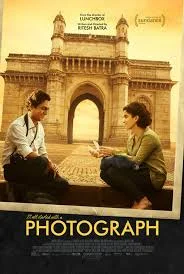
Sundance 2019: "Photograph" Review
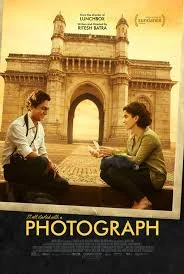
Photograph is a good example of how some stories in cinema are universal. It is a slow burn romance about a struggling street photographer named Rafi (Nawazuddin Siddiqui) in Mumbai who is feeling the heat from his grandmother to get married. He doesn’t just catch it from his grandmother, but his entire community seems to know how dire the situation is and they constantly remind him of it. After a chance encounter with prospective customer Miloni (Sanya Malhotra), whom he retains her photograph, Rafi does what any stubborn person would do in that situation; he makes it seem as though Miloni is his new boo.
For people of a certain age, the pressure from family and friends to get married is prevalent, and even more so in certain cultures. Both Rafi and Miloni seem to be stuck somewhere in between wanting companionship but wanting it on their own terms. After persuading Miloni to go along with the ruse, the two meet daily with Rafi’s grandmother Dadi (Farrukh Jaffar). As the film continues, little by little, the ruse seems to turn in to something real.
Farrukh Jaffar is absolutely stellar as Rafi’s grandmother! She’s too old to care how loud she is when she’s talking to you and her “mother’s heart”, as she calls it, doesn’t want to die without seeing Rafi married off. Every moment she’s on screen feels more like a documentary than a narrative film because she’s so authentic. Siddiqui and Malhotra give very reserved, internal performances as the main characters. Their eyes are the only way into their feelings.
While the film soars in building the budding love, writer/director Ritesh Batra asks his audience to take a journey that seems to start, stop, reverse and move forward. There are multiple scenes that are shown and then shown again down the line with more details revealed in such a way that doesn’t continue pushing the story forward but rather makes you question why it wasn’t revealed before. As Rafi makes a major attempt at winning Miloni over, we’re left wanting. With an almost two hour run time watching this romance bloom, one could ask if the ruse is on the viewer?
Rating: C+

"The Great Buster: A Celebration" Review

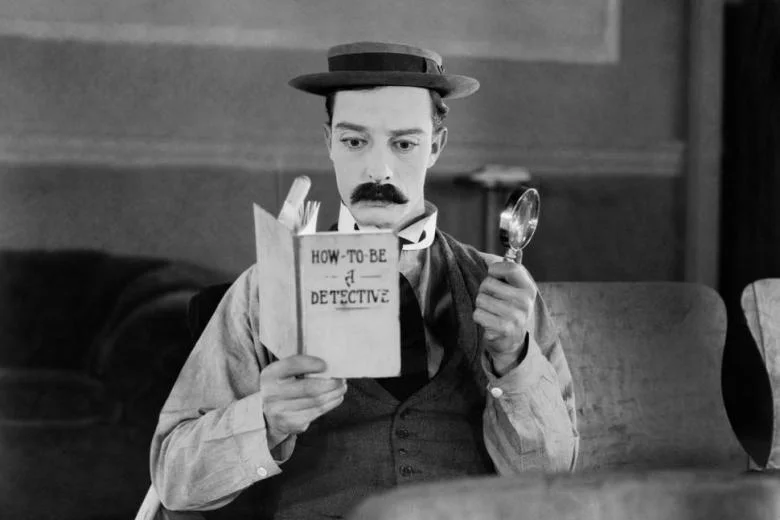
Buster Keaton is considered to be one of the most famous comedians and filmmakers from the silent film era. Nicknamed “The Great Stone Face,” Keaton was well known for his physical comedy, keeping a deadpan face, and never breaking a sweat when he performed a gag. His films have inspired countless generations and filmmakers. From filmmaker and film historian Peter Bogdanovich, The Great Buster: A Celebration often is an exultant look at what Keaton accomplished, even though it just skims the surface at times.
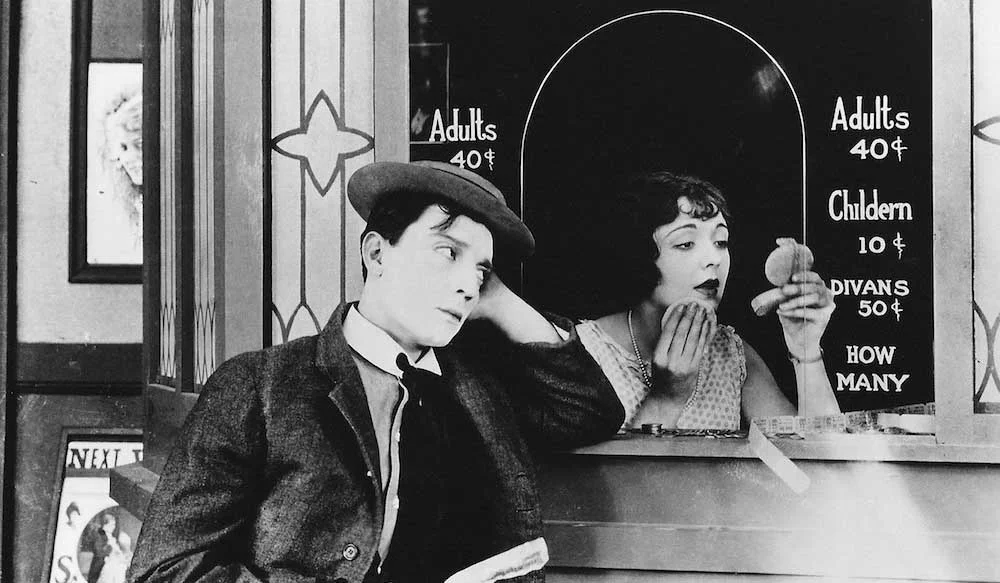
In the documentary, Bogdanovich takes a look at the life and career of Keaton. From his vaudeville beginnings to making his first shorts to becoming a star, Bogdanovich traces Keaton’s every step. Interlaced throughout are comedians and filmmakers who were inspired by Keaton’s work, while also highlighting the work that Keaton produced throughout his time.
This doc has the potential to create new fans of Keaton’s work. Bogdanovich showcases clips that still hold up today, and they’re the best parts of this documentary! Keaton’s stunts were crazy in the silent film era, yet still will make you laugh. It’s also enlightening to see how some of his gags were later inspired in future films and can be seen even today as homages. You can certainly tell that Bogdanovich has an appreciation for Keaton throughout the runtime. The documentary begins with Bogdanovich on a talk show talking about a story he heard about how Keaton reshot an ending to one of his films, Seven Chances. Bogdanovich also does a good job showcasing old photos, newspaper clippings, and even Keaton’s later works, including those where he starred in MGM films, so we can see how different Keaton felt and looked when he was confined to the studio system of filmmaking. Finally, the film assembles a good selection of comedians, actors, and filmmakers to talk about what Keaton meant to them and his influence on some of their works.
While Bogdanovich certainly knows what he’s talking about, sometimes his narration can be a little dry, like a film professor presenting a lecture to his class. While the documentary covers a lot of ground, it never dives deep into certain avenues that are brought up that could potentially take a more interesting route, like his time in World War I. Unlike other documentaries that have their subjects talk through archival footage, we never really hear from Keaton during the course of the doc, save for a clip Bogdanovich features from another documentary. Basically, what this documentary needs is more meat to its bone.
Overall, The Great Buster: A Celebration doesn’t delve too thoroughly in its subject matter, and therefore becomes a lightweight doc. As the subtitle states, this is primary a celebration of a comedian and filmmaker who still inspires filmmakers today. This is the type of documentary that will probably be shown in film school classes and appease film historians. If you’re a fan of Keaton’s work, you will get a kick out of this. It might also be a fine introductory course to someone who’s never seen one of his films before, and could be a gateway to experience more. If nothing else, this documentary shows what a genius Buster Keaton was.
Rating: B-
"Lez Bomb" Review
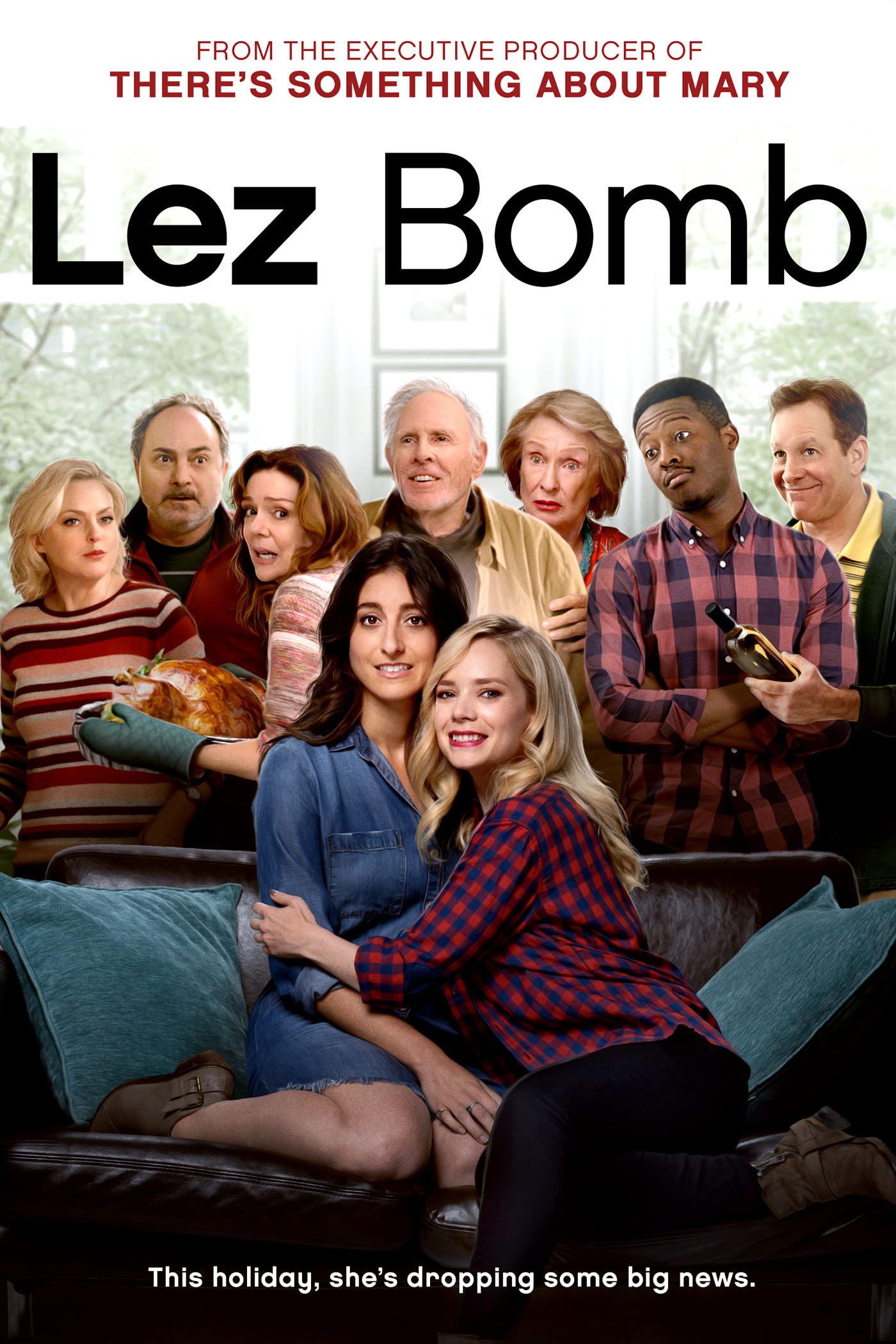
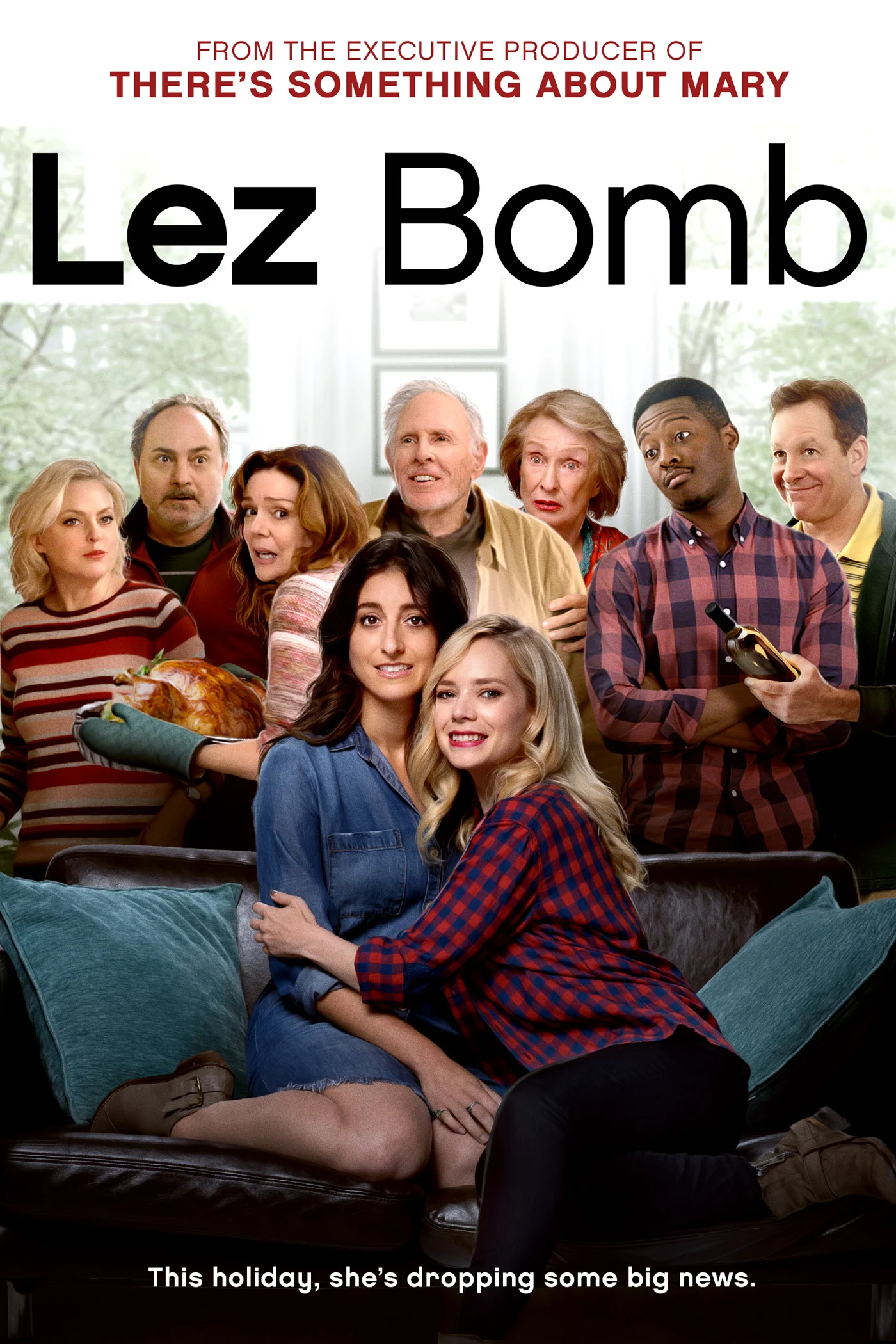
Lez Bomb is a classic movie game of kick the can. Cinematically it’s an extremely difficult game to play because you’re stringing out a big reveal for as long as possible. In this case, the strong cast of characters work with the plot points and crush the dialogue so you’re willing to engage. So while its central bomb feels more like a dud mortar, watching the game of kick the can play out is an absolute joyride!
Writer/director/star Jenna Laurenzo has penned a story in which Lauren (Laurenzo) plans to come out to her family during Thanksgiving by bringing her girlfriend, Hailey (Caitlin Mehner), home for the holiday. Her efforts are thwarted by her roommate Austin’s (Brandon Micheal Hall) arrival. This twist is hilariously smart in itself as Austin happens to be black, and the rest of her family automatically believes that this is the big news.
As Lauren tries to steer her family in the right direction, more family members continue to show up and block her goal for various reasons. Lauren’s on screen family is stacked with powerhouse talent who bring life to their characters as only they can. Kevin Pollak is George, Lauren’s protective father. He makes George a quirky, lovable, and hilarious dad who tows the line between realizing his daughter is a grown woman but still his little girl, which makes for hysterical exchanges between him and Austin. Lauren’s mom Rose (Deirdre O’Connell) is dealing with the recent death of her father, inheriting the family motel, and her misguided attempts to connect with her daughter in her own way. O’Connell’s ability to jump from thought to thought in her dialogue with minimal exterior expression makes Rose that member in your family...you know the one! Bruce Dern and Cloris Leachman make it look easy as Grandpa and Josephine respectively.
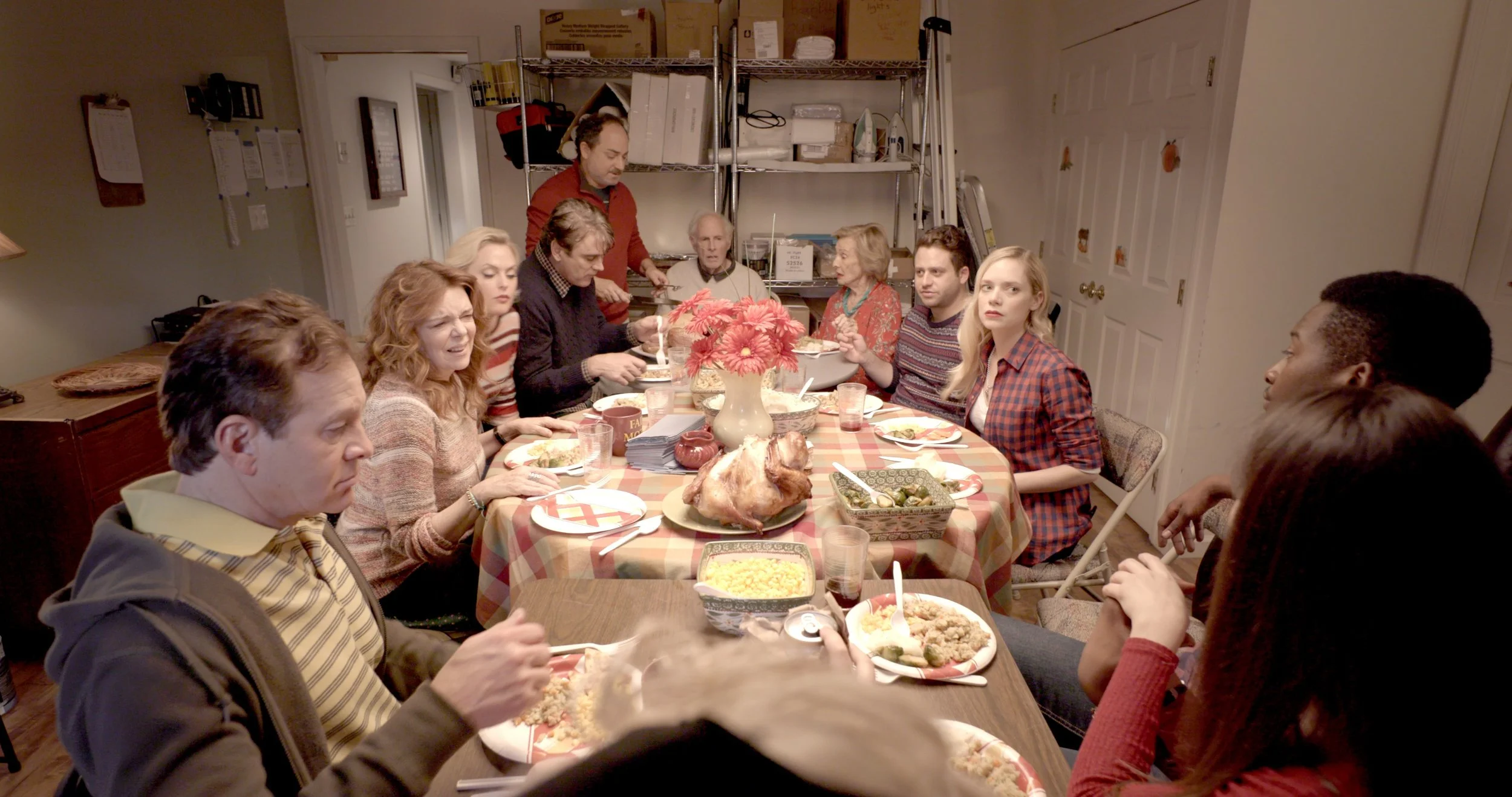
Credit has to be given to Laurenzo for her writing. It’s rare to find dialogue that doesn’t feel scripted, but captures the essence of the natural rhythm of family gatherings. The casting bolsters her words to create an on screen family that has a genuine sense of history in each line delivered. Laurenzo’s camera also catches both the mundane moments and verbal disses with a sprinkle of love and hate that every family can relate to.
The issue with Lez Bomb is that the coming out portion of the film, the bomb, isn’t really a bombshell news item to Lauren’s family, nor is it set up that way. You get the vibe that her news won’t be that big of a deal along the way because her family seems pretty liberal. There’s never a sense of real stakes in what her confession may cost her. Even if relayed through Lauren’s words. Instead, Lauren constantly asks Hailey and Austin, who already know, to give her more time to tell her folks when it’s a good moment. Not every coming out film has to be super dramatic, but the comedy is so good here that a nice dramatic turn or a feeling of risk would have made this movie more memorable. In an honest moment with Hailey, we get a brief glimpse of Lauren’s internal struggle and self worth, but it’s gone before it’s truly explored.
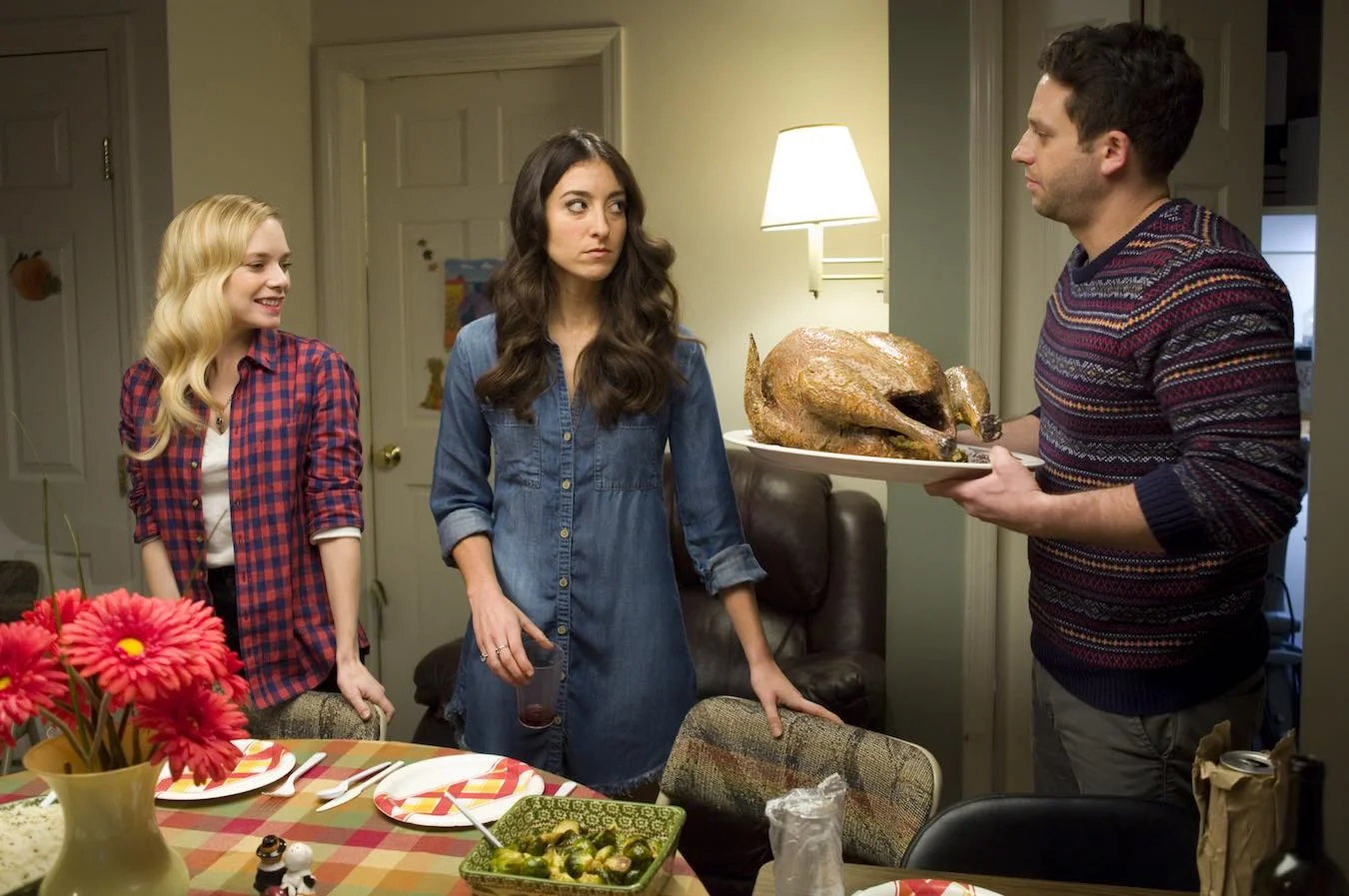
Also, the chemistry between Mehner and Laurenzo lacks authenticity. There’s a real sense of love and history between Lauren and Austin in a playful moment in the beginning of the film. One that’s powerful enough to set up a love triangle in subtext. This missing link sets Hailey up to look like a one note, complaining girlfriend, rather than the true love of Lauren’s life that she gives lip service to being.
Lez Bomb is certainly a feel-good, family holiday movie that’s filled with laugh out loud jokes. It’s quick witted dialogue separates it from similar indie fair. Director Jenna Laurenzo said she “wrote Lez Bomb because it was the movie I wanted to see but couldn’t find.” Perhaps it will inspire others to do the same. It’s certainly the perfect arthouse film to see with a group in theaters.
Rating: B-
"Studio 54" Review
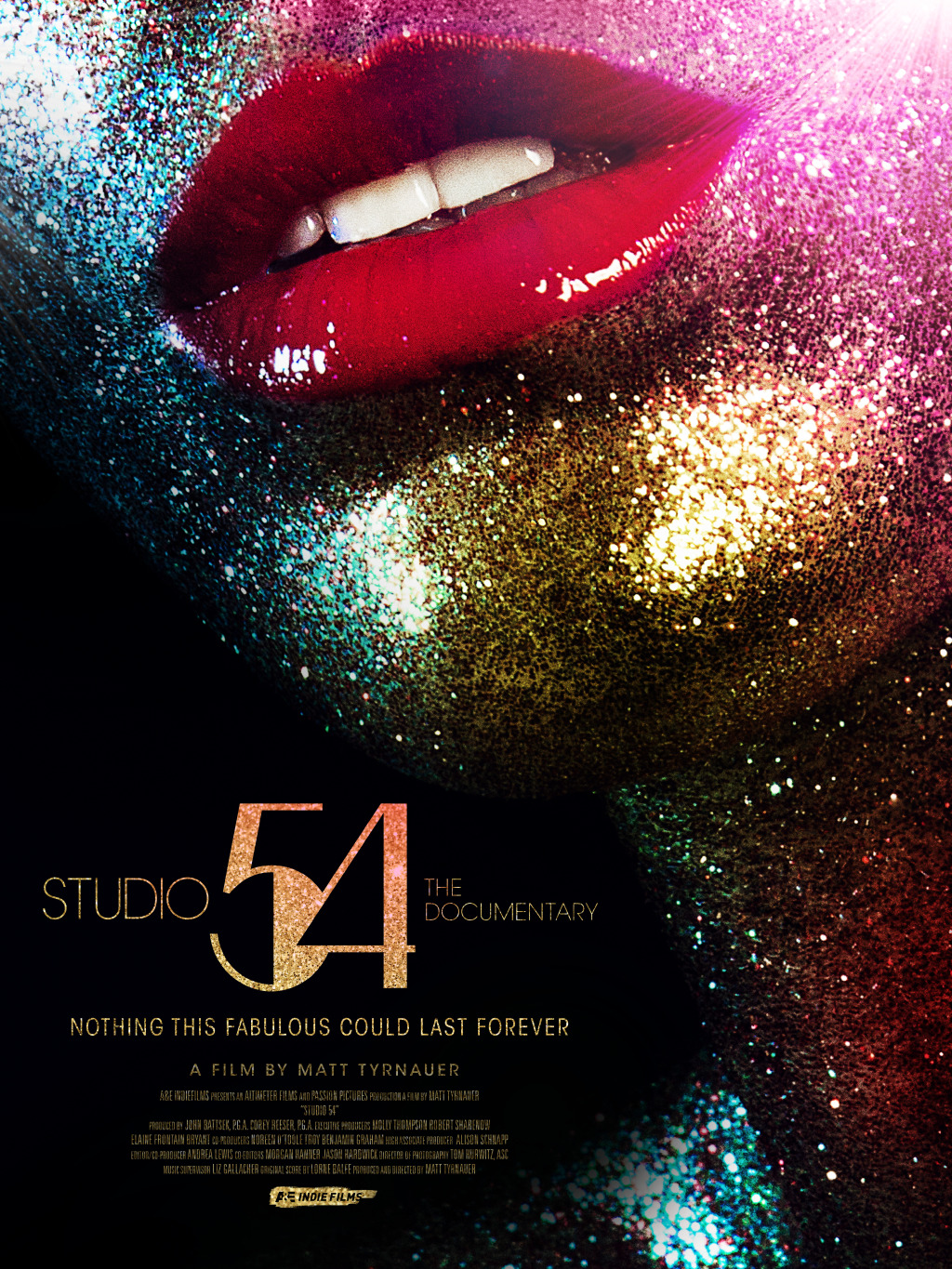
Studio 54 is the new documentary that takes a look at the famous New York City nightclub, or infamous, depending on how you look at it. From director Matt Tyrnauer, who’s past documentaries include 2008’s Valentino: The Last Emperor and 2017’s Scotty and the Secret History of Hollywood, Studio 54 is an entertaining look at a club that, if you could somehow get in, would transport you to a different world. This is a nightclub that quickly rose to the heavens, only for it to come crashing back down to earth. The doc succeeds in letting the owners tell the story themselves, giving the viewer the inside look at the impact Studio 54 had on everyone involved.
In the late 70s, college friends Ian Schrager and Steve Rubell opened up a nightclub on West 54th Street in NYC. At the time, it was considered by many to be one of the sleaziest blocks in town, due to it being rundown and a place you wouldn’t want to be at night. Taking over the building that used to be where CBS Television produced some of their hit shows, Schrager and Rubell created what they called the “ultimate club” and paradise. An overnight success that went beyond their wildest dreams, this became the hottest ticket in town for close to three years, where celebrities frequently attended. But like the story of Icarus, Schrager and Rubell flew too close to the sun, and after awhile, especially after comments made by Rubell that only the Mafia made more money than them, the IRS and the feds started knocking on their doors.
For the most part, Tyrnauer does a good job in balancing the documentary. While the nightclub is the main meat of the story, Tyrnauer wraps it around what’s essentially a biography on both Schrager and Rubell by covering how they met in college, decided to be business partners, why they decided to create Studio 54, and so forth. In a sense, they were perfect for each other. I think it was wise that Schrager waited until enough time has past so that he could properly reflect and tell his side of what went down. Like this summer’s Won’t You Be My Neighbor?, Rubell speaks through archival footage so that we hear from him also (Rubell sadly died from AIDS complications in 1989). Another neat effect that Tyrnauer and his editor employ is that we see a photo of a surviving member of the nightclub which transitions to them in present day giving their side as well.
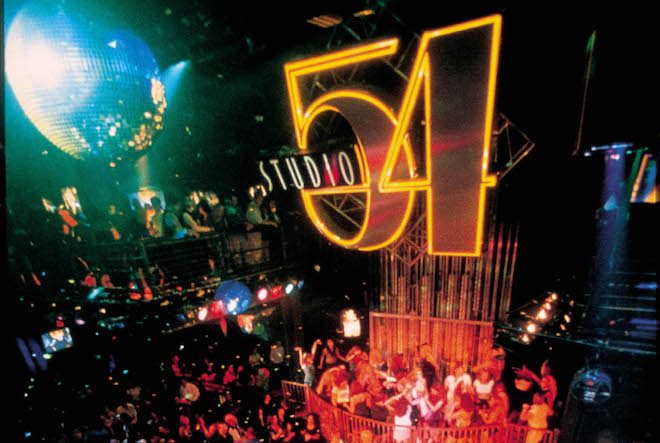
Studio 54 was basically a social experiment, ahead of its time in its inclusivity of the LGBTQ community. If the outside world shunned you, once you came inside Studio 54, it felt like home and no one cared about what you were as long as you were having a good time. The doc makes good use of old footage, from photographs to never before seen footage inside the nightclub it gives us a sense of what it was like to be there. Using news footage and interviews as well, including where Michael Jackson crashes an in progress interview with Rubell, is quite fascinating to see. For a 98-minute documentary, the pacing is good in that there’s never a dull moment within the film.
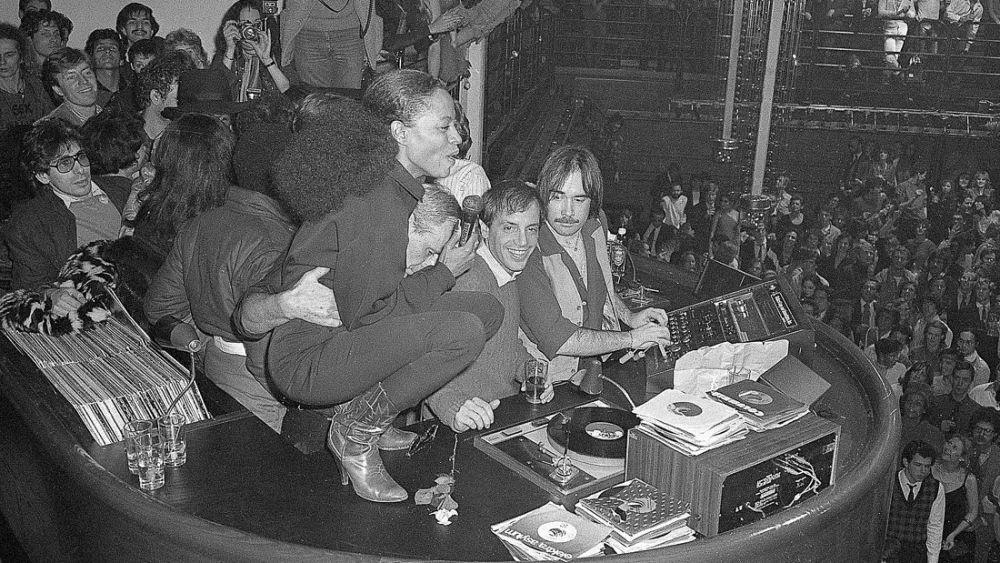
I think my biggest complaint about this documentary is that since the club was infamous in certain aspects, it somewhat skims the surfaces of how hedonistic and crazy it was to be inside the club. If you managed to get in in the first place, there are the wild tales of drugs floating around, hooking up inside, or having physical relations with someone you just met. They briefly discuss it, but it never dives deep into those areas. I also wished that they got more of the celebrities who attended Studio 54 to tell about their experiences within the club, since it was a popular hotspot for them. There are a lot of different avenues that this documentary could have taken, but it makes me wonder if they chose this route to get Schrager on-board to finally open up. One of the best moments of the film involves the prosecutor telling his side of the story after searching for evidence after Studio 54 was raided, and then the manager of Studio 54 tells it from his perspective. The juxtaposition was beautiful, and I wished that there were more moments sprinkled into the documentary where we see a back and forth like that.
Overall, if you’re looking for a more in-depth, critical look, you should probably look someplace else. From a documentary standpoint, while I wished that Studio 54 delved deeper in more aspects, the parts that Tyrnauer does treat us to are quite interesting and does provide some nice insight into it all. Even showing us how Schrager changed his life for the better (he was pardoned last January by President Obama). So in a way, it’s more of a celebration about what the nightclub was to everyone. If you’re in the mood to watch a good doc, I would suggest checking this out sometime.
Rating: B

"Kusama-Infinity" Review

Anyone with access to the internet over the last decade or so has seen the work of Yayoi Kusama. The 89-year-old Japanese artist's paintings, soft sculptures, and mirrored infinity rooms have captivated audiences around the globe. But this was not always the case; Kusama's long life as a creative has been fraught with pitfalls and setbacks; yet, the artist has pushed through adversity to become one of the most successful artists in the world. Filmmaker Heather Lenz's debut feature tells the story of the woman behind the art and provides a conventional look at the life of Kusama.
Growing up in post-war Japan, Yayoi Kusama decided to become an artist after a hallucinatory experience in a field of flowers. Kusama set off for New York, where she found herself fighting against a white male-dominated art scene that sought to both oppress and appropriate her work. Nonetheless, Kusama carried on, staging transgressive performances against the Vietnam War, upending the Venice Biennale, and expanding beyond the gallery into the worlds of film and fashion. The artist's career was filled with ups and downs, none of which kept her from creating her instantly recognizable work.

The abstract nature of Kusama's work contrasts with the way Lenz chooses to tell her story, which could be seen as both beneficial and harmful. Infinity is told in a very straightforward fashion that’s familiar to fans of documentary film. The film moves from event to event in Kusama's life throughout the short 76-minute runtime. It often treats what seem like pivotal events in the timeline as mere asides as it plunges towards the present. It doesn't help that these events are almost entirely dictated by a stream of art critics, museum curators, and professors, all of whom tell us what Kusama was feeling at the time. The artist herself appears briefly throughout the film but she rarely tells her own story. This may be due to the artist's reclusive nature but, nonetheless, it takes away from the overall narrative.
This story is an important one, touching upon many issues that still haunt the art world as well as society at large. While not breaking any new ground in regards to contemporary documentary filmmaking, Kusama-Infinity presents a clear overview of the artist's life- those interested in the story behind her work should see this film.
Rating: B
"A Prayer Before Dawn" Review
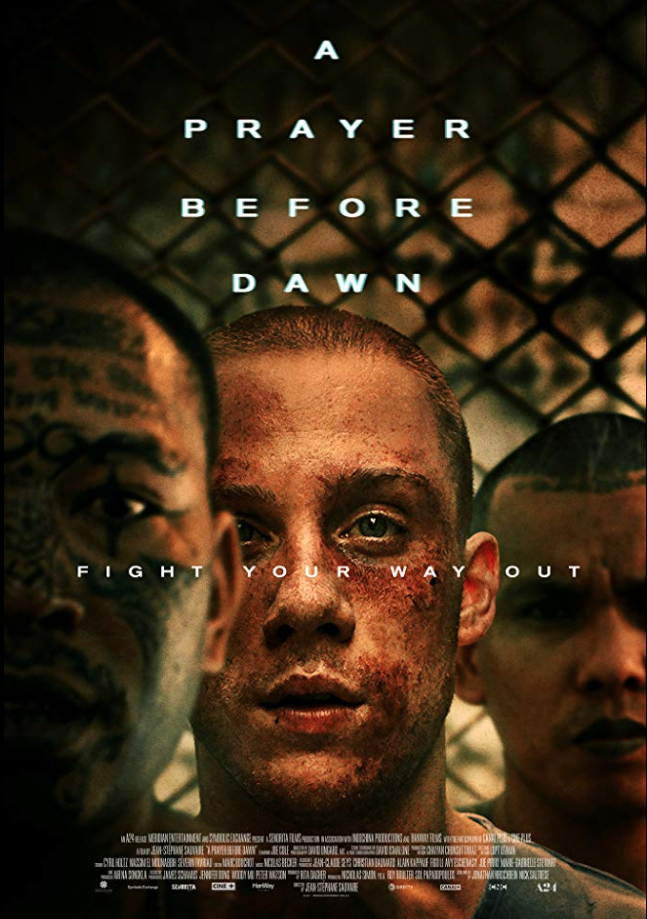
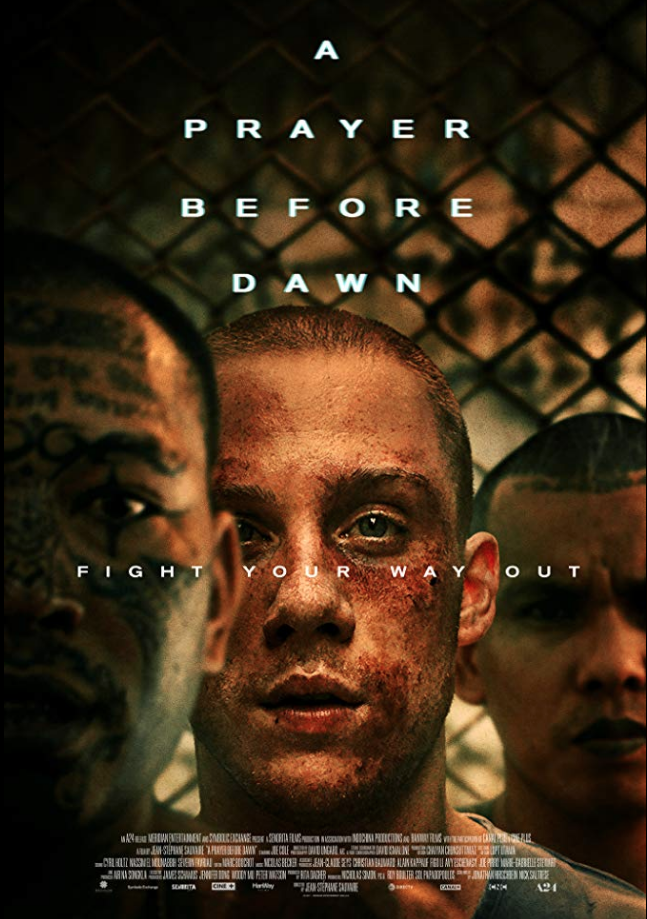
The history and evolution of film as an art form can be marked by the inventions and innovations of the past. Sync-sound ushered in a focus on dialogue and sound, CGI allowed for the expansion of the set beyond the limits of reality, and VR is posed to immerse audiences within content in whole new ways. These inventions often feel like an integral part of contemporary cinema, but sometimes a film comes along that says to hell with it all and trims the fat away; choosing to focus on what made cinema amazing in the first place-a moving image on a screen. Jean-Stephen Sauvaire’s A Prayer Before Dawn is one such film, and one of the most gripping, visceral pieces of visual storytelling to hit theaters this yearr.
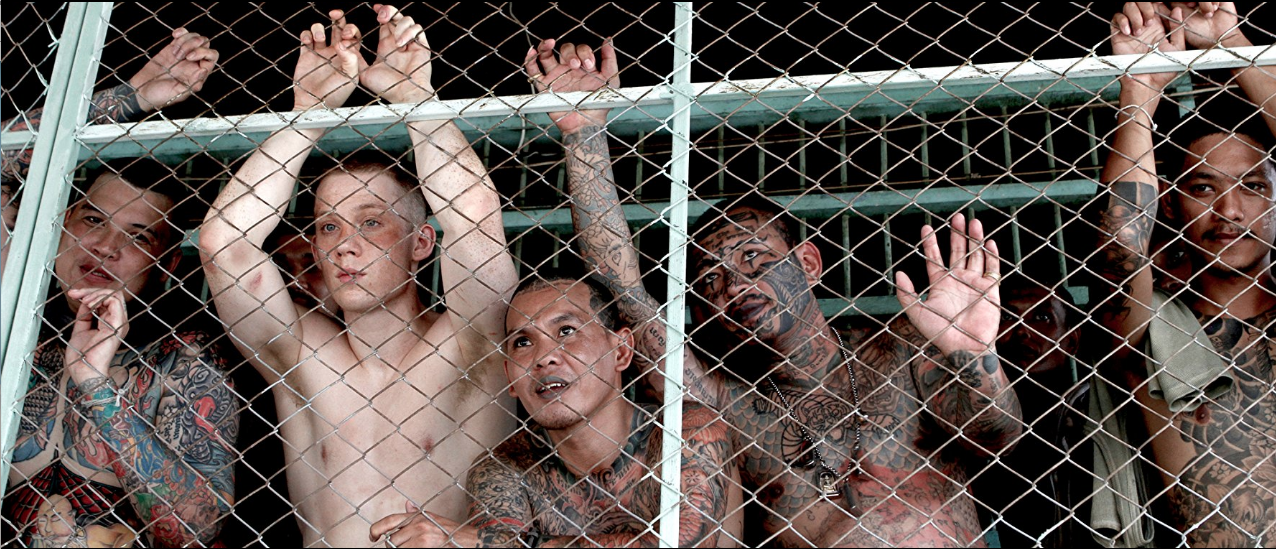
The film, based on the memoir of the same name, follows Billy Moore (Joe Cole), a methamphetamine addicted British national who finds himself fighting for survival in a maximum security Thai prison after the law catches up to his various criminal dealings. Forced to deal with gang warfare, a serious language barrier, and his drug addiction, Billy eventually joins the prison boxing team, but his new focus on fighting in sanctioned inter-prison tournaments may only offer a limited reprieve from the danger of prison life.
Filmed in a real decommissioned Thai prison and mostly populated with current and ex-convicts, the world of Dawn is an extremely brutal one. The camera exaggerates the cramped and crowded cell blocks, often isolating characters through bars or crowds of other inmates. Every-and I mean every-dark plot point related to prison life is shown in stark, unflinching detail. Dialogue is sparse, and is mainly delivered in unsubtitled Thai by Billy’s fellow inmates, creating an extreme feeling of disconnect while allowing the power of Sauvaire’s visuals to shine through. This barebones form of storytelling does require the viewer to maintain strong focus, as it could be very easy to miss key story points here. In a way the film uses this to force you to watch the horrors of the prison, lest one miss a necessary piece of the plot.
Although the film mainly focuses on its visual elements, we do get some sound based storytelling cues. These mainly come in the form of noise coming from outside the prison walls, reminding us and the characters inside that the world exists and is moving on without them. The general sound design is fantastic, especially during the fight sequences presented later in the film. Claustrophobic in-ring camera moves are coupled with the roar of the crowds, the hard smacks of the fighter’s blows, and traditional muay thai fight music, adding to the chaos pictured on screen.
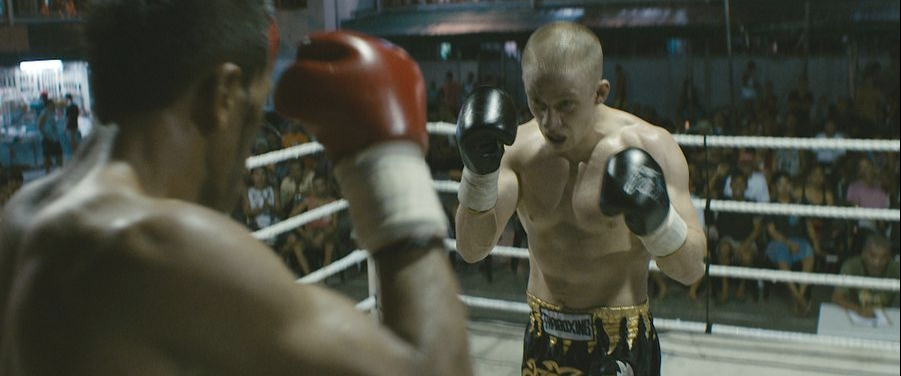
There has been positive press regarding Joe Cole’s portrayal of Billy Moore since the film’s premiere at Cannes last year, and I certainly agree with the positive press he has received. Cole exudes both strength and fear consistently throughout the film, adding to the feeling of uncertainty thrust upon the viewer. Praise should also be given to Cole’s costars: the Thai prisoners who draw on their previous experiences and knowledge to great effect. Dawn never feels like a film largely populated by non-actors.
As far as biopics go, A Prayer Before Dawn seems to only provide a glimpse into the experience of the real life Billy Moore, and quickly glosses over plot points other films may chose to focus on. It’s never really explained what exactly Moore was doing in Thailand, what his history with boxing was, and why he was estranged from his family (a point that is brought up multiple times, but never really explored). The small subplot of Moore’s relationship with a trans inmate (Pornchanok Mabklang) offers a slight break from the chaos, but ultimately serves as more of an aside than actual story beat.
Despite the vague nature of the plot I’m not sure if the muted story beats are a serious negative. This glimpse into Moore’s time in prison left me wanting to learn more about the real story, and I found myself ordering a copy of the source material after viewing Dawn.

Nonetheless, the film straddles the line between arthouse and grindhouse wonderfully, and I’m excited to see what the cast and crew do next.
A Prayer Before Dawn is currently playing in select theaters across the United States, and is available to rent on a number of online platforms.
Rating: A-
Maryland Film Festival '18: "Charm City" Review
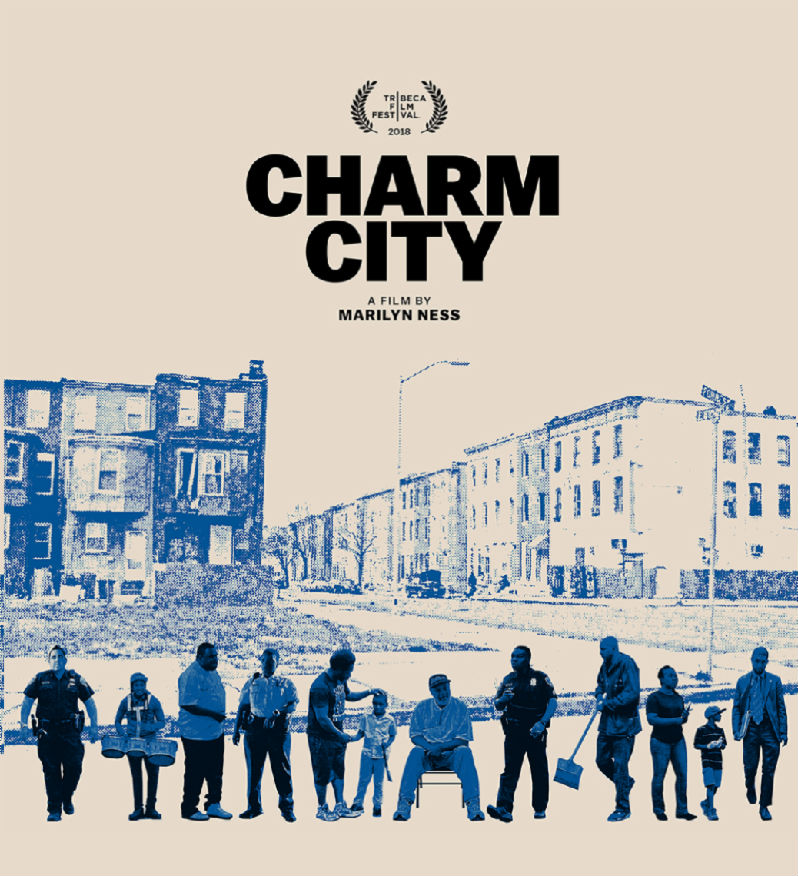
When you hear names like Freddie Gray and Michael Brown you immediately think of their respective cities: Baltimore, Maryland and Ferguson, Missouri. The lives of its community members are usually depicted via news footage, twitter images, or Facebook streams during the cities’ peaceful protests or outbreaks of violence. But what do these cities look like from day to day? Charm City aims to show two sides to the same story of how Baltimore deals with its’ violence in a heart-wrenching look at a city in crisis.
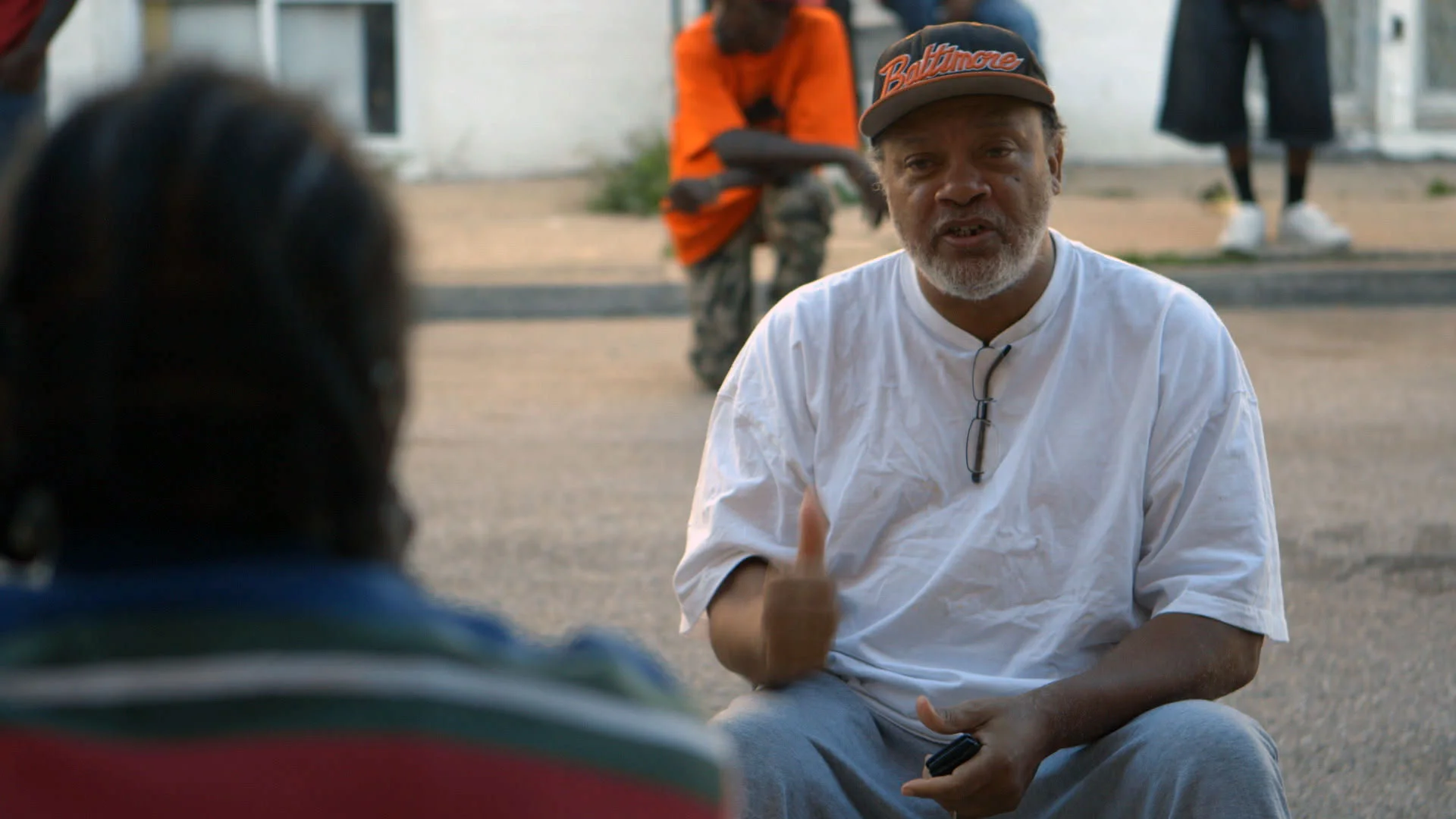
Baltimore filmmaker and award winning director Marilyn Ness spent three years in the Rose Street area of East Baltimore. The opening scene of the documentary sets the tone and pace for the rest of the film. As one of the doc’s main characters, Mr. C., a former corrections officer, talks with residents about the latest act of violence that has brought the police to their block in the middle of the night. Ness’s camera rests in the scene and editor Don Bernier gives us long takes of shots that won’t move on to the next like our brain wants it to. The result, is a feeling of actually being there. This is what a late night/early morning looks like for these residents. It’s reality, and reality isn’t roses.
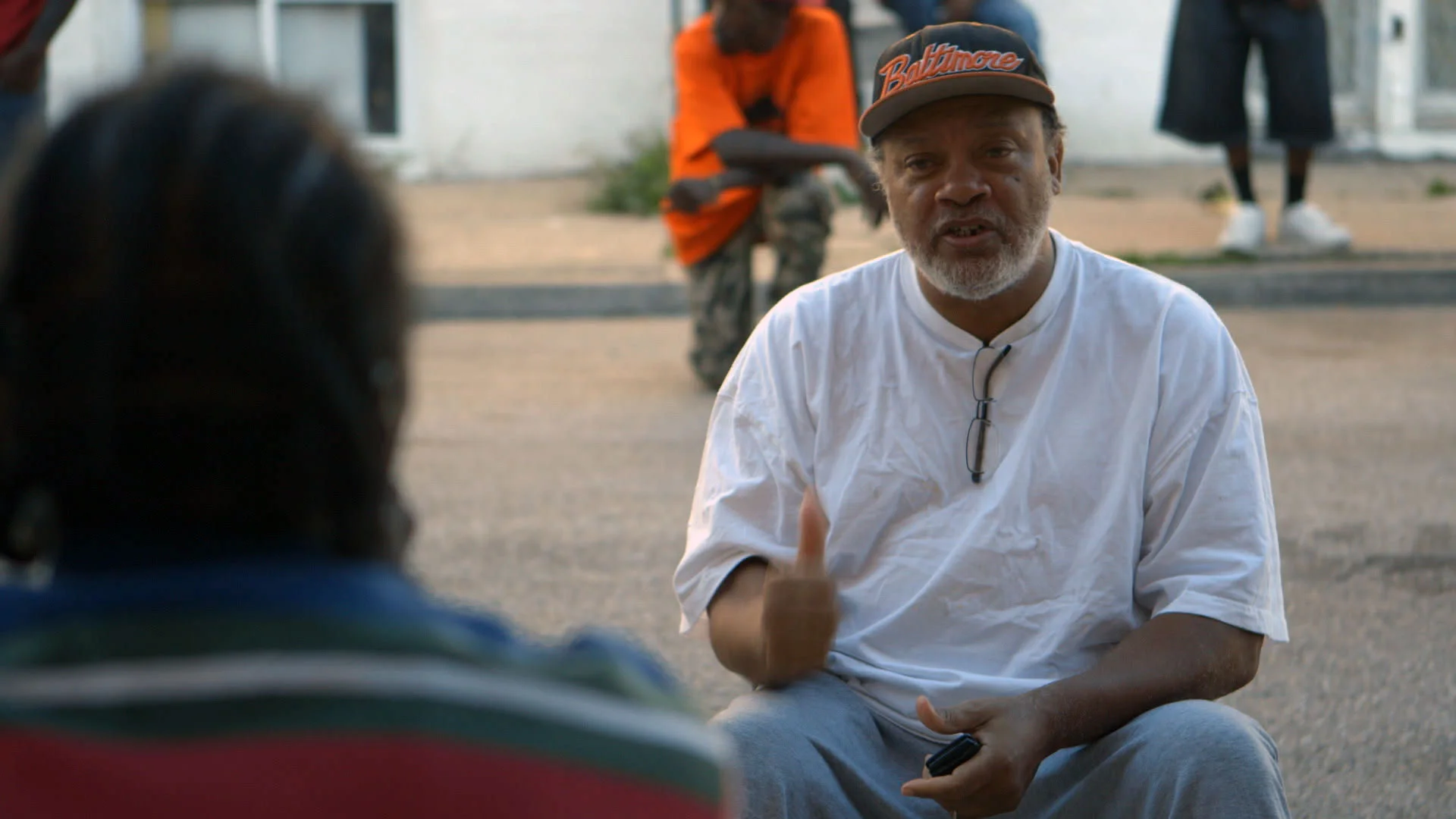
Mr. C leads the Rose Street Community Center. He is the heart of the community, hosting morning meetings that begin with a strong “good morning” that he expects to hear returned in the same way. He gives direction to the residents who participate in the Safe Streets initiative in which they clean the alleys and streets of Baltimore. Mr. C gives bus fare, acts as a male mentor, and distributes job opportunity information to those who need it. This is the way he combats the violence in the streets.
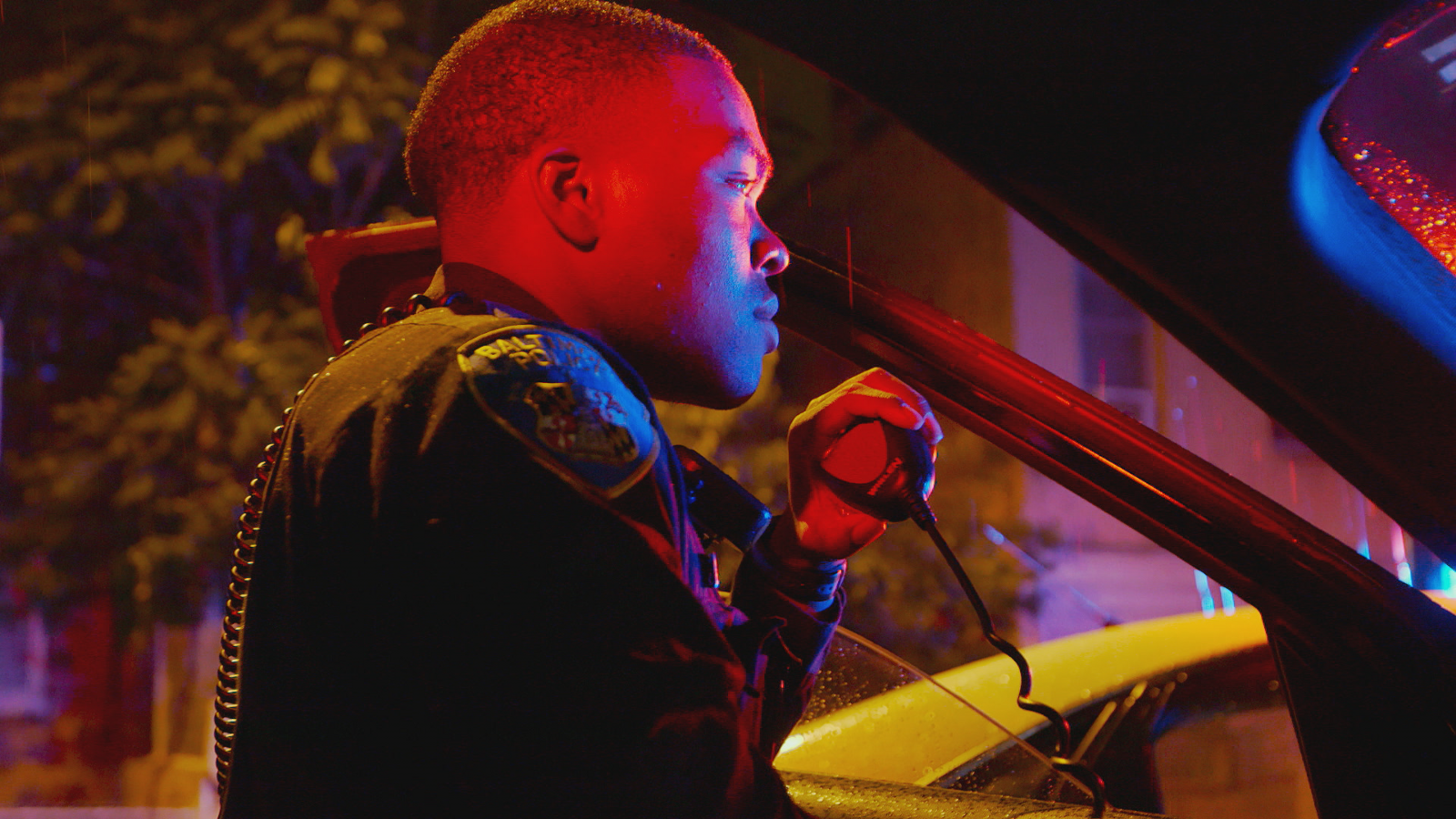
In the same way, we’re embedded in the police department with a variety of officers. We ride with officer Eric Winston as he answers calls. Again, the editing of these calls is sublime as we see Officer Winston respond to a call as humorously simple as an older woman trying to figure out how to block a woman that her husband of 27 years has been communicating with on Facebook, to a serious shooting that interrupts a stop he’s in the midst of that we hear on camera. The viewer feels embedded in a way that’s not like the old Cops TV show we used to watch. That show gave us wide shots during many scenes in order to “not miss anything”. Here, cameramen Andre Lambertson and John Benam direct our eyes to universal moments. Officer Winston’s hand riding the air out of an open window, the unnatural look of a face hit by flashing police lights, or the glimpse of an old man on the street as the police car moves past. By being integrated in such a way that can feel mundane at times, we get a real sense of the stress that officers feel as they try to protect and serve the nearly 620,000 people of Baltimore.
If you’re looking for a formal three act story, you won’t find it in this film. Instead it builds by giving us the day to day look at those involved. We attend a funeral of a young man, in a small church. His father gives an impassioned speech near his deceased son claiming “we ain’t afraid to die, we afraid to live!” It’s this statement and other’s like “there’s too much policing but not enough justice” from Alex Long, one of the Safe Streets leaders, that give us the feeling of life as a resident in this area of Baltimore. Charm City gives us the faces of wariness, hopelessness, and despair from violence. Yet, somewhere in it’s run time a resilient hope continues to pop up on both sides of city officials and residents.
If the film meanders without a predictable structure, it wraps with a moment that keen film lovers may have seen foreshadowed, as the painful sting of life on Rose Street hits home. It’s in this moment that the film gives another glimmer of hope in a difficult world. It gives the viewer tremendous respect for the subjects of the film, because as I watched the movie, I kept asking myself questions like “why do some people have it so hard?”, “why am I still watching this depressing film?”, “why can’t officials help the people?” and more. Charm City answers simply: whether you want to close your eyes and shut your ears to what you’ve seen and heard or not, this is life for us, we make the most of it and we’re going to do our best to beat the odds with or without you.
Rating: B+

Tribeca Film Festival '18: "Salam" Review
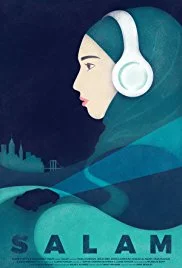
Salam is the type of film you go to a festival to see. Writer/director Claire Fowler’s short film is layered in both its storyline and characters. With a stellar performance by Hana Chamoun, this film is worthy of a conversation after the lights come up.
Salam (Hana Chamoun) is a Lyft driver from a tight knit family, but you can gather that Lyft is a means to a bigger end. A portion of her family lives in Syria. When her New York based family gets word of a bombing in Syria, it’s a waiting game to know if their loved ones are ok. To stay busy and rest her nerves, Salam decides to go make some money and pick up passengers. After dropping off a couple love birds, Salam picks up Audrey (Leslie Bibb), who seems to be in distress herself. The exchange that follows is a layered interaction of surface expectations versus what’s really underneath the surface of our daily lives.
Cinematographer, Nicholas Bupp uses natural lighting to showcase New York’s night life. The dark shadows and color scheme gives the film a grittiness that highlights the serious nature of waiting for information that could literally turn your world upside down. With a less skilled writer, the subject matter could be a very heavy-handed, we’ve seen it before look at immigrants and the now stereotypical Islamaphobic pairing we see in films. Instead, Fowler gives us a complex character that we know. Salam is a sister, an aunt, a wife, and a caring person. In turn, we care about her, and understand the weight she’s carrying in the midst of her drive.
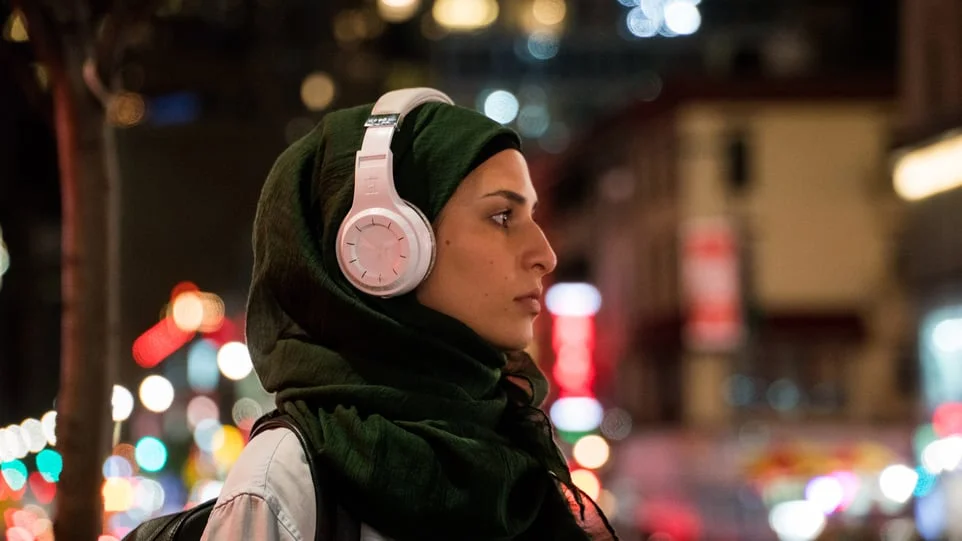
Salam reminds us of the ties that bind us all as a human race, while addressing the blockades we’ve constructed by putting people in boxes of certain races or ethnicities. Fowler’s interest in empathy and her ability to create relatable characters gives us a film that helps us think about how we interact with one another in this complex thing called life. This is one to watch!

Tribeca Film Festival '17: "Dear Basketball" Review

Photo courtesy of Tribeca Film Festival
Some stories can’t be filmed and told as artistically as an animation can. “Dear Basketball” is a top notch example of that. The recently retired, world famous, Kobe Bryant pours out his heart to the game in this short animated film. Within six minutes, the film encapsulates a life time of achievement on an intimate level that a documentary might not have captured in the same way.
Glen Keane’s visually stunning animations swirl and dance on the screen. They take us from the little boy who shot hoops in his room as a child using his father’s rolled up socks as a ball, to the phenom on NBA courts. Add to that, the music of the legendary John Williams to score the short and you have something magical.
Take away the glitz and glamour of who the main character is and even the moving score, and you’re still left with a universal story. We all start out as a kid with a dream. That’s the story of “Dear Basketball”, and a beautiful reminder that with hard work and opportunity you can achieve your dream too!
Make sure you catch it: https://tribecafilm.com/filmguide/dear-basketball-2017