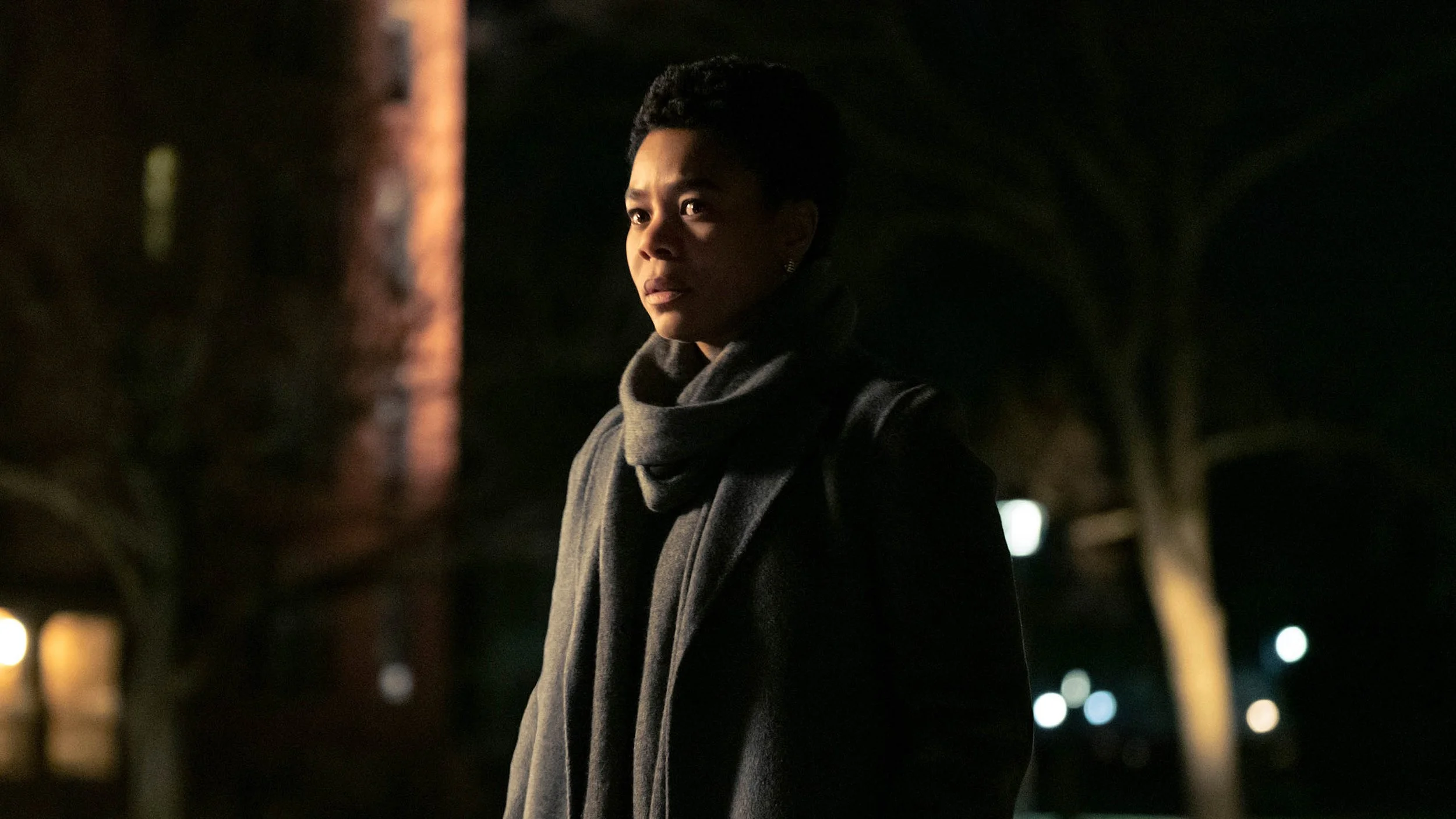
Sundance 2022: "Master" Review
Writer/director Mariama Diallo takes a look at systems, racism, and the haunting of assimilation in Master. Billed as a horror film, it’s not the typical horror in terms of jump scares but rather the real horror of the affects of racism. Master has plot holes riddled throughout it, but its themes are worth exploring.
Gail Bishop (Regina Hall) is the new Master at a predominately white college in New England. As she is settling into her role, college freshman Jasmine Moore (Zoe Renee) is settling into hers. The campus has a lot to offer: parties, new friends, education, and hope for the future. As Zoe first steps on to campus with big, beautiful curls in her naturally curly hair. As she acclimates to the new environment, we see her hair straighten and look change.
Simultaneously, Bishop is trying to get acclimated to her new home as a Master, but strange things start to happen. Maggots appear in odd places; mini statuettes representing a Mammy, slave and other racist emblems seem to be hidden within the house. It doesn’t help that rumors of the occult and a witch are a part of campus lore. In fact, Jasmine’s room belonged to a black girl who died under mysterious circumstances and something seems to be coming after Jasmine.
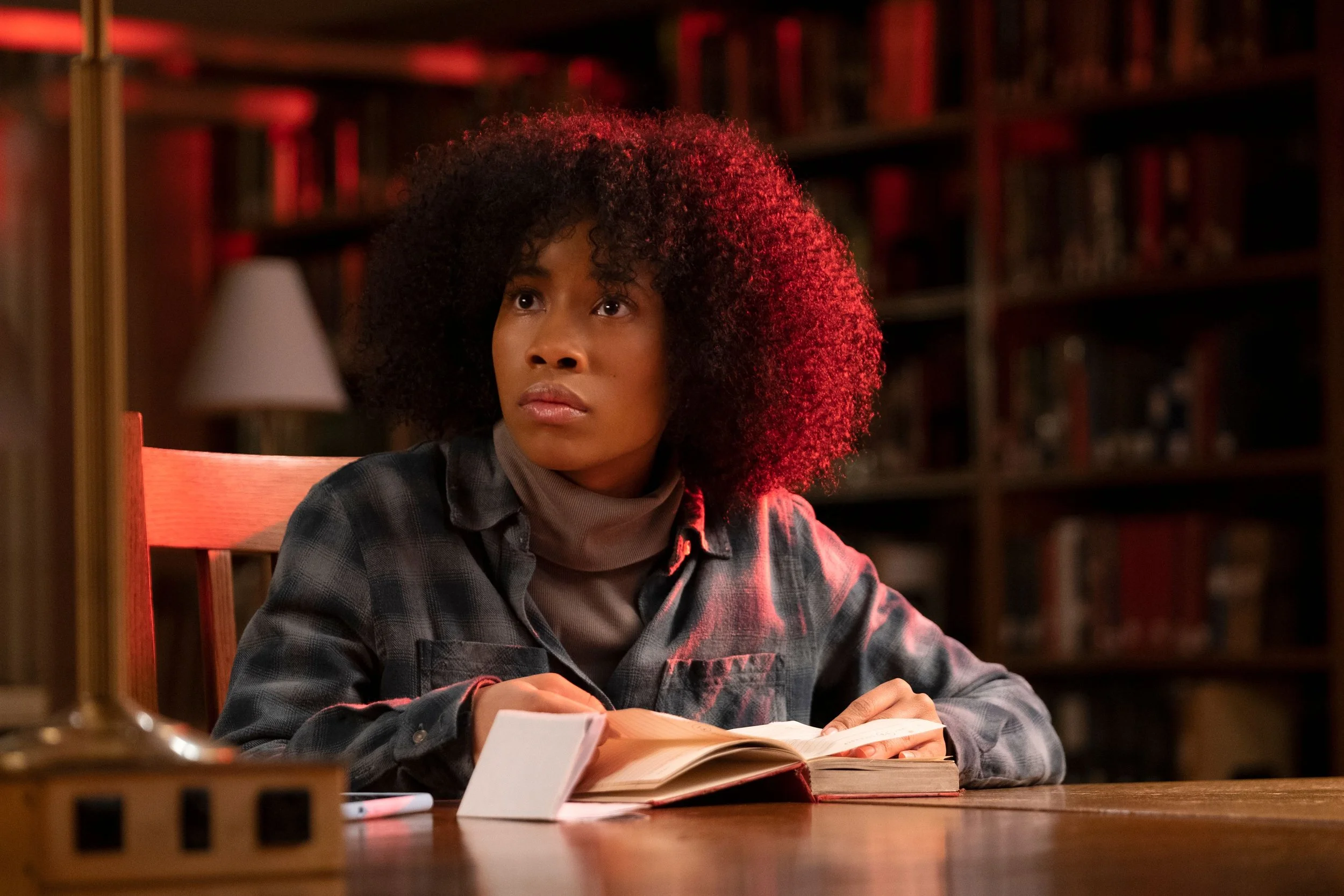
As a mystery starts to unravel, the link between past trauma, how black people deal with it and assimilation becomes more clear. Hall shines as an allegory for black people who “make it” and have to uphold an image of perfection while being human. Or do they? This is the question that Diallo puts before us. Do we still have to put up a front to be accepted while slowly killing ourselves on the inside by not showing up authentically?
The cinematography in the film uses muted earth tones. The brown skin of the main characters fade in to wooden tables, desks and chairs in different scenes. While in comparison, their white counterparts pop out of the environment. This smart decision by Diallo and cinematographer, Charlotte Hornsby, is one of the most subtle but brilliant choices in the film. This need to fit in to the point where the main characters fade into their surroundings is a move that the audience may not notice at first glance but feel subconsciously.
The film is a little off kilter in its handling of its characters. One particular storyline drops off abruptly without questions being answered. Another storyline concludes in such a way that will cause reflection. There is something that Diallo is trying to say and in this case perhaps the mixing of genre throws it off or at a script level some beats could be fleshed out. However, this is a good conversation piece for after the lights come up in a theater or at home.
Rating: B-

Sundance 2021: "CODA" Review
I was lucky to catch “CODA” on the last day of Sundance. By the time I did, it had already broken records as the highest selling film at the festival at a whopping $25 million. So for me, it was like sipping an expensive pour of bourbon; I had to see what $25 million tasted like! While I ingested it with other senses, the film that focuses on the bond of a deaf family had my eyes pouring out tears and belly full of laughs. In short, the film is worth the hype.
The film is a remake of the 2014 French dramedy “La Famille Bélier”. “CODA” stands for Child of Deaf Adults. Within the film, Ruby (Emilia Jones) is the only hearing member of her family. The Rossis are a hardworking, tight knit fishing family living near the coast of Massachusetts. Ruby works on the boat with her father Frank (Troy Kotsur) and brother Leo (Daniel Durant). She acts as interpreter and intermediary between worlds for her family. Her mother Jackie (Marlee Matlin) is a former model and her father’s passion for his beautiful wife is never not on display, even if it humiliates Ruby.
While Ruby works early morning hours with her father and brother, she attends high school with other teens her age. She decides to take a chance and audition for the school choir, led by Bernardo Villalobos (Eugenio Derbez). Bernardo is a character, stating that you can save yourself the embarrassment and call him Mr. V if you can’t roll your R’s. He’s the exact influence that Ruby needs to motivate her to audition for Berklee College of Music.
The clash of Ruby’s desire to go to college and her family’s need for a no cost interpreter to keep their business running is the center of the conflict in the film. However, it’s the layers of issues within that conflict that makes the film so moving. Each family member wrestles with issues of inadequacy. Leo feels as though he isn’t appreciated enough as the older brother who seems to be looked over by his parents. Ruby feels like an outsider as the one in four who can hear. Her parents depend and lean too much on Ruby for assistance, missing or refusing to see that she needs to breathe and be independent.

The film is full of beautiful, moving, and laugh out loud moments. It spotlights relationships within the family and the family bond as a whole. The ensemble cast is absolutely stellar, boasting of Academy Award worthy performance for all the right reasons. The Rossi family use American Sign Language to communicate throughout the film and thus the physical and subtle nuances of their performances are even more powerful. Director Sian Heder captures the importance of communication within her cinematic family and what communication means for the deaf community through framing and sound.
You’ll have to judge for yourself if this film should be valued at $25 million. Much like bourbon, your taste may be different but there are certain films that universally strike a chord and resonate. “CODA” certainly is a winner that deserves the buzz and accolades it will receive!
Rating: A
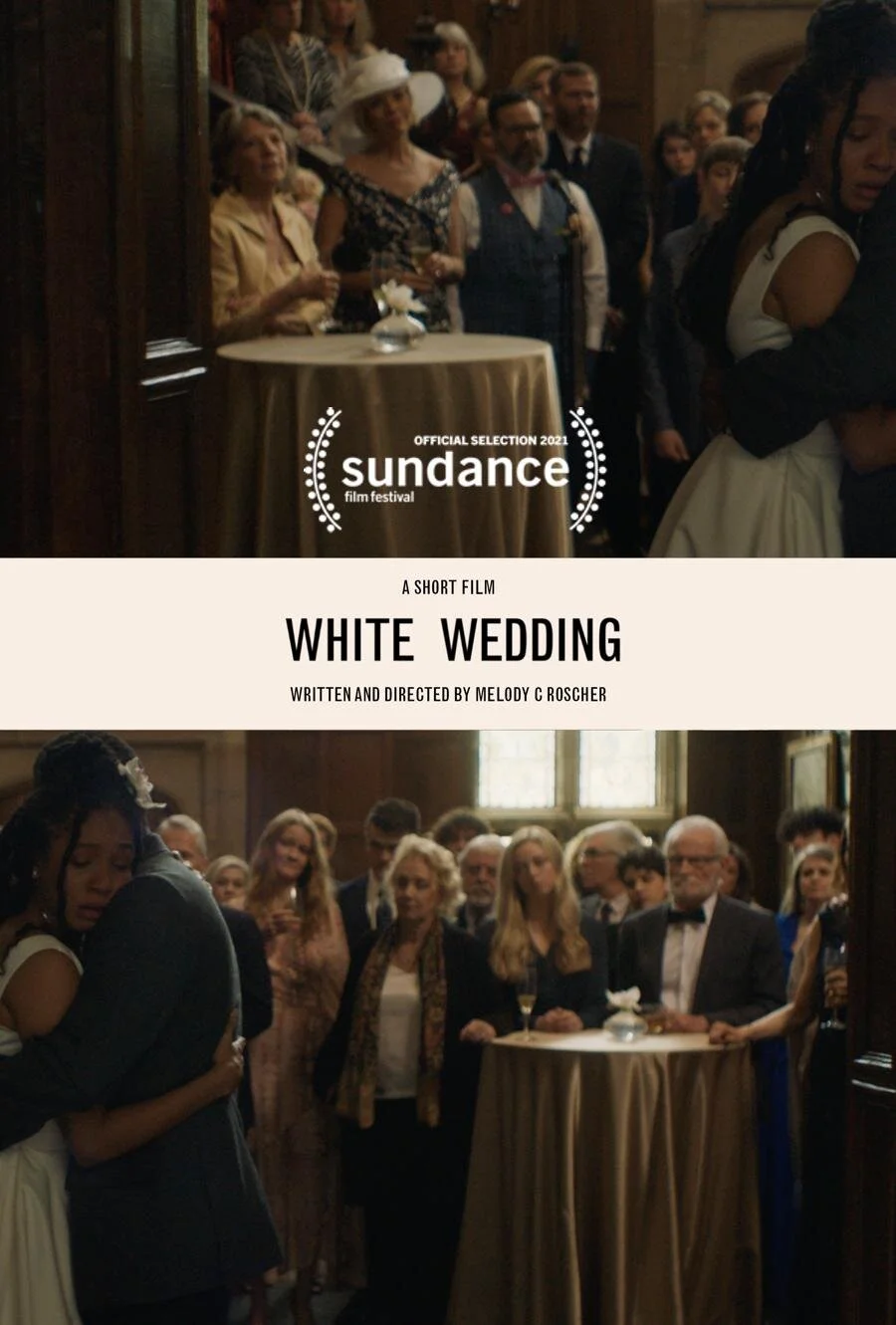
Sundance 2021: "White Wedding" Review
Great films expect you to catch up to it and writer/director Melody C. Roscher understands that. “White Wedding” is a short film that throws you into it and asks you fill in the blanks as it moves along. It starts with the mother of the groom (Mary McMillan) realizing she made a huge mistake. She rushes to tell her daughter, Kelly (Emily Davis), that she made a mistake in hiring the band. It seems the bass player, Bower (Curtiss Cook, “Counselor”), is the bride’s estranged father.
The instant conflict is there. On what should be Bella’s (Nabiyah Be) happiest day, it could instantly be a bittersweet one, marred by her father’s presence. As not to spoil the short, the rest of the film is pushes us toward an inevitable meeting, proving the power of short filmmaking.
Roscher understands the premise of her short, the characters within, and how to deliver the story to the audience. She fills the frame with wedding guests and things you’d expect to see at a wedding. The claustrophobic look at times adds to the tension building in the story. Cinematographer David Paul Jacobson channels a Fincher-esque color palette with lightly desaturated warm colors. A huge tilt of that hat goes to the Art Department on the look of the setting. You’re thrust into the midst of a wedding in progress and you’re quickly invested.
This is an example of a filmmaking team firing on all cylinders to create a cohesive and enjoyable story. The film works as a short and could be a part of a bigger film. Either way, the transition from longtime producer to writer/director for Roscher seems like a smart move and I look forward to seeing more from her!
Rating: A
Tribeca 2019: "17 Blocks" Review
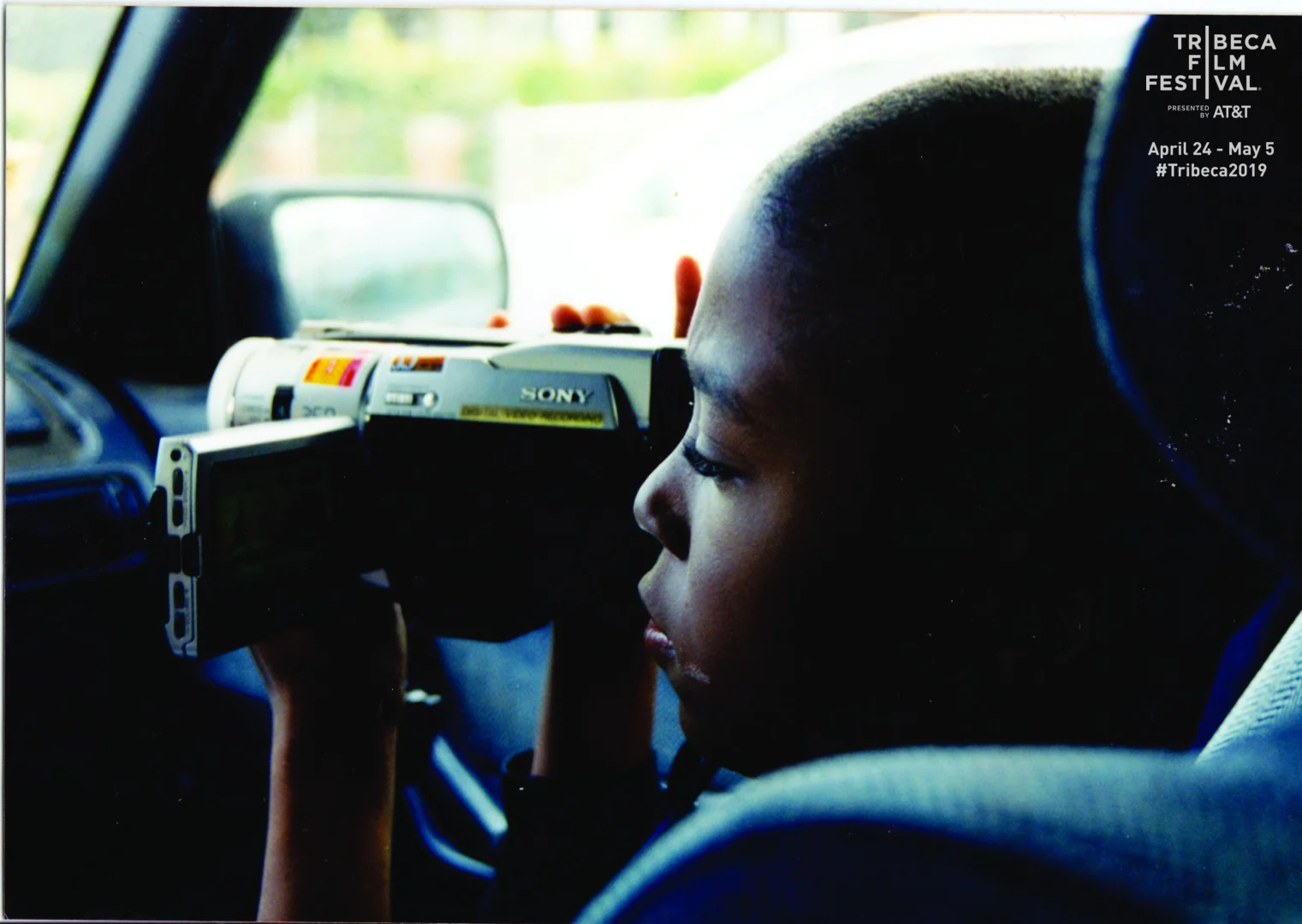
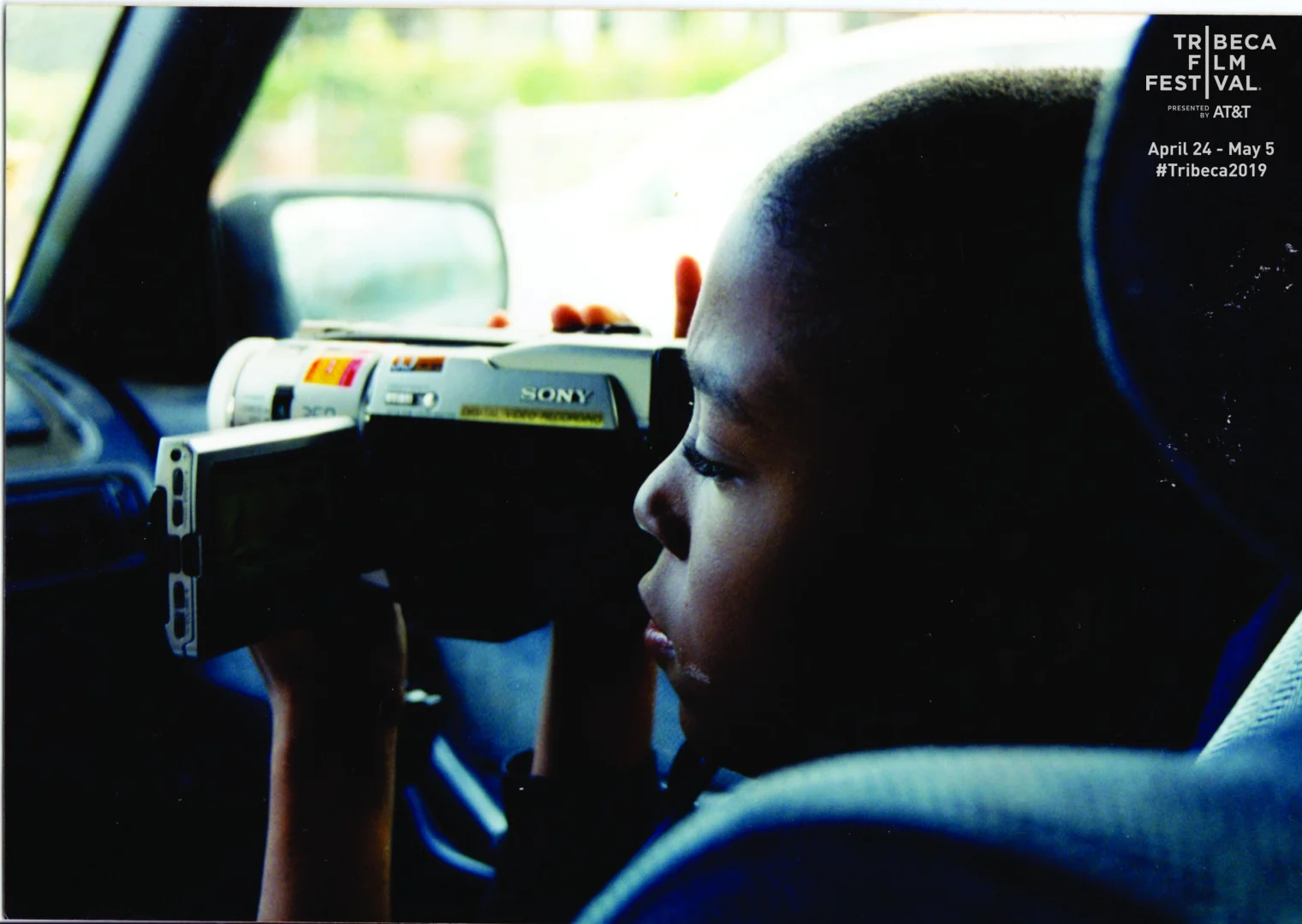
In 1999, nine year old Emmanuel was gifted a video camera. What he captured of his family over the following years would be the most poignant home movie ever cut together. “17 Blocks,” a film by journalist, bestselling author, Emmy® Award-winning filmmaker, creator of Found Magazine and contributor to public radio's This American Life, Davy Rothbart, is a profound narrative piece that takes the ‘Boyhood’ approach to storytelling and blows it out of the water.
“17 Blocks” chronicles—over two decades—a family, which like many, deal with their share of hardships. Cheryl, the matriarch of this ever-growing family, is raising her three kids alone. She is funny and charismatic, always harboring dreams of becoming the next Marilyn Monroe. Her dreams, however, are thwarted by responsibility and a cancerous drug addiction. These tendencies surely rubbed off on her kids who lacked a proper father figure. All but Emmanuel. Emmanuel had a lust for life, a drive and compassion for those he cared for. The only one in his family to graduate high school, Emmanuel had big plans of his own. Until it was all over in a second. The opening shot of this documentary shows a rainbow touching down over Southeast Washington, D.C. However, this story is not all rainbows and butterflies.
The year Emmanuel was shot by two, masked robbers, there were over one-hundred homicides in D.C. alone. The Sanford family and Rothbart have offered us this incredibly intimate insight into their world plagued by gun violence, poverty and addiction. The home-video aspect of much of this ninety minute non-fiction piece, feels invasive. We see what Emmanuel sees. Chilling and all the more impactful. We learned from Sean Baker’s “The Florida Project” that children offer a unique perspective to narratives replete with sadness and maturity because there is a youthful spirit that contests the tragedy head on with ignorant beauty. Emmanuel’s home video offers the cruelest of memories while he smiles through it all. His infectious spirit lives on in his young nieces and nephews who miss him dearly.
There are bright moments amidst all the sorrow, but the film begs the question: Why do bad things happen to good people? A truly introspective twist of emotions, both equally saddening as infuriating. But Cheryl offers a sage response to all the pain in her life in saying, “Hope is real, hope is alive, it’s what keeps us going, hope for better, hope for tomorrow.” Although she also recognizes that “some pain doesn’t go away.”
There is a moment when Emmanuel’s sister Denise is scrubbing his blood off the walls of their tiny apartment with a t-shirt rag as Beyonce’s “Irreplaceable” plays in the background and her children look on asking, “Where is uncle Emmanuel? Where is uncle Emmanuel?” To which all I can muster is a thank you to the Sanford family for being brave enough to share their story with the world. This film rips at the heart with focused blows. It is relentless. It is a cinematic triumph, but more importantly, it hopefully evokes change out of the people who have the ability to make an impact in these communities.
As a wise woman once said, “Hope is real, hope is alive, it’s what keeps us going, hope for better, hope for tomorrow.” I like the sound of that.
Grade: A

Tribeca 2019: "Other Music" Review- A Cacophony of Memories
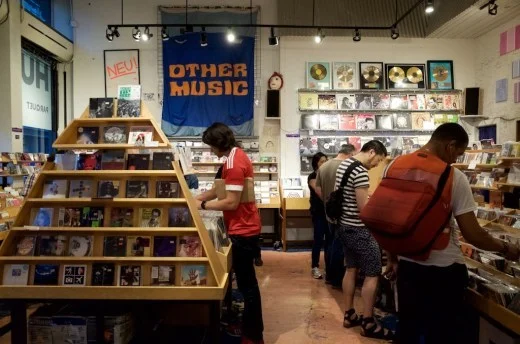
“Other Music” is one of this year’s feature documentaries at Tribeca, a film about a record store that opened in the East Village in 1995. If I took away anything from this documentary, however, it is that Other Music was not just a record store.
This documentary was directed by married couple Puloma Basu and Rob Hatch-Miller, an LA-based team that has specialized in music video production and recently collaborated on the soul music documentary feature Syl Johnson: Any Way The Wind Blows. The film chronicles the store’s 20-year history and features artists and bands such as Regina Spektor, Vampire Weekend, Animal Collective, the Yeah Yeah Yeahs, the Strokes, Interpol and TV On The Radio. The record store, which closed in 2016, was a solace for the independent musician. It was a destination for artists, industry representatives, music lovers and wanderers alike. It was a place where bands were formed and friendships blossomed. Other Music created an environment that supported musicians and allowed bands to grow, which ultimately served as a great influence on the music scene in New York City.
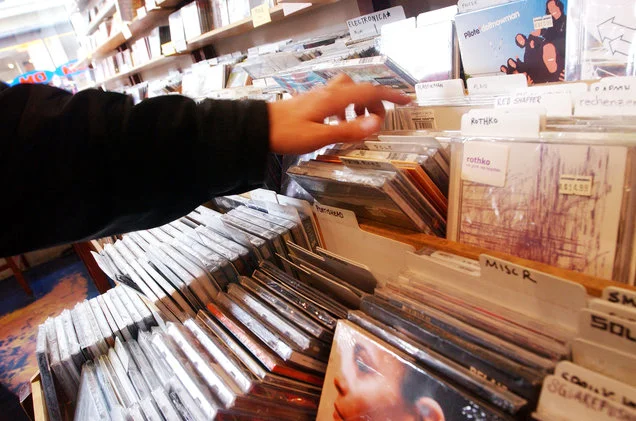
As retail stores lose business to online shopping, Other Music reminds us how human interaction can help nurture a community. When you enter the store there are shelves replete with vinyl, many of which records are labeled with a hand written note card. A professional vote of confidence for the work. There is also something gratifying about owning something tangible you spend money on. The spirit of this record store certainly lives on in a world dominated by online streaming services. The film does a great job focusing on employees of the store as well as customers who frequented the shop, and these customers cried when the store closed. I may have even broken down watching this film and I never had the chance to go there before it closed, but I digress.
From a storytelling perspective, Basu and Hatch-Miller succeed in chronicling a beginning, middle and end. They take you on a journey that offers great company and even better music. They extinguished my only criticism of the piece with a cacophony of noise, but I had to wait until about two-thirds the way through the film. From an editing perspective, the cuts could have been more inventive, creating a rhythm to compliment the narrative. But as the story neared the end and the store closed, the directors made their own music. It was a beautiful and emotional ‘Trashing the Camps’ style tune that satisfied the itch for something more self-reflective.
It is important to note that I don’t typically end a review in personal anecdote, but I’d be remiss if I didn’t articulate the profound impact this film had on me. As the credits rolled the theater erupted in applause, I calmly rose from my seat and exited quietly so as not to disturb the fellow movie goer and I walked. I walked to 15 E 4th St, just blocks south from the theater. There’s a coffee shop there now, one of many in the area. But just a few years ago was a record store that changed many lives.
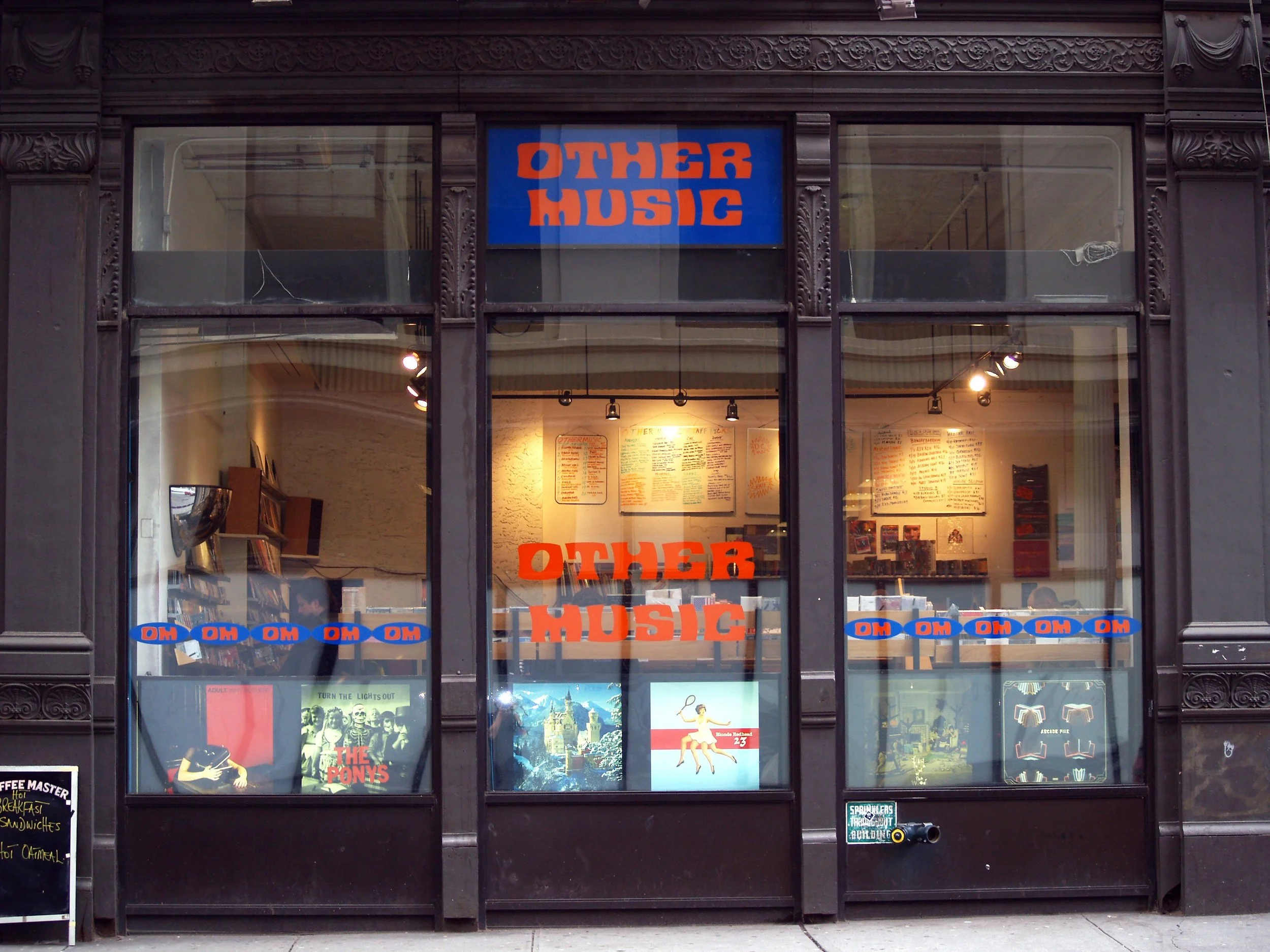
Basu and Hatch-Miller welcomed me into their world of groove and funk, rock and roll, pop and disco, they sat me down for a history lesson and spit me out onto the streets of New York looking for an album that could fill the vacancy they created. In a world cluttered by noise, this film broke through it all with a heartfelt focus and all I can say is ‘thank you.’
Rating: B+

Tribeca 2019: "Noah Land" Review
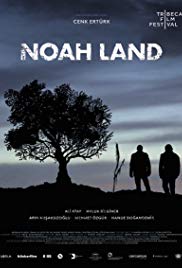
A thoughtful and provoking debut from Cenk Ertürk, “Noah Land” immediately grabs you with a nostalgic score whose auditory familiarity is appropriately somber.
Coming to terms with his terminal illness, Ibrahim (Haluk Bilginer) asks his son Ömer (Ali Atay) to drive him to the village in rural Turkey where he was raised. However, Ömer soon realizes there is an underbelly to this request that slowly surfaces. In short, Ibrahim wants to be buried beneath a tree he planted as a boy. This tree, and more specifically this land, however, had been in dispute which is what cast Ibrahim’s family away from the community years ago. Since, the land has become a holy site of sorts, deemed the “Noah Tree” after the Biblical figure whom the villagers believe first planted it. Ibrahim, adamant of his just burial, must convince his ever-conflicted son for help while he too battles his own demons: a divorce and an insatiable anger brewing out of unaired grievances between himself and his father. Sentimental perhaps, but it is unclear what Ertürk is aiming for with this film. A slow-burning, dry drama that leaves you questioning how you feel about any of it all.
Ertürk uses a conventional color palette nicely throughout, replete with fiery oranges and deep-sea blues. He also uses earth tones as a crutch and the natural beauty of the landscape, for which no one could be faulted. Not as much a conversation piece but more a declaration of fact: rural Turkey is beautiful. Of course, then, Ertürk uses the tree as a central motif to bleed through the photography and color design of the film.
While the score offered a soft blanket to rest on, the sound mixing needed work. Oftentimes too loud, the SFX of breathing felt more like an editing misstep than a creative choice. But the issues didn’t stop there. The film’s problems begin almost immediately, as Ertürk throws the audience into the deep end without explaining how the principal characters connect or even why they act the way they do. Let us begin with the first scene with Ömer and Ibrahim. Ibrahim, sick and elderly, struggles to get out of the car and even more so on his walk into the nearby convenience store. Yet his son, Ömer, not only doesn’t offer to help him, but takes a piece of gum out of his mouth and wedges it into the lock of the passenger side door so that his father must sit in the back. Without the context of their relationship, Ömer’s action appears unnecessarily cruel. Even when we learn more about Ibrahim’s abandonment of Ömer and his mother, it is difficult to sympathize with him.
That being said, as Ibrahim states, “there is a very fine line between revenge and justice,” and Ertürk is using the character to explore that idea. And while Ömer’s relationship with his father is sensibly complicated, it’s his relationship with his ex-wife, Elif (Hande Dogandemir), where things really get muddled. This, of course, is not to discredit the characters themselves because all three actors give incredibly evocative performances. Simply put, Ertürk hasn’t given the audience the means to understand their unique perspectives.
In a thematically driven narrative where metaphor is ubiquitous, it is expected that Ertürk wouldn’t stick every landing. But I’d be doing a disservice to dismiss this film entirely as a failure. It has a plethora of redeeming qualities that would bring me back for a second viewing, including an ending that makes you question—what is it in our dreams that causes us to act in the present? The longer we spend with Ömer and Ibrahim it is clear the apple doesn’t fall too far from the tree, and at its core, this film paints that picture nicely.
Grade: C+