
Sundance 2021: "Searchers" Review
I have no idea what online dating is like. I’ve been married for twelve years and missed online dating when I was single. In a world ravaged by the COVID-19 virus, the exposure of our need for human connection is even more abundantly clear. Director Pacho Velez documents what searching for someone to date is like for a diverse group of New Yorkers across age, gender, and sexual orientation. It’s a fascinating look at human nature that uses dating as a cover to explore what makes us tick.
Velez uses a rig in which his subjects look into the camera while scrolling through dating apps. The glass in front of the camera lens reflects the computer screen for the subject to see. Think of it like a teleprompter that shows the computer screen instead of a script. As his subjects scroll, center punched in the frame, they talk about who they see, what they’re interested in or why they make the decisions they make.
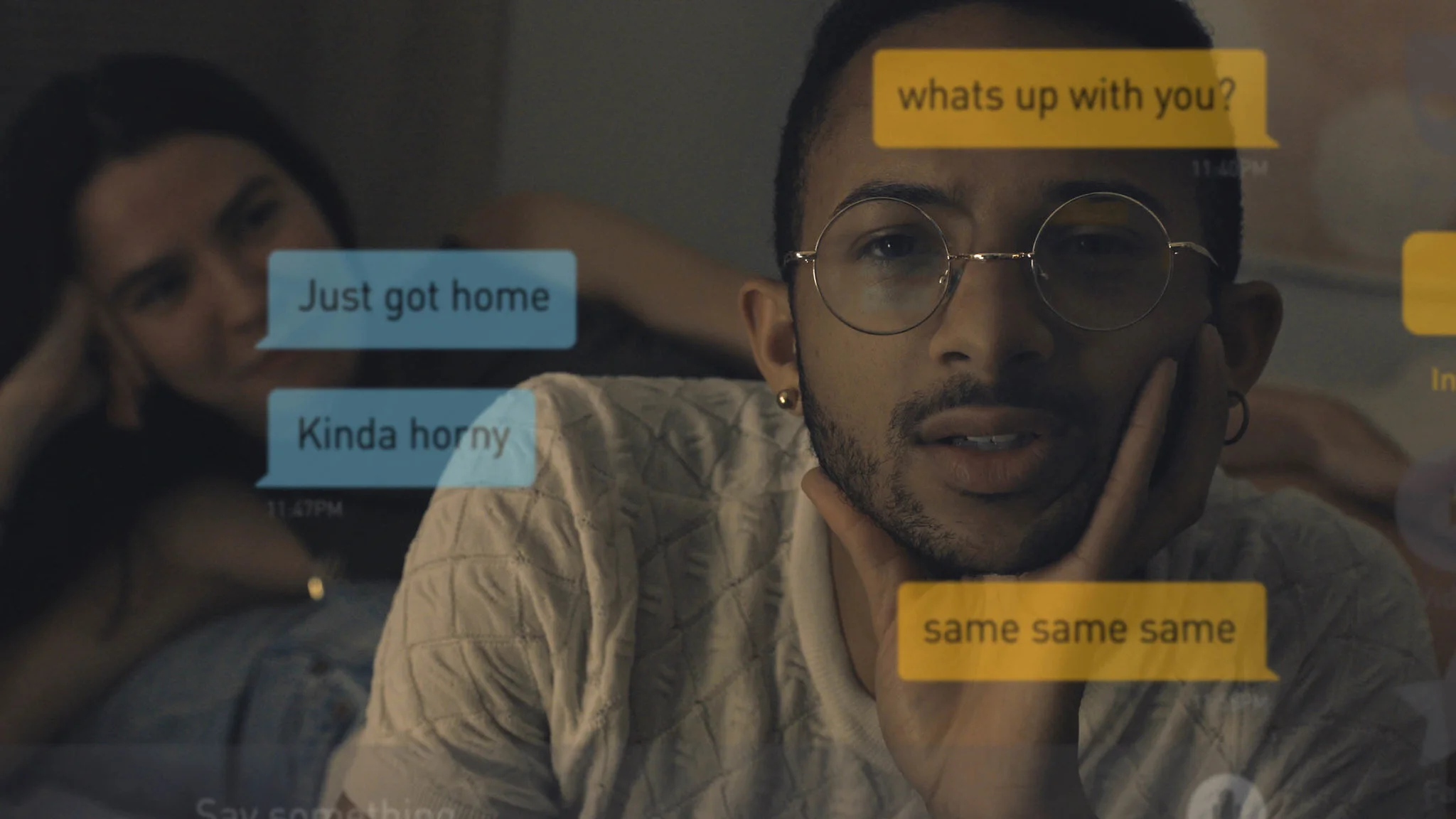
This technique is fascinating because it’s as though his subjects are looking at you at times, but our voyeurism as an audience member and connection to the people in front of us is made even stronger. It’s like looking through a one way mirror as someone gives their private thoughts and opinions on what they’re seeing. How each person judges the profiles in front of them is unique to them while universally familiar. In fact, we judge the judgers in front of us on the screen as audience members creating a connected loop. None of this is imposed by the filmmaker, but naturally occurs due to film technique and human nature.
Throughout the film, Velez occasionally cuts to side conversations with his interviewees. These interviews explore the culture behind online dating, various apps and personal desires. These moments of vulnerability and sincere explanation are what makes the documentary charming and captivating. He also captures moments of public displays of affection, engagements, and wedding photos being taken in the midst of this pandemic. These slices of life pin a moment in time within the frame. It’s a moment of someone’s happiness that we can swoon over, the happiness we aspire to attain, this moment of isolation and masks, and a bit of the dream we all may concoct in our heads as to what love is.
Our common desire and need for relationship is on full display throughout the documentary. How we meet new people and how our past relationships effect those interactions is what makes the tapestry of our lives. “Searchers” is a special film that will have you search your own thoughts, relationships and interdependence with others.
Rating: A

"Woodstock: Three Days That Defined a Generation" Review
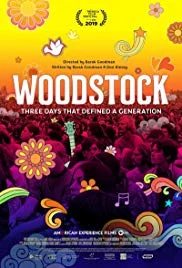
In just over two months, Woodstock, the legendary landmark music festival, will be celebrating its 50th anniversary. To commemorate this occasion, PBS and director Barak Goodman, who previously directed some documentaries for PBS on their American Experience series, have created a documentary about what led up to the events of the music festival and the festival itself. In short, Woodstock: Three Days That Defined a Generation is a nicely done documentary that also serves as a time capsule for what was happening around the time.
Over the span of three days, (technically four days but due to severe storms during the third day, the performers were pushed back by some hours so that it wrapped up that following morning) in August 1969, more than 400,000 people descended upon a dairy farm in New York. It was a last-minute relocation since the original site was no more due to the city pulling out; 32 acts performed on-stage, sometimes in not that great of a condition. The organizers, working around the clock, knew they ran out of time, since the grounds weren’t even remotely close to being done. This could have gone so incredibly wrong. And yet, by some divine miracle, the organizers pulled this event off, with some bumps on the road.
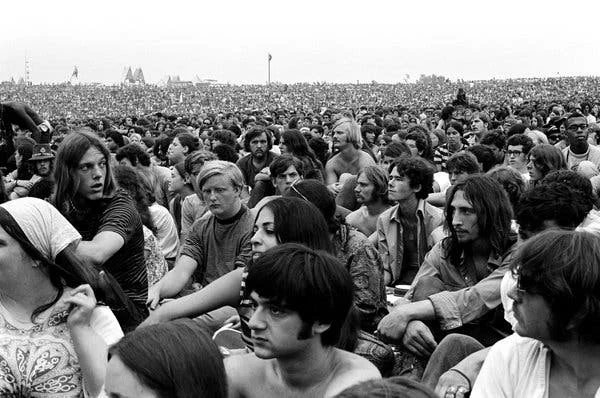
The format that Goodman employed for the film reminded me a lot of what Peter Jackson did last year with his fantastic documentary, They Shall Not Grow Old, in that we never cut back to any talking heads, but have sound bites talk over the carefully selected photos and footage that Goodman and his team tracked down to place in the film. The sound bites range from the organizers of Woodstock, the writers of the documentary providing historical context, those who attended the festival, and even a couple of the musicians who played at Woodstock. So, all in all, it’s a diverse array of talking heads. As you watch the documentary, and see how everything came together, it’s incredibly fascinating that Woodstock didn’t become the 1960s version of the Fyre Festival, since the organizers knew the event wasn’t even remotely ready to go. It’s a marvel that this didn’t become an outright disaster. The archival video from Woodstock is a thing to behold.
Even if you knew absolutely nothing about Woodstock or the significance of the festival, this does a good job in giving the audience an overview of the times surrounding the festival, and a nice history lesson of how everything came to be. At 96 minutes, the pacing is smooth in that it never feels like it’s dragging its feet. The film highlights certain areas, so that each section can stand on its own, from the counterculture movement that was growing to the development of the festival. I had a basic knowledge of the casual information of the festival, so I was surprised with what I learned from this documentary with knowledge and comparison of the modern day Fyre Festival disaster. Even though Woodstock came down to crunch time, the orchestrators were able to focus on what they needed to complete, prepare for the worst, and even make the event free.
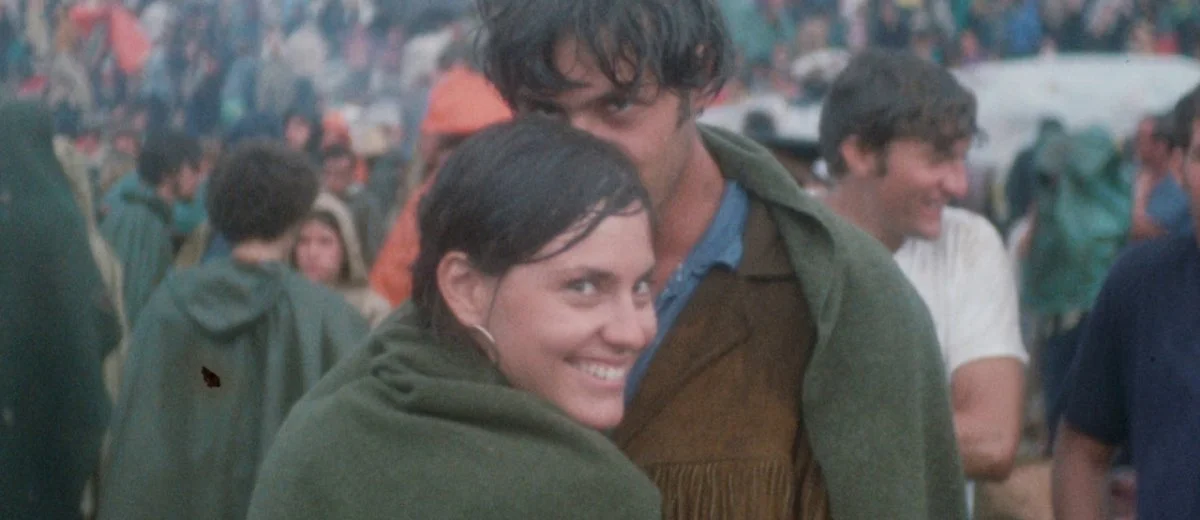
With what Woodstock could have done better is allow more of the musicians to talk about their experience playing at the fabled festival, even though we hear from some of the musicians who performed. I don’t know if it was the case that some of the musicians are dead, the archival audio wasn’t that good, or if they weren’t asked or turned down this documentary, but it would have been nice to hear more about their time up on that stage. Also, there were times where the documentary, especially during the first third of the film, relied more on the photos where it became a little bit like a powerpoint presentation.
Overall, if you grew up hearing about Woodstock, or were one of those people who attended this unforgettable festival, then Woodstock: Three Days That Defined a Generation is for you. It’s only fitting that for a festival that’s celebrating its 50th year, we look back on what this meant for so many people. As I mentioned before, this is nicely made, and absolutely mind-boggling that with the images that Goodman puts on display here, this festival didn’t fall by the wayside and collapse. Now, let’s see if they do any follow-ups about Woodstock 99, which didn’t go exactly according to plan, or if the upcoming one that the organizers are trying to get off the ground comes to fruition.
Rating: B
Tribeca 2019: "Slay The Dragon" Review
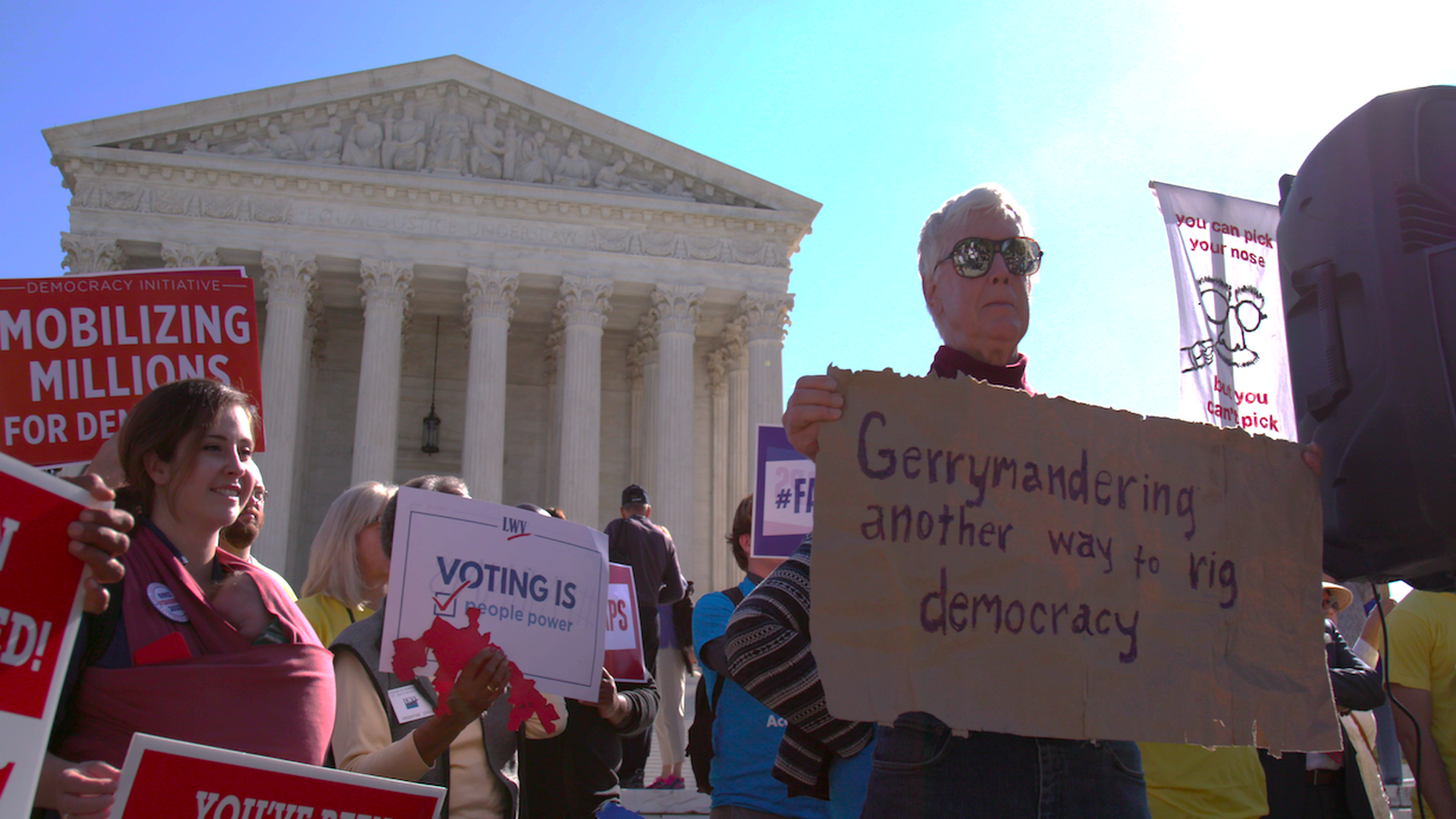
A secretive gerrymandering initiative launched 10 years ago threatens to undermine democracy as we know it, “Slay the Dragon” depicts the everyday people fighting this practice to make their votes matter.
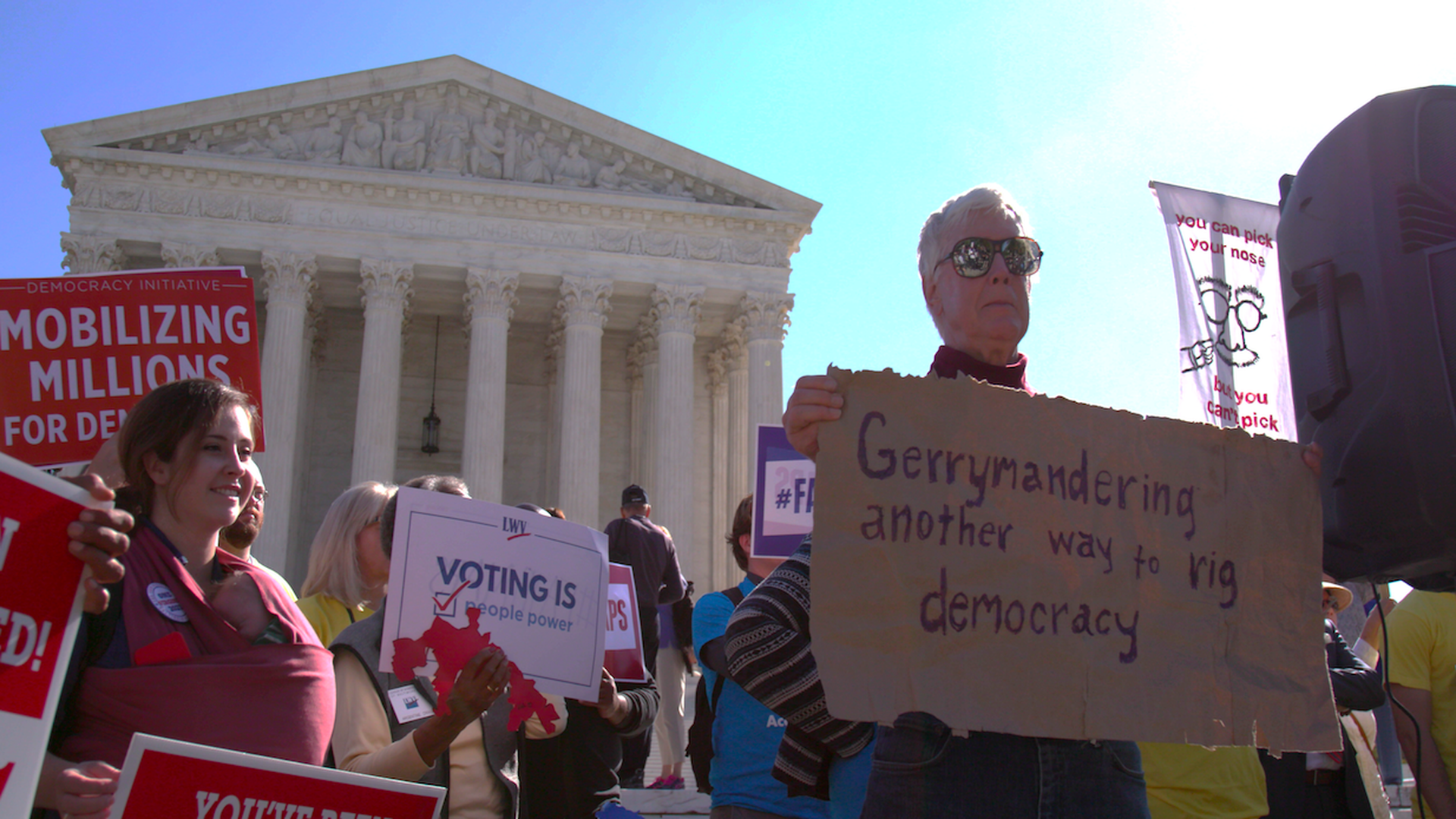
Per the documentary, a well-funded partisan initiative poured money into state legislative races in key swing states to gain control of their redistricting processes and used high-tech analytics to dramatically skew voting maps based on demographic data after the 2008 election. The result is one of the greatest electoral manipulations in U.S. history, one that poses a fundamental threat to our democracy and exacerbates the already polarized atmosphere in Congress and state houses across the country.
Gerrymandering is the practice of redrawing electoral maps to serve the party in power. It is not a new philosophy, however. In fact, it has been around for centuries. But in today’s hyper-partisan political arena, it has been taken to unprecedented extremes, fueled by the elimination of corporate campaign contribution limits and the availability of vast amounts of personal information.
This documentary, directed by Barak Goodman and Chris Durance, is enlightening even for the well informed citizen. It is beautifully infuriating and begs for a call to action. It is polished like the politicians it presents and perfectly articulates the waning faith in democracy across the country. It is bias to a fault, but listening to Chris Janikowski—with all the wiles and smiles—boast his “redmapping” project of 2010 is stomach-turning. That is, I’m all for this bias narrative.
That being said, we also experience hope in the form of Katie Fahey, a Michigander who forms the group Voters Not Politicians working to bring a measure onto the state’s ballot to require an independent group—not the legislature—to draw these aforementioned lines. And in Wisconsin, an activist group challenges the state’s redistricting in a case that makes its way to the US Supreme Court. Voters Not Politicians breathes life on the fire that is hope, and offers a glimmer of positivity in a documentary that is otherwise quite depressing.
Unless, of course, you are a conservative reader. As a year in politics, 2010 was the dam break that opened the levy to a tsunami of republican reform, bringing in a wave of conservative laws and bills in its aftermath. The writing on the wall, however, is that America is getting more diverse, more educated, and the republicans feel their time is dwindling.
Any practice that allows for elected officials to dismiss accountability is an unsafe one. More importantly, you can draw a direct line—no pun intended—from oppressive voter ID laws to election results. If it weren’t for a compelling narrative structure, I would’ve stormed out of the theater. It truly was a well done documentary, but above anything else, “Slay the Dragon” reminds us what is wrong with our democracy. It is split at the seams and we have to find a way to heal the wounds.
Grade: B
Tribeca 2019: "17 Blocks" Review
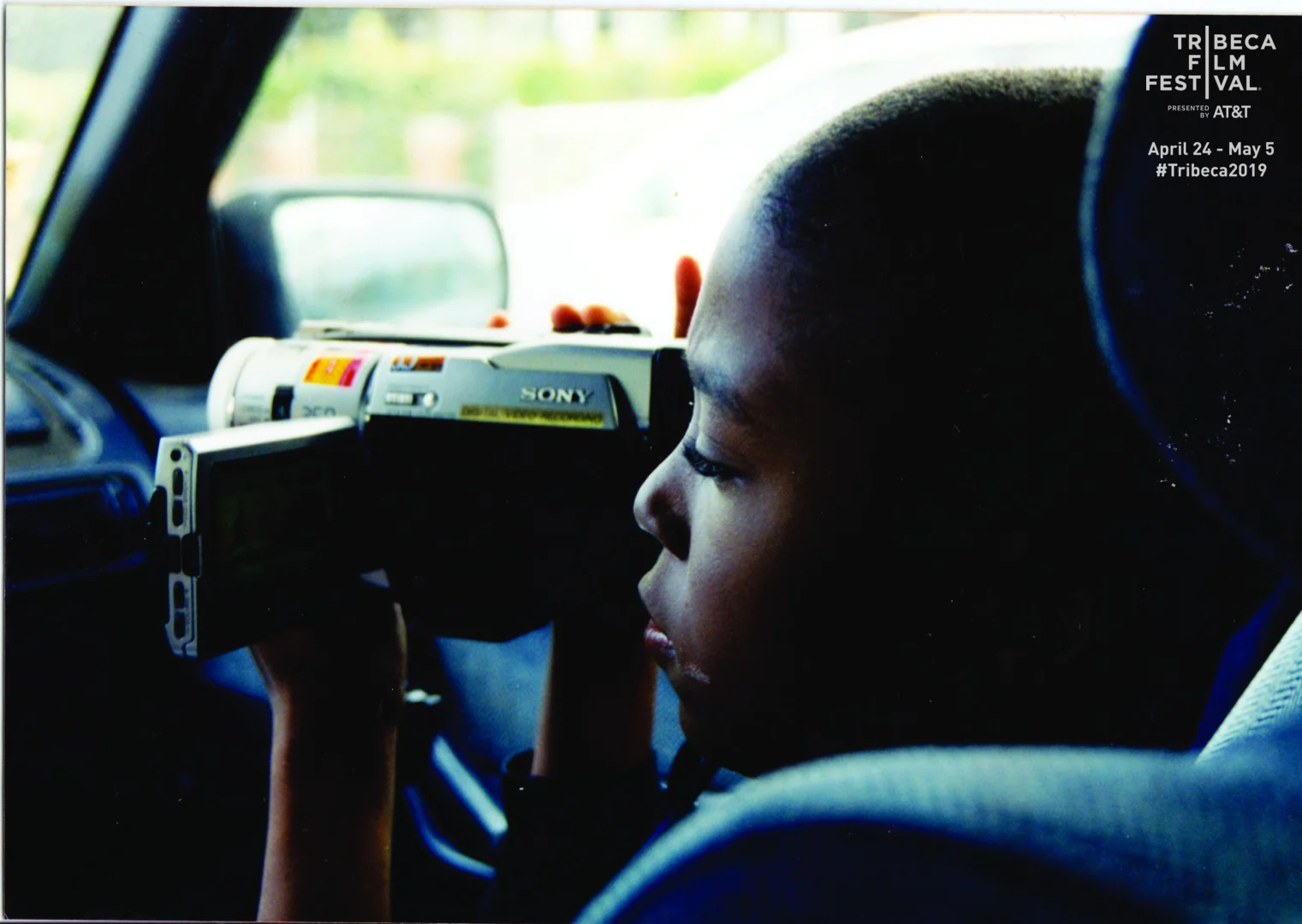
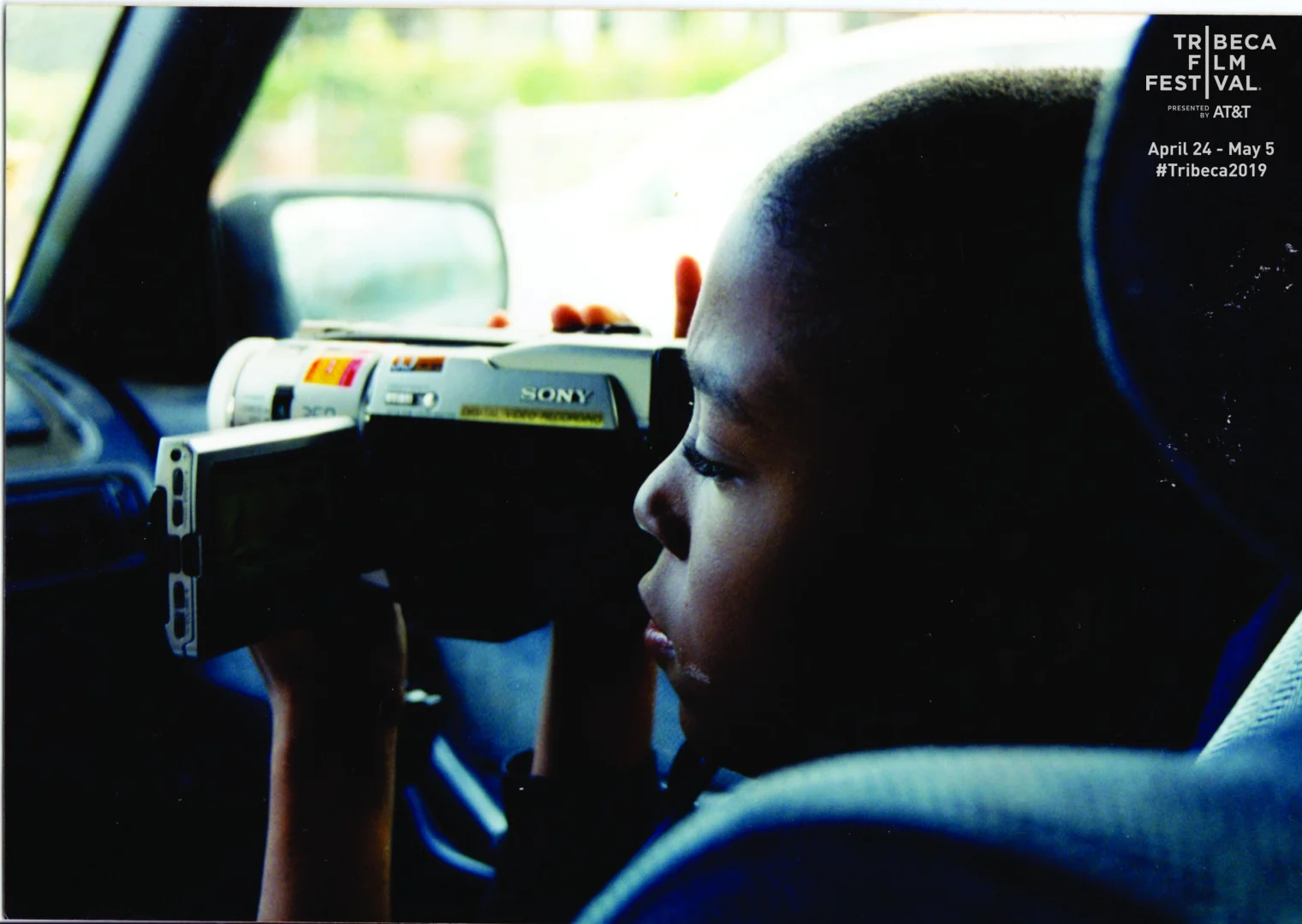
In 1999, nine year old Emmanuel was gifted a video camera. What he captured of his family over the following years would be the most poignant home movie ever cut together. “17 Blocks,” a film by journalist, bestselling author, Emmy® Award-winning filmmaker, creator of Found Magazine and contributor to public radio's This American Life, Davy Rothbart, is a profound narrative piece that takes the ‘Boyhood’ approach to storytelling and blows it out of the water.
“17 Blocks” chronicles—over two decades—a family, which like many, deal with their share of hardships. Cheryl, the matriarch of this ever-growing family, is raising her three kids alone. She is funny and charismatic, always harboring dreams of becoming the next Marilyn Monroe. Her dreams, however, are thwarted by responsibility and a cancerous drug addiction. These tendencies surely rubbed off on her kids who lacked a proper father figure. All but Emmanuel. Emmanuel had a lust for life, a drive and compassion for those he cared for. The only one in his family to graduate high school, Emmanuel had big plans of his own. Until it was all over in a second. The opening shot of this documentary shows a rainbow touching down over Southeast Washington, D.C. However, this story is not all rainbows and butterflies.
The year Emmanuel was shot by two, masked robbers, there were over one-hundred homicides in D.C. alone. The Sanford family and Rothbart have offered us this incredibly intimate insight into their world plagued by gun violence, poverty and addiction. The home-video aspect of much of this ninety minute non-fiction piece, feels invasive. We see what Emmanuel sees. Chilling and all the more impactful. We learned from Sean Baker’s “The Florida Project” that children offer a unique perspective to narratives replete with sadness and maturity because there is a youthful spirit that contests the tragedy head on with ignorant beauty. Emmanuel’s home video offers the cruelest of memories while he smiles through it all. His infectious spirit lives on in his young nieces and nephews who miss him dearly.
There are bright moments amidst all the sorrow, but the film begs the question: Why do bad things happen to good people? A truly introspective twist of emotions, both equally saddening as infuriating. But Cheryl offers a sage response to all the pain in her life in saying, “Hope is real, hope is alive, it’s what keeps us going, hope for better, hope for tomorrow.” Although she also recognizes that “some pain doesn’t go away.”
There is a moment when Emmanuel’s sister Denise is scrubbing his blood off the walls of their tiny apartment with a t-shirt rag as Beyonce’s “Irreplaceable” plays in the background and her children look on asking, “Where is uncle Emmanuel? Where is uncle Emmanuel?” To which all I can muster is a thank you to the Sanford family for being brave enough to share their story with the world. This film rips at the heart with focused blows. It is relentless. It is a cinematic triumph, but more importantly, it hopefully evokes change out of the people who have the ability to make an impact in these communities.
As a wise woman once said, “Hope is real, hope is alive, it’s what keeps us going, hope for better, hope for tomorrow.” I like the sound of that.
Grade: A

Tribeca 2019: "Other Music" Review- A Cacophony of Memories

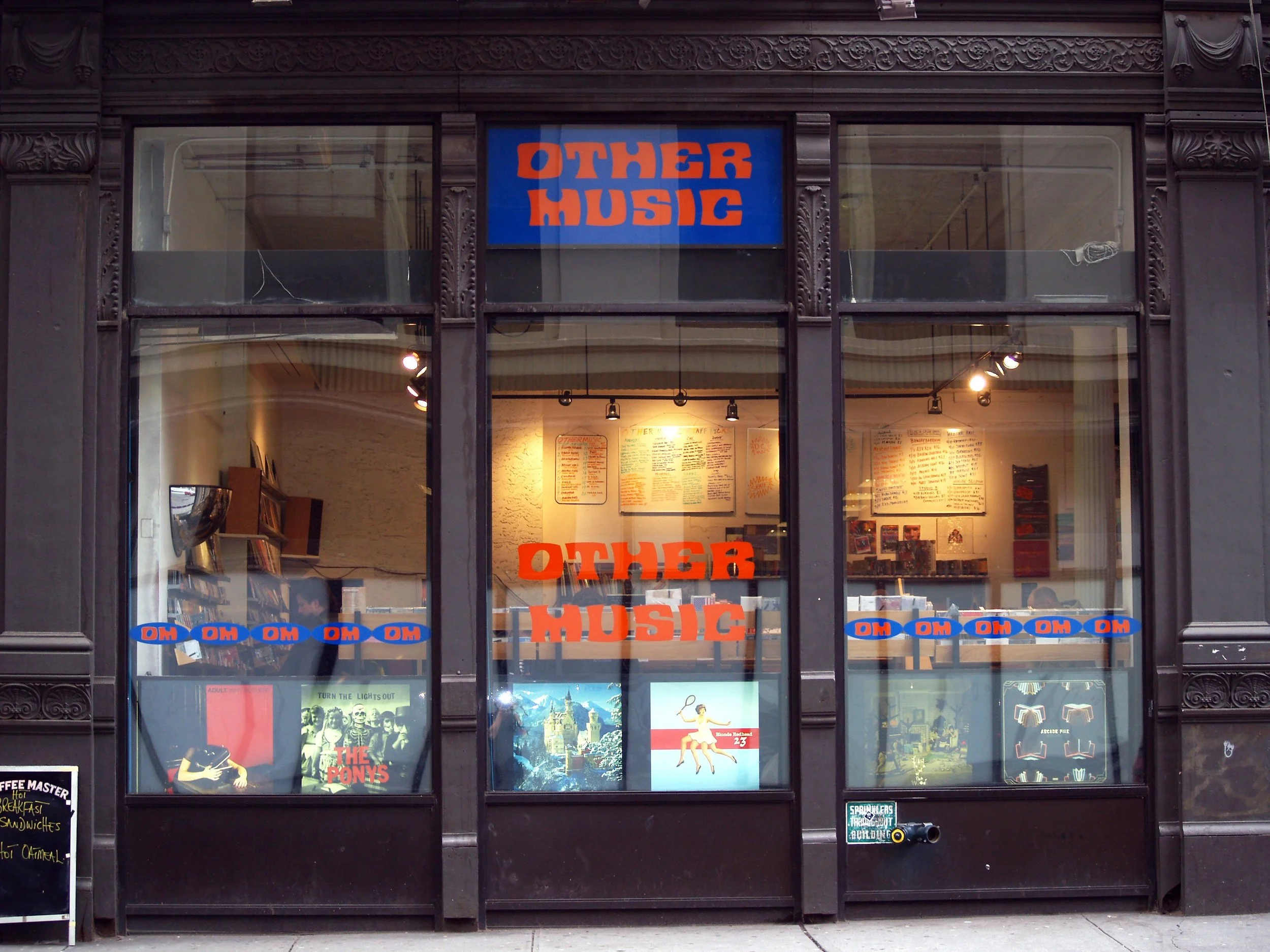
“Other Music” is one of this year’s feature documentaries at Tribeca, a film about a record store that opened in the East Village in 1995. If I took away anything from this documentary, however, it is that Other Music was not just a record store.
This documentary was directed by married couple Puloma Basu and Rob Hatch-Miller, an LA-based team that has specialized in music video production and recently collaborated on the soul music documentary feature Syl Johnson: Any Way The Wind Blows. The film chronicles the store’s 20-year history and features artists and bands such as Regina Spektor, Vampire Weekend, Animal Collective, the Yeah Yeah Yeahs, the Strokes, Interpol and TV On The Radio. The record store, which closed in 2016, was a solace for the independent musician. It was a destination for artists, industry representatives, music lovers and wanderers alike. It was a place where bands were formed and friendships blossomed. Other Music created an environment that supported musicians and allowed bands to grow, which ultimately served as a great influence on the music scene in New York City.
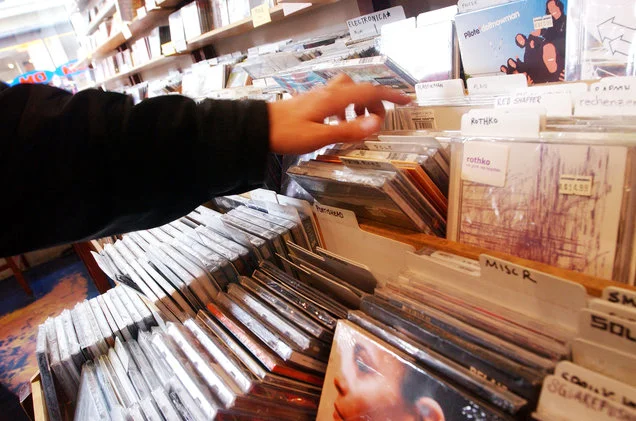
As retail stores lose business to online shopping, Other Music reminds us how human interaction can help nurture a community. When you enter the store there are shelves replete with vinyl, many of which records are labeled with a hand written note card. A professional vote of confidence for the work. There is also something gratifying about owning something tangible you spend money on. The spirit of this record store certainly lives on in a world dominated by online streaming services. The film does a great job focusing on employees of the store as well as customers who frequented the shop, and these customers cried when the store closed. I may have even broken down watching this film and I never had the chance to go there before it closed, but I digress.
From a storytelling perspective, Basu and Hatch-Miller succeed in chronicling a beginning, middle and end. They take you on a journey that offers great company and even better music. They extinguished my only criticism of the piece with a cacophony of noise, but I had to wait until about two-thirds the way through the film. From an editing perspective, the cuts could have been more inventive, creating a rhythm to compliment the narrative. But as the story neared the end and the store closed, the directors made their own music. It was a beautiful and emotional ‘Trashing the Camps’ style tune that satisfied the itch for something more self-reflective.
It is important to note that I don’t typically end a review in personal anecdote, but I’d be remiss if I didn’t articulate the profound impact this film had on me. As the credits rolled the theater erupted in applause, I calmly rose from my seat and exited quietly so as not to disturb the fellow movie goer and I walked. I walked to 15 E 4th St, just blocks south from the theater. There’s a coffee shop there now, one of many in the area. But just a few years ago was a record store that changed many lives.
Basu and Hatch-Miller welcomed me into their world of groove and funk, rock and roll, pop and disco, they sat me down for a history lesson and spit me out onto the streets of New York looking for an album that could fill the vacancy they created. In a world cluttered by noise, this film broke through it all with a heartfelt focus and all I can say is ‘thank you.’
Rating: B+
Sundance 2019: "Untitled Amazing Johnathan Documentary" Review
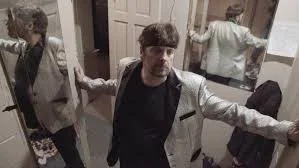
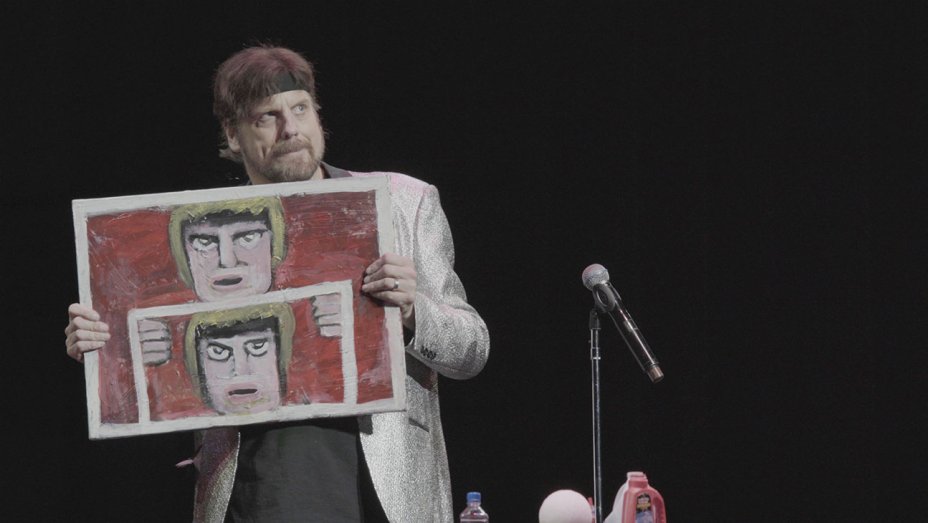
The Untitled Amazing Jonathan Documentary is the story of two desperate men; one is trying to leave a legacy and the other is trying to create a legacy through his art. Its an extremely meta film that’s also self-aware and downright hilarious. Writer/director Benjamin Berman takes us on what eventually becomes a personal journey of how far one would go to leave a mark in the world.
The doc starts out as a portrait of comedian/magician John Edward Szeles who goes by the stage name The Amazing Johnathan. Stock footage shows his zany comedic style of performing magic and illusions and rising to the top of his industry. In 2014, Szeles is hit with devastating news that he only has a year to live, but three years later he’s still alive. Enter Benjamin Berman who reaches out to him to document his life and is granted access. Szeles decides that he wants to do a farewell tour as The Amazing Johnathan. Things run smoothly, until suddenly Berman and his team are made aware that another film crew will be shooting the same event to document The Amazing Johnathan. Things continue to spiral out of control from there as Berman learns there are even more documentary crews covering the person he’s dedicated so much time and effort towards.
The film merges into somewhat of a hunt to solve a mystery as Berman worries about the outcome of his documentary and whether he should continue. It doesn’t help that Szeles is extremely apathetic about it all. As Ben dives deeper into trying to salvage his documentary, he also begins to unravel; he takes questionable steps to make sure that it is created and even questions the truth of the ultimate prankster’s death sentence.
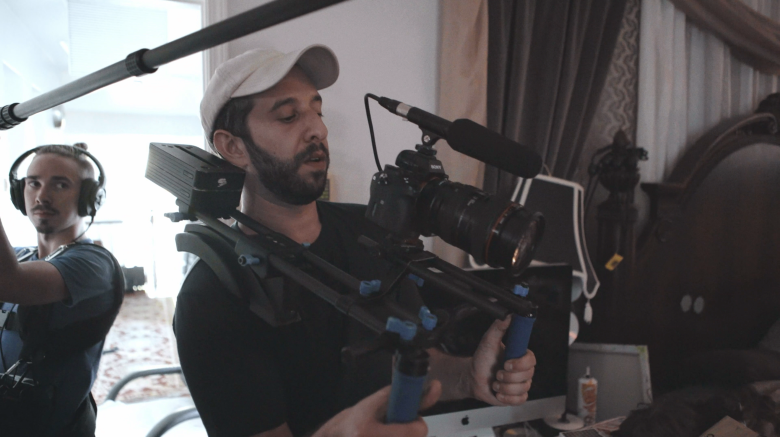
The editing in the film is remarkable and your hat has to be tipped to editor Scott Evans. From the opening scene in the documentary you can tell that you’ll be on a self-aware joyride. Nothing is off-limits for sewing the film together to tell its story. From the typography to the sound effects to the quick hit jingles and cuts, this is a story being told from all angles. In fact, this approach in levity to tell the story is what makes the ability to handle this complex story easier.
There are plenty of twists and turns in the movie, but it’s death that looms in the background of both Szeles and Berman’s mind that informs their decisions subconsciously and eventually makes its way into the documentary. The Untitled Amazing Johnathan Documentary is transparent, original and personal in its attempt at making it to the big screen. Berman’s ability to adapt and use his resources create a once in a lifetime moment in a documentary that, otherwise, may not have been made.
Rating: B+

"The Great Buster: A Celebration" Review
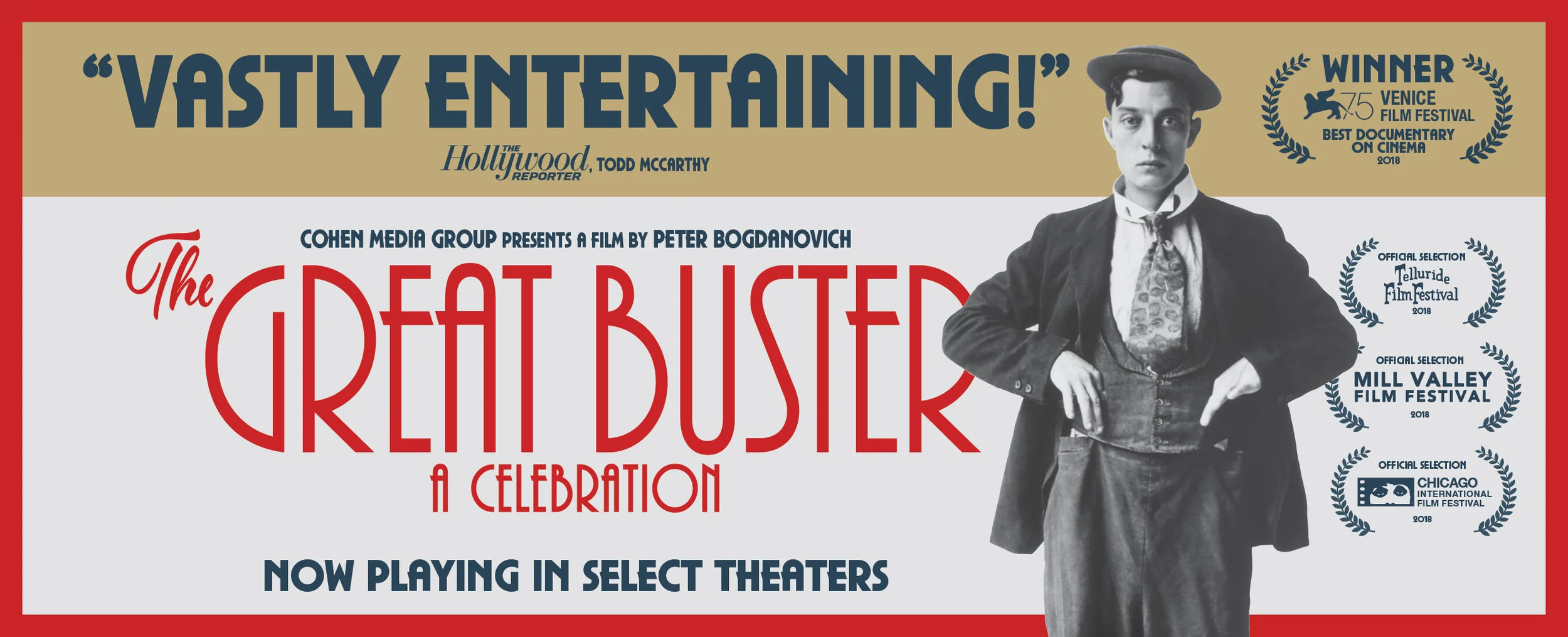
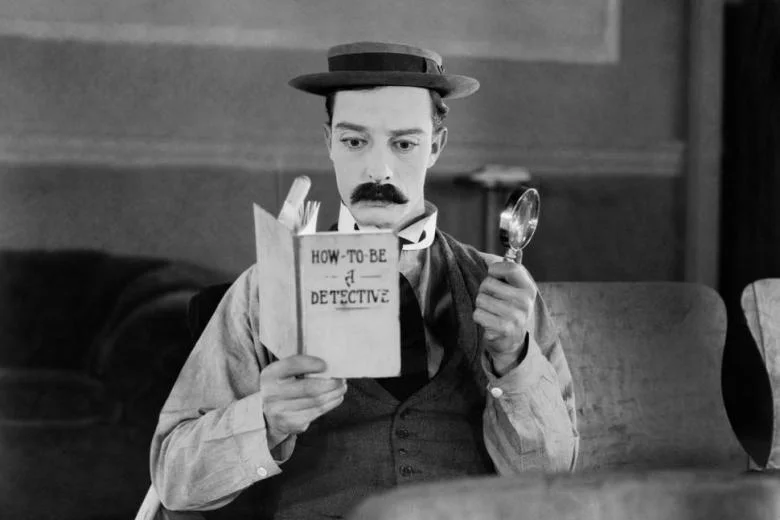
Buster Keaton is considered to be one of the most famous comedians and filmmakers from the silent film era. Nicknamed “The Great Stone Face,” Keaton was well known for his physical comedy, keeping a deadpan face, and never breaking a sweat when he performed a gag. His films have inspired countless generations and filmmakers. From filmmaker and film historian Peter Bogdanovich, The Great Buster: A Celebration often is an exultant look at what Keaton accomplished, even though it just skims the surface at times.
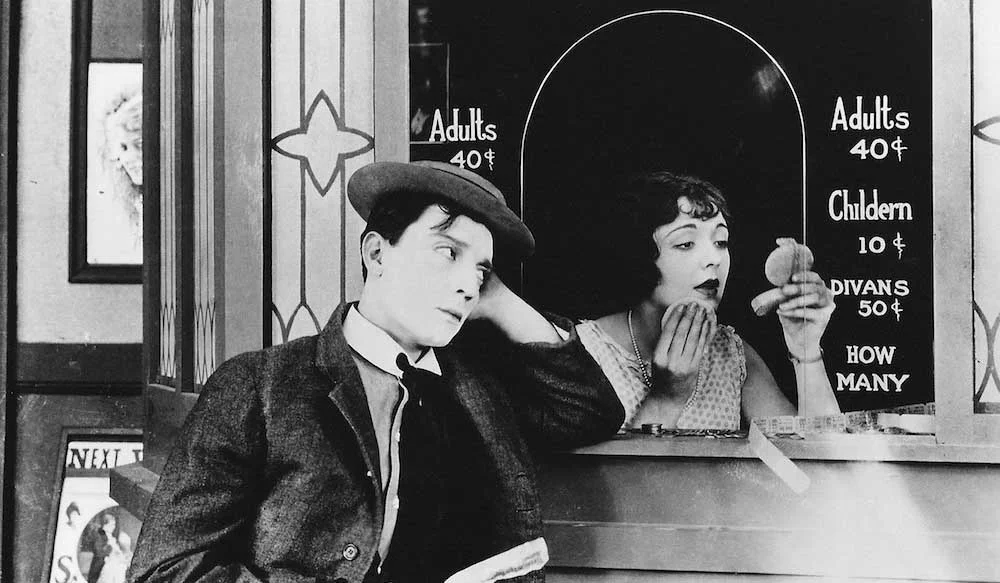
In the documentary, Bogdanovich takes a look at the life and career of Keaton. From his vaudeville beginnings to making his first shorts to becoming a star, Bogdanovich traces Keaton’s every step. Interlaced throughout are comedians and filmmakers who were inspired by Keaton’s work, while also highlighting the work that Keaton produced throughout his time.
This doc has the potential to create new fans of Keaton’s work. Bogdanovich showcases clips that still hold up today, and they’re the best parts of this documentary! Keaton’s stunts were crazy in the silent film era, yet still will make you laugh. It’s also enlightening to see how some of his gags were later inspired in future films and can be seen even today as homages. You can certainly tell that Bogdanovich has an appreciation for Keaton throughout the runtime. The documentary begins with Bogdanovich on a talk show talking about a story he heard about how Keaton reshot an ending to one of his films, Seven Chances. Bogdanovich also does a good job showcasing old photos, newspaper clippings, and even Keaton’s later works, including those where he starred in MGM films, so we can see how different Keaton felt and looked when he was confined to the studio system of filmmaking. Finally, the film assembles a good selection of comedians, actors, and filmmakers to talk about what Keaton meant to them and his influence on some of their works.
While Bogdanovich certainly knows what he’s talking about, sometimes his narration can be a little dry, like a film professor presenting a lecture to his class. While the documentary covers a lot of ground, it never dives deep into certain avenues that are brought up that could potentially take a more interesting route, like his time in World War I. Unlike other documentaries that have their subjects talk through archival footage, we never really hear from Keaton during the course of the doc, save for a clip Bogdanovich features from another documentary. Basically, what this documentary needs is more meat to its bone.
Overall, The Great Buster: A Celebration doesn’t delve too thoroughly in its subject matter, and therefore becomes a lightweight doc. As the subtitle states, this is primary a celebration of a comedian and filmmaker who still inspires filmmakers today. This is the type of documentary that will probably be shown in film school classes and appease film historians. If you’re a fan of Keaton’s work, you will get a kick out of this. It might also be a fine introductory course to someone who’s never seen one of his films before, and could be a gateway to experience more. If nothing else, this documentary shows what a genius Buster Keaton was.
Rating: B-
"Studio 54" Review
Studio 54 is the new documentary that takes a look at the famous New York City nightclub, or infamous, depending on how you look at it. From director Matt Tyrnauer, who’s past documentaries include 2008’s Valentino: The Last Emperor and 2017’s Scotty and the Secret History of Hollywood, Studio 54 is an entertaining look at a club that, if you could somehow get in, would transport you to a different world. This is a nightclub that quickly rose to the heavens, only for it to come crashing back down to earth. The doc succeeds in letting the owners tell the story themselves, giving the viewer the inside look at the impact Studio 54 had on everyone involved.
In the late 70s, college friends Ian Schrager and Steve Rubell opened up a nightclub on West 54th Street in NYC. At the time, it was considered by many to be one of the sleaziest blocks in town, due to it being rundown and a place you wouldn’t want to be at night. Taking over the building that used to be where CBS Television produced some of their hit shows, Schrager and Rubell created what they called the “ultimate club” and paradise. An overnight success that went beyond their wildest dreams, this became the hottest ticket in town for close to three years, where celebrities frequently attended. But like the story of Icarus, Schrager and Rubell flew too close to the sun, and after awhile, especially after comments made by Rubell that only the Mafia made more money than them, the IRS and the feds started knocking on their doors.
For the most part, Tyrnauer does a good job in balancing the documentary. While the nightclub is the main meat of the story, Tyrnauer wraps it around what’s essentially a biography on both Schrager and Rubell by covering how they met in college, decided to be business partners, why they decided to create Studio 54, and so forth. In a sense, they were perfect for each other. I think it was wise that Schrager waited until enough time has past so that he could properly reflect and tell his side of what went down. Like this summer’s Won’t You Be My Neighbor?, Rubell speaks through archival footage so that we hear from him also (Rubell sadly died from AIDS complications in 1989). Another neat effect that Tyrnauer and his editor employ is that we see a photo of a surviving member of the nightclub which transitions to them in present day giving their side as well.
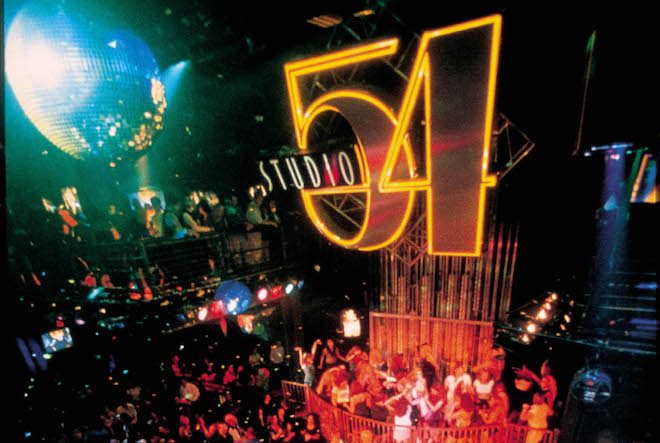
Studio 54 was basically a social experiment, ahead of its time in its inclusivity of the LGBTQ community. If the outside world shunned you, once you came inside Studio 54, it felt like home and no one cared about what you were as long as you were having a good time. The doc makes good use of old footage, from photographs to never before seen footage inside the nightclub it gives us a sense of what it was like to be there. Using news footage and interviews as well, including where Michael Jackson crashes an in progress interview with Rubell, is quite fascinating to see. For a 98-minute documentary, the pacing is good in that there’s never a dull moment within the film.
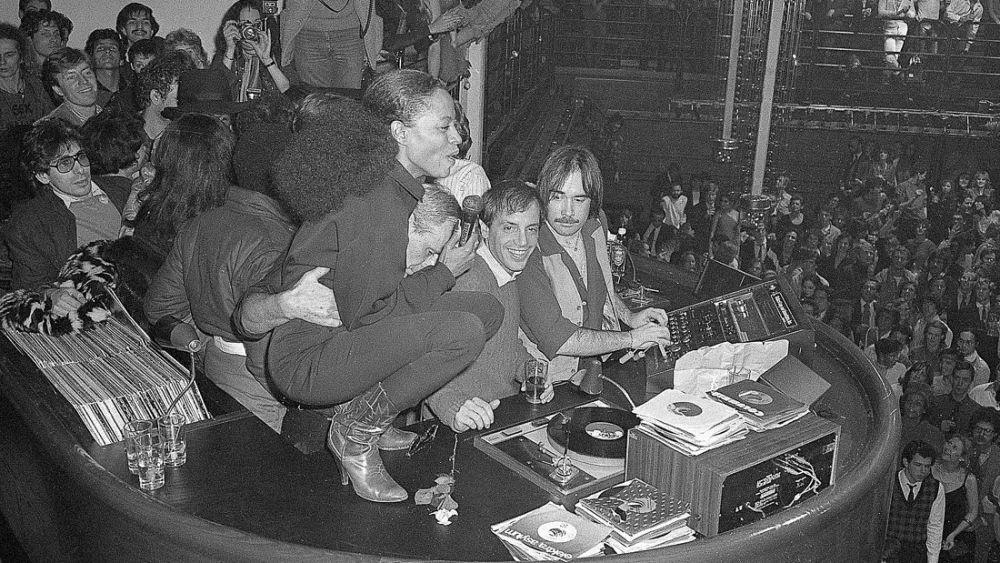
I think my biggest complaint about this documentary is that since the club was infamous in certain aspects, it somewhat skims the surfaces of how hedonistic and crazy it was to be inside the club. If you managed to get in in the first place, there are the wild tales of drugs floating around, hooking up inside, or having physical relations with someone you just met. They briefly discuss it, but it never dives deep into those areas. I also wished that they got more of the celebrities who attended Studio 54 to tell about their experiences within the club, since it was a popular hotspot for them. There are a lot of different avenues that this documentary could have taken, but it makes me wonder if they chose this route to get Schrager on-board to finally open up. One of the best moments of the film involves the prosecutor telling his side of the story after searching for evidence after Studio 54 was raided, and then the manager of Studio 54 tells it from his perspective. The juxtaposition was beautiful, and I wished that there were more moments sprinkled into the documentary where we see a back and forth like that.
Overall, if you’re looking for a more in-depth, critical look, you should probably look someplace else. From a documentary standpoint, while I wished that Studio 54 delved deeper in more aspects, the parts that Tyrnauer does treat us to are quite interesting and does provide some nice insight into it all. Even showing us how Schrager changed his life for the better (he was pardoned last January by President Obama). So in a way, it’s more of a celebration about what the nightclub was to everyone. If you’re in the mood to watch a good doc, I would suggest checking this out sometime.
Rating: B

"Kusama-Infinity" Review

Anyone with access to the internet over the last decade or so has seen the work of Yayoi Kusama. The 89-year-old Japanese artist's paintings, soft sculptures, and mirrored infinity rooms have captivated audiences around the globe. But this was not always the case; Kusama's long life as a creative has been fraught with pitfalls and setbacks; yet, the artist has pushed through adversity to become one of the most successful artists in the world. Filmmaker Heather Lenz's debut feature tells the story of the woman behind the art and provides a conventional look at the life of Kusama.
Growing up in post-war Japan, Yayoi Kusama decided to become an artist after a hallucinatory experience in a field of flowers. Kusama set off for New York, where she found herself fighting against a white male-dominated art scene that sought to both oppress and appropriate her work. Nonetheless, Kusama carried on, staging transgressive performances against the Vietnam War, upending the Venice Biennale, and expanding beyond the gallery into the worlds of film and fashion. The artist's career was filled with ups and downs, none of which kept her from creating her instantly recognizable work.

The abstract nature of Kusama's work contrasts with the way Lenz chooses to tell her story, which could be seen as both beneficial and harmful. Infinity is told in a very straightforward fashion that’s familiar to fans of documentary film. The film moves from event to event in Kusama's life throughout the short 76-minute runtime. It often treats what seem like pivotal events in the timeline as mere asides as it plunges towards the present. It doesn't help that these events are almost entirely dictated by a stream of art critics, museum curators, and professors, all of whom tell us what Kusama was feeling at the time. The artist herself appears briefly throughout the film but she rarely tells her own story. This may be due to the artist's reclusive nature but, nonetheless, it takes away from the overall narrative.
This story is an important one, touching upon many issues that still haunt the art world as well as society at large. While not breaking any new ground in regards to contemporary documentary filmmaking, Kusama-Infinity presents a clear overview of the artist's life- those interested in the story behind her work should see this film.
Rating: B
Maryland Film Festival '18: "Charm City" Review
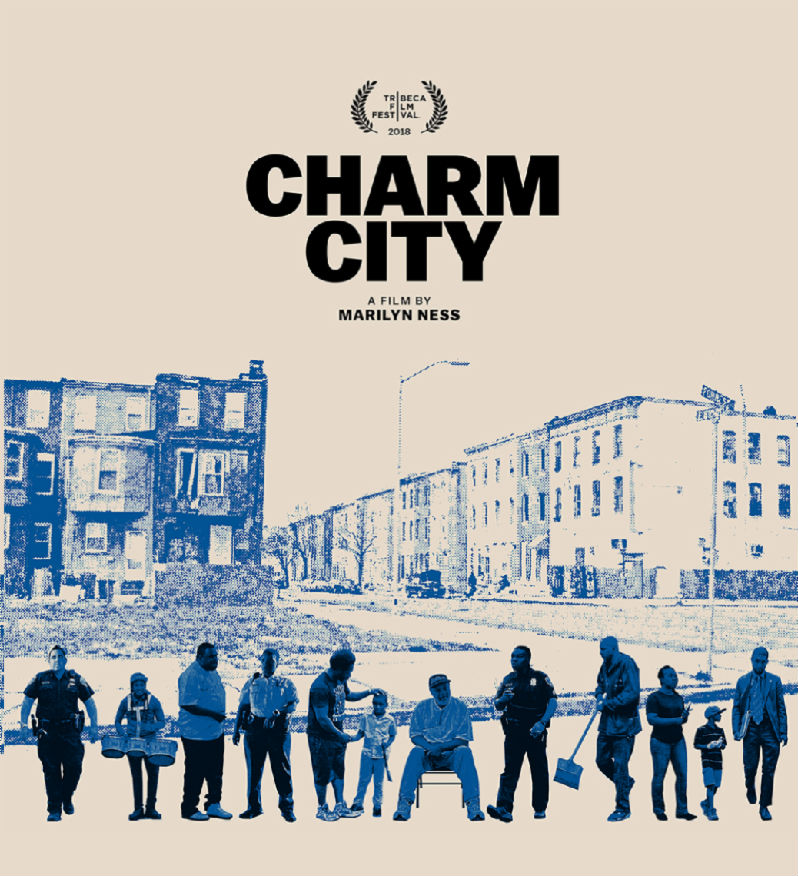
When you hear names like Freddie Gray and Michael Brown you immediately think of their respective cities: Baltimore, Maryland and Ferguson, Missouri. The lives of its community members are usually depicted via news footage, twitter images, or Facebook streams during the cities’ peaceful protests or outbreaks of violence. But what do these cities look like from day to day? Charm City aims to show two sides to the same story of how Baltimore deals with its’ violence in a heart-wrenching look at a city in crisis.
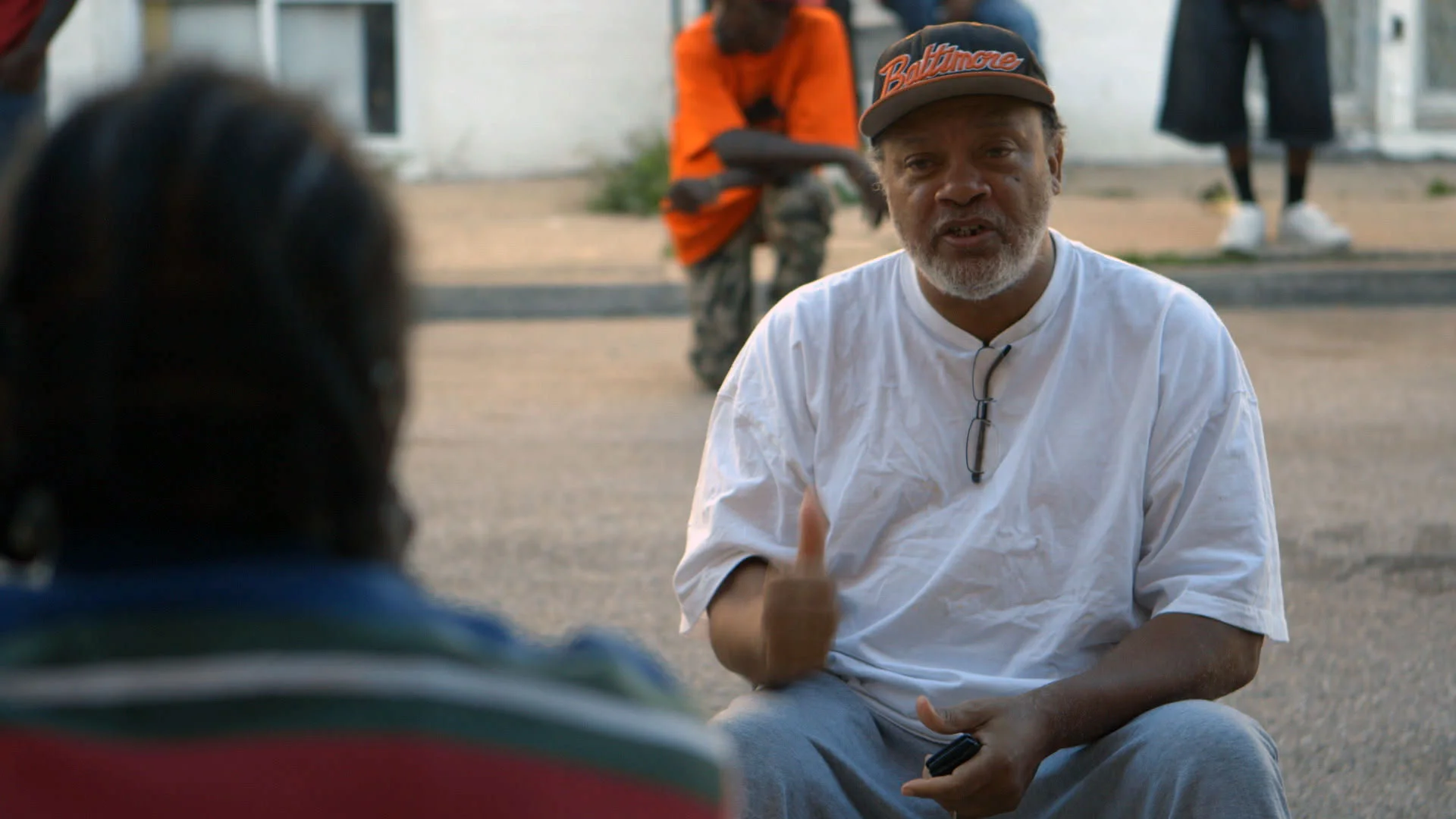
Baltimore filmmaker and award winning director Marilyn Ness spent three years in the Rose Street area of East Baltimore. The opening scene of the documentary sets the tone and pace for the rest of the film. As one of the doc’s main characters, Mr. C., a former corrections officer, talks with residents about the latest act of violence that has brought the police to their block in the middle of the night. Ness’s camera rests in the scene and editor Don Bernier gives us long takes of shots that won’t move on to the next like our brain wants it to. The result, is a feeling of actually being there. This is what a late night/early morning looks like for these residents. It’s reality, and reality isn’t roses.
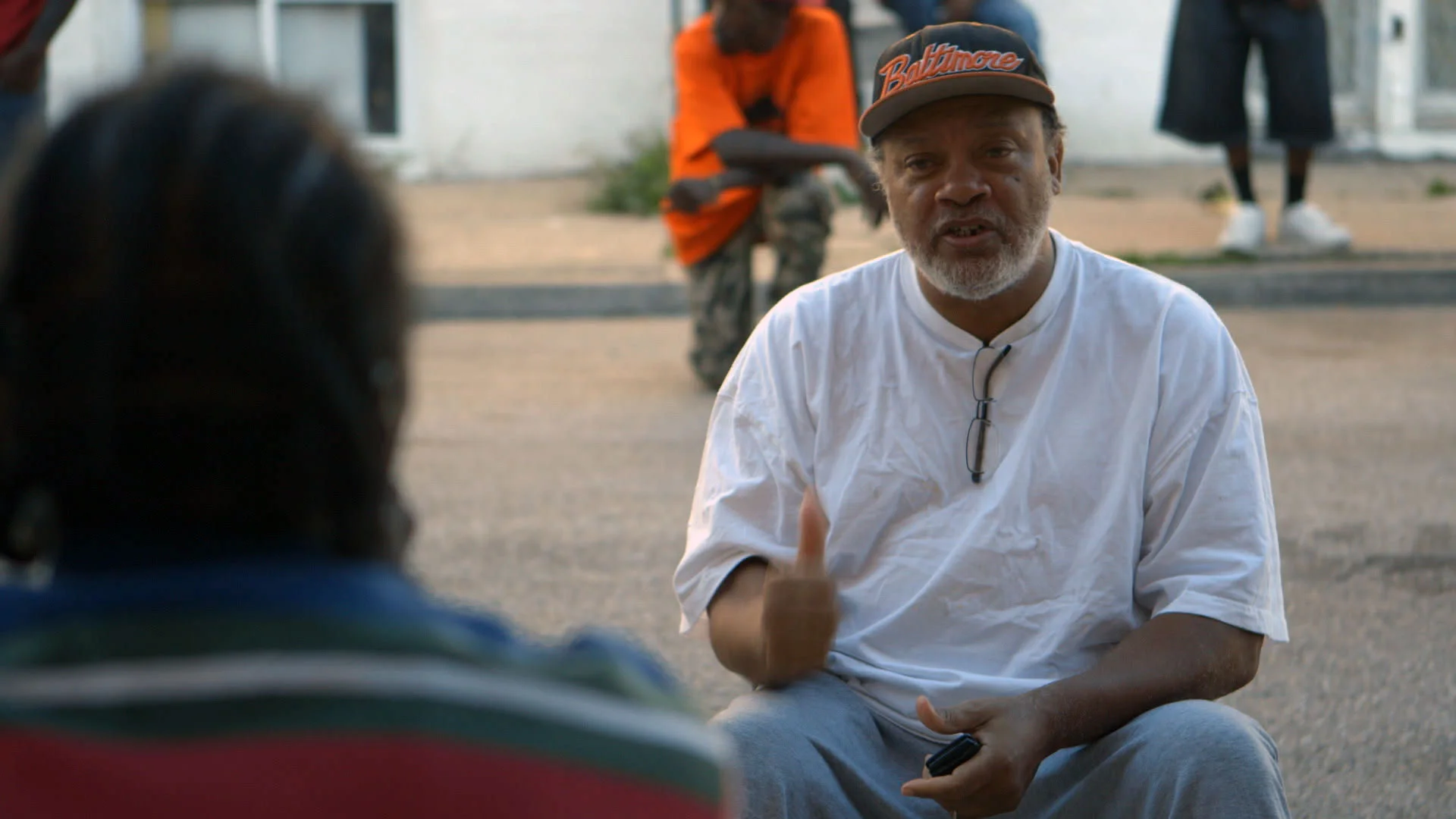
Mr. C leads the Rose Street Community Center. He is the heart of the community, hosting morning meetings that begin with a strong “good morning” that he expects to hear returned in the same way. He gives direction to the residents who participate in the Safe Streets initiative in which they clean the alleys and streets of Baltimore. Mr. C gives bus fare, acts as a male mentor, and distributes job opportunity information to those who need it. This is the way he combats the violence in the streets.
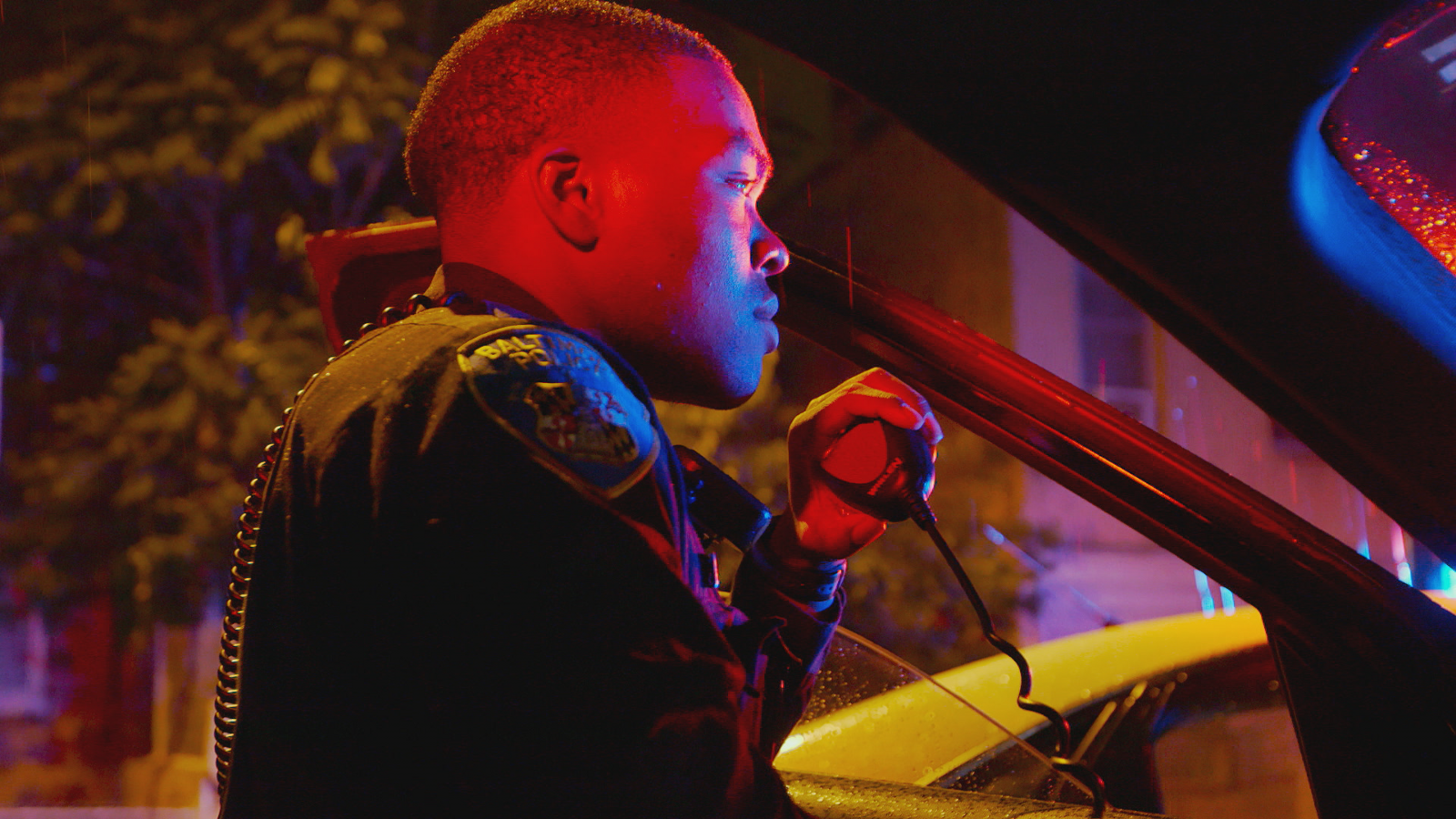
In the same way, we’re embedded in the police department with a variety of officers. We ride with officer Eric Winston as he answers calls. Again, the editing of these calls is sublime as we see Officer Winston respond to a call as humorously simple as an older woman trying to figure out how to block a woman that her husband of 27 years has been communicating with on Facebook, to a serious shooting that interrupts a stop he’s in the midst of that we hear on camera. The viewer feels embedded in a way that’s not like the old Cops TV show we used to watch. That show gave us wide shots during many scenes in order to “not miss anything”. Here, cameramen Andre Lambertson and John Benam direct our eyes to universal moments. Officer Winston’s hand riding the air out of an open window, the unnatural look of a face hit by flashing police lights, or the glimpse of an old man on the street as the police car moves past. By being integrated in such a way that can feel mundane at times, we get a real sense of the stress that officers feel as they try to protect and serve the nearly 620,000 people of Baltimore.
If you’re looking for a formal three act story, you won’t find it in this film. Instead it builds by giving us the day to day look at those involved. We attend a funeral of a young man, in a small church. His father gives an impassioned speech near his deceased son claiming “we ain’t afraid to die, we afraid to live!” It’s this statement and other’s like “there’s too much policing but not enough justice” from Alex Long, one of the Safe Streets leaders, that give us the feeling of life as a resident in this area of Baltimore. Charm City gives us the faces of wariness, hopelessness, and despair from violence. Yet, somewhere in it’s run time a resilient hope continues to pop up on both sides of city officials and residents.
If the film meanders without a predictable structure, it wraps with a moment that keen film lovers may have seen foreshadowed, as the painful sting of life on Rose Street hits home. It’s in this moment that the film gives another glimmer of hope in a difficult world. It gives the viewer tremendous respect for the subjects of the film, because as I watched the movie, I kept asking myself questions like “why do some people have it so hard?”, “why am I still watching this depressing film?”, “why can’t officials help the people?” and more. Charm City answers simply: whether you want to close your eyes and shut your ears to what you’ve seen and heard or not, this is life for us, we make the most of it and we’re going to do our best to beat the odds with or without you.
Rating: B+
Middleburg Film Festival '16: "The Eagle Huntress" Review
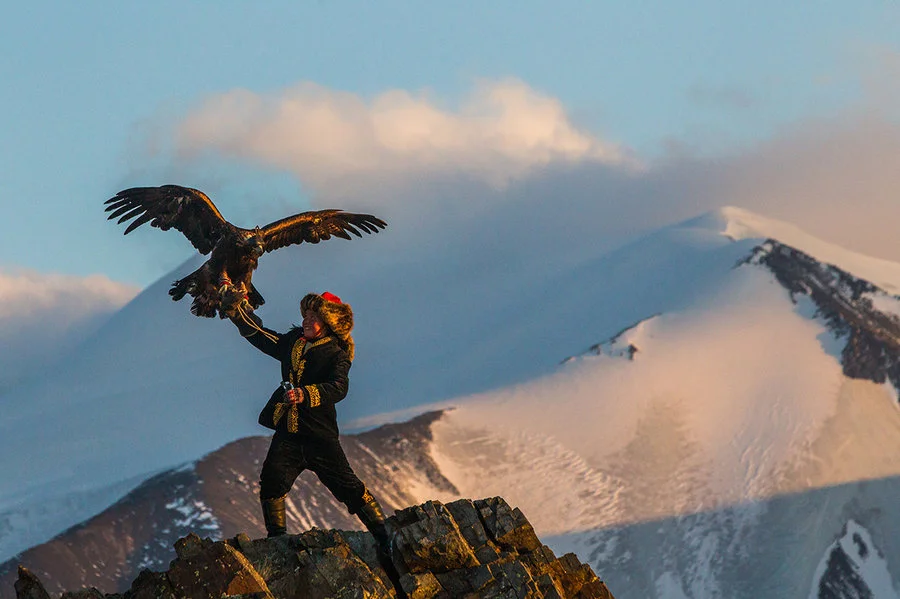
As children, we look up to our parents and are impacted by their example whether positive or negative. So why would it be alarming that 13 year old Aisholpan Nurgaiv would want to follow in her father’s footsteps as a hunter in Kazakh tradition? Perhaps because for centuries, the role of eagle hunter has been held by men. The new documentary, The Eagle Huntress, follows Aisholpan on her harrowing journey to buck tradition and make her family proud.
The film introduces us to the Nurgaiv family in the mountains of Mongolia. The tight knit family lives an isolated but busy life. We find Aisholpan on the cusp of getting her own golden eagle, the beautiful bird used to assist in hunting. The eagles aren’t just handed to hunters. Hunters have to scale the mountains to get eaglets at a time when they can’t yet fly in order to raise and train them. With the help of her father, she does, and it’s absolutely breathtaking!

Armed with her eagle, Aisholpan trains to compete in the annual eagle hunter festival. Traditionally an all male competition, eyes roll and heads turn as she rides in with her father. Yet that doesn’t stop Aisholpan. Perhaps her youth allows her to ignore her haters, or maybe it’s the insurmountable love and pride that her father instills in her. Whatever it is, Aisholpan is confident and unwavering in her quest to be an eagle hunter. Which gives us comical moments with the quick juxtaposition of the elders talking against her, and then being forced to eat humble pie quickly after.
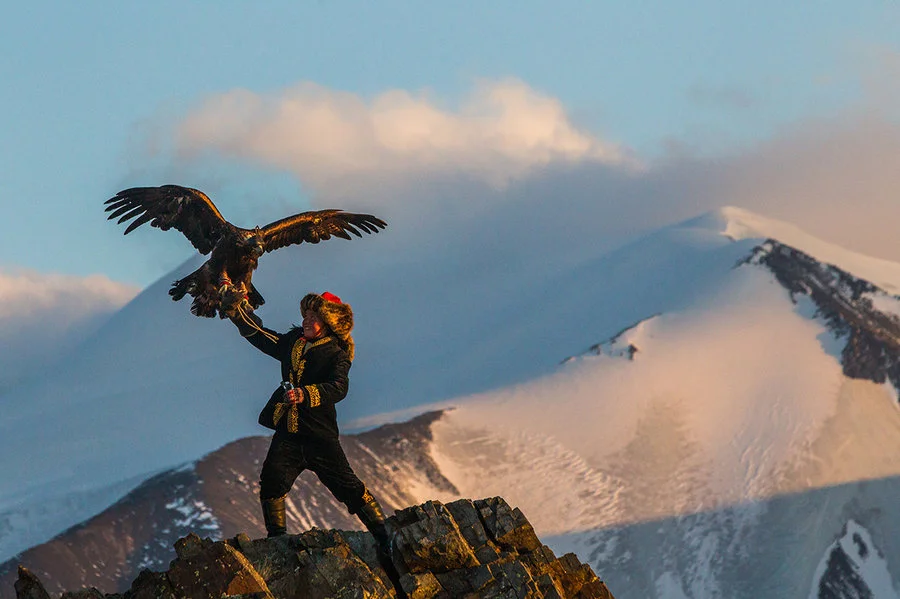
Director Otto Bell uses his camera and drone technology to beautifully capture the unforgiving landscape, while telling an intimate story. This film could only be told now. Using his life savings to help fund the film, drone footage gives us beautiful aerials while mountable cameras allow us to see Aisholpan’s first person view as she scales the mountain to retrieve her eaglet. While the visuals and David vs. Goliath story is incredible, Bell never loses sight of the heart of the film. The relationship between Aisholpan and her father is a universal, tangible display of love.
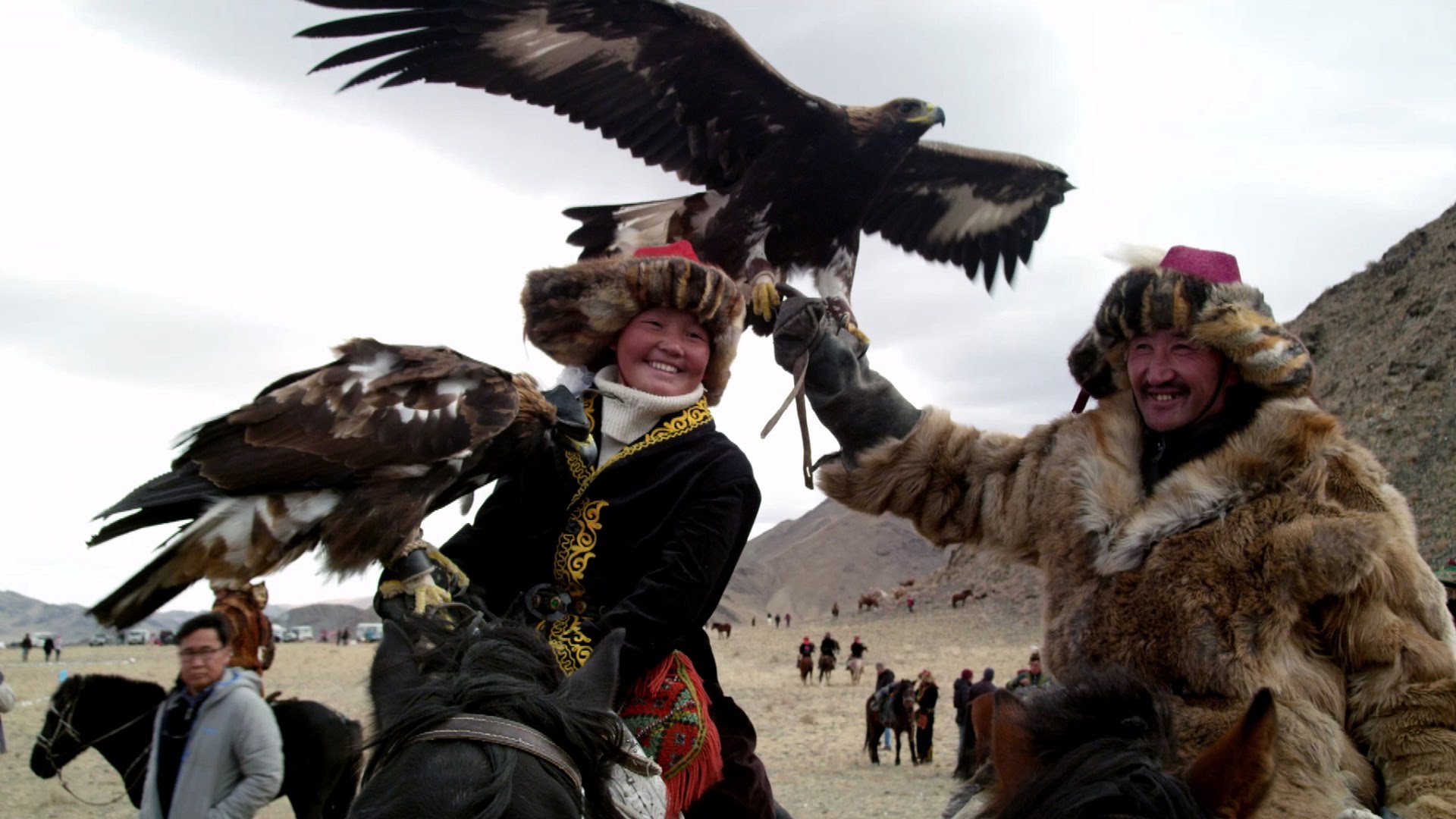
While viewing The Eagle Huntress you’ll forget that you’re watching a documentary because it is so gorgeously shot that it looks more like a narrative feature. It has everything from action to comedy within the film and manages to keep a complex story simple. While Aisholpan is a heroine in her own right with the amazing feats she accomplishes, she’s also a teenage girl who likes to laugh with her friends at school. Honestly, that’s what makes her that much more awesome!
Rating: A
Check out my interview with director Otto Bell and the film's stars here:
http://picturelockshow.com/podcast/2016/11/11/picture-lock-radio-ep-26-alexandria-film-festival-the-killing-season-the-eagle-huntress
AFI Docs '16: "Life, Animated" Review
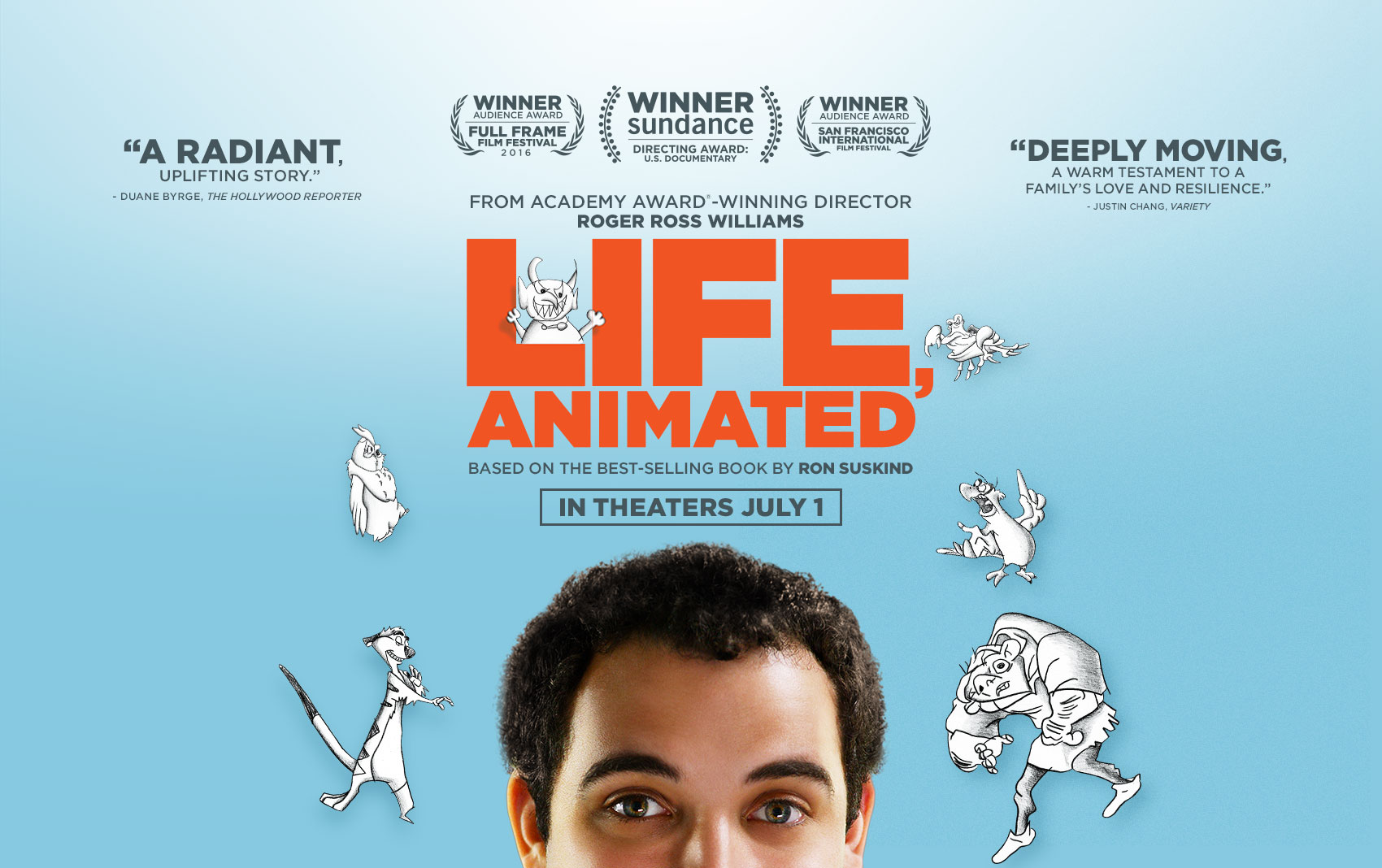
One of the many nightmares that a parent can have in regard to their child, is for them to disappear. At 3 years old, Owen Suskind did just that. He wasn’t kidnapped. Autism took control of his life and garbled the way he interpreted the world around him. Life, Animated tells the story of the Suskind family and how they used Disney animated movies to make sense of the world and communicate with each other.
After a year of silence, Owen’s father Ron, realized that Owen was saying lines from the Disney film Beauty and The Beast. It became clear that Owen was using the movies that he’d seen to make sense of the world around him. The family began to communicate with Owen using the movies, which never changed, to help Owen understand the ever changing world around him.
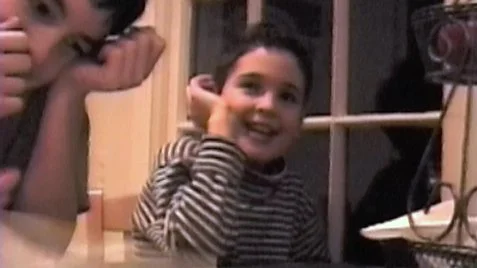
Switching between home videos and present day, we’re able to see Owen and his family grow older. We’re entrenched with the family as the recall coping and dealing with Owen’s regressive Autism through the years in moving stories that have animations to go along with them. At the present time, Owen is about to graduate from a program that will help him live independently. We’re able to witness Owen deal with his first big heartbreak and living on his own.
Throughout the film, independent studio Mac Guff beautifully animates commentary from the family and even Owen’s story that he created. The animation both illustrates their words and gives us a glimpse into Owen’s mind and cast of characters. Pete Horner does an excellent job of mixing the audio in the film as well. The cacophony of sound that clashes in Owen’s ears is demonstrated with the sound bed of the film and helps to draw us into Owen’s world even more.
One issue I had with the film is that while it seeks to help us understand Owen’s world with Autism, it misses on a big opportunity to educate the viewer on the Autistic world asa whole. The microscopic viewpoint of one family with an amazing connection to Disney animated films makes for an interesting hook in a documentary, but what about other families that aren’t as fortunate? It’s pretty obvious that the Suskind family is a tight knit clan filled with love, the awesome ability to put Owen in a special school when he was younger, and a program when we meet him presently in the film. Yet, my mind went to the families of other children with Autism that may not have the same opportunity.

Life, Animated is a solid documentary about the love of a family and perseverance of a young man with Autism. While some scenes seem stretched out for time, the feels are all throughout this film. Using Disney movies is not only a way to communicate amongst the Suskind family, but it’s just as easy to adapt and understand as a viewer of the film due to our own fondness of the animated classics.
Rating: B
"Presenting Princess Shaw" Review

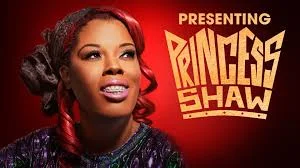
Presenting Princess Shaw is the feel good documentary of the year thus far in my book! It’s a film about two incredible artists sharing in each others dreams. One who has the strength to carry herself like the star as she pursues her dreams of becoming a singer, while all the chips seem to be against her. The other, a talented musician who mixes sounds from around the world via YouTube videos. The two artists, passionate about their craft, come together to make beautiful music, and an inspiring documentary.

Samantha Montgomery’s days consist of helping the elderly at the local nursing home. At night she sings wherever she can be heard. She also runs her own YouTube channel as Princess Shaw in which she sings, and shares her personal story of dealing with the sexual abuse she suffered as a child, hoping someone is listening. Little does she know that nearly 7,000 miles away someone is.
Ophir Kutiel, a musician out of Israel who goes by the name of Kutiman, has made a name for himself in the world of fine art by mashing up amateur YouTube videos. He finds Princess Shaw’s videos and starts putting together a hit! When you see how he does it, you have to respect the time it takes to construct each song, and the vision to hear the final product made from Frakensteined videos. When asked, Kutiman says heplans to put the video out online, and let the people who hear it be the ones that notify Shaw.
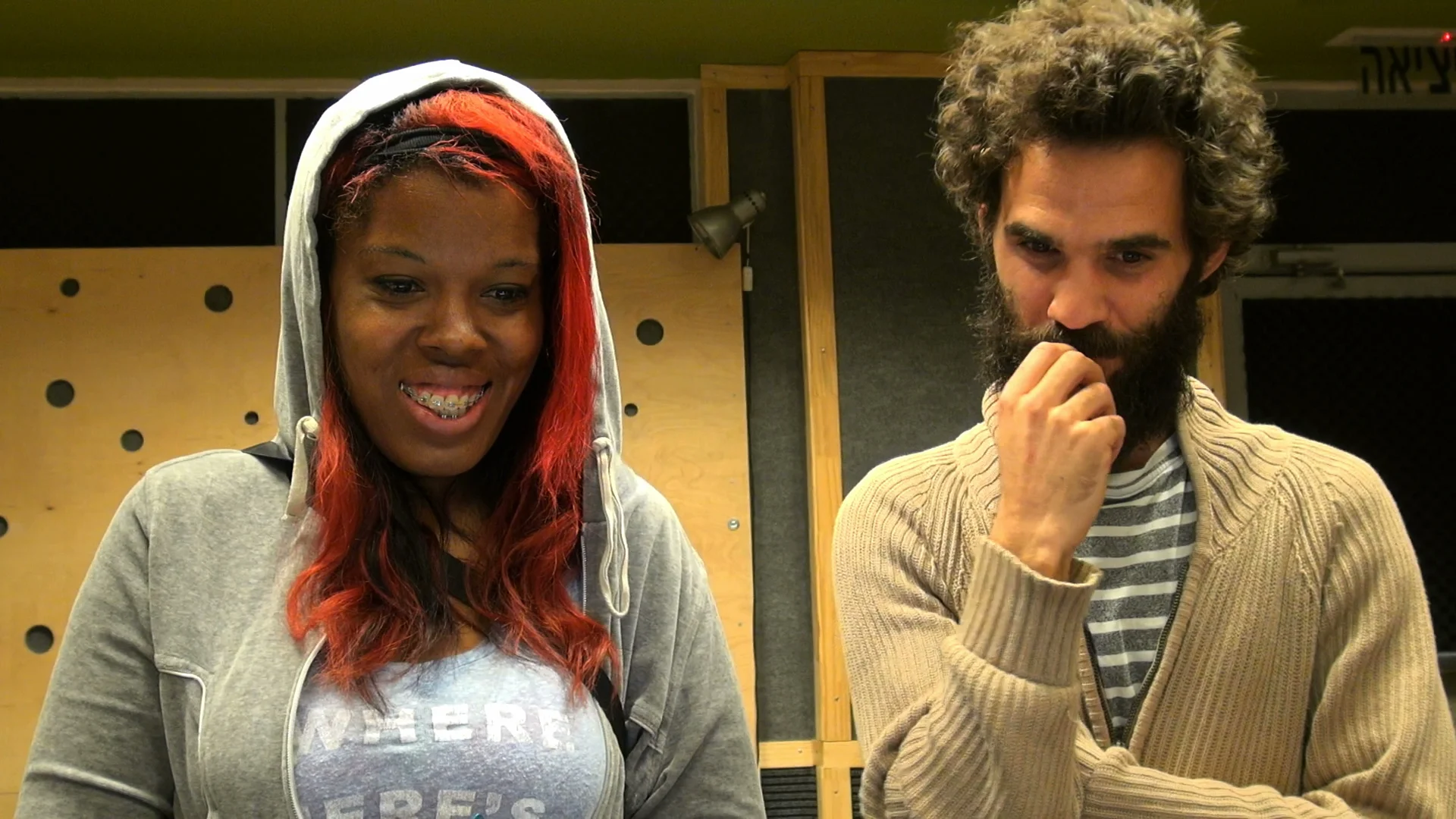
The film manipulates time in a way that works. We’re able to learn about Shaw through her YouTube videos. The videos that served much like an open diary to the world for Shaw, become the backstory of the film we’re watching. Juxtapose that with Kutiman, working up a masterpiece on the other side of the world and instantly we’re in on the secret that Princess has no idea about. While she struggles to keep the lights on (there’s a scene in which she’s using candles to light her apartment), and plays at a club for five people, she doesn’t give up on her goal. She’s the type of person you want to win though! She’s kind hearted, confident, and determined in spite of the difficulties in her life. So when Shaw and Kutiman finally meet, it's a beautiful, heart-warming scene.
Writer/director Ido Haar originally set out to film a documentary about YouTubers and thus was filming Princess Shaw while Kutiman was constructing the songs. So it was a perfect storm for the film to come together. Haar also edits the film to perfection. He cuts together moments in time, trusting there is enough in each scene to make a point and then jump ahead. It’s cut in such a way that Kutiman rarely speaks until the end of the film. Instead, he silently observes Shaw’s videos while working on his music. Yet his silence still speaks, because it’s a good bet that just as he’s falling in love (figuratively) with Shaw, we feel the same way as observing viewers.
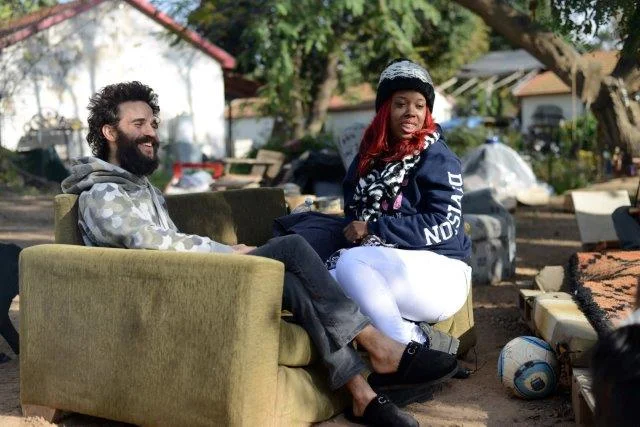
Presenting Princess Shaw is a film that’s about not giving up, pursuing your passion, and overcoming odds. Shaw’s attitude and outlook on life is admirable. Rather than complaining or carrying a large chip on her shoulder, she gives to others. So when she wins, we win! It’s a film that gives you hope that sometimes good things happen to good, deserving people!
Rating: A-
Annapolis Film Festival '16: (T)ERROR Review
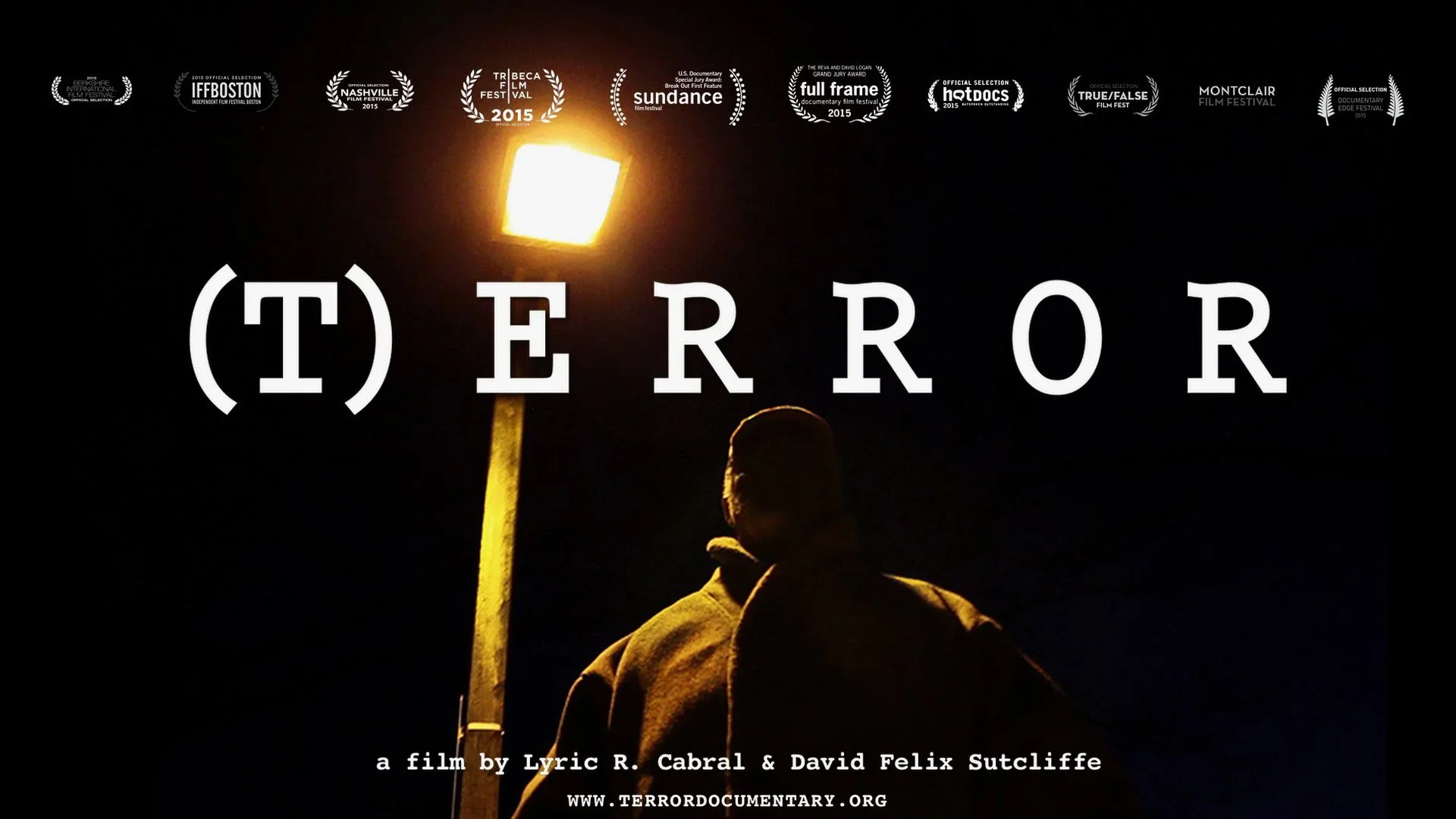
In a world where terrorists make the news weekly, someone has to be on the lookout for people who want to harm others. But what’s the price of that security? Who watches the watcher? What does it take to catch the bad guy? Saeed "Shariff" Torres, the main subject in (T)ERROR, is a documentarian’s golden goose. After two years of knowing the filmmakers, he confessed to being an FBI informant, and then proceeded to ask them to document his next assignment. What the viewer is presented with, is an astonishing, albeit limited look, at surveillance and the human impact of it.
We’re first introduced to Saeed as he complains about being on camera. It’s interesting because we find out that he wanted to be documented. Shortly after, he’s calm and enjoying a basketball game. He explains that he became an informant in exchange for a reduced prison sentence for a New York City robbery he committed. We find him getting ready to go to another assignment in Pittsburgh. He needs the money, and he doesn’t have any love for muslims who malign the teaching of the Quran. He only has an obvious love for his son.
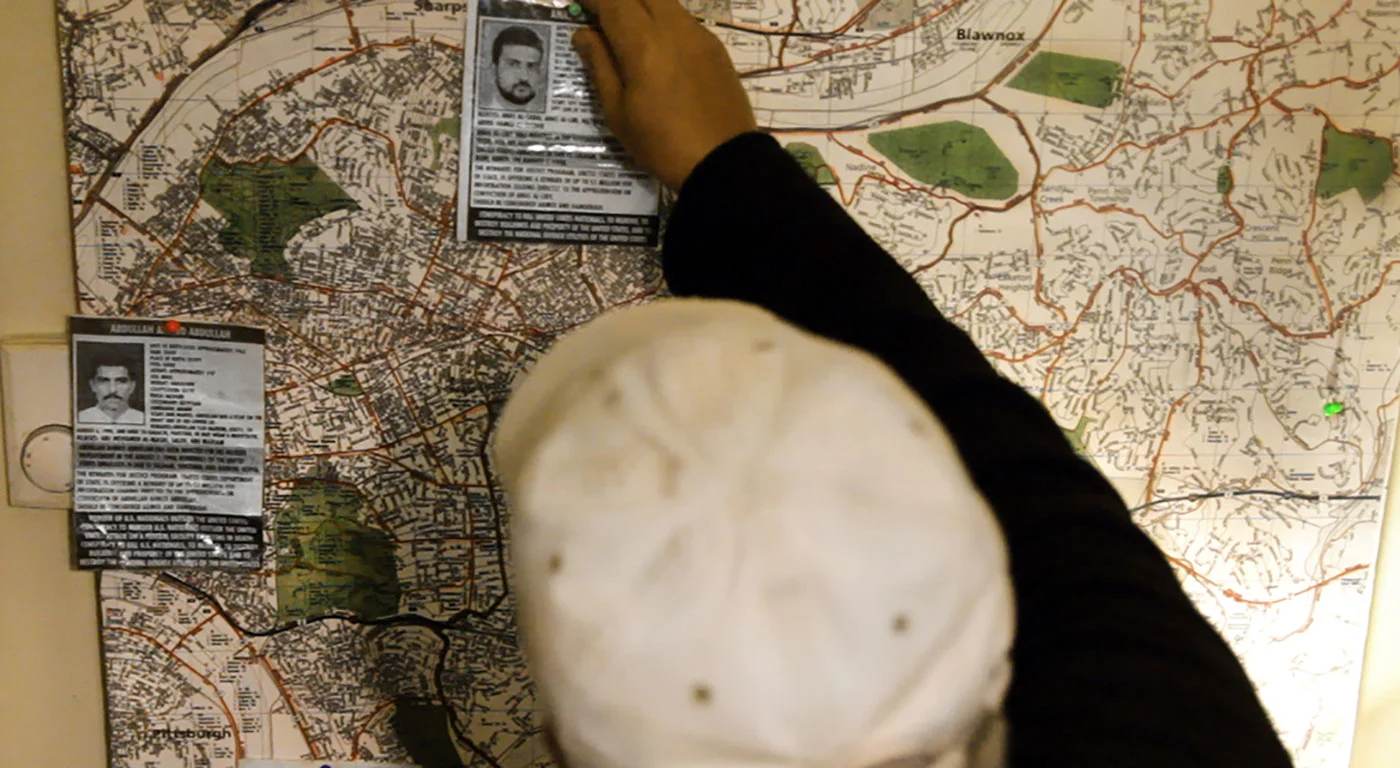
As Saeed begins to settle in the safe house in Pittsburgh we see a map that he pins photos on. He explains that he has a POI (person of interest) that he is going to befriend at the local mosque. He makes it clear that he has his own way of gaining their trust, and that if he did things the way the FBI wanted he would never get any of the busts he’s gotten. His arrogance is somewhat off putting, but the espionage drama pulls you in closer.
When we’re first introduced to Khalifa, Saeed’s POI, we see him in black and white surveillance photos. We see a picture of him with an automatic weapon. Probably most importantly, we see his appearance in muslim garb. So it’s easy to side with the FBI and Saeed. What directors Lyric R. Cabral and David Felix Sutcliffe do next is stunning as they interview Khalifa himself behind Saeed’s back.
As the viewer, you’re instantly hypnotized at watching a documentary being made without the FBI’s awareness with their paid informant Saeed; at the same time you get to see and hear the extremely intelligent, other side of the story through Khalifa’s own account of what he believes is happening. You’re able to put the truth together yourself seeing all sides “straight from the horse’s mouth” as they say.
(T)ERROR successfully leads us down a path of preconceptions and shocks us by providing truths that disturbs them. Perhaps the most disturbing realization is the questionable entrapment schemes set up by the FBI as shown in the documentary. Yes, it is limited in scope. No, paid informants aren’t new. But the questionable ethics of counter-terrorism as displayed is worth analyzing.
Rating: B+
Middleburg Film Fest '15: "Hitchcock/Truffaut" Review
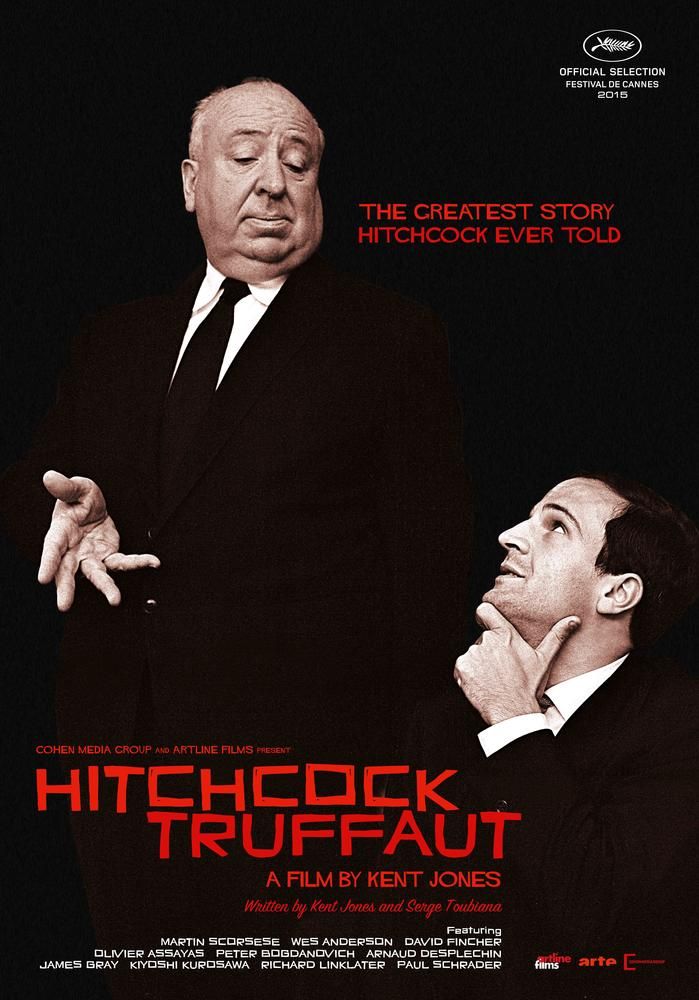
Alfred Hitchcock is a legend in film, but he didn’t start out that way. In fact, not all of his “classic” films that we think of today were box office hits. It was after French director, Francois Truffaut penned the book Hitchcock/Truffaut that his work as an auteur was appreciated on a deeper level. Unfortunately, the film “Hitchcock/Truffaut” doesn’t do much to expand what fans already know from the book.
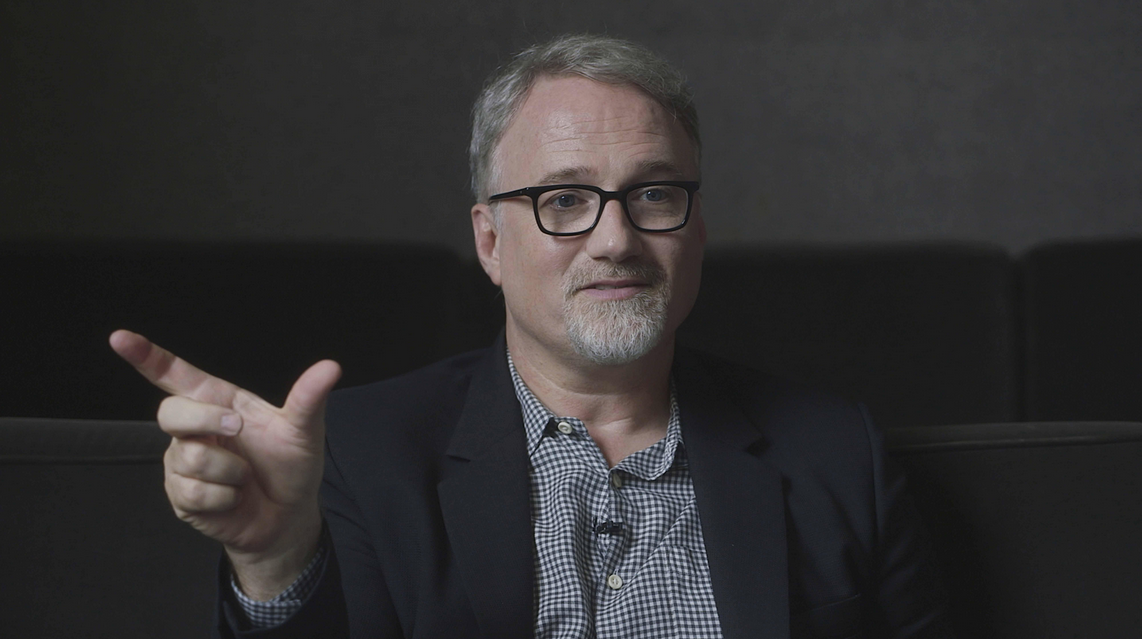
Part of the issue with the film is that it’s more of a gushing text message than a love letter to the book/meeting of Hitchcock and Truffaut. Director Kent Jones interviews numerous directors (Martin Scorcese, David Fincher, James Gray, Olivier Assayas, and more) to have them weigh in on Hitchcock’s work as highlighted in the book. In short, it’s a fanboy geek out session which is great for the fan, members of the film community, or newcomers to Hitchcock’s work.
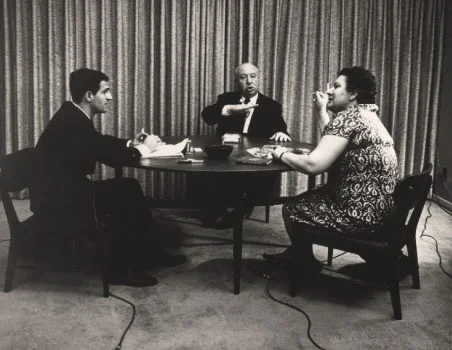
Some of the nice touches of the film come in seeing the photos from Hitchcock and Truffaut’s meeting, hearing some of the audio recording of the interviews, and the way Jones brings them together with footage from the films. It’s as though Hitchcock and Truffaut become one of the talking heads commenting on the film’s footage we’re seeing within the documentary. The voices of the past become voices of the present under Rachel Reichman’s editing.
“Hitchcock/Truffaut” is a must see for any cinemaphile, filmmaker, and Hitchcock fan. If you’re looking for a serious education on the book, their meeting, and their work, the film leaves much to be desired. A love letter would have been nice, but I guess these days a quick text will have to suffice!
Grade: B-
"Call Me Lucky" Review
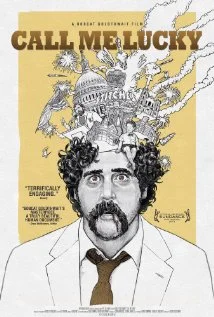
“Call Me Lucky” is one of the most powerful documentaries to come out this year! Director Bobcat Goldthwait’s gripping portrait of comedy legend Barry Crimmins is a must see! It’s impossible to sit through the film without laughing, crying and being disturbed in your soul on a subject, child abuse/pornography, that is talked around but not talked about in our culture.
Barry Crimmins was a beer-drinking, cigarette smoking, stand up comedian who gained notoriety in the 1980s. He founded two comedy clubs, The Ding Ho and Stitches, during that time. He is also credited with helping comedians like Steven Wright, Paula Poundstone, Dennis Leary, Bobcat Goldthwait and more get their careers going.
The film begins with friends and family re-capping Barry’s early life and start as a comedian. His satirical comedy routines focused on political and social change and were unique for its time. The interviewees highlight his impact on the industry with a slow build up to the viewer actually seeing the now secluded, simple living, 60 year old Crimmins.
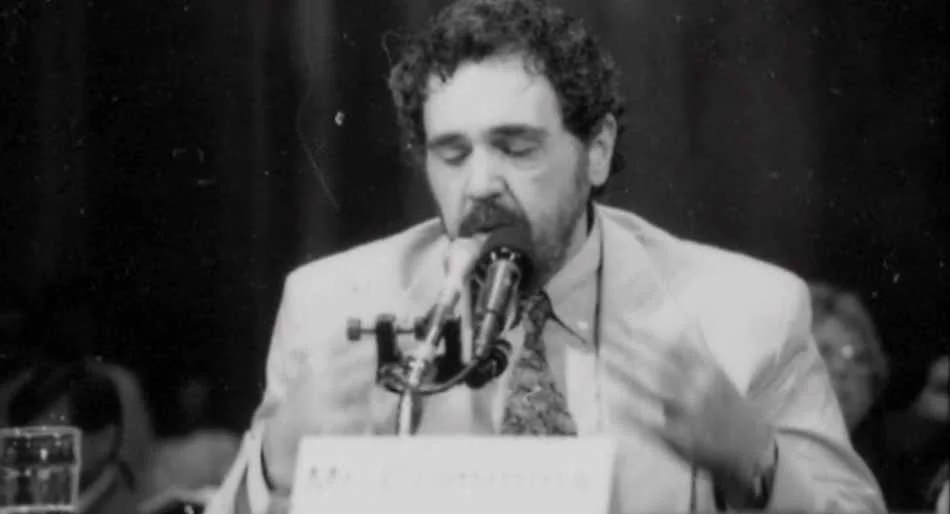
The emotional pendulum swing comes right in the middle of the film as Crimmins describes what happened to him as a child. From there, the tone of the film becomes serious as a historical drama unfolds. It turns into a David vs. Goliath battle for Crimmins as he eventually brings AOL to the senate an attempt to wipe child pornography off of the then burgeoning online chat room giant in the 90's. From there, we see the evidence of transformation and healing in Crimmins life. Crimmins interviews, like his comedy, are honest, genuine and fiery at times.
Cinematographer Bradley Stonesifer masterfully paints with light throughout the film. The beauty of the image gives contrast to the ugliness of the subject of child abuse. The juxtaposition helps to digest the film more than if it were shot with moody lighting.
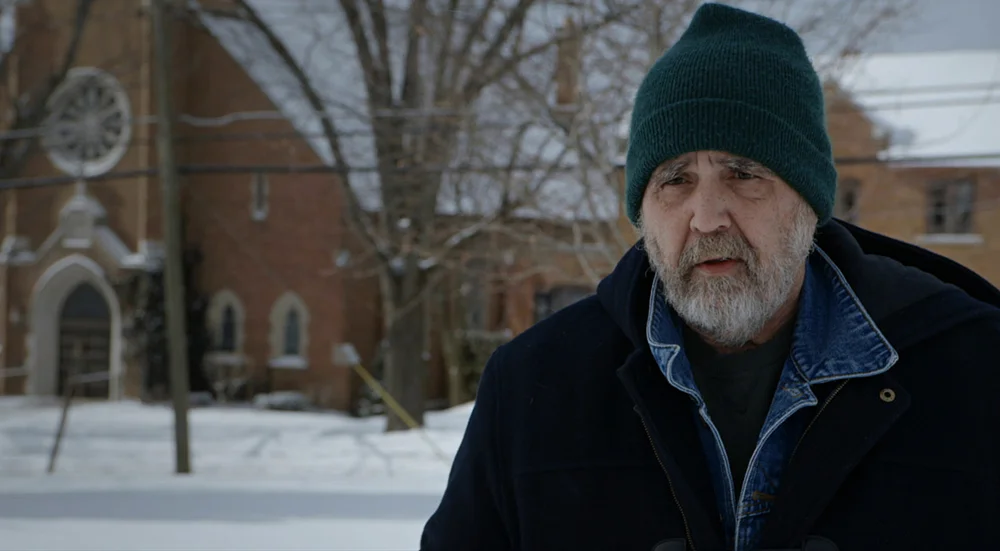
Goldthwait’s love for Crimmins is evident in every frame that comes together to weave this documentary into a portrait of a man who used his pain and scars as fuel to help others. He keeps a perfect balance of comedy and light-heartedness when needed, and raw emotional honesty through interviews with friends, family, and Barry himself. His use of the frame speaks volumes in shots, like one of the basement where Barry was raped as a child only lit from upstairs. It is quite apparent that there was a director behind the lens on this film and the precision used to tell the story with images, historical footage, interviews and all the other elements needed to create a documentary resounds from the first frame to the last.
In truth, Goldthwait’s enormous respect and love for Crimmins may have blinded him as the film could be cut down to a 90 minute running time. Goldthwait has Crimmins revisit his childhood home and the basement where he was raped near the end of the film. This could have been done for Crimmins’ healing, preserved for him, but it was not necessary for the story arch of the film, which this critic believes would have been more powerful without the pit stop.
Regardless of the overt bow from Goldthwait to Crimmins, “Call Me Lucky” is more than a portrait of Barry Crimmins. It’s a salute to his life as a comedian and an activist. The film, like its subject, is bold enough to speak clearly to the soul of humanity and call out its vile side with ferocious conviction at the same time. Now playing in limited release!
Rating: A
GI Film Festival '15: "The Forgotten Angel of Bastogne" Review
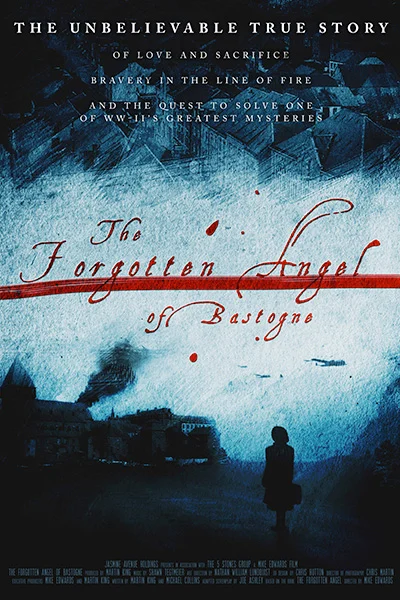
As the saying goes, “history is written by the victors”. Director Michael Edwards’ “The Forgotten Angel of Bastogne” dares to revise the history of Bastogne during World War II’s Battle of the Bulge by highlighting the heroic, herculean efforts performed by a black nurse amidst a racist era. After decades without praise, this documentary gives honor to a very deserving, courageous figure in history.
The film tells the story of Augusta Chiwy, a young nurse born of Congolese and Belgian descent, who with one trip home for Christmas had her life changed forever. In December of 1944, Augusta’s father asked her to come home to Bastogne for the holiday. She made a long trek from Louvain, Belgium to Bastogne. What should have been a few hours turned into an almost day long trip due to the Nazis pushing forward in what’s now known as the Battle of the Bulge.

Photo Courtesy of GI Film Festival.
After arriving in Bastogne, swarms of wounded and dying American soldiers poured in to the local aid station. Augusta was asked to help Dr. John Prior at the station, which turned into a triage facility overnight. She worked tirelessly side by side with Prior to save lives in some of the most gruesome scenes imaginable. The pair had to use crude, makeshift surgical instruments, and make due with a lack of supplies. While there, she also worked alongside nurse Renee Lemaire, who has been regarded as the “Angel of Bastogne” since she was the only documented nurse at the aid station due to her race.

Photo Courtesy of GI Film Festival.
The documentary takes nothing away from Lemaire, who deserves the title as history shows, but brings evidence to the forefront that Augusta deserves as much credit for the efforts she made during those brutal days. Perhaps Augusta’s story would still be rumored if not for Martin King, a military historian and authority on the Battle of the Bulge, who set out to find the truth of Augusta’s story. The film presents us with a parallel story of the historical event and the present hunt for the truth by Martin.

Photo courtesy of GI Film Festival.
For those who love history, and those that don’t, what makes this documentary worth seeing is how it brings history to life. Historical photos are displayed throughout the documentary but are infused with moving graphics and sound effects to help viewers be immersed in the moment. Nuanced touches, like light coming through a window of one of its still illustrations, make small details visually stimulating and engaging. The combination of clear historical storytelling and a present day mystery hunt makes for a riveting documentary.
While the documentary presents us with an abundance of history at times, it does a good job of keeping it organized and digestible for the average person. Augusta Chiwy took a stand to save lives regardless of the dangers around her, soldiers who didn’t want her help based on her skin color, and never retreated because it was the right thing to do. It’s that type of character that makes the story worth telling and the documentary worth watching. So many stories of heroism by minorities have been lost to history due to prejudice. This documentary and Martin King’s fight to tell her story, puts Augusta Chiwy in the annals of history where she belongs!
Rating: B+
Check out my interview with director Michael Edwards below!
Here's the trailer for the film: