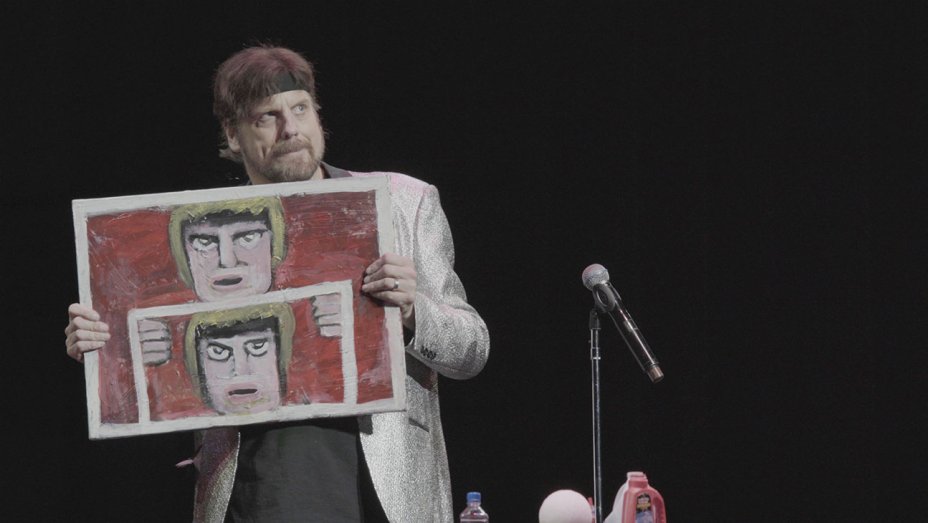
Sundance 2019: "Untitled Amazing Johnathan Documentary" Review
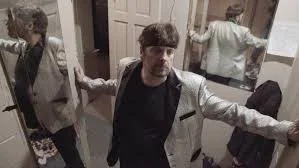
The Untitled Amazing Jonathan Documentary is the story of two desperate men; one is trying to leave a legacy and the other is trying to create a legacy through his art. Its an extremely meta film that’s also self-aware and downright hilarious. Writer/director Benjamin Berman takes us on what eventually becomes a personal journey of how far one would go to leave a mark in the world.
The doc starts out as a portrait of comedian/magician John Edward Szeles who goes by the stage name The Amazing Johnathan. Stock footage shows his zany comedic style of performing magic and illusions and rising to the top of his industry. In 2014, Szeles is hit with devastating news that he only has a year to live, but three years later he’s still alive. Enter Benjamin Berman who reaches out to him to document his life and is granted access. Szeles decides that he wants to do a farewell tour as The Amazing Johnathan. Things run smoothly, until suddenly Berman and his team are made aware that another film crew will be shooting the same event to document The Amazing Johnathan. Things continue to spiral out of control from there as Berman learns there are even more documentary crews covering the person he’s dedicated so much time and effort towards.
The film merges into somewhat of a hunt to solve a mystery as Berman worries about the outcome of his documentary and whether he should continue. It doesn’t help that Szeles is extremely apathetic about it all. As Ben dives deeper into trying to salvage his documentary, he also begins to unravel; he takes questionable steps to make sure that it is created and even questions the truth of the ultimate prankster’s death sentence.
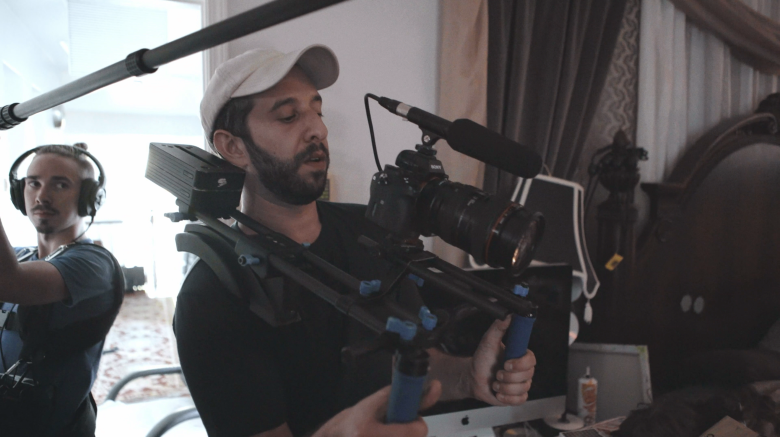
The editing in the film is remarkable and your hat has to be tipped to editor Scott Evans. From the opening scene in the documentary you can tell that you’ll be on a self-aware joyride. Nothing is off-limits for sewing the film together to tell its story. From the typography to the sound effects to the quick hit jingles and cuts, this is a story being told from all angles. In fact, this approach in levity to tell the story is what makes the ability to handle this complex story easier.
There are plenty of twists and turns in the movie, but it’s death that looms in the background of both Szeles and Berman’s mind that informs their decisions subconsciously and eventually makes its way into the documentary. The Untitled Amazing Johnathan Documentary is transparent, original and personal in its attempt at making it to the big screen. Berman’s ability to adapt and use his resources create a once in a lifetime moment in a documentary that, otherwise, may not have been made.
Rating: B+

"Love, Gilda" Review

Love, Gilda is not only a wonderful documentary but also an experience; you’ll laugh, you’ll cry, and the film will make you think. Love, Gilda is a powerful inside look into the late actress and comedian Gilda Radner. Directed by Lisa Dapolito, the film examines the comedy scene from the 1970s and 80s and how Gilda influenced it as one of the first female comedians on Saturday Night Live (SNL). She certainly didn’t peg herself as a feminist, however, by being the only woman doing what she was doing, she inherently became a feminist icon. During that time she often was put in typical roles only reserved for women, yet she didn’t complain and she conquered those roles with grace. After a while, she started creating roles for herself and other women, thus expanding opportunities for other female comics to express themselves in unique ways.
Not only did other women appreciate Gilda for her strong personality and talented acting, but male comics saw her potential as well and assisted in getting her where she was in her career. The film highlights how much influence Gilda had over these very talented comedians who are still actively working today. Many talented actors are interviewed about Gilda’s life and their relationships with Gilda such as Chevy Chase, Bill Murray, and Dan Aykroyd, just to name a few. The film goes deep into Gilda’s personal relationships, her struggles with her health and weight, as well as her family life. The film does a wonderful job exposing the human side of an iconic actress that the general public has never seen before; It truly uncovers a world that most people don’t often get to be a part of.
Alongside having a strong influence on talented male actors, Gilda had influence over female comics that are currently on the scene today. The film interviews female SNL successors to Gilda, and they discuss in depth how she paved the way for their comedy careers without even knowing it. Love, Gilda is calculated and thoughtful in who they chose to interview for this documentary; Amy Poehler, Maya Rudolph, Cecily Strong and Melissa McCarthy read emotional, old letters Gilda wrote to convey her experiences as a woman in comedy. These actresses even comment on how much of an honor it is to have be able to read Gilda’s handwritten letters within the film.
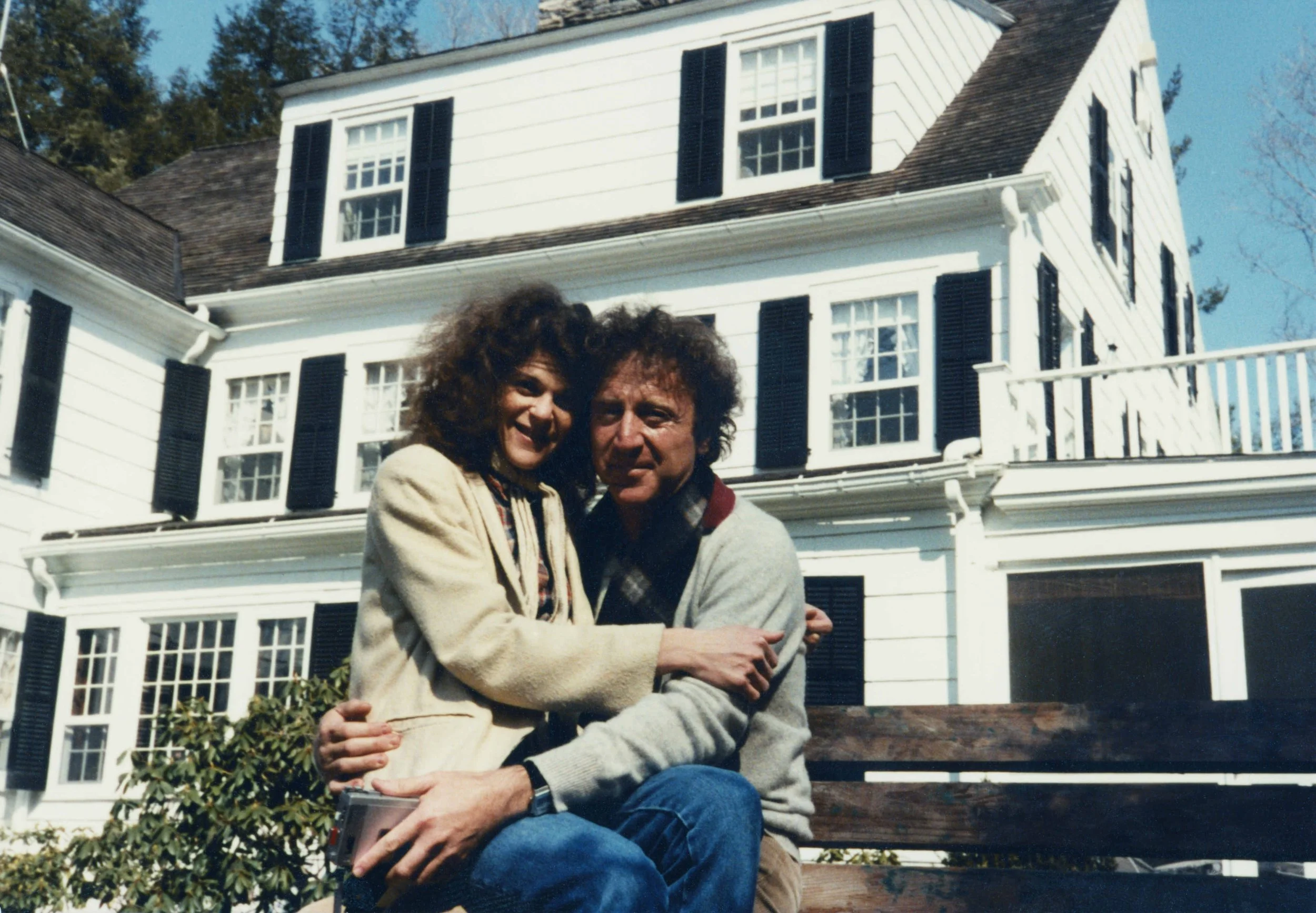
This film is a tribute to American comedy and what goes into it; it exposes a great deal of the comedy scene in both positive and negative ways and shows how hard Gilda worked to get where she was in her career. Lorne Michaels discusses Gilda with such content and talks about how she was dearly missed after she left SNL but understands why she did. One especially touching addition to the film is the archival footage that is incorporated (her brother provided a lot of the home videos). The archival footage and audio of Gilda shows her personality in a beautiful way; if you don’t know who she is before you watch the film, you’ll fall in love with her by the end of it. Her spirit is captured in such a considerate way, you can’t help but cry. This is a side of comedy that is often overlooked, comedians are not viewed as human, and their pain isn’t often exposed until it is too late (note: comedians have the highest suicide rate of any profession). Gilda was by no means suicidal, however she did struggle with depression which affected her health in many ways, and it is so important to discuss those types of struggles when talking about comedy; the film contemplates this in a meaningful way.
Love, Gilda is a piece of history that shows how far we have come in comedy and the roles of female actors. It really hasn’t been that long since women were only allowed to play roles “reserved for women”. Even though Gilda passed away from ovarian cancer at such a young age, this documentary proves that she has had an important influence for years, and she still has influence today. If you want to learn about self love, I highly recommend this film; Gilda taught people that its okay to be your genuine self, and that even when you’re incredibly famous, you’re still just like everyone else.
Rating: A
"Call Me Lucky" Review
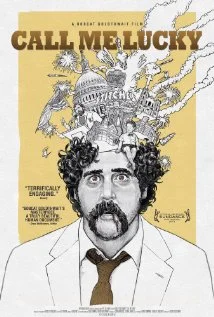
“Call Me Lucky” is one of the most powerful documentaries to come out this year! Director Bobcat Goldthwait’s gripping portrait of comedy legend Barry Crimmins is a must see! It’s impossible to sit through the film without laughing, crying and being disturbed in your soul on a subject, child abuse/pornography, that is talked around but not talked about in our culture.
Barry Crimmins was a beer-drinking, cigarette smoking, stand up comedian who gained notoriety in the 1980s. He founded two comedy clubs, The Ding Ho and Stitches, during that time. He is also credited with helping comedians like Steven Wright, Paula Poundstone, Dennis Leary, Bobcat Goldthwait and more get their careers going.
The film begins with friends and family re-capping Barry’s early life and start as a comedian. His satirical comedy routines focused on political and social change and were unique for its time. The interviewees highlight his impact on the industry with a slow build up to the viewer actually seeing the now secluded, simple living, 60 year old Crimmins.
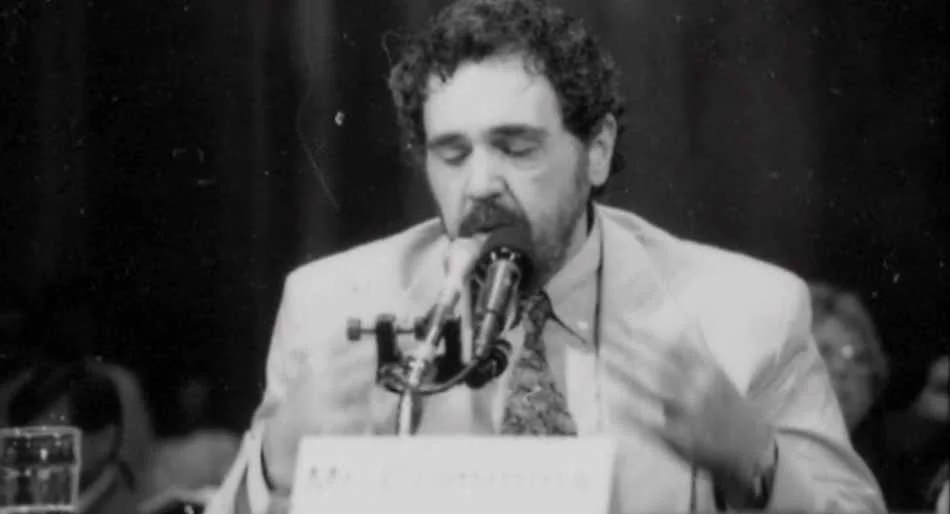
The emotional pendulum swing comes right in the middle of the film as Crimmins describes what happened to him as a child. From there, the tone of the film becomes serious as a historical drama unfolds. It turns into a David vs. Goliath battle for Crimmins as he eventually brings AOL to the senate an attempt to wipe child pornography off of the then burgeoning online chat room giant in the 90's. From there, we see the evidence of transformation and healing in Crimmins life. Crimmins interviews, like his comedy, are honest, genuine and fiery at times.
Cinematographer Bradley Stonesifer masterfully paints with light throughout the film. The beauty of the image gives contrast to the ugliness of the subject of child abuse. The juxtaposition helps to digest the film more than if it were shot with moody lighting.
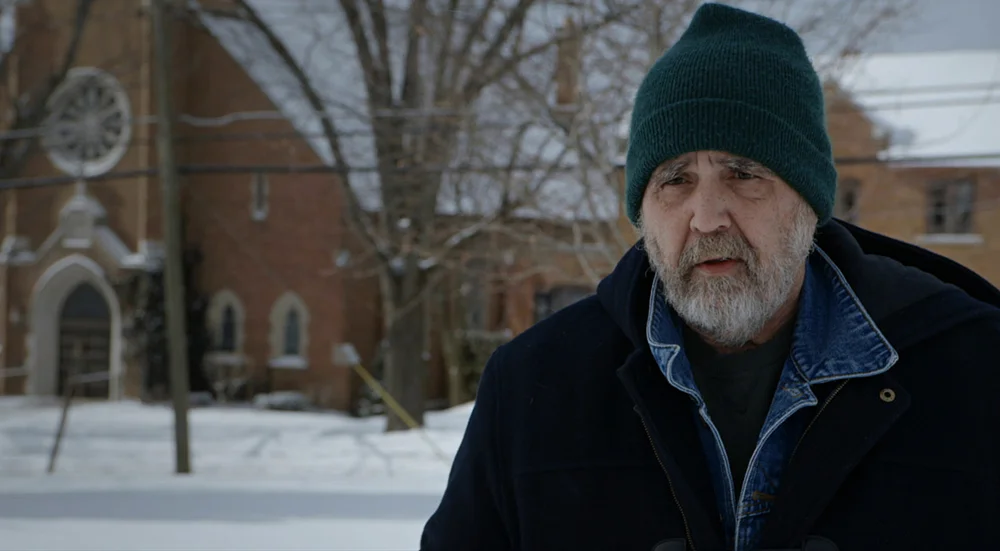
Goldthwait’s love for Crimmins is evident in every frame that comes together to weave this documentary into a portrait of a man who used his pain and scars as fuel to help others. He keeps a perfect balance of comedy and light-heartedness when needed, and raw emotional honesty through interviews with friends, family, and Barry himself. His use of the frame speaks volumes in shots, like one of the basement where Barry was raped as a child only lit from upstairs. It is quite apparent that there was a director behind the lens on this film and the precision used to tell the story with images, historical footage, interviews and all the other elements needed to create a documentary resounds from the first frame to the last.
In truth, Goldthwait’s enormous respect and love for Crimmins may have blinded him as the film could be cut down to a 90 minute running time. Goldthwait has Crimmins revisit his childhood home and the basement where he was raped near the end of the film. This could have been done for Crimmins’ healing, preserved for him, but it was not necessary for the story arch of the film, which this critic believes would have been more powerful without the pit stop.
Regardless of the overt bow from Goldthwait to Crimmins, “Call Me Lucky” is more than a portrait of Barry Crimmins. It’s a salute to his life as a comedian and an activist. The film, like its subject, is bold enough to speak clearly to the soul of humanity and call out its vile side with ferocious conviction at the same time. Now playing in limited release!
Rating: A