
"Woodstock: Three Days That Defined a Generation" Review
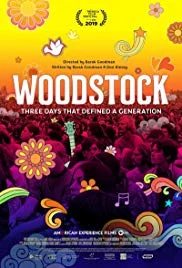
In just over two months, Woodstock, the legendary landmark music festival, will be celebrating its 50th anniversary. To commemorate this occasion, PBS and director Barak Goodman, who previously directed some documentaries for PBS on their American Experience series, have created a documentary about what led up to the events of the music festival and the festival itself. In short, Woodstock: Three Days That Defined a Generation is a nicely done documentary that also serves as a time capsule for what was happening around the time.
Over the span of three days, (technically four days but due to severe storms during the third day, the performers were pushed back by some hours so that it wrapped up that following morning) in August 1969, more than 400,000 people descended upon a dairy farm in New York. It was a last-minute relocation since the original site was no more due to the city pulling out; 32 acts performed on-stage, sometimes in not that great of a condition. The organizers, working around the clock, knew they ran out of time, since the grounds weren’t even remotely close to being done. This could have gone so incredibly wrong. And yet, by some divine miracle, the organizers pulled this event off, with some bumps on the road.
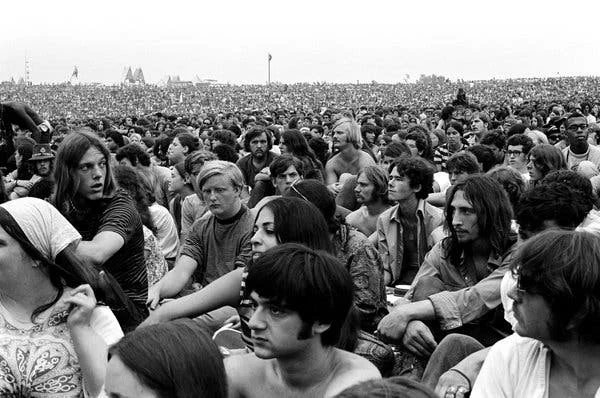
The format that Goodman employed for the film reminded me a lot of what Peter Jackson did last year with his fantastic documentary, They Shall Not Grow Old, in that we never cut back to any talking heads, but have sound bites talk over the carefully selected photos and footage that Goodman and his team tracked down to place in the film. The sound bites range from the organizers of Woodstock, the writers of the documentary providing historical context, those who attended the festival, and even a couple of the musicians who played at Woodstock. So, all in all, it’s a diverse array of talking heads. As you watch the documentary, and see how everything came together, it’s incredibly fascinating that Woodstock didn’t become the 1960s version of the Fyre Festival, since the organizers knew the event wasn’t even remotely ready to go. It’s a marvel that this didn’t become an outright disaster. The archival video from Woodstock is a thing to behold.
Even if you knew absolutely nothing about Woodstock or the significance of the festival, this does a good job in giving the audience an overview of the times surrounding the festival, and a nice history lesson of how everything came to be. At 96 minutes, the pacing is smooth in that it never feels like it’s dragging its feet. The film highlights certain areas, so that each section can stand on its own, from the counterculture movement that was growing to the development of the festival. I had a basic knowledge of the casual information of the festival, so I was surprised with what I learned from this documentary with knowledge and comparison of the modern day Fyre Festival disaster. Even though Woodstock came down to crunch time, the orchestrators were able to focus on what they needed to complete, prepare for the worst, and even make the event free.
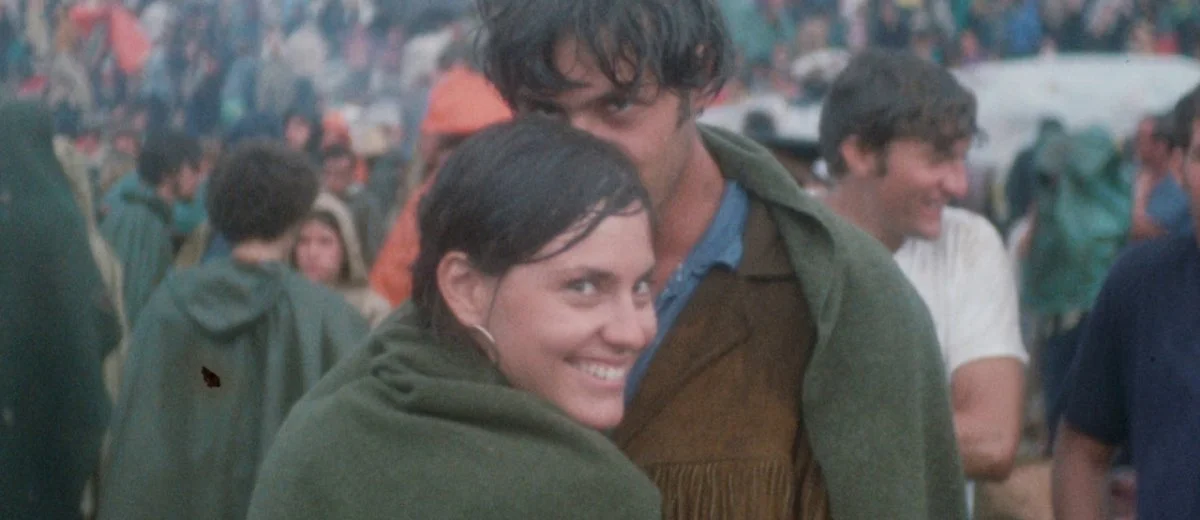
With what Woodstock could have done better is allow more of the musicians to talk about their experience playing at the fabled festival, even though we hear from some of the musicians who performed. I don’t know if it was the case that some of the musicians are dead, the archival audio wasn’t that good, or if they weren’t asked or turned down this documentary, but it would have been nice to hear more about their time up on that stage. Also, there were times where the documentary, especially during the first third of the film, relied more on the photos where it became a little bit like a powerpoint presentation.
Overall, if you grew up hearing about Woodstock, or were one of those people who attended this unforgettable festival, then Woodstock: Three Days That Defined a Generation is for you. It’s only fitting that for a festival that’s celebrating its 50th year, we look back on what this meant for so many people. As I mentioned before, this is nicely made, and absolutely mind-boggling that with the images that Goodman puts on display here, this festival didn’t fall by the wayside and collapse. Now, let’s see if they do any follow-ups about Woodstock 99, which didn’t go exactly according to plan, or if the upcoming one that the organizers are trying to get off the ground comes to fruition.
Rating: B
Tribeca 2019: "Slay The Dragon" Review
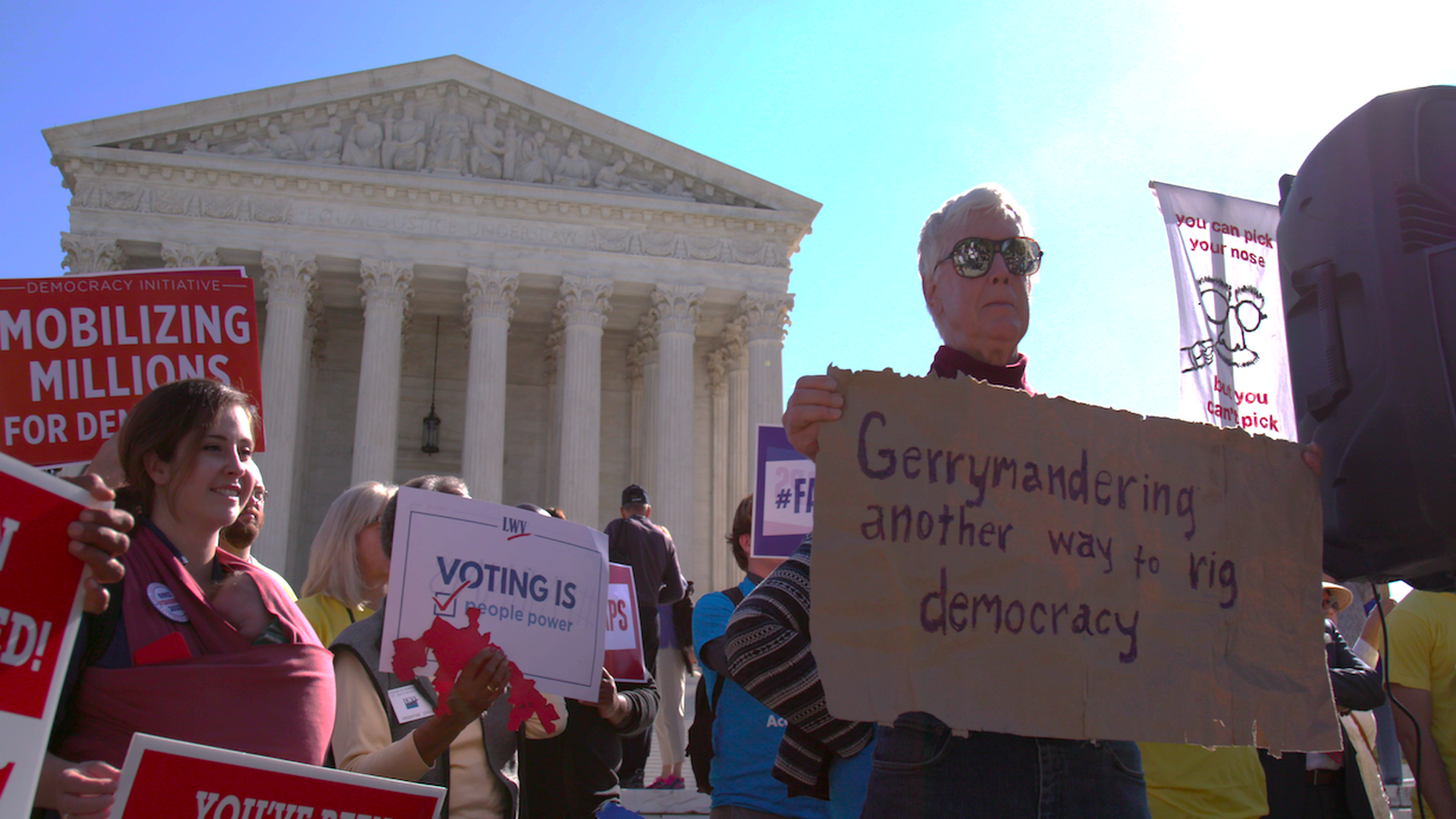
A secretive gerrymandering initiative launched 10 years ago threatens to undermine democracy as we know it, “Slay the Dragon” depicts the everyday people fighting this practice to make their votes matter.
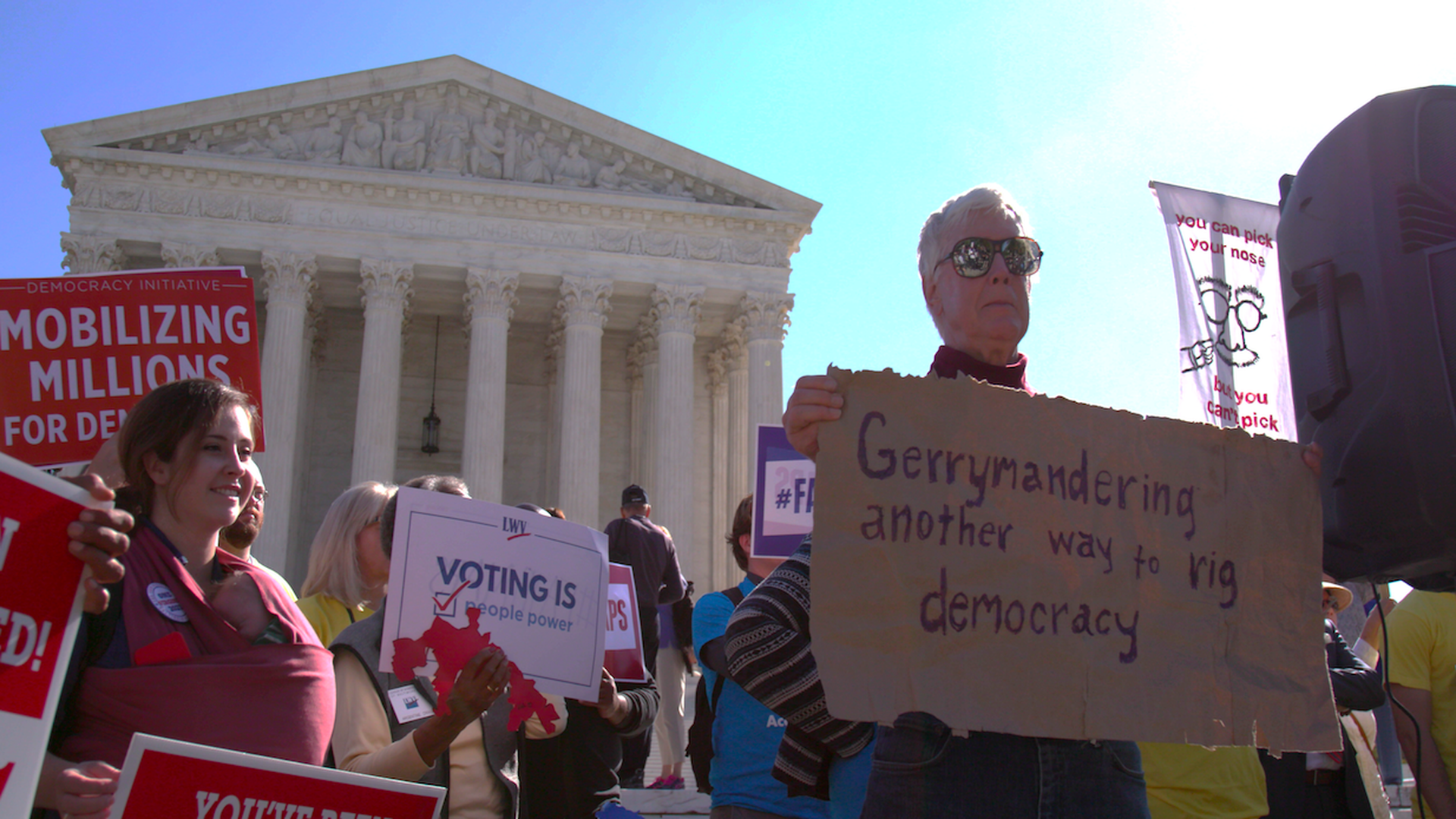
Per the documentary, a well-funded partisan initiative poured money into state legislative races in key swing states to gain control of their redistricting processes and used high-tech analytics to dramatically skew voting maps based on demographic data after the 2008 election. The result is one of the greatest electoral manipulations in U.S. history, one that poses a fundamental threat to our democracy and exacerbates the already polarized atmosphere in Congress and state houses across the country.
Gerrymandering is the practice of redrawing electoral maps to serve the party in power. It is not a new philosophy, however. In fact, it has been around for centuries. But in today’s hyper-partisan political arena, it has been taken to unprecedented extremes, fueled by the elimination of corporate campaign contribution limits and the availability of vast amounts of personal information.
This documentary, directed by Barak Goodman and Chris Durance, is enlightening even for the well informed citizen. It is beautifully infuriating and begs for a call to action. It is polished like the politicians it presents and perfectly articulates the waning faith in democracy across the country. It is bias to a fault, but listening to Chris Janikowski—with all the wiles and smiles—boast his “redmapping” project of 2010 is stomach-turning. That is, I’m all for this bias narrative.
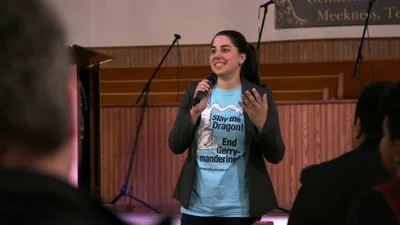
That being said, we also experience hope in the form of Katie Fahey, a Michigander who forms the group Voters Not Politicians working to bring a measure onto the state’s ballot to require an independent group—not the legislature—to draw these aforementioned lines. And in Wisconsin, an activist group challenges the state’s redistricting in a case that makes its way to the US Supreme Court. Voters Not Politicians breathes life on the fire that is hope, and offers a glimmer of positivity in a documentary that is otherwise quite depressing.
Unless, of course, you are a conservative reader. As a year in politics, 2010 was the dam break that opened the levy to a tsunami of republican reform, bringing in a wave of conservative laws and bills in its aftermath. The writing on the wall, however, is that America is getting more diverse, more educated, and the republicans feel their time is dwindling.
Any practice that allows for elected officials to dismiss accountability is an unsafe one. More importantly, you can draw a direct line—no pun intended—from oppressive voter ID laws to election results. If it weren’t for a compelling narrative structure, I would’ve stormed out of the theater. It truly was a well done documentary, but above anything else, “Slay the Dragon” reminds us what is wrong with our democracy. It is split at the seams and we have to find a way to heal the wounds.
Grade: B