
"5B" Review: A Time Capsule of Bravery
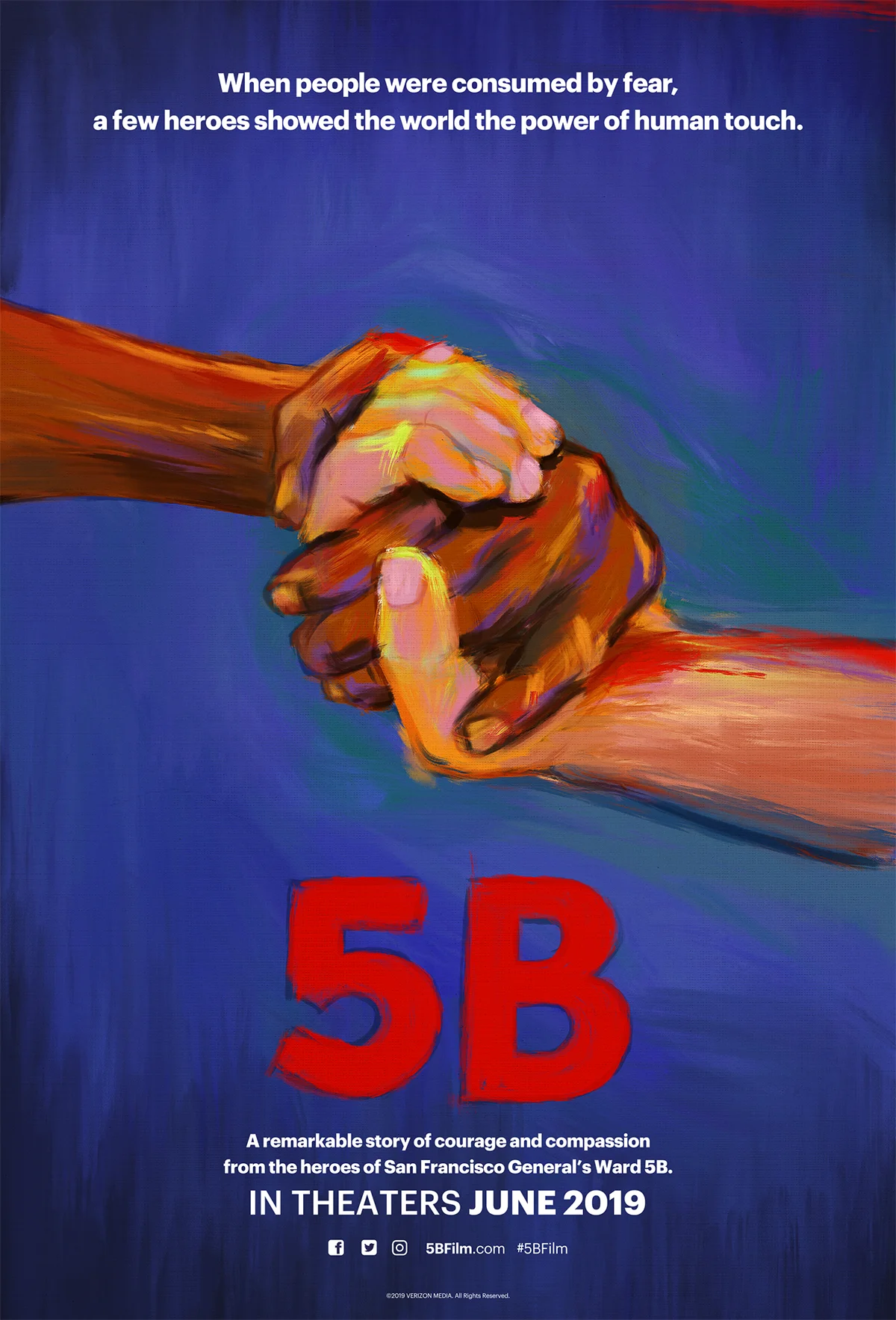
When the HIV/AIDS first hit the world in 1981it was a concrete death sentence. If you had the disease many people chose to isolate or abandon people with it. So when a team of medical professionals decided to start caring for and comforting people in ward 5B at San Francisco General Hospital, the world took note. 5B tells the story of the brave men and women who put humanity first, from their own mouths.
The film starts with archival footage of gay men and lesbian women dancing together or holding hands. The voices of youth explaining how they’re “coming out of the closet” more prevalently. Just as quickly as those images are shown, we cut to the images of some of the first men who had the “gay cancer” as it was called. No one knew what was going on in the beginning. They just knew that gay men acquired the disease and died within months after.
Rather than viewing 5B as a place that people die, nurses and administrators, such as Alison Moed Paolercio, Cliff Morrison and David Denmark, created a culture of care. Even though, in the beginning, every case was terminal, they focused on the human being in front of them and their needs. They had Sunday brunches, dance parties, and most importantly, touched their patients with no gloves. They were able to meet the basic needs of human beings when they weren’t being met in the past. Thus, they changed the trajectory of how AIDS patients were treated.

One thing they teach you in film school is that the medium has the ability to travel through time and space. Seeing some of the talking heads, now in their 60’s or 70’s juxtaposed with their 20’s and 30’s selves is powerful and otherworldly. Ultimately, we realize that many of the people that we see them assisting in the documentary are no longer alive and haven’t been for decades. This drives home the impact of what they did on 5B. They took huge risks that could have cost them their lives, family relationships, and more.
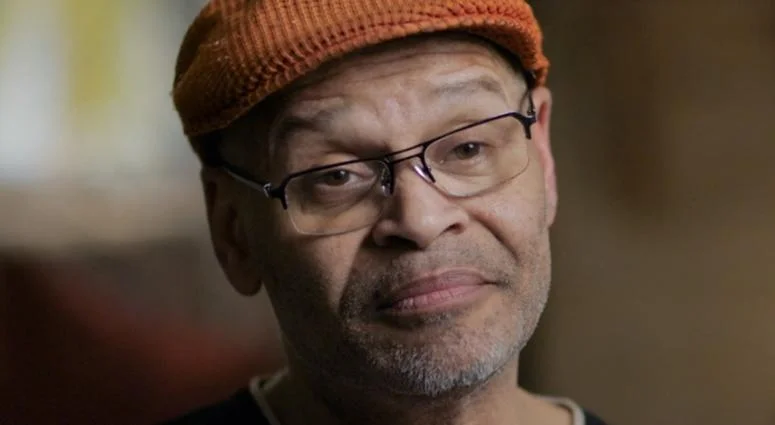
While the film does a great job of capturing the stories of those who served on 5B, it stuffs tons of human stories into the main thread of the struggle of giving care, service and love during a time of uncertainty around the AIDS epidemic. The talking heads change so often that it becomes a guessing game of who may appear on the screen, remembering their storyline, and piecing things together. It’s a difficult balance to do in a documentary and while the stories are welcomed, the inescapable feeling of redundancy creeps in occasionally.
Ultimately, 5B is an important story that serves as a necessary time capsule. As stated in the documentary, if we don’t remember what happened in the past we’ll repeat it. Fear of the unknown is a repetitive issue in human existence. It can make people do inhumane and evil things. 5B is the perfect reminder of the power of love and what can happen when we put fear aside and seek to care for others.
Rating: B
"The Brink" Review: The Charismatic Uncle That Needs To Sit Down Somewhere
Steve Bannon is a conservative media and political strategist and the former chief strategist for Donald Trump’s presidential campaign. Just in case you weren’t aware. If you’re expecting to leave The Brink knowing more about his background and what made him who he is, this isn’t that type of documentary. However, that’s the one thing that makes it intriguing because it doesn’t ask you to pick a side, nor does it build its main character up. It simply gives you a slice of life look at Bannon and let’s you do what you’d like with that information.
An early scene in the documentary shows Bannon talking about how well engineered the German death camp at Birkenau was. (Auschwitz used buildings that were already there while Birkenau was built from scratch.) He describes coming to an epiphany that there was a group of people who got together to plan out how to efficiently erect an infrastructure to kill, dispose and repeat the process with Jews. He says he can see the coffee and strategy conversations that were had. While his admiration is more than a bit haunting, this isn’t a random scene, it’s the set up for the rest of the film and metaphor for his life.
From there we continue to get a fly on the wall look at Bannon’s life shortly after departing from the Trump White House. Director Alison Klayman doesn’t give us a structured storyline outside of following him to the 2018 midterms, and jumps from event to event, hotel room to hotel room, and rally to rally across Europe and America. The sum of many parts allows certain stump speeches, phrases, and interactions to become clear to the viewer. As much as Bannon gives off the cool, charismatic uncle that needs to sit down somewhere vibe, he bathes in his own hype to try to wash his insecurities.

Bannon is given room to be himself and dig himself in a hole with some of the things he says within the film. He even mentions how he’ll be crushed after the doc comes out. He’s self-aware and understands how to use negative press to his advantage. His charm and doggedness to see economic nationalism grow makes it clear why he’s successful with his base. Yet, even while he’s interacting with people and crowds on a weekly basis, there’s a hint of loneliness and isolation in the road he’s chosen. Klayman could have cut it out or not captured it, but you never see a real sense of connection to anyone.
This is the type of film that makes the film festival circuit, does low numbers in the box office and finds a home on some streaming network. That’s where I’d catch it, if you’re one of the folks that would be interested in what goes on behind the scenes of Steve Bannon’s life.
Rating: C

"In Search of Greatness" Review: One of The Best Sports Docs Ever Made

In Search of Greatness is a unique documentary that exposes a different side of athleticism that is oftentimes overlooked. The creator, Gabe Polsky, is an up and coming filmmaker and a former Division 1 athlete who graduated from Yale University. His first film Red Army focused on the history of Hockey in the Soviet Union. In Search of Greatness doesn’t focus on one sport, instead it highlights athleticism joined with mindful dedication and training. This film exposes the sacrifices famous athletes have had to make in order to be the best of the best. From the interviews, sound editing, and archival footage, the film paints a beautiful perspective of what it takes to be the greatest.
Kevin Sampson reviews Gabe Polsky's exciting documentary "Red Army".
The first important element to note are the interviews; Polsky was able to speak with legendary athletes from history like Wayne Gretzky, Jerry Rice, and Pelé. These interviews carry the storyline of the film, but most of all they give direct insight into the mind of a professional athlete. I was fortunate to interview the director Gabe Polsky, and he stated that it took about a year to get in contact with these athletes for a video interview. He also went on to state that it was incredibly difficult to get in touch with these legendary people, which lead to difficulty finding female athletes to interview. The lack of female athletes in the film is the only criticism I have of the film itself, but it is understandable how difficult it would be to schedule time to interview these athletes, let alone find the perfect mixture of athletes from throughout history. In order to alleviate this issue, Polsky includes a great deal of archival footage from female athletes, which attributes to the reconciliation of not being able to interview any women.
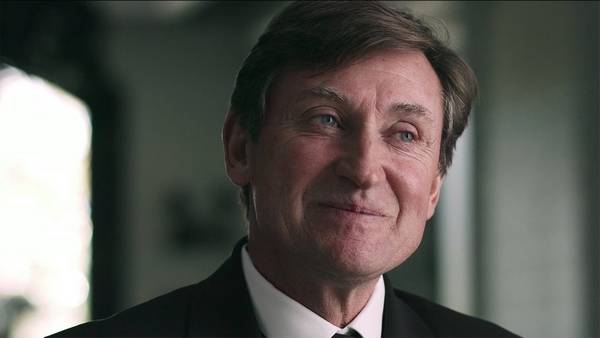
On that note, the amount of archival footage that is included in this documentary is astonishing to say the least. The clips included are able to emphasize what the athletes are saying in the interviews perfectly and allows the audience to get inside the athlete’s mind. The dense amount of archival footage is so impressive that it truly makes the film; it adds to the storyline in such a way that it makes you as an audience member want to be great right alongside these athletes. This documentary inherently breeds feelings of nostalgia as a great deal of these athletes were highlighted in past commercials, movies, and television shows. You can’t help but reminisce on the moments, if you were lucky to be alive during that time, that you saw this history made. Alongside the clips included, the editing of the archival footage makes the film even more electric through juxtaposition, clever transitions, and emphasizing significant moments. They are an important addition to the film’s success as without these strong elements the film would have been completely different.
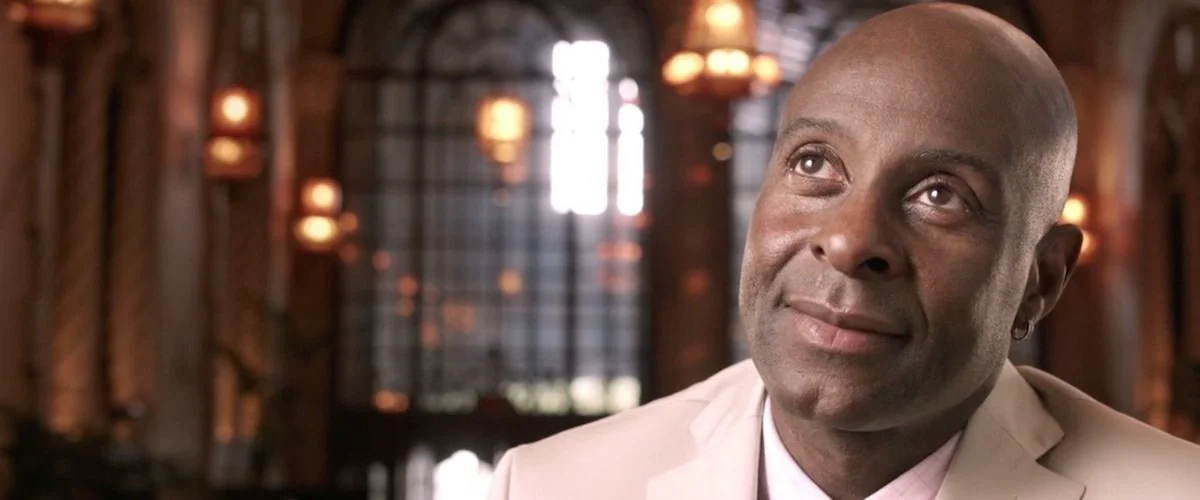
The sound editing and mix is both profound and shocking. One particular moment that stands out is the juxtaposition of Jerry Rice preparing for a game with the throat singing of chanting monks replacing the natural sounds of the stadium. This particular juxtaposition alludes to the mindfulness of a great athlete; the complete presence they have to have while they are in the game. This combination of chanting and archival footage is so beautifully thought out and exquisitely illustrates the thought process that Rice used to go through. This philosophical undertone exposes the thoughtfulness that of director Gabe Polsky, and exposes his brilliance as a filmmaker.
This film should be regarded in history as one of the greatest sports documentaries created. From the athletes highlighted in the documentary, to the intelligence exposed behind the athleticism, and the historical clips that show greatness; this film truly captures the magnitude of power one human can acquire if they believe in themselves. Documentaries like this one creates universal inspiration, allows aspiring athletes to see what it truly takes to be the best (and even how to get there). In Search of Greatness is beyond inspirational and one of a kind; I highly recommend attending a screening it when it is released.
Rating: A-
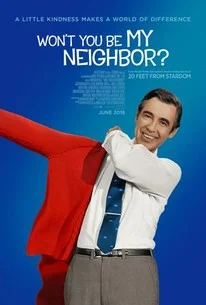
"Won't You Be My Neighbor?" Review
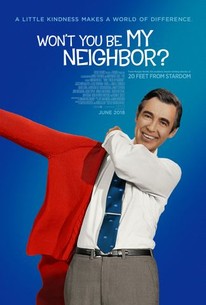
Won’t You Be My Neighbor? is a thoughtful, celebratory documentary about the impact of the classic landmark series Mister Rogers’ Neighborhood. The new documentary from filmmaker Morgan Neville, who previously directed the 2014 Academy Award winning documentary 20 Feet from Stardom, does not have a dull moment throughout the runtime. At times fascinating, other times jubilant, this celebrates the joyful soul that Fred Rogers was and the positive attitude the show was aiming towards. Be prepared to bring some tissues before you head into the theater.
In 1967, Mister Rogers’ Neighborhood was launched on a local Pittsburgh television station. Fred Rogers, the host of the show, wanted a show that was aimed at the very young age group, as a sort of educational tool to teach them values and talk to them as if they were just another person and not dumbing it down, like some children’s programming were doing at the time. Interspersed with archival footage of Fred are interviews from cast and crew involved with the show, as well as his wife and two kids. In a way, what people saw, and if you grew up on the show, were all aspects of Fred himself.
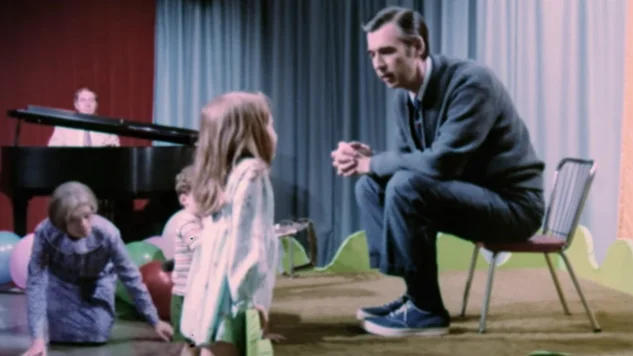
One of the great tactics Neville does with the documentary is the format that he uses when he interviews Fred’s family or the people who were closely involved with the show. The style of the interviews, and the documentary itself, employs a feel like the show itself. It connects with you, as if they’re talking to you, about the impact the show had on all their lives. The use of the archive footage was well put together, in that we feel like we’re inside of the room as it happens. Rather than have people talk about Fred’s philosophies, we hear from Fred himself about what he hoped to achieved. It was also quite fascinating that he was just about to become a minster before he came across a television, and switched career paths in an instant. Even though he made you feel comfortable, he got his message out more so than if he was a minster. Another item that they touched on was that even though he was a registered Republican, he didn’t make decisions based on his party, but on his faith. If we saw something taboo on the news, he would make it a point to showcase it on his show.
Using puppets and fantasyland, the show would tackle some big subject matters, like Vietnam and Robert Kennedy’s assassination. It also discussed some big questions, like what happens when someone dies. Fred, throughout it all, spoke to the kids in an impactful way, rather than trying to gloss over them. Speaking of puppets, the documentary points out that he couldn’t really express his feelings on his own, but rather used his puppets, like Daniel Striped Tiger, to express his actual thoughts, especially around his family. To further illustrate this, they use animation of Rogers as Daniel, which was effective at times. Another big question that the documentary talks about was if the Fred Rogers that people saw on TV was the real Fred Rogers in real life. The film’s answer to that is yes he was, and he’s someone that we don’t see that much anymore in television, if rarely.
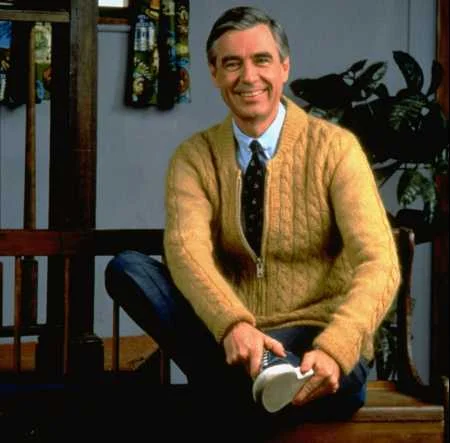
The documentary primarily focuses on the show itself. Even though we do get to hear some aspects of his personal life, the film skims over certain aspects. At times I wanted them to go more in-depth with some of the avenues that they explored throughout the course of the film; I felt like they just didn’t pull back the mask enough. Don’t get me wrong, I thought the length was perfect, but at the end of it, I was ready for more. This documentary could have gone a million different ways, but for the most part, I think Neville went down the right route.
Overall, I truly believe that Won’t You Be My Neighbor? will be nominated for Best Documentary at next year’s Academy Awards. It’s that good of a documentary! We need figures like Mister Rogers in today’s age, since we live in a time of fake news and sometimes discontent. As Mister Rogers showed us on his show, and what the documentary points out, if we’re nice and kind to each other, the world could potentially be a better place to live. It’s a feel good film to watch with everyone, and when it comes to your area, I hope you seek this out. If you were a fan of Mister Rogers’ Neighborhood, then this is a must see. I would highly recommend checking this out in the theater!
Rating: A-