"The Predator": A Case for Diversity & Feminism In The Sci-fi Genre
Seasoned director Shane Black is no novice when it comes to making action films. In the past he’s been known for the Lethal Weapon Series, The Last Action Hero, and The Long Kiss Goodnight; and he doesn’t hold back in 2018’s The Predator. Not only did Black direct, but he also co-wrote the script for this film, which explains the superb dialogue. Black is considered one of the pioneer screenwriters of the action genre. While he made his mark with the Lethal Weapon Series, he also wrote the cult classic Kiss Kiss Bang Bang. So it’s no surprise that this installment in the Predator franchise is stand out in comparison to similar films in the Sci-Fi genre. The diversity of representation is truly thoughtful, the humor is timely, and the amount of blood and guts is just right. I’d go even as far to say the film pays homage to the original in a clever, new age way.
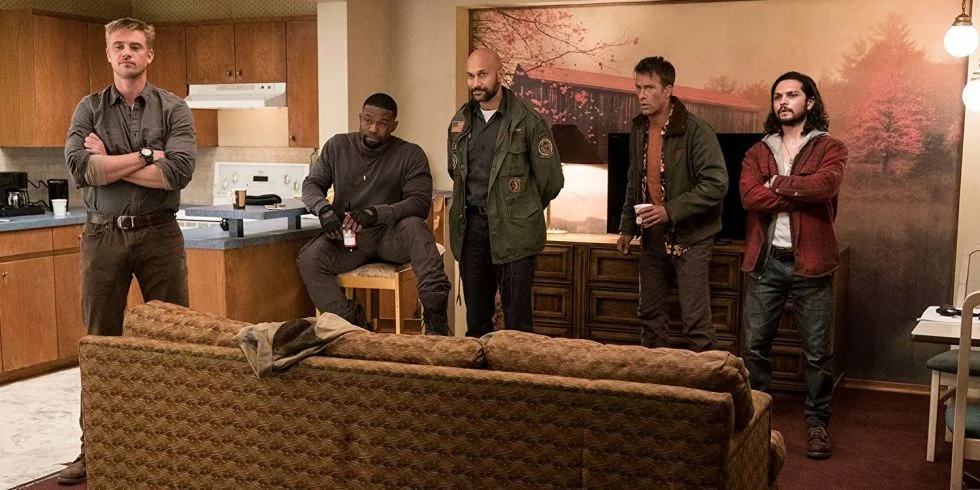
First and foremost the comic relief is perfectly timed, and every character has their quick-witted moment. However, something that is most prevalent is the politically correct lens that the humor is placed under. In a film that one may expect to have hyper-masculine dialogue, no one makes a sexist joke, and if a character makes a comment that is remotely sexist it is always thwarted with a feminist response. There are many types of comedy reflective of the film’s diverse characters. Of course, there is the typical archetype in all action films, “the comedian”, played by Keegan-Michael Key, but he is by no means the sole funny person in the film; the film doesn’t depend on his humor. Not only did the humor add a wonderful element to the film, the diverse humor from the characters also makes it a unique film. This type of humor isn’t often found in action films, but it can be found in the sci-fi genre; Shane Black hones in on the comedic diversity of his cast and plays to their strengths, making their humor inclusive yet different.
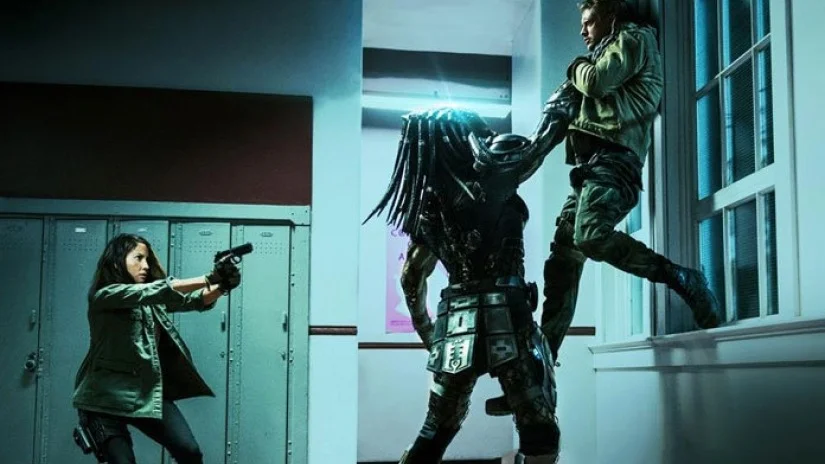
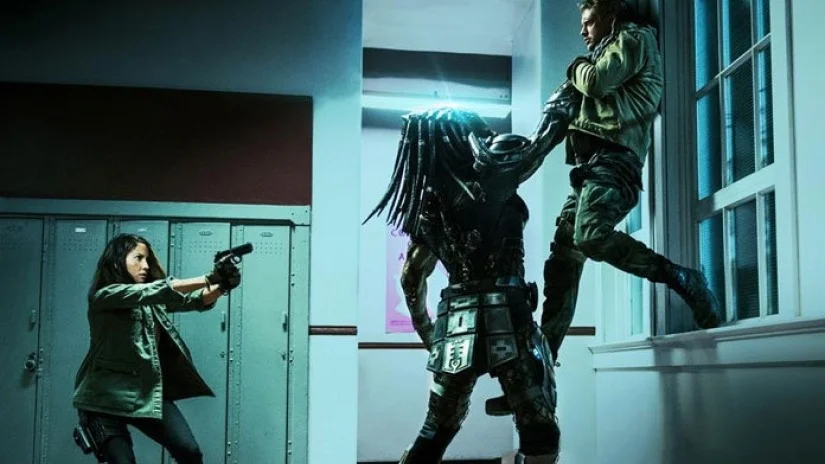
Another strong aspect of the film is the diverse cast. The Sci-fi genre hasn’t always been incredibly inclusive with diversity, especially for people of color and women. This film broke the barriers by upholding people of color and women in a positive light within the script; even the “evil” characters were relatable on some level. With that being said, there are only two women in the film, which is typical of the Sci-Fi genre (usually there’s only one female lead and she is almost always the love interest). However in this film, there are two women. Emily (Yvonne Strahovski) is the wife of the main crazy soldier, Quinn McKenna played by Boyd Holbrook. Within the film the other male characters expect Emily to be like the other female archetypes of the Sci-Fi genre (just an ignorant love interest) but she is not only the wife of a soldier, she is trained like a soldier as well. There is a moment where I was actually surprised; Emily starts commanding the men around her to do things and as she proceeds to take a gun off the wall she clearly knows how to use it. Emily’s character isn’t a huge role by any means, but she certainly made an impression by being a badass. The second badass female character who is featured prevalently in the film is Olivia Munn who plays scientist Casey Bracket. She is clearly the most informed character on the Predator and she is also trained in combat. The main thing that stands out to me about Olivia Munn’s character is the fact that the other male soldiers expect her to be strong-willed and cunning; they even make jokes about how she surprises them. Throughout the film Olivia’s character is surrounded by men, and yet none of them really made a pass at her, beyond giving her a pathetic tinfoil unicorn as a gift. She does not become a love interest and she is a key character to understanding the “ultimate” Predator. There is even an eco-feminist lens that could arguably be placed on Olivia Munn’s character as well; she is the only character to interact with the alien dogs within the film, as she alone plays fetch with them. Both of these female characters outsmart men within the storyline multiple times; they are independent, smart, refreshingly tactful and well equipped to handle weapons.
Not only does this film represent women in a positive way, it represents men in a way that’s also unique to the genre. Male characters show more emotions than usual, they have heart to hearts with each other, and they understand that nobody is perfect. What makes these characters perfect, is their imperfections. Keegan-Michael Key plays the comedic soldier Coyle who I mentioned before, he has PTSD from being an incredibly accurate sniper. Key even has an anxiety attack in the film and one of the other male characters consoles him then says, “Its okay, this happens sometimes.” The fact that his PTSD is addressed along with Coyle’s anxiety attack is a big advancement in Hollywood action filmmaking, in the past soldiers would probably say something toxic like, “man up!” or “No time for tears soldier!” In action films, men are oftentimes displayed as emotionless and violent, especially men of color. However this group of crazy soldiers is a diverse bunch. Key is one of three men of color within the group and there are more men of color throughout the film as well including the actor behind the Predator, government officials, and scientists. Nebraska Williams, played by Trevante Rhodes, is an especially interesting character. He is clearly an insane man, but he is also loyal to his fellow soldiers and has a good heart. There is a moment in the film where Nebraska opens up about being a suicidal soldier, which is something I have never seen in Hollywood cinema before unless it is the sole focus of the film. This moment where he confides about his past depression is a monumental step away from the toxic masculinity that has hindered so many films in the past. The fact that the character felt comfortable to talk about his mental troubles truly is an important highlight of how men should be able to talk to each other.
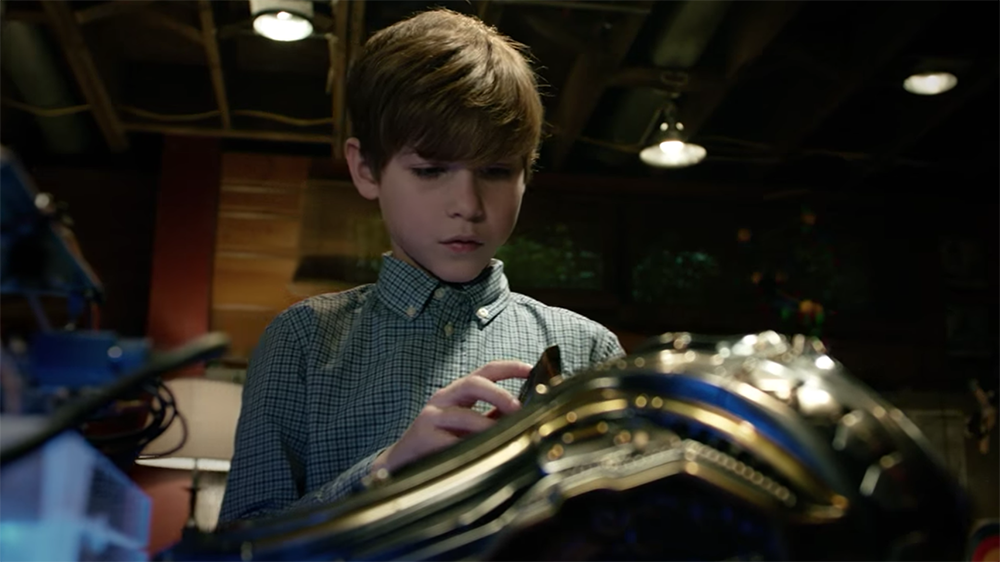
Alongside the soldiers defeating toxic masculinity, Quinn McKenna’s son Rory (Jacob Tremblay) is an interesting character as well. Rory is on the spectrum and it is believed that he has Aspergers (other kids tease him by calling him ASS-Burgers). This representation is certainly underrepresented in cinema and this film finds an interesting way to highlight how smart some people with Aspergers can truly be. Even though Rory is a child, he is one of the smartest characters in the film. In films of the past, the soldier father imposes toxic masculinity onto their child, yet in this film that was not the case. Quinn and Rory seem to have a wonderful relationship and communication, which says a lot when you have a son who has Aspergers. Alongside all of these characters, there is a Latino character that is incredibly religious and socially awkward, and a character with turrets syndrome. These representations might not seem like a lot, but they are incredibly important if we want to create meaningful cinema that is relatable to the population as a whole. This is a film that relates to more people than other Sci-Fi films in the past, which is important because white men are not the only demographic in this world.
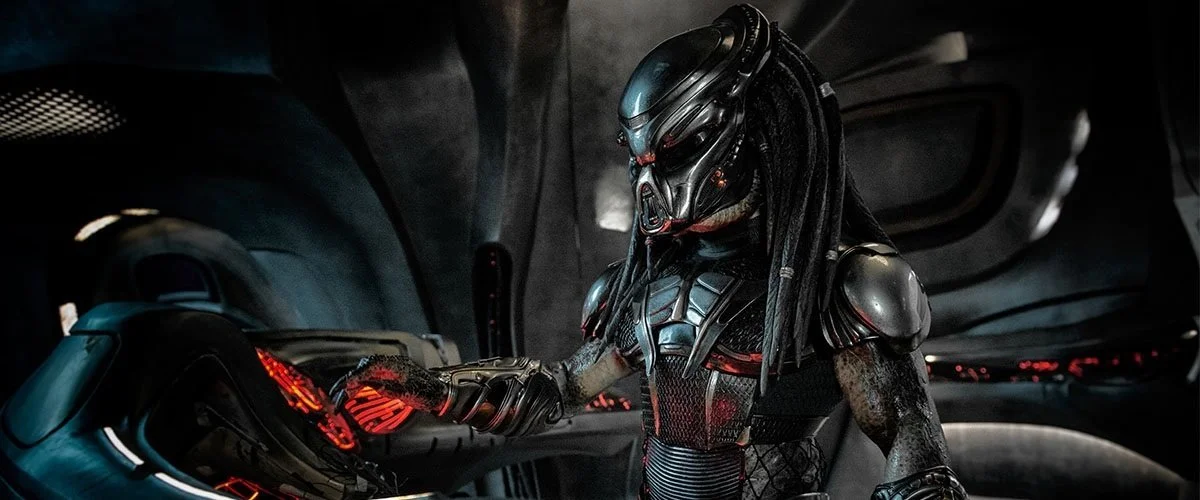
Finally, let’s talk about the gore. Horror films are one of my favorite genres of cinema and oftentimes Sci-Fi films dabble in horror elements to improve the action of the film. The Predator had the exact amount of gore that was needed to make the film great. There are still guts and blood but it isn’t to the degree where you feel queasy after you watch the film. Someone with a feint heart probably shouldn’t watch the film (I am quite desensitized to horror), but if you are a horror fanatic like myself, you will truly enjoy the effort behind the special effects horror makeup. Alongside the blood and guts, the costuming was great. I remember making a note while watching the film that the female scientists aren’t sexualized much like I have seen in the past. They don’t have a ridiculous amount of makeup on, they aren’t showing cleavage and they are viewed as equals to the male scientists. There is even a part where Olivia Munn’s character is naked and she is still not sexualized. This is almost revolutionary for the sci-fi genre, a naked woman who ISN’T sexualized.? Again, the costuming for the female scientists is great simply because they are equal to their male counterparts. The special effects makeup and 3D animation of The Predator was chilling! It’s both terrifying to look at and yet you can’t look away; its almost as if you want to figure out how they operate biologically. This element truly made the film, because in the past you could easily point out what is digitally added and what is makeup. This felt like they have finally found a perfect blend that makes the Predator more realistic than ever.
Overall I truly enjoyed the film, I think it is the first of many modernized and diverse Sci-Fi films that are to come. Of course the film isn’t perfect, there are still only two women in the film, and the majority of the main cast is still white, but these efforts of diversity are note-worthy and appreciated. As an audience, we need to support more films that are focusing on a diverse lens; we need to make it known that these types of films are welcomed. The world is not filled with only white men, so our films should not be filled with only white people, this change in diversity and inclusion will create a new generation of cinema that will possibly be even more enjoyable than the past; simply because the voiceless will now have a voice.
Overall Grade: A-

"Moonlight" Review
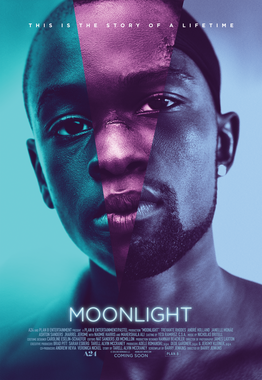
The buzz about Moonlight started after its premiere at Telluride. Since then, it’s been one of the most sought out films on the festival circuit. And it should be. Moonlight is a magnificent film that doesn’t exploit itself or its message. Instead, it simply tells us a story of beauty, bittersweet irony that allows us make our own decisions and conclusions.
Told in three parts of a man’s life, the film begins with a nine year old Chiron (Alex R. Hibbert) who is called Little. Director Barry Jenkins instantly makes us relate and sympathize with the main character in a heart-wrenching scene in which Chiron is chased by the neighborhood kids into an abandoned building. As Jenkins camera hovers over Little like the bullies he runs from, Jenkins also uses sound to put us in Little’s world. A cacophony of inaudible yelling and knocking on the door torments our ears, as it does Little.
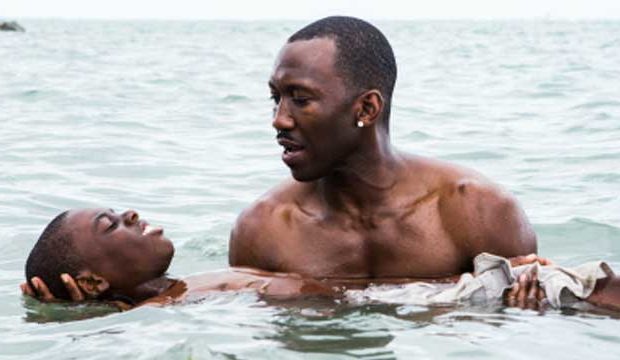
Juan (Mahershala Ali), the kingpin drug dealer of the block, looks after Little, who doesn’t speak accept for when he’s being fed. After trying to reunite Little with his mother (Naomie Harris), Juan quickly finds out that she’s one of the fiends that he serves. From then on, Juan and his girlfriend Teresa (Janelle Monae) take care of Little when his mother neglects him for whatever reason. So when Little asks Juan “What’s a faggot?” due to bullying, there is an incredible dynamic between the machismo of Juan and the innocence of Little. The beauty in watching a crack dealer provide love and support for a young child while ironically continuing to kill his mother slowly are some of the touches that the movie offers up, with no judgment.
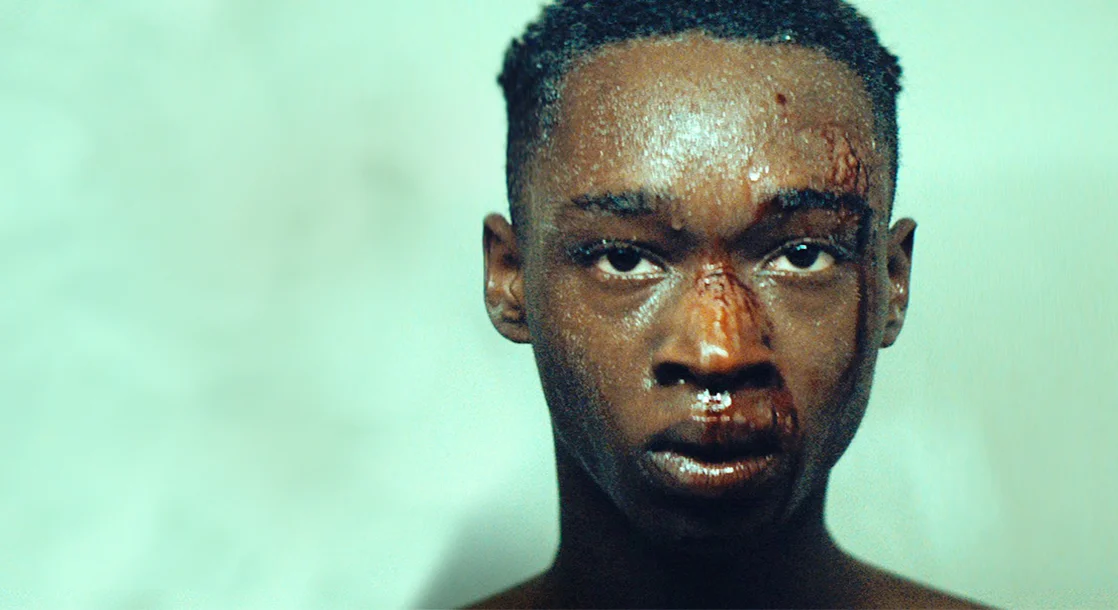
As Little grows into Chiron (Ashton Sanders) the teenager in the second act, the bullying hasn’t stopped. In fact, it seems like a state of the way things are. Chiron’s only friend is Kevin (Jharrel Jerome), who has been his friend as a child, but is now a pretty boy and ladies man. It’s in the story of teenage Chiron that we see a point of intersection between the first time he has a sexual experience and when he’s decided he’s had enough of the bullying. This takes us into the final act of the film where we meet Black (Trevante Rhodes), the muscle bound shell of machismo that Chiron has built himself into.
The entire cast of Moonlight does an outstanding job! Mahershala Ali gives Juan the iron fist and open hand that’s needed for us to see the irony in the first act. Harris’s Paula is the only character to be in each act as a steady force in Chiron’s life whether for good or bad, and it stings. Each version of Chiron and Kevin throughout the years bring something different to the table, building off of one another and handing off the baton in a perfect relay race. In the Q&A after the screening I saw of the film, Jenkins said that he never allowed the actors to meet. Knowing that, makes the film that much more impressive.
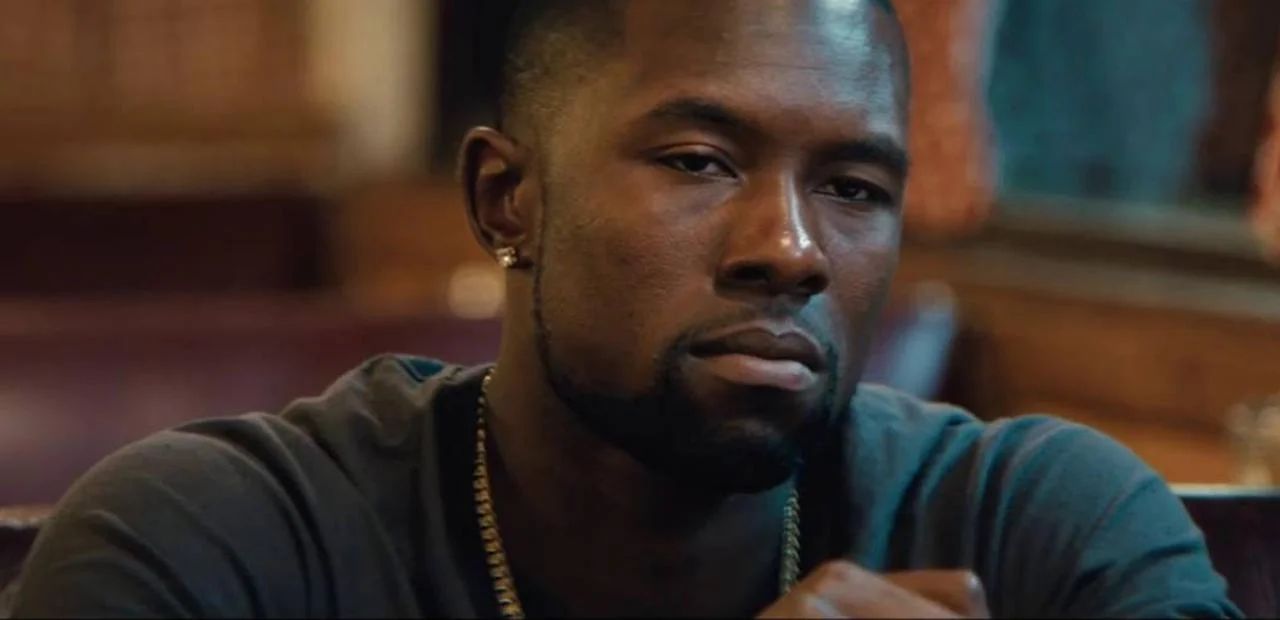
Based off of the play by Tarell Alvin McCraney, Moonlight tells a story that’s rarely heard in regard to black male sexuality and displayed without drama. Without ever using the word gay or having a coming out moment, the film simply shows. Jenkins use of restraint and excellent craftsmanship will definitely put Moonlight in the ring during awards season!
Rating: A