
Is ‘Dunkirk’ Nolan’s Magnum Opus?: Review
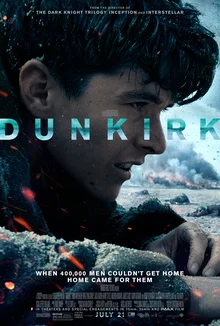
The filmmaking virtuoso who brought us Memento and The Dark Knight is back to dazzle us once more with Dunkirk, the gripping WWII story of heroic sacrifice.
Christopher Nolan has never been one to shy away from cinematic challenges, and Dunkirk is no outlier to this methodology. The film was beautifully shot by Hoyte van Hoytema in 70mm (watch it in IMAX 70mm if possible), and not a single frame in the 120 minute thriller is wasted. Nolan’s use of this format is masterful and commemorates the artistry of filmmaking, unlike Tarantino’s The Hateful Eight. The conventionality of Nolan’s color scheme in this film is not only aesthetically enjoyable, it makes sense. The deep blues and vibrant oranges pop off the screen while the grey of war leaves us with holes in our hearts. Nothing with Nolan is fake. Therefore, appreciate the long sequences in the air tailing fighter planes, the terrifying underwater scenes and the explosions, because it is all real. More accurately, it is jaw-dropping and equally horrific. Only Nolan could make the massive Dunkirk beach feel claustrophobic.
The film is set in 1940 during WWII, and Hitler has pushed 400,000 British, French, Canadian and Belgian soldiers to sea, trapping them on the beaches of a small French town called Dunkirk. The soldiers all await evacuation while the imminent threat of death looms over their shoulders. To put it simply, the Allied troops are dead-men walking, stuck on a beach that allows for a pain-staking spectacle to watch. The English Channel is too shallow for large rescue ships to pass through, meaning the lives of 400,000 men rest in the hands of brave civilians daring enough to pass underneath the German air fleets. Nolan states in the opening titles of the film that a miracle is the only thing that would save these men. Well a miracle is what they got.
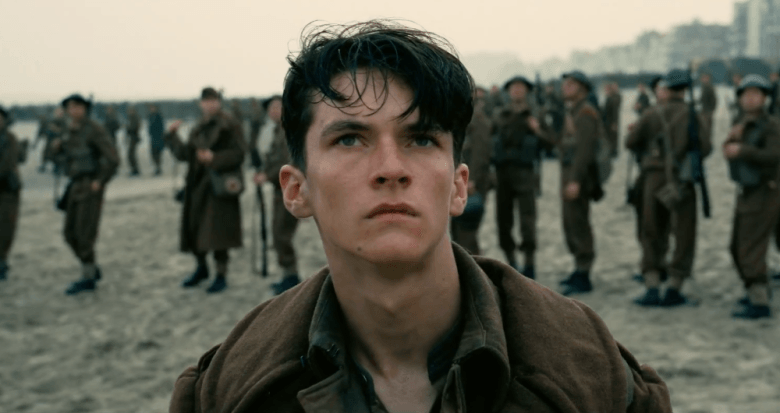
The successful evacuation of these troops was only made possible by a handful of prominent heroes the story follows. First, civilian boat captain Mr. Dawson (Mark Rylance), fighter pilot Farrier (the always masked Tom Hardy) and Commander Bolton (Kenneth Branagh) to name a few. Although Nolan cuts right to the action leaving out any backstory, it is easy to empathize with the incredible heroes that fought for each other and for their country. On the other hand, Nolan strips the Nazis of any human quality. They stand merely as grey wisps in the sky, bomber planes but never faces. The soldiers on the beach and the audience can hear them coming but we never are truly connected to the enemy.
The sounds of the planes and the explosions, the panting and running, gasping and breathing, the underlying ticking of a clock to emphasize the importance of haste, all of these sounds contribute to a riveting, viewing atmosphere. Hans Zimmer’s all so familiar score pulsates through this film with an electrifying cadence that may only be out-shined by Hoytema’s cinematography. The cacophony of war is so breathtaking that not a moment of relief goes by until the final cut to black. Dunkirk leaves us hanging to the edge of our seats, looking to the horizon for the British ships, and it isn’t until the sun finally rises in the end that we can exhale.
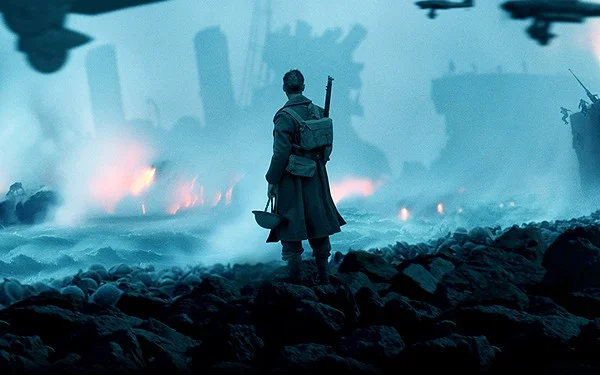
Undoubtedly, this Christopher Nolan film is Oscar-worthy and one of his highest rated films to date, which begs the question: is Dunkirk Nolan’s magnum opus? Historical war films often receive waves of historical accuracy criticism, however, Nolan tackles this story with such honest grace that all the critics will be talking about this summer is the raw emotion of the narrative. In a present-day that offers a world of doubt and uncertainty, Nolan gifts to his audience solace. Solace in a film that shows the suppressed fighting together and forging bonds out of suffering. It is the best film so far this year, and I would be remiss if I did not answer my own titular question. Yes, this is Nolan’s magnum opus.
Rating: A
"Bridge of Spies" Review
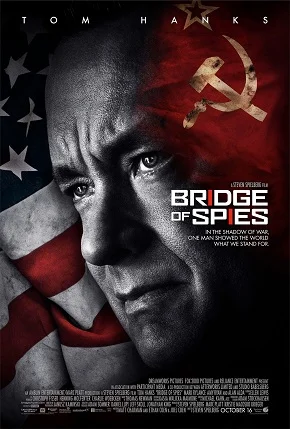
I’m going to be honest here and admit I did not know “Bridge of Spies” was a Steven Spielberg film before the credits rolled at the end of the film. As soon as I saw the famed director’s name though, it all made sense. Spielberg films perfectly walk the line between thrilling and comforting — and “Bridge of Spies” is no different. The film, starring Spielberg favorite Tom Hanks, takes on a small (but important) story in America’s history with heartwarming humor and provides us all with a reassuring look at the many faces bravery can take on.
“Bridge of Spies” is the “based on true events” tale of James B. Donovan, an insurance lawyer who is called to serve his country when he is asked to defend accused Soviet spy Rudolf Abel (Mark Rylance). It’s a job no one wants — the country’s extreme distaste for anything Soviet related means defending Abel is equivalent to treason — but Donovan gladly takes on the case, citing that every man brought to trial deserves due process. As Abel’s trial moves forward, a separate story involving the CIA’s new spy plane technology comes into play. The two stories meet when an American pilot is captured after his spy plane is shot down while on a mission over Soviet territory. Donovan is sent to East Berlin to negotiate the return of the American pilot, in exchange for his client, Abel.
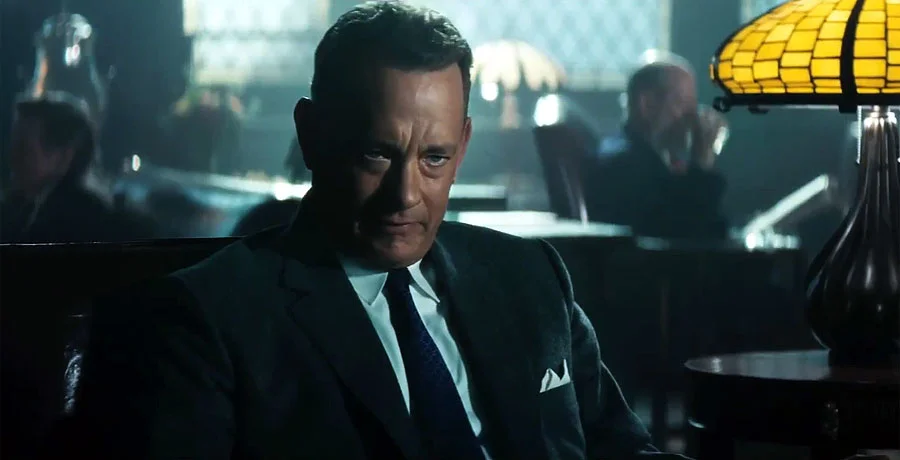
Aesthetically, “Bridge of Spies” is a dark film. The film plays out in dimly lit offices, the frozen streets of Soviet Russia, and a decent amount of prison cells. What’s so great about the film’s dark cinematography is that it lulls you in to unexpected humor and tender interactions between certain characters that really shines through. For a movie about one of America’s darkest moments in time, there were a decent amount of laughs. It is refreshing to see a historical film that seems to really take some time to focus on comedic writing and timing. Much of this is due in part to the brilliance of Tom Hanks, but his performance would not have worked had the film not decided to balance out its darkness with a little bit of light.
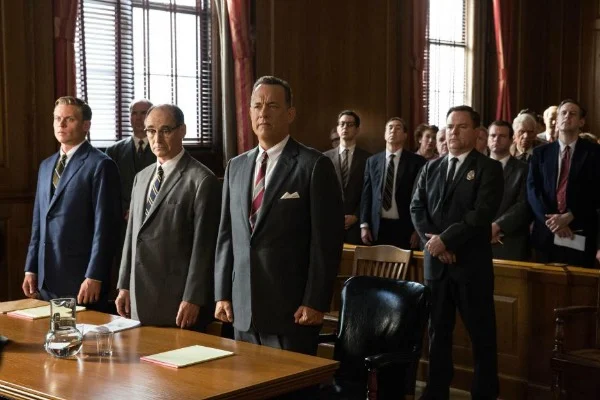
Another area where the film succeeds is its take on the Cold War’s defining characteristic: intelligence gathering. As the film notes, the Cold War was a war of information rather than one built on human sacrifice. There are no large battle scenes to be played out in a bloody, glorified mess — instead, the war takes place on a much smaller, intimate scale. Battles scenes are replaced by intense conversations in back offices and sketchy hotel rooms — and the effects of this war seem to take on a new meaning without the physicality of war to emphasize it. Between Donovan’s interactions with his family, the close relationship he develops with his client Abel, and his dedication to bringing home an American soldier, the film really brings the idea of “war” down a notch, making a hero of Donovan without trying to hard to do so.
With Oscars on the brain, I think it is safe to say that “Bridge of Spies” will be garnering at least a couple of nominations — historical films are always a hit and this one has all the tell-tale signs that it will be celebrated as such. What’s even better is it has real entertainment value. Besides, what could be better than two hours spent with Tom Hanks?
Grade: A