
Tribeca Film Festival '18: "Salam" Review
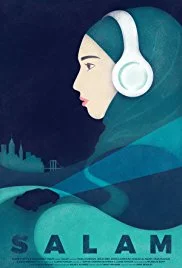
Salam is the type of film you go to a festival to see. Writer/director Claire Fowler’s short film is layered in both its storyline and characters. With a stellar performance by Hana Chamoun, this film is worthy of a conversation after the lights come up.
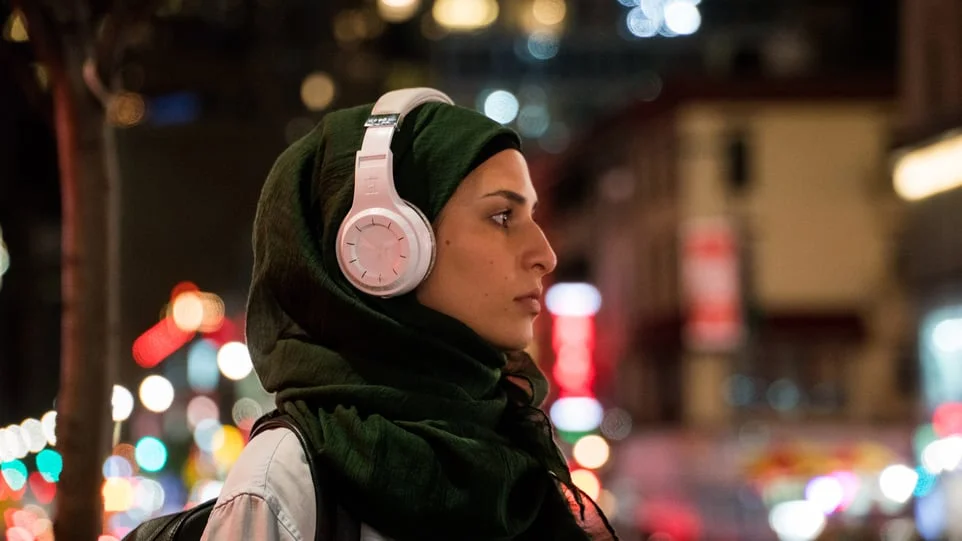
Salam (Hana Chamoun) is a Lyft driver from a tight knit family, but you can gather that Lyft is a means to a bigger end. A portion of her family lives in Syria. When her New York based family gets word of a bombing in Syria, it’s a waiting game to know if their loved ones are ok. To stay busy and rest her nerves, Salam decides to go make some money and pick up passengers. After dropping off a couple love birds, Salam picks up Audrey (Leslie Bibb), who seems to be in distress herself. The exchange that follows is a layered interaction of surface expectations versus what’s really underneath the surface of our daily lives.
Cinematographer, Nicholas Bupp uses natural lighting to showcase New York’s night life. The dark shadows and color scheme gives the film a grittiness that highlights the serious nature of waiting for information that could literally turn your world upside down. With a less skilled writer, the subject matter could be a very heavy-handed, we’ve seen it before look at immigrants and the now stereotypical Islamaphobic pairing we see in films. Instead, Fowler gives us a complex character that we know. Salam is a sister, an aunt, a wife, and a caring person. In turn, we care about her, and understand the weight she’s carrying in the midst of her drive.
Salam reminds us of the ties that bind us all as a human race, while addressing the blockades we’ve constructed by putting people in boxes of certain races or ethnicities. Fowler’s interest in empathy and her ability to create relatable characters gives us a film that helps us think about how we interact with one another in this complex thing called life. This is one to watch!

Tribeca Film Festival '18: "Bad Peter" Review

Bad Peter is the beginning of a good Black Mirror episode. Directed by Zach Strauss, it’s a slice of life look at what AI capabilities could become in the future. While the Big Brother concept isn’t new, the characterization of Strauss’s characters is what makes it an intriguing peak in.
Rachel (Frankie Shaw) is an expectant mother. Her day is regimented by a personal automated assistant. Peter is a white rectangular boxed speaker with a glowing red light that lights up like Siri or Alexa when it speaks. At first glance, Rachel follows Peter’s suggestions as a way to optimal health for her and the baby. As the film moves forward, Shaw’s performance amps up from happy and relaxed to a stressed and upset mother-to-be in a beautifully revealing way.
Simplicity is key in this film. Cinematographer Noah Greenberg gives the film a bright, clean and sterile look. Susie Mancini’s production design gives the single mother’s home a somewhat rustic and meager look. These elements enhance the viewer’s draw into the story of what eventually makes a dark turn.
Well crafted and directed by Strauss, the film’s noteworthy theme is the intersection of the justice system and artificial intelligence. It’s a future that could indeed be around the corner. Definitely worth checking out!

Tribeca Film Festival '17: "Dear Basketball" Review

Photo courtesy of Tribeca Film Festival
Some stories can’t be filmed and told as artistically as an animation can. “Dear Basketball” is a top notch example of that. The recently retired, world famous, Kobe Bryant pours out his heart to the game in this short animated film. Within six minutes, the film encapsulates a life time of achievement on an intimate level that a documentary might not have captured in the same way.
Glen Keane’s visually stunning animations swirl and dance on the screen. They take us from the little boy who shot hoops in his room as a child using his father’s rolled up socks as a ball, to the phenom on NBA courts. Add to that, the music of the legendary John Williams to score the short and you have something magical.
Take away the glitz and glamour of who the main character is and even the moving score, and you’re still left with a universal story. We all start out as a kid with a dream. That’s the story of “Dear Basketball”, and a beautiful reminder that with hard work and opportunity you can achieve your dream too!
Make sure you catch it: https://tribecafilm.com/filmguide/dear-basketball-2017
Annapolis Film Festival '16: "Little Miss Perfect" Review
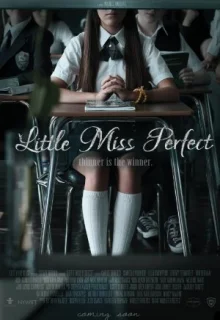
I saw Little Miss Perfect knowing nothing about the film. Admittedly, the dreamlike filter on the camera’s lens, prep school uniforms, and main character’s over-achieving persona as laid out in the opening scenes had me thinking I wouldn’t be able to relate to the film at all. Then, with one click on a website by the film’s protagonist, I was instantly hooked on a universal story about how we face the insecurities we all face in life!
Belle (Karlee Roberts) is the go-getter high school freshman who has the grades, proper ambition, and kind heart that other kids either ridicule or envy. She’s the school’s class president and headed for major success. Her father is in the home, but that seems to be the extent of it at the moment, as he deals with work and the new void of his wife. Her mom is a free spirit photographer, who has just left the family when the film begins. While Belle seems used to handling pressure, the vacancy of her parents in her life, and regular emotional instabilities that come with being a teenager, compound into an inescapable pressure cooker.
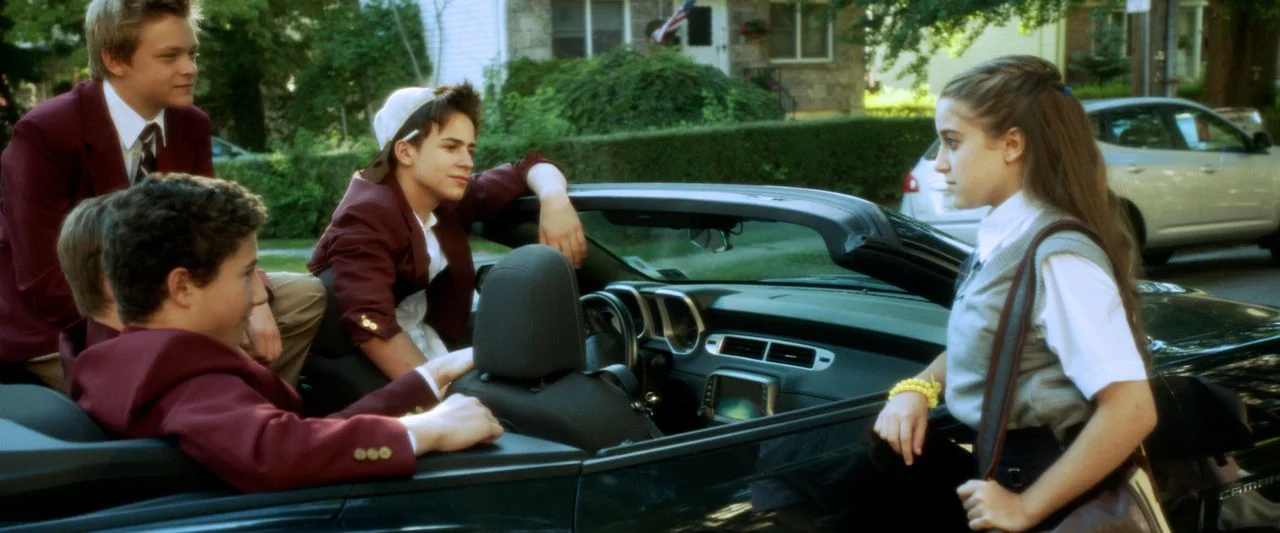
As the film moves forward, Belle begins to choose to do things that will make her happy and relieve stress. Unfortunately, those choices consist of dating Gus (Jeremy Fernandez), a decent-hearted flunky from the neighboring all male private school, and joining an online competitive eating disorder site where girls find pleasure in watching the numbers on the scale drop to unhealthy levels. While Little Miss Perfect explores eating disorders on a story level, it really serves as a backdrop to the deeper issues behind it like self-doubt, abandonment and feeling worthless. It also exposes the dangers of not asking questions or talking about the elephant in the room. As Belle’s weight continues to drop, everyone around her either helps her hide what she’s doing, like her best friend Lyla (Izzy Palmieri), or is too self involved to ask what’s going on and push past her seemingly perfect appearance.
First time feature writer/director Marlee Roberts does an excellent job of pacing and capturing each step of Belle’s downward spiral visually. Her frame speaks so the characters don’t have to. Whether Belle decides to confirm friending someone on the site, or shifts her salad around on her plate to make it look like she ate, the camera sees all. Subtle choices like Marlee (as not to confuse her w/ her sister/star of the film) keeping the camera on sticks throughout the film, but going handheld when Belle throws up in the bathroom for the first time or argues with her boyfriend, exhibit savvy skills of a budding director who is in tune to the cinematic story and technical side of filmmaking.
Little Miss Perfect is a timely film that speaks to members of today’s online generation who may chase likes and follows for self-esteem. We all want to be loved, and for a teenager with a vulnerable mind, it can be a dangerous thing when left unchecked. Yet, the message of the film for parents is to stay involved in your child’s life, and for teens is that you don’t have to struggle alone and it’s never too late to change. It’s a message I hope many people receive!
Rating: B+
Annapolis Film Festival '16: (T)ERROR Review
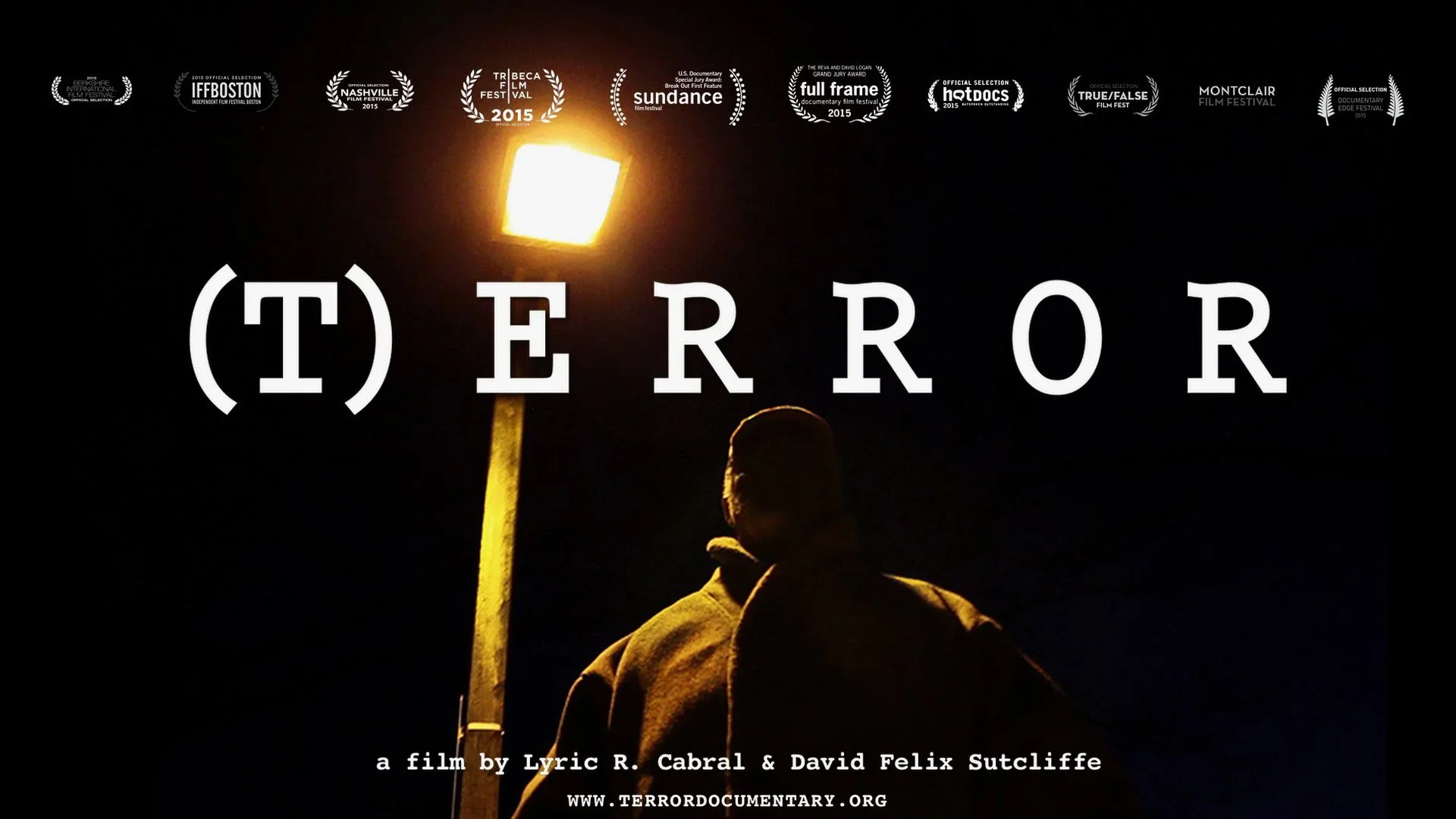
In a world where terrorists make the news weekly, someone has to be on the lookout for people who want to harm others. But what’s the price of that security? Who watches the watcher? What does it take to catch the bad guy? Saeed "Shariff" Torres, the main subject in (T)ERROR, is a documentarian’s golden goose. After two years of knowing the filmmakers, he confessed to being an FBI informant, and then proceeded to ask them to document his next assignment. What the viewer is presented with, is an astonishing, albeit limited look, at surveillance and the human impact of it.
We’re first introduced to Saeed as he complains about being on camera. It’s interesting because we find out that he wanted to be documented. Shortly after, he’s calm and enjoying a basketball game. He explains that he became an informant in exchange for a reduced prison sentence for a New York City robbery he committed. We find him getting ready to go to another assignment in Pittsburgh. He needs the money, and he doesn’t have any love for muslims who malign the teaching of the Quran. He only has an obvious love for his son.
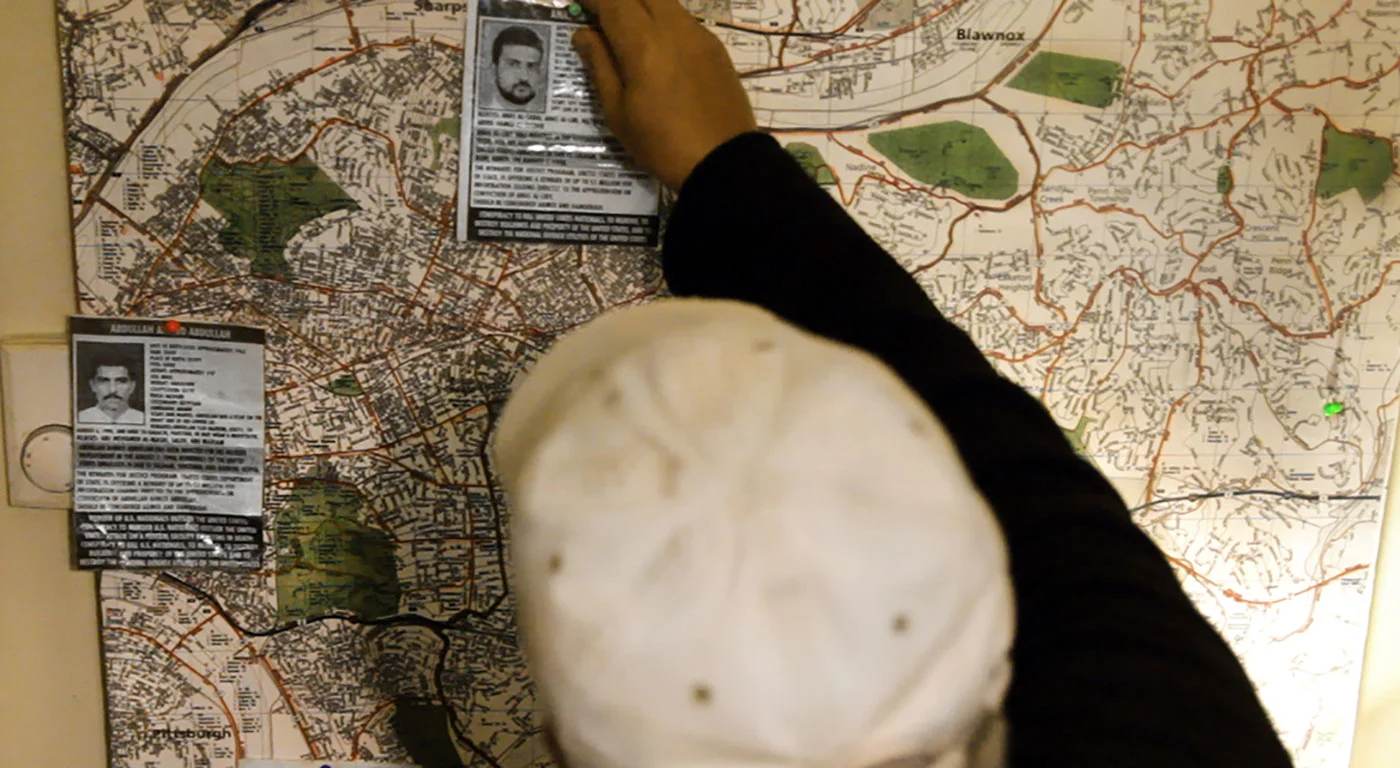
As Saeed begins to settle in the safe house in Pittsburgh we see a map that he pins photos on. He explains that he has a POI (person of interest) that he is going to befriend at the local mosque. He makes it clear that he has his own way of gaining their trust, and that if he did things the way the FBI wanted he would never get any of the busts he’s gotten. His arrogance is somewhat off putting, but the espionage drama pulls you in closer.
When we’re first introduced to Khalifa, Saeed’s POI, we see him in black and white surveillance photos. We see a picture of him with an automatic weapon. Probably most importantly, we see his appearance in muslim garb. So it’s easy to side with the FBI and Saeed. What directors Lyric R. Cabral and David Felix Sutcliffe do next is stunning as they interview Khalifa himself behind Saeed’s back.
As the viewer, you’re instantly hypnotized at watching a documentary being made without the FBI’s awareness with their paid informant Saeed; at the same time you get to see and hear the extremely intelligent, other side of the story through Khalifa’s own account of what he believes is happening. You’re able to put the truth together yourself seeing all sides “straight from the horse’s mouth” as they say.
(T)ERROR successfully leads us down a path of preconceptions and shocks us by providing truths that disturbs them. Perhaps the most disturbing realization is the questionable entrapment schemes set up by the FBI as shown in the documentary. Yes, it is limited in scope. No, paid informants aren’t new. But the questionable ethics of counter-terrorism as displayed is worth analyzing.
Rating: B+
Annapolis Film Festival '16: "Pervert Park" Review
Film can be a powerful tool. It can serve as a conversation starter, and allow you to experience something without having to get your hands dirty. Pervert Park has to be the darkest, most disturbing film coming out of the Annapolis Film Festival this year, and probably one of the bravest choices by its’ programming committee. Someone saw the opportunity to use film as a conduit to a conversation on a generally rarely talked about topic and let the viewer come to their own conclusions about it.
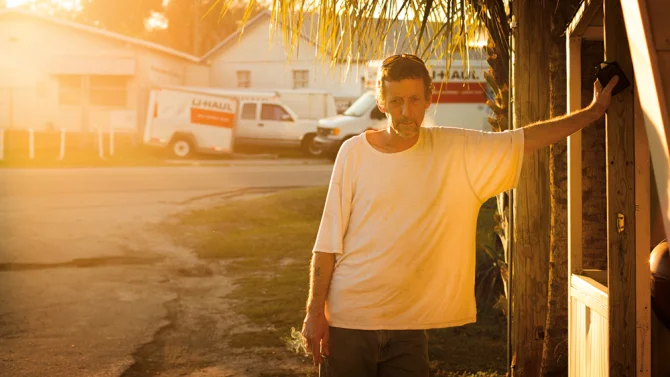
Pervert Park captures the stories of select individuals that live in Florida Justice Transitions, a trailer park in St. Petersburg, Florida. In Florida, sex-predator laws are in place where offenders can not live within 1,000 feet of places where children regularly assemble. Sexual offenders are looked at as the lowest of society, but they all have a story. Directors Frida and Lasse Barkfors capture the stories of park residents with no cinematic flare, just straight shooting and following.
The stand out story in the doc is that of Tracy Hutchinson, who was abused by her father as early as second grade. By the age of 11 she had already had an abortion, and years later she seduced her own son, who later molested a 3 year old boy. Hearing Tracy confess about taking her son’s trust and dismantling it by sexually abusing him is absolutely heart wrenching. The guilt, shame, and deep regret is so apparent that it’s hard not to get emotional yourself. It’s clear that a life of abuse had adverse affects on her, but her vulnerability in being honest and apologetic can be felt on a gut level.
While everyone in the film seems to take ownership of their crimes, they also seem to rationalize them with twisted logic. If there is one thing that is clear from the film, it’s that getting help and being open about abuse is a necessary resource. Many of the individuals in the film kept their past pain buried inside and hidden from society, which in their particular stories manifested into sexual offenses. It shows how much counseling can play a key role in an attempt to transform and unlearn behavior.
Watching the film is an absolute test in self control, staying in your seat and sitting through it. (Plenty of people walked out of the screening.)There is no way of getting around the fact that it is a disturbing documentary on a soul level. The filmmakers obviously worked to keep a balance of letting you hear the horror, and then changing the tone to something that humanizes the offenders. Most people won’t view a documentary like this, but for those who can stomach it, it examines and challenges how and why we should deal with the taboo issue.
Rating: B-
"The Clan" Review: A Detached Family Portrait

In a modern day and time where social media allows you to be whoever you want to be publicly, but totally different behind closed doors, The Clan tells the true story of a family who mastered that art in the late 1970s in Argentina. While outwardly, this family seemed to have it all, inwardly the patriarch led his sons in kidnapping the wealthy for large ransoms. What may be even more ghastly is that the victims were kept in the house with the rest of the family.
Arquimedes Puccio (Guillermo Francella) is a shop owner and father of five. His son Alejandro (Peter Lanzani) is a star rugby player on the Pumas. Even though Alex has promise with rugby, his father wants him to help with the family business, both of them. While Alejandro is internally torn, he carries out his father’s wishes, working in the shop and helping to kidnap those his father has marked.
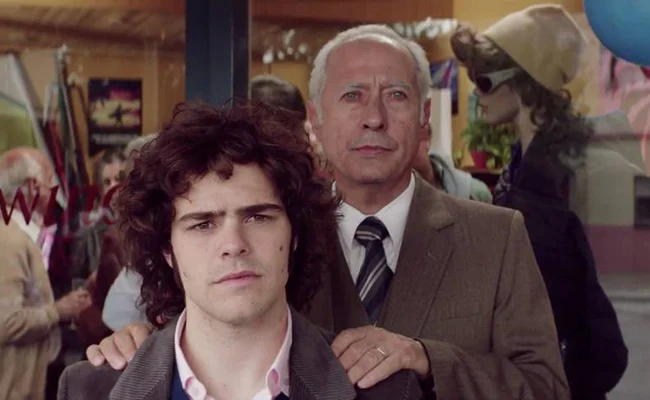
The longer you watch, the more enthralled you become with the story of obvious detachment of Arquimedes’ morality, Alejandro’s internal conflict as he loses his own, and who else in the family is complicit in what’s happening. In fact, part of the intrigue is the vague understanding of who amongst the Puccio family knows what’s going on. You think that they all have to know what’s going on, but it’s never quite clear. As the film moves forward, more layers are revealed that solidify the eeriness of a family that seems to be free under the house of their father/husband but chained to his unspoken regime.
Francella is stellar as Arquimedes. His unassuming look and polite demeanor in an aged body, make his performance that much more powerful and intrinsically scary. You can tell that he did the pre-production work to come to grips with how his character lived with himself at the end of the day and justified his actions internally. Kidnapping in one scene and loving his family in the next is as natural as breathing.

Director Pablo Trapero is very comfortable with the relationship between his camera and cast. He knows when to move the camera and when to keep a still frame, striking a sweet balance that leads to a beautiful dance of blocking. Trapero’s controlled yet visually eloquent camera brilliantly mirrors the controlled and calculated efforts of Arquimedes. He allows the viewer the freedom to choose where to look, while still manipulating the frame.
Where The Clan succeeds is in its ability to tell a dramatic and horrifying tale, without being cinematically dramatic. From the soundtrack choice (songs like “Just a Gigolo” during a kidnapping scene) to the strong internal performances by the cast, the movie heightens its intensity by not being intense. It certainly will remind you of the question, how well do you really know your neighbor?
The Clan opens Friday March 25 in DC.
Rating: B+
DCIFF '16: "Driving While Black" Review

If “Crash” had the slight edge of a stoner film it would be “Driving While Black”. The film blends comedy with the serious and timely subject of racial profiling and police brutality flawlessly. What makes “Driving While Black” so enjoyable is it makes its points without proselytizing. At its heart, the movie is about the ups and downs of a flawed individual trying to make ends meet while pursuing his passion. Dealing with the police just happens to be a part of the story woven into his daily life. In many cases we see play out in the news, I think this is what makes police brutality so appalling and the film so relevant.

Set to the sounds of hip-hop and the visual background of LA streets both seen and unseen in films, “Driving While Black” is a guaranteed conversation starter. Writer/star Dominique Purdy is Dimitri, a pizza delivery guy trying to make it as an artist in LA. He’s had his fair share of discriminatory run-ins with the police in his lifetime, which has left a distrustful taste in his mouth as evidenced through flashbacks in the movie. After his car breaks down giving him some time to take a tour of celebrity homes in LA, Dimitri has an opportunity to get a better job as a star maps guide. Each time he makes an attempt, something comes up that keeps him from the interview, and it’s usually the police.
The film also works at portraying a balance of both sides of the coin. Simultaneously throughout the film we are able to see the inner workings of a local police unit comprised of ethnically diverse cops that weave in and out of Dimitri’s storyline. The workplace banter amongst the cops is filled with realism that brings them down to a “next door neighbor” type of vibe that is relatable. From Officer Borty-Lio (Sheila Tejada) trying to get promoted to provide for her family in a squad full of men, to the bad apple Officer McVitie (Peter Cilella) whose past demons have created an over-aggressive monster behind a badge, the film does a good job of developing all characters involved on both sides of the issue.
“Driving While Black” doesn’t sugar coat its character’s decisions either. In one scene, Dimitri is pulled over with a friend who has been driving while high on marijuana, and in another a friend has a gun in the car. It almost makes you question Dimitri’s choice in friends, but these are real life examples that show we all aren’t perfect. It’s a great mixture of ingredients that help to allow the viewer to decide what’s right and wrong in the situation.

Director Paul Sapiano does a great job of pacing the film out and allowing the film to disarm you with its comedy. But when the film gets serious, it’s hair-raising. It’s the situation that black men prepare themselves and their sons for. It’s the type of situation that every move and word counts if you want to go home that night. It’s exactly what makes the film a great display and analysis of the subject matter that will have you talking after the lights come up.
“Driving While Black” takes a comedic approach to a controversy that has become all too common these days. Sometimes comedy is the best medicine. Hopefully, it can serve as another resource to open the door to conversation about this troubling issue in America.
Rating: B+
“Driving While Black” screens at the DC Independent Film Festival Friday March 11, 2016.
"Until 20" Review

Childhood cancer is one of those topics that I believe we don’t want to address as a society. Numbers don’t lie; only 4% of the budget of the National Cancer Institute goes to pediatric cancer research. As long as it doesn’t affect us personally, by those numbers, sadly it seems we’d rather keep living our lives with no regard to the issue, myself included. Perhaps it’s because we’d be faced with our own mortality, our children’s, or because to be honest, it’s somber. So when it comes to a movie, why would you want to watch one about childhood cancer? Keep reading and I’ll tell you!
James Ragan was diagnosed with bone cancer at age 13. When we first meet him, he’s bald, skinny from treatments, and way stronger than most of us. He’s viewing the latest results from a scan with his doctor and family. He tells the doctor that he’d like to “preserve a little bit of quality for when we’ve sorta kicked the can as far as we can kick it so to speak.” It’s this statement and James’ strength in the face of a doctor telling him that without further treatment he has six months to live- within the first five minutes of the film- that engages you to want to see and learn more about James and his journey.

What “Until 20” provides is a pure look into a young man and his family’s life as they’re going through it. There’s no doubt that when the film picks up James has already been through the fire, and his strength and resolve to help other pediatric cancer patients is inspiring. James created the Triumph Over Kid Cancer Foundation in 2007 as a way to raise money and awareness to the cause. Throughout the film it’s obvious that because life isn’t promised to him, he lives his to the fullest, enriching and encouraging the lives of those around him.

Typically in a film like this you expect to focus on how awesome the main character is, and hear from people who will testify to it. While that is a part of the film, you slowly get to know the people surrounding James, pulling you into his family and village of loved ones. Whether it’s his mother Gloria, who is trying to keep it together and be there for her son, while simultaneously missing out on being present for her daughter because of it. Or his sister Mecklin, who loves her brother with all her heart, and yet sacrifices attention and love from her parents at times because her brother needs it more. The doctor, who has to tell James (and one would assume other cancer patients) the bad news, while also viewing him as someone that he hopes his sons will grow up to be like. The list goes on, but the evidence of how cancer’s effects ripple out to those surrounding James is apparent. Yet, a constant sense of love and resilience comes through in every frame. That’s what makes the film powerful.

Another thing that stands out about “Until 20” is the stylistic shot choices and poetic technical nature of the film. One would usually expect a film of this theme to be run and gun, with not much thought into the shooting style outside of capturing the events. While a couple of times the style choice feels a little too much (some scenes in which an interviewee is emotional and the camera continues to dolly side to side), it is aesthetically beautiful. The time and care given to the film by directors Geraldine Moriba-Meadows and Jamila Paksima is evident in the film’s construction from production value to the way the story is laid out. As I watched, I couldn’t help but feel like the Ragan family came together and agreed to tell their story, unfiltered, as a unit, and that James wanted to document his journey for the world to see. Faced with that responsibility, Meadows and Paksima stepped up to the plate and hit a home run.
Sitting through “Until 20” is in no way a walk in the park. It’s unsettling at times, causes you to put your own life in proper perspective, and has its Kleenex moments. Grounded in the reality of life, the film puts a face to childhood cancer and allows you to experience the love, trials, and pain that a family affected by cancer must endure. At the same time it’s uplifting and beautiful! It's cliche to say, but the film is truly more about living your life and embracing each moment. The love that the Ragan family has for one another is undeniable. I couldn’t help but think that the film is exactly what James wanted. While our lives are but a mist, film is forever, and with this film his message lives on and speaks to the heart of a viewer in ways that a speech never could! Hopefully with this film, one family’s loss is the world’s gain, as it inspires us to get involved in some small or large way.
You can learn more at http://triumphoverkidcancer.org/.
Visit http://until20.com/ to find out more about the film and future screenings.
Rating: A+
Spooky Movie Fest '15: "They Look Like People" Review
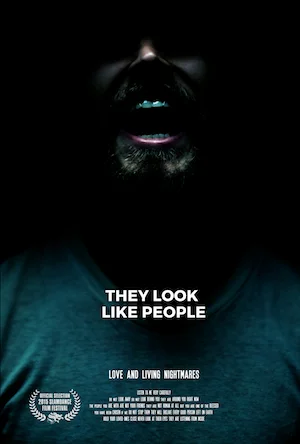
Are humans really being taken over by demons cloaked as humans in this cinematic world? It’s hard to say what’s real and what’s not in writer/director Perry Blackshear’s “They Look Like People”. The film sucks you in with its direction and performances because on this psycho paranoia train, you can either get on or get left at the station.
Wyatt (MacLeod Andrews) shows up on the doorstep of his old friend Christian’s (Evan Dumouchel) NYC home. The two haven’t spoken in years, but were very close at one point. Close enough that Christian is willing to let Wyatt tag along on his date with his boss, Mara (Margaret Ying Drake). The date goes wrong for all the reasons you wouldn’t think, as Mara’s friend has slipped on the sidewalk before they meet. This makes for a night in the emergency room for the trio, and a newly formed bond to boot.
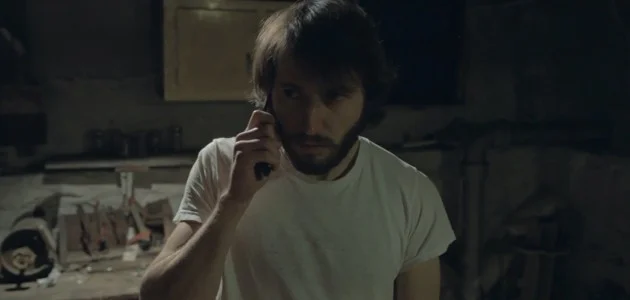
Wyatt tells Christian that he plans to move on, but Christian insists he stay for a while.
Even though they haven’t kept up with each other we find they share a couple similarities. They both have recently had a breakup with their longtime girlfriend. They both hear voices speaking to them. While Evan listens to self-empowerment albums, Wyatt listens to a voice on the phone that tells him about the impending war that’s coming. The phone voice describes invasion of body snatcher-like creatures that look like people, but have already infiltrated the world.
As Wyatt begins preparing for the battle by stockpiling an arsenal in Christian’s basement, the paranoia of the film really takes off. Blackshear achieves this on two fronts. Aurally he gets into the viewer’s mind with the voices that play in narration. Christian’s self-empowerment voice is soft, soothing, and disarming. Wyatt hears from two different voices; one male voice that is older and authoritative, and one female voice that sounds genuine and at times worried. The combination of the voices talking to the main characters non-diegetically (off screen), becomes just as swaying for the viewer in forming opinions of what’s real and what’s not.

The other weapon in Blackshear’s arsenal is the film’s editing, which he did himself. The film hard cuts forward in time throughout its scenes. This compression of time keeps the audience’s attention as they are forced to piece together what to take away from the scene, and wonder if anything was left out. It’s easy to follow, but the technique slowly seeps into the mind and causes a bit of uneasiness.
“They Look Like People” is definitely a pot that simmers slowly throughout its running time and leads to a climactic boil that pays off. With a strong direction from Blackshear and equally natural performances from its actors, the film makes you want to turn on thehouse lights in the theater and take a second look at the person next to you.
Rating: B+
"The Trouble With The Truth": An Indie Gem
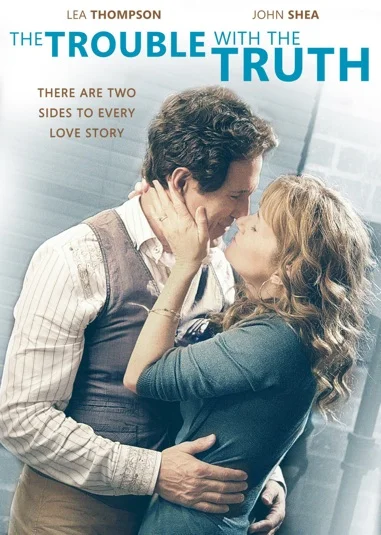
Similar to “My Dinner with Andre” and Linklater’s “Before” trilogy, “The Trouble with The Truth” hinges on a conversation between its main characters. Real time conversational movies are difficult to master because the dialogue and actors who deliver it have to be on point. It lives or dies with both components. Writer/director Jim Hemphill, however, has the perfect storm in this romantic indie drama.
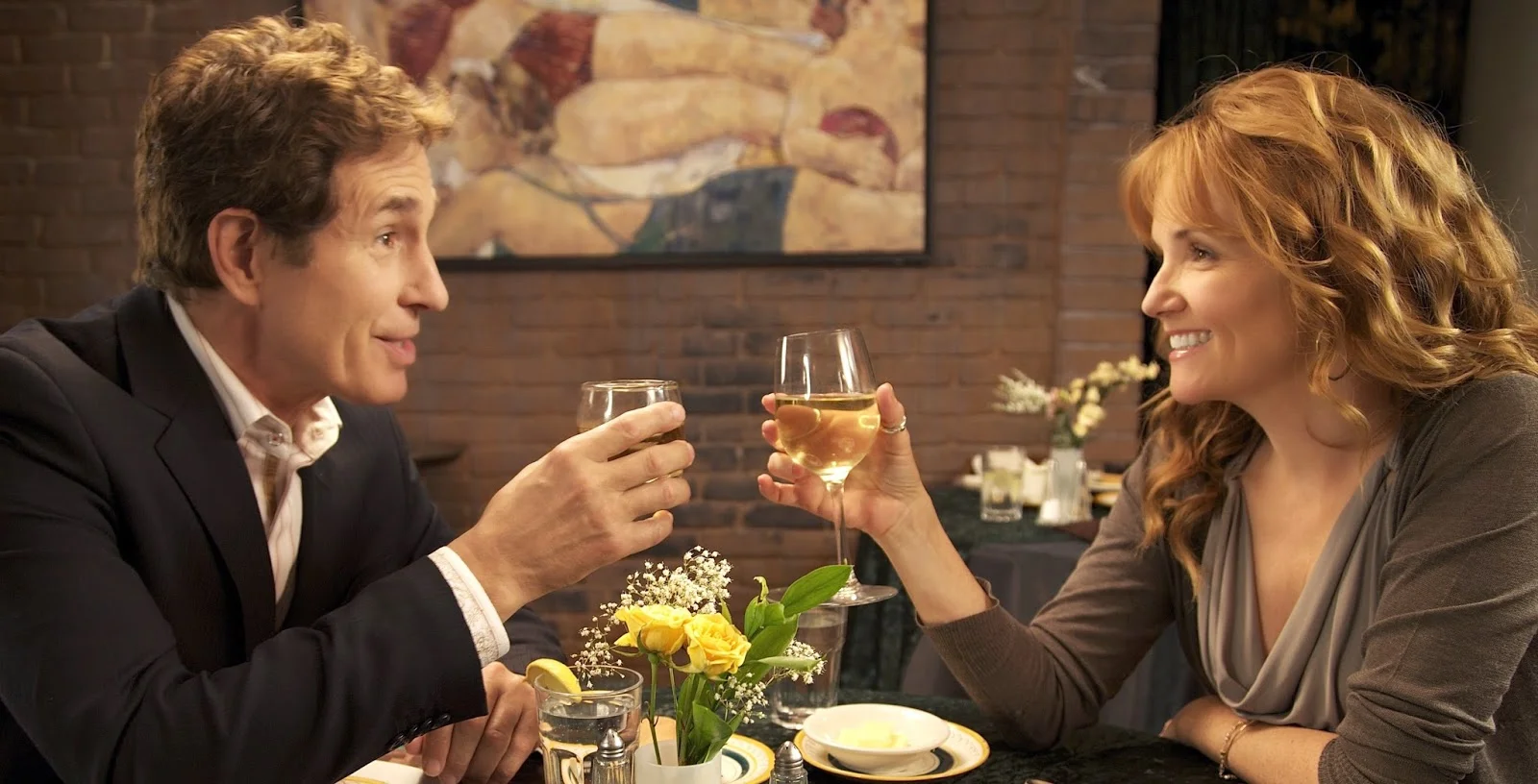
Robert (John Shea) and Emily (Lea Thompson) were married for 14 years before they divorced. Now, their daughter Jenny (Danielle Harris) is engaged to be married and as most marriages do, it brings her parents together. After receiving a call from Robert, Emily agrees to meet him for dinner during her next trip to LA.
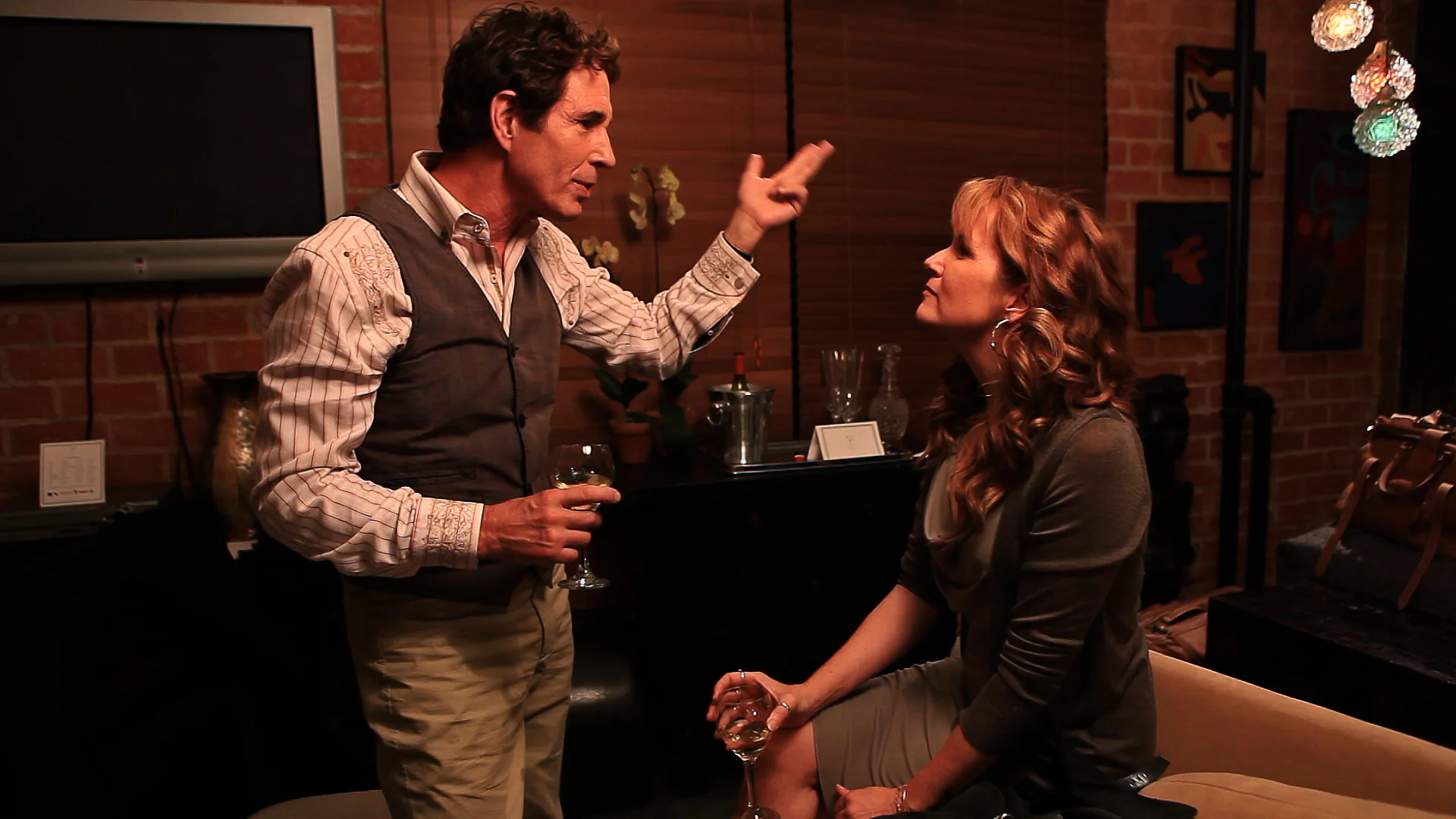
The two make small talk about Emily’s work as a novelist and Robert’s career as a musician at the bar before settling upstairs for dinner. The meat and potatoes (excuse the pun) of the film takes place at the dinner table. The two discuss their relationship, what went wrong, regrets, and their present relationships in one long conversation.
Hemphill’s dialogue is as close to perfect as scripted dialogue can be in a film like this! As the two talk, they dance around what they truly want to say at times and get to the point at others. This game of cat and mouse constantly throws logs and breathes life onto their old flame, building the romance of the drama.
The chemistry between Shea and Thompson is indisputable! As the conversation continues, the underlying attraction between the two grows as well. The simultaneous maturity of the actors (in real life) and character’s (on screen) wisdom spills out into their dialogue and acting nuances, creating a sexy concoction of suspense. Both actors connect with their characters in such a way that makes you want to continue eavesdropping for the rest of the 96 minute film!
Hemphill’s “Truth” rings true indeed. Every moment feels authentic, and is sprinkled with the right amount of humor to break up the serious tone. The build up to the finish line makes for a satisfying conclusion.The result is a romantic indie drama that’s worth the view and worthy of study for the low budget filmmaker!
Rating: A
Purchase the film on iTunes:
Check out my interview w/ writer/director Jim Hemphill:
"Bound to Vengeance" Review
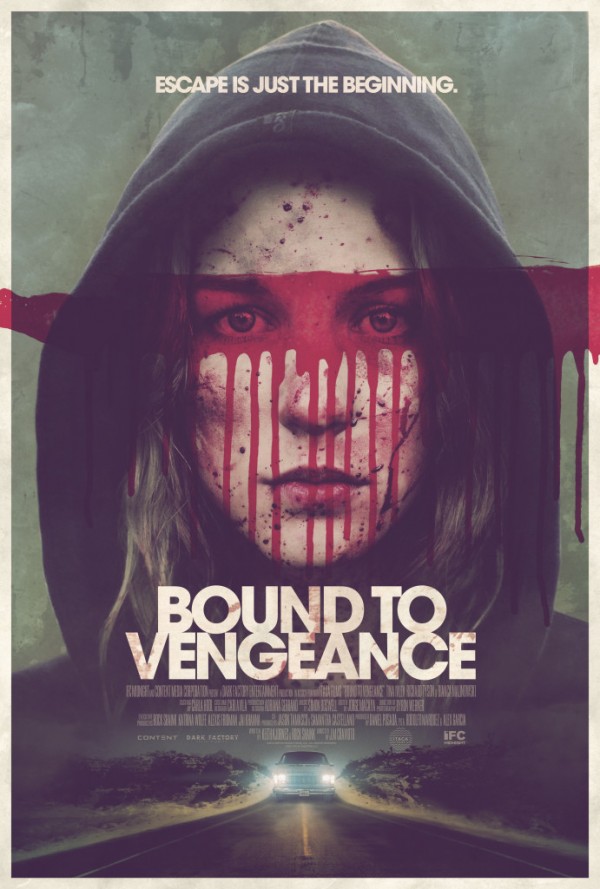
“Bound to Vengeance” is the definition of an indie thriller. In all honesty the movie asks for you to suspend your disbelief from the beginning to the end and there are a few predictable plot points. However, the style, minor twists, and willingness to play with the medium makes it bearable to watch as an average viewer and inspiring for any up and coming indie filmmaker.
Eve (Tina Ivlev) has been held captive in the highly secured basement of a sexual predator named Phil (Richard Tyson). We don’t know how long she’s been there, but the film picks up moments before her escape. Eve is smart, and it seems she’s thought through how to subdue her captor but it’s apparent that she doesn’t know where she is as she exits the house at dusk. With the keys to the only vehicle outside missing, she reenters the place that she knows.
As she rummages through the house, she comes across polaroids of other young girls with numbers by them- including her own. Eve creates a makeshift dog pole catcher with a shower rod and telephone line and uses it to keep Phil at bay as they begin an overnight journey to free the rest of the girls from the polaroids. Of course, this is where the movie derails logically. Why doesn’t she just drive off and call the police? What if Phil has a trap ready for her at another house? If you can swerve around those major plot holes, and accept the movie for what it is, you will be drawn in to Eve’s journey.
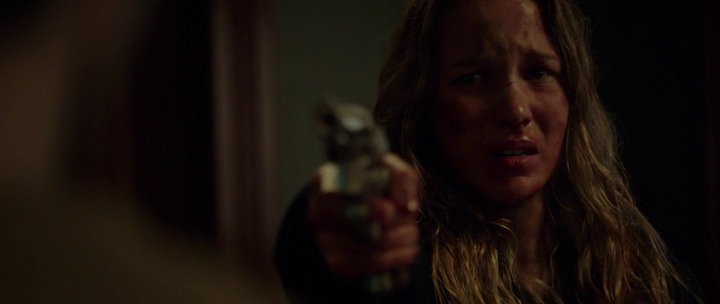
With each house she visits and girl she interacts with, Eve learns something different. There’s no doubt that there’s something about Eve that makes her an awesome heroine. With each stop she puts together the pieces of the puzzle of her kidnapping and so many other girls, while getting some revenge along the way.
Ivlev takes the weight of the movie and carries it in a worthy manner as the lead. She plays Eve with enough gravity to be feared and nuance to be believable. Based on his work in this film, I’m curious to see director Jose Manuel Craviato’s native language films. Craviato plays with the medium in a way that big budget movies rarely do. In one scene, Eve searches for the end of a land line phone, tugging on the chord. With each tug, the camera moves, until it falls to the floor as Eve rushes over to it. This small moment in the film is one of many that shows Craviato’s skill regardless of the script. The cinematography by Byron Werner is also worth a mention as he paints with reds and greens throughout the film, helping to support the repulsive nature of sex trafficking.
While it showed potential for being a revenge thriller with a great female lead, it falls short of the mark. “Bound to Vengeance” is a good choice for Netflix or Redbox.
Rating: C-
GI Film Festival '15: "The Forgotten Angel of Bastogne" Review
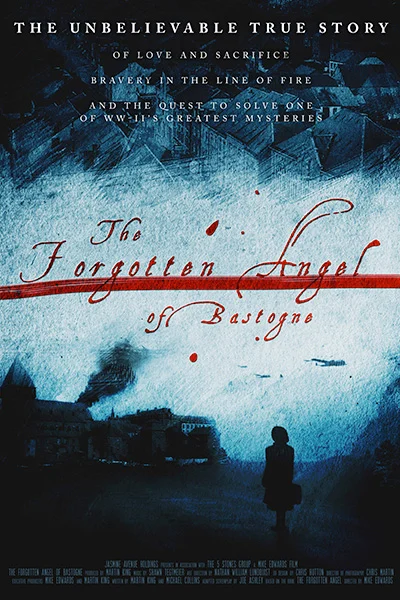
As the saying goes, “history is written by the victors”. Director Michael Edwards’ “The Forgotten Angel of Bastogne” dares to revise the history of Bastogne during World War II’s Battle of the Bulge by highlighting the heroic, herculean efforts performed by a black nurse amidst a racist era. After decades without praise, this documentary gives honor to a very deserving, courageous figure in history.
The film tells the story of Augusta Chiwy, a young nurse born of Congolese and Belgian descent, who with one trip home for Christmas had her life changed forever. In December of 1944, Augusta’s father asked her to come home to Bastogne for the holiday. She made a long trek from Louvain, Belgium to Bastogne. What should have been a few hours turned into an almost day long trip due to the Nazis pushing forward in what’s now known as the Battle of the Bulge.
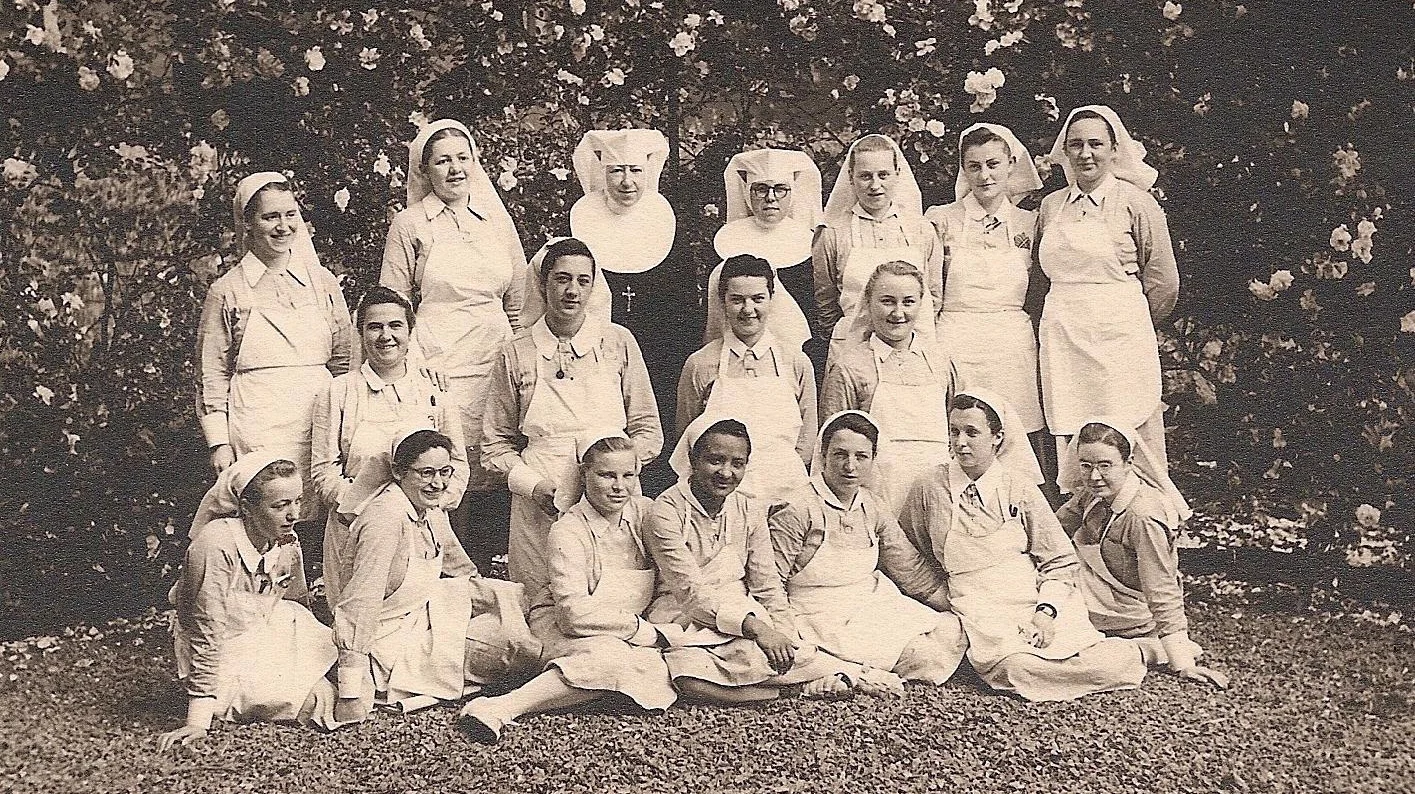
Photo Courtesy of GI Film Festival.
After arriving in Bastogne, swarms of wounded and dying American soldiers poured in to the local aid station. Augusta was asked to help Dr. John Prior at the station, which turned into a triage facility overnight. She worked tirelessly side by side with Prior to save lives in some of the most gruesome scenes imaginable. The pair had to use crude, makeshift surgical instruments, and make due with a lack of supplies. While there, she also worked alongside nurse Renee Lemaire, who has been regarded as the “Angel of Bastogne” since she was the only documented nurse at the aid station due to her race.

Photo Courtesy of GI Film Festival.
The documentary takes nothing away from Lemaire, who deserves the title as history shows, but brings evidence to the forefront that Augusta deserves as much credit for the efforts she made during those brutal days. Perhaps Augusta’s story would still be rumored if not for Martin King, a military historian and authority on the Battle of the Bulge, who set out to find the truth of Augusta’s story. The film presents us with a parallel story of the historical event and the present hunt for the truth by Martin.

Photo courtesy of GI Film Festival.
For those who love history, and those that don’t, what makes this documentary worth seeing is how it brings history to life. Historical photos are displayed throughout the documentary but are infused with moving graphics and sound effects to help viewers be immersed in the moment. Nuanced touches, like light coming through a window of one of its still illustrations, make small details visually stimulating and engaging. The combination of clear historical storytelling and a present day mystery hunt makes for a riveting documentary.
While the documentary presents us with an abundance of history at times, it does a good job of keeping it organized and digestible for the average person. Augusta Chiwy took a stand to save lives regardless of the dangers around her, soldiers who didn’t want her help based on her skin color, and never retreated because it was the right thing to do. It’s that type of character that makes the story worth telling and the documentary worth watching. So many stories of heroism by minorities have been lost to history due to prejudice. This documentary and Martin King’s fight to tell her story, puts Augusta Chiwy in the annals of history where she belongs!
Rating: B+
Check out my interview with director Michael Edwards below!
Here's the trailer for the film:
DCIFF '15: "Southeast 67" Review

“Southeast 67” is a documentary that speaks to the power of education, altruism, hard work and love. Using a mixture of archival footage and photos, and shooting presently with some of the first I Have A Dream program students, it tackles the age old question of who wins: nature or nurture? The documentary refreshingly dares to answer “life isn’t that black and white.”
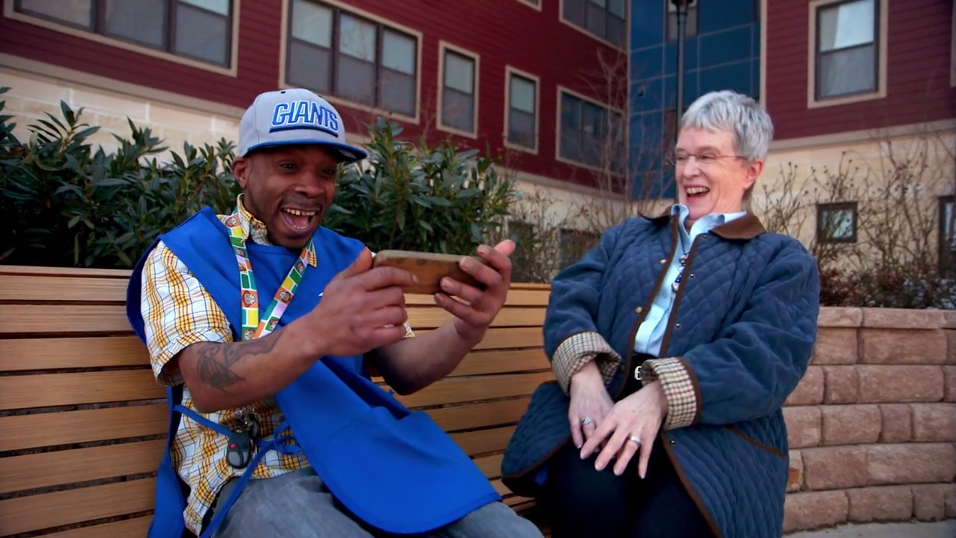
In the 1980s, Washington D.C. was known as the “Murder Capital”. Stewart Bainum, a businessman in the area, promised college scholarships to 67 rising seventh graders through the I Have A Dream program. Out of the 67 Dreamers, 72% graduated from high school and 6 went on to get degrees. Writer/director Betsy Cox catches up with some of the Dreamers and their teachers, Phyllis Rumbarger and Steve Bumbaugh, and captures a family reunion on screen amongst the group. It’s clear that the time in the program was a special moment in everyone’s life.
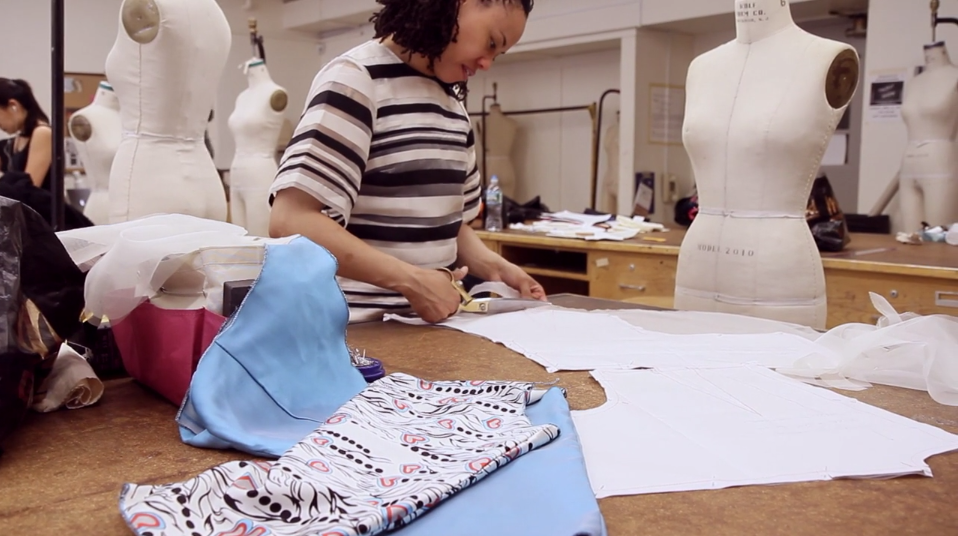
Each personal story presented is diverse. No two Dreamers are the same. The entrancing part of being able to catch up with the Dreamers twenty years later, is that you can formulate an answer to whether the opportunity to get out of a drug and violence filled environment to pursue a better education was enough to put them on the path to success. For some of the Dreamers that appear in the documentary, the opportunity came at a price that we may not instantly think of. Most of them were worried more about their mother being in an abusive relationship, possibly overdosing on drugs in their absence, or where they would get money to live while being away. These haunting thoughts kept some of them paralyzed to move forward, while others were able to take full advantage of the opportunity. Yet, the outcomes twenty years later are equally positive in their own way.
One of the most intriguing things about the documentary is seeing the generational impact of decisions. Sadly, many of the Dreamers were fighting just to make it into the middle class, but the opportunity to have hope for a different future had a lasting impact that has touched their children's lives. The film could have easily slipped into the sensationalism of one white man giving 67 underprivileged black kids a helping hand. Instead, it focuses on love, which sees no color, and permeates each frame from the inside out with undeniable results. “Southeast 67” plays at the DC Independent Film Festival on Friday, February 27th at 7:30PM.
Rating: B
"Dior and I": Middleburg Film Festival Review

Director Frederic Tcheng explores a world that most of us have no idea about outside of the label or knock off we wear in “Dior and I”. It’s a film full of moments that are superficial at best. It’s also a beautiful look at what harnessing our passion, talent, and drive can create in our lives and the lives of those around us.
The film documents the struggle of Raf Simons as he becomes the newest Creative Director at House of Dior. It leads up to his first collection showcase that he only has eight weeks to pull off. (Usually the process is allotted four to five months.) Simons is extremely nervous about the process, as anyone would be, and imposes his high expectations on the people working under him.

While Simons is a ball of nervous energy on screen, the heart of the film is the ateliers and workers who tirelessly grind day and night to create the signature collections that so many people love. Dior has a low turnover rate, with many of it’s employees having been their for over twenty years. We’re introduced to many of the key members of the staff. The family environment that Dior himself created is seen and felt throughout the film and most of that is evident in this segment of the film. Yet as parallel stories begin to weave together and become one, we see the common thread of Christian Dior. His impact and vision both haunts and motivates everyone long after his death.
In the days and hours leading up to the collection showcase, the pressure intensifies for Simons and the Dior employees. It’s in this moment that Simons breaks down and we see the human behind the mask. In fact, even during the showcase he bawls uncontrollably, and it’s beautiful! It’s a moment that anyone can relate to. The moment when you’ve put your all in to something and it comes together exquisitely; it’s an amazing feeling no matter who you are or what position you hold.

“Dior and I” is a documentary that allows a glimpse into the world of high fashion. In the wrong hands it would be a reality TV show that us regular folk point fingers and laugh at! Instead, it fights to push past the glitz and glamour to tell a universal tale of creativity at its best!
Rating: B
"Red Army": Middleburg Film Festival '14 Review
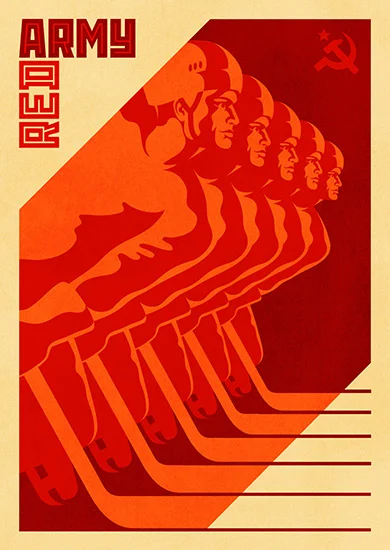
I’m not a sports fan, I’m a movie fanatic. The closest I’ve been to seeing a full game of hockey is “The Mighty Ducks” 1-3. So going in to see “Red Army” at the Middleburg Film Festival I was expecting to be bored by an archival documentary about a specific team in hockey’s past. Instead I was blown away by a fast paced, exciting film. “Red Army” is the perfect blend of sports drama, history lesson, and compelling cinematic storytelling!
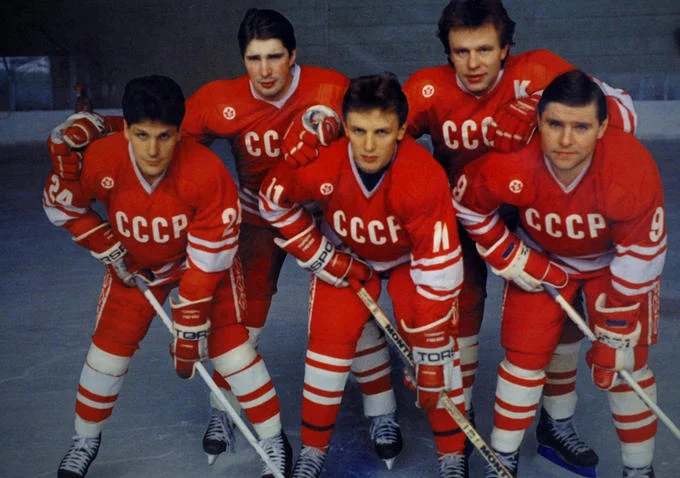
The film focuses on the former Soviet Union’s Red Army hockey team. Director Gabriel Polsky brilliantly uses playful humor with the pre-baked dramatic themes of the Cold War, democracy vs. communism, and sports competition. The star of the film is Viacheslav Fetisov, the former captain of the Soviet national team, and he delivers first-hand commentary as we weave through time up to present day. Whether talking about the Red Army’s extreme work ethic and discipline, the thrill of winning Olympic Gold, or pain of failed and lost relationships, Fetisov is the heart and spine of the film. We also hear from other star players of the team, retired KGB officers, sports journalists, and government officials which gives the film a dual feel of a behind the scenes look at the hockey team and communism simultaneously.
Polsky shows his mastery of the medium using all the tools at his fingertips in a symbiotic effort to push the story forward. Lower thirds translate from Russian to English, the titles and awards of Fetisov quickly fill up every inch of the frame around him showing just how talented he was, Russian tunes compliment the visually silly but amazing work out routines of child hockey soldiers! He dollies the camera in to cap off an interview at times throughout the film, making the interviewee and viewer on edge, but many times evoking a priceless reaction from the on camera talent.
“Red Army” ultimately gives us a glimpse at how much can change in one lifetime. Whether it’s the change of thinking/regime from the USSR to Russia’s current state, Fetisov’s personal life from “child soldier” to holding the position of Minister of Sport in Russia for a time, or the sport of hockey itself, the film speaks to our ability as humans to learn, grow and change. Whether you're a sports fan or not, it’s a must see documentary!
Rating: A
Check out the live Q&A after the film:
"Fort Bliss": The Other Side of War
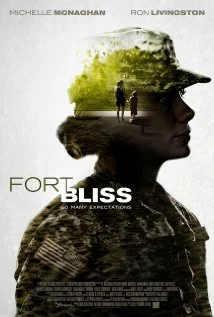
“Fort Bliss” has all the makings of a Lifetime Original Movie in theme. A decorated U.S. Army medic and single mother returns home after touring in Afghanistan to face a troubled relationship with her five year old son. The film however, is far from a Lifetime movie! It’s a character study that civilians probably have never thought about, and the military community knows all too well.
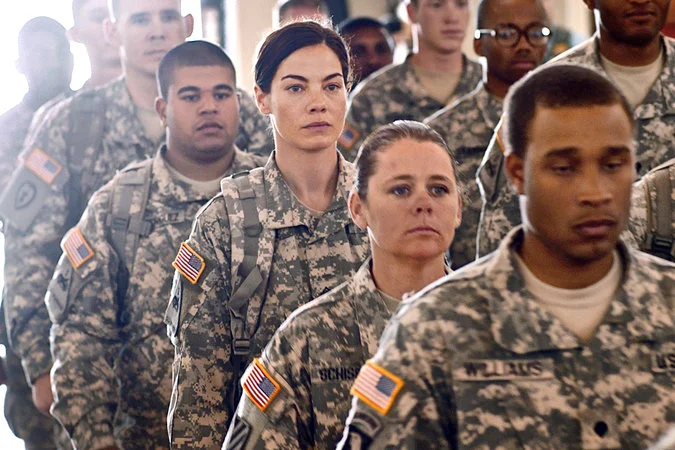
If “The Hurtlocker” spends 90% of it’s time in the war and 10% at home, “Fort Bliss” is just the opposite. In fact, you could say that it picks up where it left off. Maggie Swann (Michelle Monaghan) has been through it. We first meet her on the battlefield where the tough-as-nails medic saves a soldier who has a live explosive device lodged in his stomach. She’s a hero to the core, can hang with the boys, but wouldn’t take credit for anything but doing her job. Upon arriving home in the states she’s greeted by...no one. Her ex-husband Richard (Ron Livingston) meets her outside of the welcome facility to explain that her son doesn’t want to see her after her extended tour has left him with few memories of her.
This is where the real fight of the movie takes place. Swann desires to reconnect with her son Paul (Oakes Fegley) and goes to pick him up to take him home with her, but it’s an uphill battle. He’s been under the tender wing of Richard’s girlfriend Alma (Emmanuelle Chriqui) and doesn’t want to leave. Monaghan does fantastic work in this film, as from the beginning you can read so many thoughts on her face without her saying a word. You can tell she’s decompressing and trying to turn off the battle she just left in Afghanistan, while at the same time trying to fight for the love and connection with her son that they once shared. How do you get there? On the battlefield orders are made and actions take place, but when it pertains to someone’s heart...things aren’t so simple. Every decision Swann makes stems from the tug of war between her professional and personal emotions and ideals.
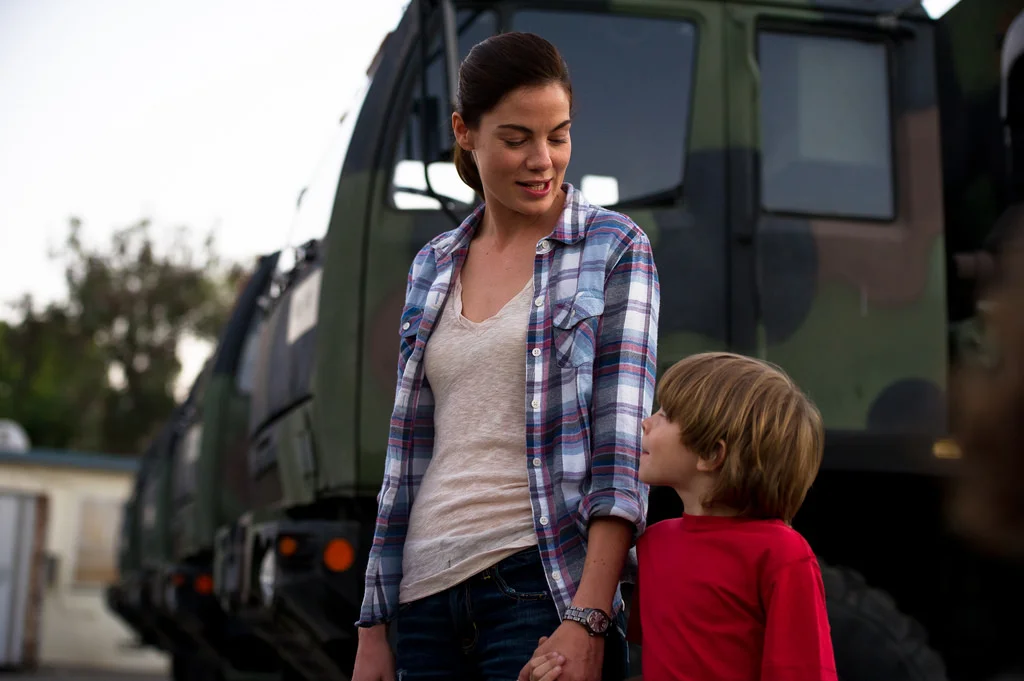
Written and directed by Claudia Myers, the film is a labor of love as Myers poured years of research into it. The balance of character driven drama and action on the battlefield is exciting to watch. It’s Monaghan’s performance that grounds the film in a real, tough, and universal struggle that anyone can relate too. The film opens today in select theaters and everywhere on Video On Demand. Check it out if you want to see a war movie that sheds light on the side of war we tend to forget, but should have a healthy respect and appreciation for!
Rating: B+
Check out my interviews with some of the stars of the film at the GI Film Fest earlier this summer!