
Tribeca Film Festival '18: "Salam" Review
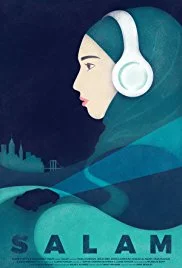
Salam is the type of film you go to a festival to see. Writer/director Claire Fowler’s short film is layered in both its storyline and characters. With a stellar performance by Hana Chamoun, this film is worthy of a conversation after the lights come up.
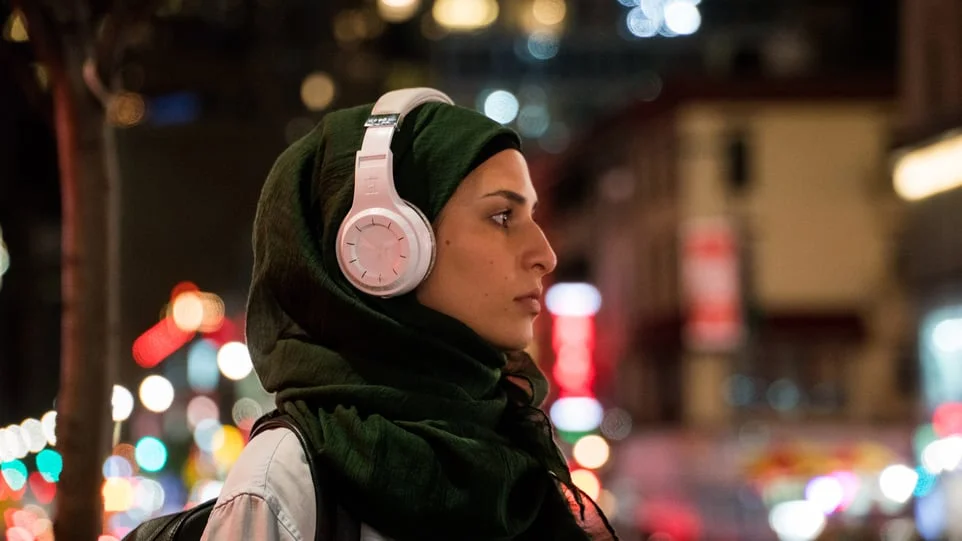
Salam (Hana Chamoun) is a Lyft driver from a tight knit family, but you can gather that Lyft is a means to a bigger end. A portion of her family lives in Syria. When her New York based family gets word of a bombing in Syria, it’s a waiting game to know if their loved ones are ok. To stay busy and rest her nerves, Salam decides to go make some money and pick up passengers. After dropping off a couple love birds, Salam picks up Audrey (Leslie Bibb), who seems to be in distress herself. The exchange that follows is a layered interaction of surface expectations versus what’s really underneath the surface of our daily lives.
Cinematographer, Nicholas Bupp uses natural lighting to showcase New York’s night life. The dark shadows and color scheme gives the film a grittiness that highlights the serious nature of waiting for information that could literally turn your world upside down. With a less skilled writer, the subject matter could be a very heavy-handed, we’ve seen it before look at immigrants and the now stereotypical Islamaphobic pairing we see in films. Instead, Fowler gives us a complex character that we know. Salam is a sister, an aunt, a wife, and a caring person. In turn, we care about her, and understand the weight she’s carrying in the midst of her drive.
Salam reminds us of the ties that bind us all as a human race, while addressing the blockades we’ve constructed by putting people in boxes of certain races or ethnicities. Fowler’s interest in empathy and her ability to create relatable characters gives us a film that helps us think about how we interact with one another in this complex thing called life. This is one to watch!

Tribeca Film Festival '18: "Bad Peter" Review

Bad Peter is the beginning of a good Black Mirror episode. Directed by Zach Strauss, it’s a slice of life look at what AI capabilities could become in the future. While the Big Brother concept isn’t new, the characterization of Strauss’s characters is what makes it an intriguing peak in.
Rachel (Frankie Shaw) is an expectant mother. Her day is regimented by a personal automated assistant. Peter is a white rectangular boxed speaker with a glowing red light that lights up like Siri or Alexa when it speaks. At first glance, Rachel follows Peter’s suggestions as a way to optimal health for her and the baby. As the film moves forward, Shaw’s performance amps up from happy and relaxed to a stressed and upset mother-to-be in a beautifully revealing way.
Simplicity is key in this film. Cinematographer Noah Greenberg gives the film a bright, clean and sterile look. Susie Mancini’s production design gives the single mother’s home a somewhat rustic and meager look. These elements enhance the viewer’s draw into the story of what eventually makes a dark turn.
Well crafted and directed by Strauss, the film’s noteworthy theme is the intersection of the justice system and artificial intelligence. It’s a future that could indeed be around the corner. Definitely worth checking out!