
Sundance 2022: "Honk For Jesus. Save Your Soul!" Review
It’s in the title. Honk For Jesus. Save Your Soul! is a satire that takes aim at megachurch culture. There’s no denying that Writer/director Adamma Ebo nails this southern baptist story. It’s the type of comedy that may make some church folk uncomfortable because of how much bitter truth it tells via the medicine of humor. It’s a scathing dissection from a personal, intimate, inside view of this church denomination that will make you think and is worthy of conversation.
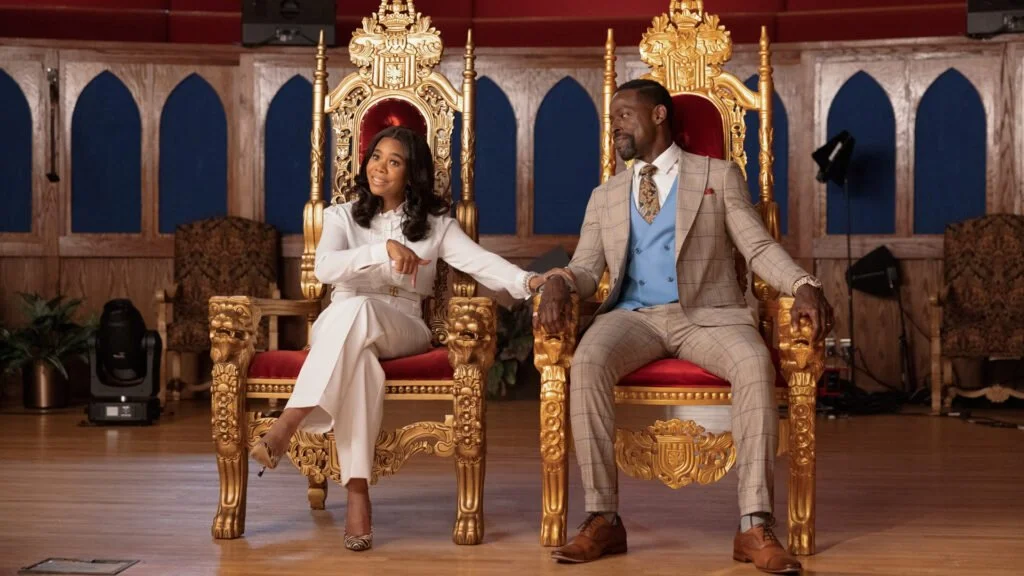
The film starts by introducing us to Trinitie Childs (Regina Hall) and Pastor Lee Curtis Childs (Sterling K. Brown) within Wander To Greater Paths church sanctuary. They are gearing up for their reopening of the church since scandal shut it down. In anticipation of the Easter Sunday return, they have hired a documentary film crew to capture their day to day preparations and show them in a positive light.
We’re slowly pulled into the lifestyle of the Childs. Pastor Lee wears designer clothes. His obliviousness to how conceited he is is matched only by how much he dims his wife’s light in order to shine. It’s obvious he has insecurities and we slowly discovery some of the demons plaguing him. We also get a glimpse of the crushing weight of religious culture, patriarchy and ego gone wrong with Trinitie bearing that load.
Three 6 Mafia’s “Popping My Collar” sets the tone for the film. Not only does the song kick the film off, but throughout it we hear strings and chords from the song that stitch parts of the film together. It’s a song about dressing fresh and pimping for money. It’s a subtle acknowledgement of how this film’s pastor does the same thing to his first lady and congregation in the past. By dressing the part and pimping Trinitie for her ideas, he has created his winning persona. In fact, throughout the film music tells a part of this story in ways that the writing doesn’t. With an unforgettable “Knuck If You Buck” scene, we see the dual nature of the Childs. The pastor and first lady should not be singing the unedited version of the song, but they hit every word. It’s actually an analysis of the dual nature of any human being. We all have good and bad inside. The pressure to appear sinless while being human is what the scene touches on.

Regina Hall is absolutely fantastic as the First Lady. She plays a wife who is holding everything in and portraying a public image of happiness while bitterness, hurt and resentment lay just under the surface. The nuance Hall displays in moving between fragility and strength is noteworthy. In a heartbreaking scene she wears praise makeup (white face with black lips and eyebrows) to try to get people passing by to honk for Jesus.
Sterling K. Brown’s Lee Curtis feels bi-polar as he pushes forward hitting highs and lows from scene to scene. He’s an emotionally abusive husband, masquerading as a man of God. He believes his own lies and forces those closest to him to stroke his narcissism. At first glance, Brown seems to have an easy role but his choices ground the character that may have been less complex on the page.
I didn’t grow up Southern Baptist, but I understand what growing up in a church community looks like. The truth is, a church is a group of imperfect people striving to do the right thing according to the Bible. Ebo’s world has a familiarity that comes from having grown up in a Southern Baptist church and questioning what was seen, both good and bad. The scandal of the film is ripped from the headlines, but the deeper questions being asked come from a personal place. So while this may be a satire, it’s also a manifestation of the artist’s wrestling with their upbringing that we can all benefit from in Honk being a jumping point for further conversation!
Rating: B+
Sundance 2022: "Master" Review
Writer/director Mariama Diallo takes a look at systems, racism, and the haunting of assimilation in Master. Billed as a horror film, it’s not the typical horror in terms of jump scares but rather the real horror of the affects of racism. Master has plot holes riddled throughout it, but its themes are worth exploring.
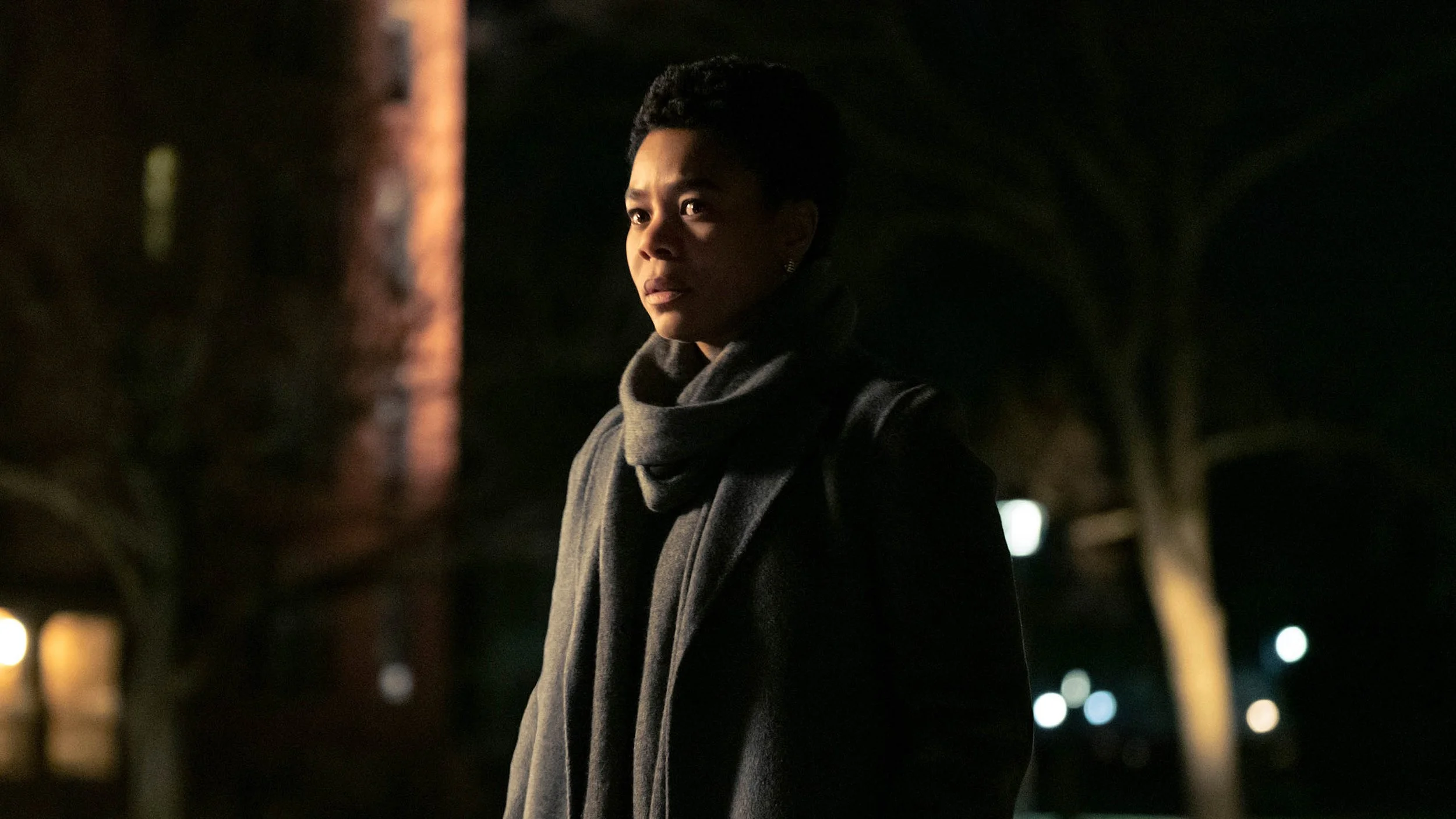
Gail Bishop (Regina Hall) is the new Master at a predominately white college in New England. As she is settling into her role, college freshman Jasmine Moore (Zoe Renee) is settling into hers. The campus has a lot to offer: parties, new friends, education, and hope for the future. As Zoe first steps on to campus with big, beautiful curls in her naturally curly hair. As she acclimates to the new environment, we see her hair straighten and look change.
Simultaneously, Bishop is trying to get acclimated to her new home as a Master, but strange things start to happen. Maggots appear in odd places; mini statuettes representing a Mammy, slave and other racist emblems seem to be hidden within the house. It doesn’t help that rumors of the occult and a witch are a part of campus lore. In fact, Jasmine’s room belonged to a black girl who died under mysterious circumstances and something seems to be coming after Jasmine.
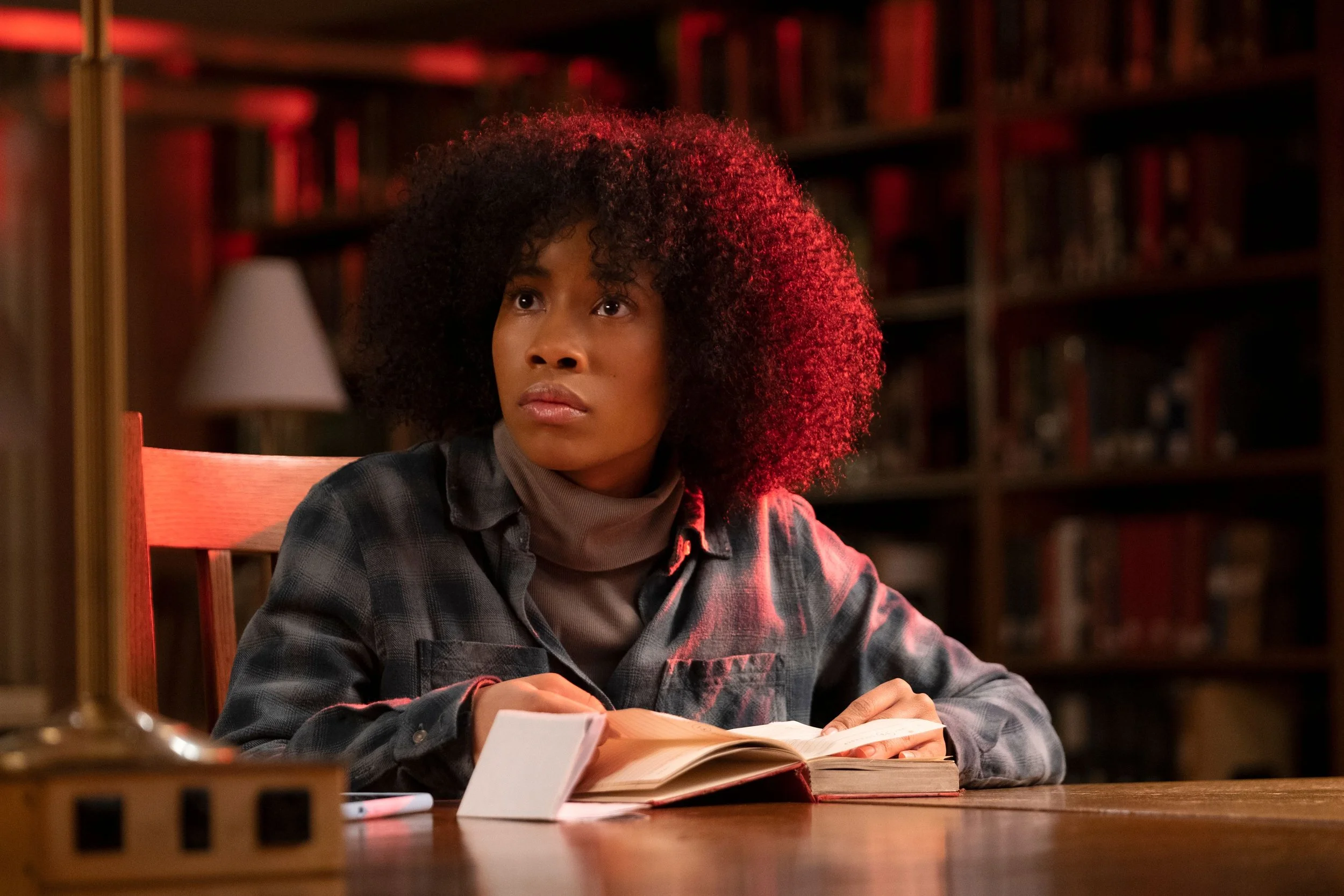
As a mystery starts to unravel, the link between past trauma, how black people deal with it and assimilation becomes more clear. Hall shines as an allegory for black people who “make it” and have to uphold an image of perfection while being human. Or do they? This is the question that Diallo puts before us. Do we still have to put up a front to be accepted while slowly killing ourselves on the inside by not showing up authentically?
The cinematography in the film uses muted earth tones. The brown skin of the main characters fade in to wooden tables, desks and chairs in different scenes. While in comparison, their white counterparts pop out of the environment. This smart decision by Diallo and cinematographer, Charlotte Hornsby, is one of the most subtle but brilliant choices in the film. This need to fit in to the point where the main characters fade into their surroundings is a move that the audience may not notice at first glance but feel subconsciously.
The film is a little off kilter in its handling of its characters. One particular storyline drops off abruptly without questions being answered. Another storyline concludes in such a way that will cause reflection. There is something that Diallo is trying to say and in this case perhaps the mixing of genre throws it off or at a script level some beats could be fleshed out. However, this is a good conversation piece for after the lights come up in a theater or at home.
Rating: B-

Sundance 2021: "CODA" Review
I was lucky to catch “CODA” on the last day of Sundance. By the time I did, it had already broken records as the highest selling film at the festival at a whopping $25 million. So for me, it was like sipping an expensive pour of bourbon; I had to see what $25 million tasted like! While I ingested it with other senses, the film that focuses on the bond of a deaf family had my eyes pouring out tears and belly full of laughs. In short, the film is worth the hype.
The film is a remake of the 2014 French dramedy “La Famille Bélier”. “CODA” stands for Child of Deaf Adults. Within the film, Ruby (Emilia Jones) is the only hearing member of her family. The Rossis are a hardworking, tight knit fishing family living near the coast of Massachusetts. Ruby works on the boat with her father Frank (Troy Kotsur) and brother Leo (Daniel Durant). She acts as interpreter and intermediary between worlds for her family. Her mother Jackie (Marlee Matlin) is a former model and her father’s passion for his beautiful wife is never not on display, even if it humiliates Ruby.
While Ruby works early morning hours with her father and brother, she attends high school with other teens her age. She decides to take a chance and audition for the school choir, led by Bernardo Villalobos (Eugenio Derbez). Bernardo is a character, stating that you can save yourself the embarrassment and call him Mr. V if you can’t roll your R’s. He’s the exact influence that Ruby needs to motivate her to audition for Berklee College of Music.
The clash of Ruby’s desire to go to college and her family’s need for a no cost interpreter to keep their business running is the center of the conflict in the film. However, it’s the layers of issues within that conflict that makes the film so moving. Each family member wrestles with issues of inadequacy. Leo feels as though he isn’t appreciated enough as the older brother who seems to be looked over by his parents. Ruby feels like an outsider as the one in four who can hear. Her parents depend and lean too much on Ruby for assistance, missing or refusing to see that she needs to breathe and be independent.

The film is full of beautiful, moving, and laugh out loud moments. It spotlights relationships within the family and the family bond as a whole. The ensemble cast is absolutely stellar, boasting of Academy Award worthy performance for all the right reasons. The Rossi family use American Sign Language to communicate throughout the film and thus the physical and subtle nuances of their performances are even more powerful. Director Sian Heder captures the importance of communication within her cinematic family and what communication means for the deaf community through framing and sound.
You’ll have to judge for yourself if this film should be valued at $25 million. Much like bourbon, your taste may be different but there are certain films that universally strike a chord and resonate. “CODA” certainly is a winner that deserves the buzz and accolades it will receive!
Rating: A

Sundance 2021: "Searchers" Review
I have no idea what online dating is like. I’ve been married for twelve years and missed online dating when I was single. In a world ravaged by the COVID-19 virus, the exposure of our need for human connection is even more abundantly clear. Director Pacho Velez documents what searching for someone to date is like for a diverse group of New Yorkers across age, gender, and sexual orientation. It’s a fascinating look at human nature that uses dating as a cover to explore what makes us tick.
Velez uses a rig in which his subjects look into the camera while scrolling through dating apps. The glass in front of the camera lens reflects the computer screen for the subject to see. Think of it like a teleprompter that shows the computer screen instead of a script. As his subjects scroll, center punched in the frame, they talk about who they see, what they’re interested in or why they make the decisions they make.
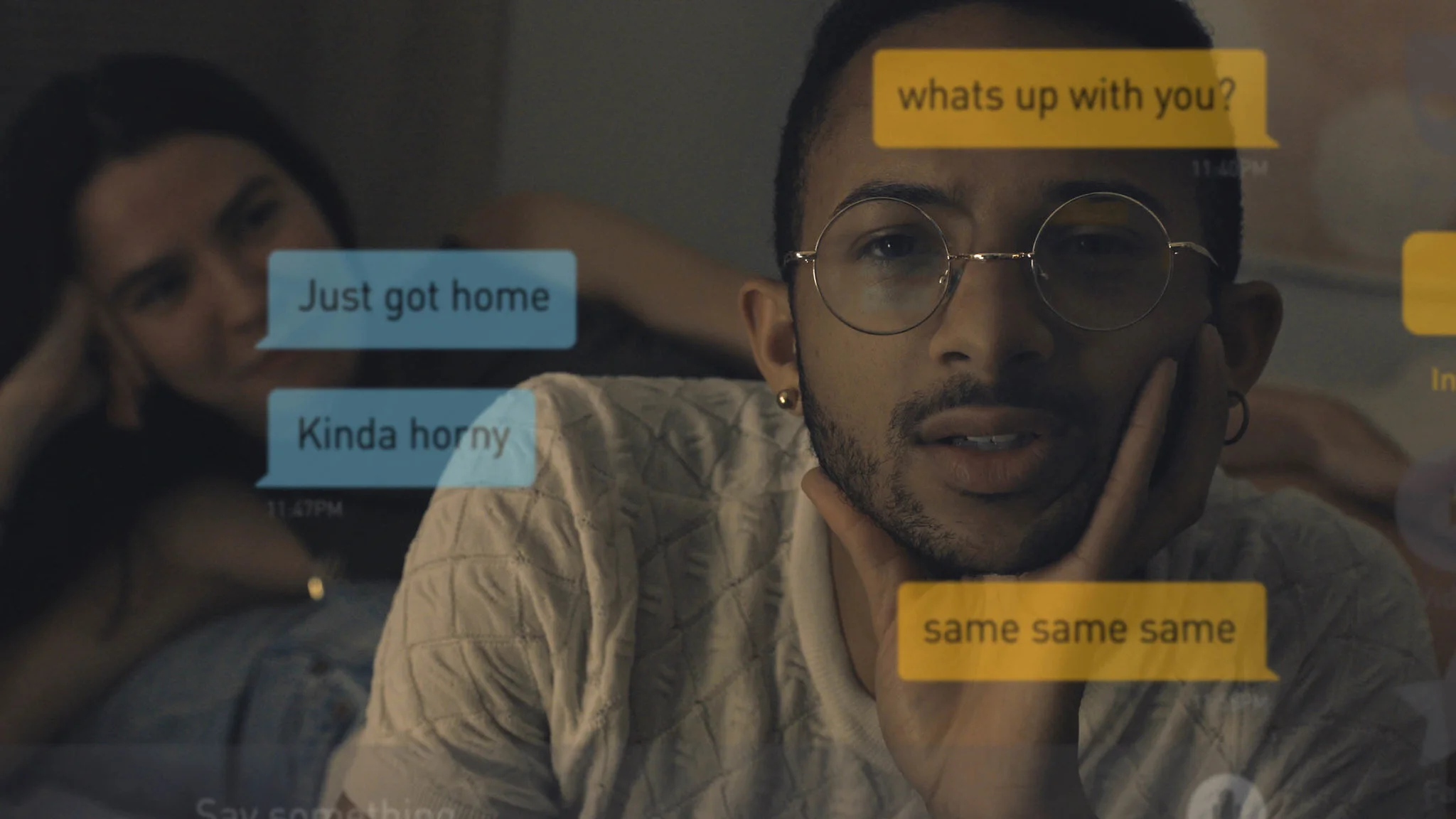
This technique is fascinating because it’s as though his subjects are looking at you at times, but our voyeurism as an audience member and connection to the people in front of us is made even stronger. It’s like looking through a one way mirror as someone gives their private thoughts and opinions on what they’re seeing. How each person judges the profiles in front of them is unique to them while universally familiar. In fact, we judge the judgers in front of us on the screen as audience members creating a connected loop. None of this is imposed by the filmmaker, but naturally occurs due to film technique and human nature.
Throughout the film, Velez occasionally cuts to side conversations with his interviewees. These interviews explore the culture behind online dating, various apps and personal desires. These moments of vulnerability and sincere explanation are what makes the documentary charming and captivating. He also captures moments of public displays of affection, engagements, and wedding photos being taken in the midst of this pandemic. These slices of life pin a moment in time within the frame. It’s a moment of someone’s happiness that we can swoon over, the happiness we aspire to attain, this moment of isolation and masks, and a bit of the dream we all may concoct in our heads as to what love is.
Our common desire and need for relationship is on full display throughout the documentary. How we meet new people and how our past relationships effect those interactions is what makes the tapestry of our lives. “Searchers” is a special film that will have you search your own thoughts, relationships and interdependence with others.
Rating: A
Sundance 2021: "White Wedding" Review
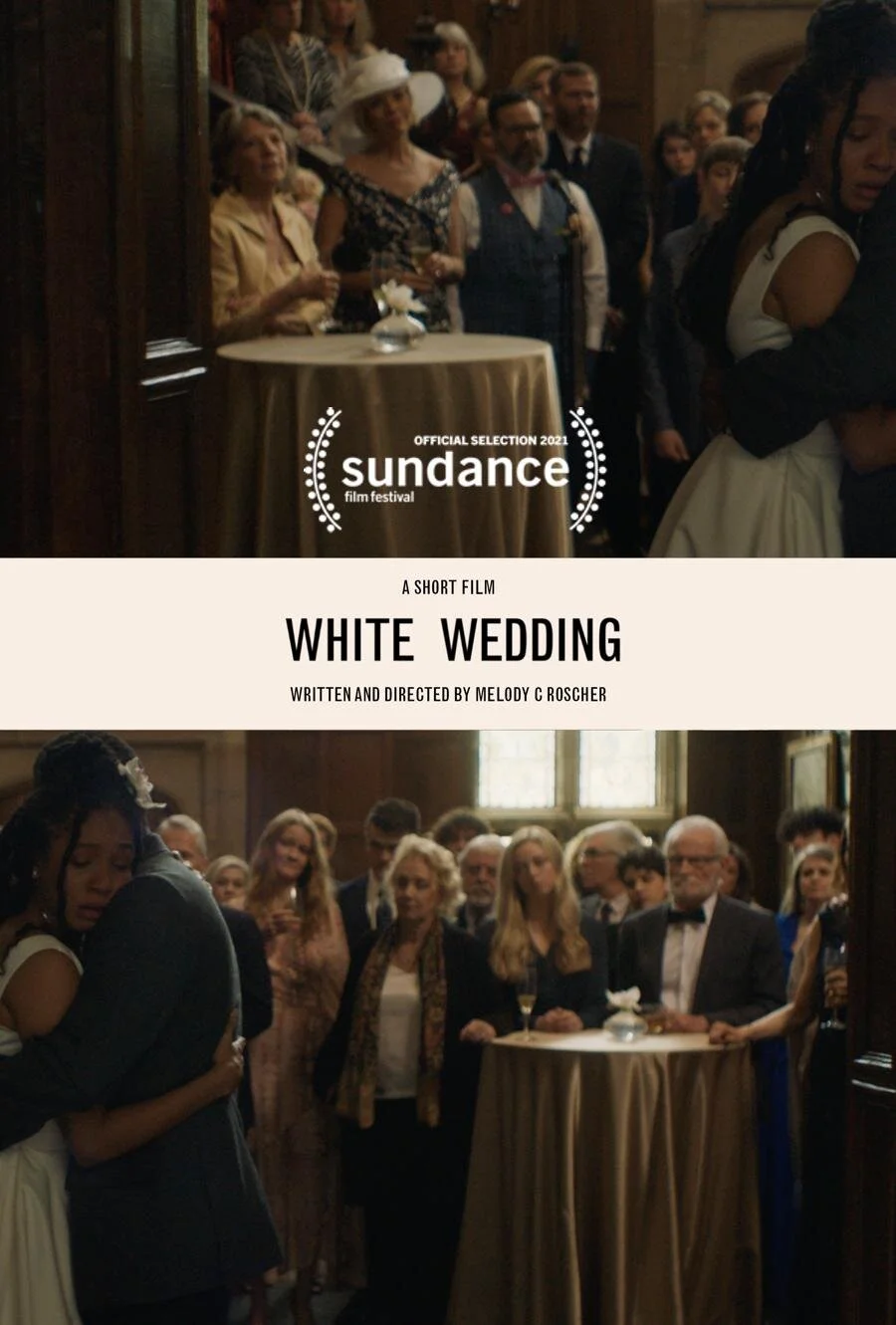
Great films expect you to catch up to it and writer/director Melody C. Roscher understands that. “White Wedding” is a short film that throws you into it and asks you fill in the blanks as it moves along. It starts with the mother of the groom (Mary McMillan) realizing she made a huge mistake. She rushes to tell her daughter, Kelly (Emily Davis), that she made a mistake in hiring the band. It seems the bass player, Bower (Curtiss Cook, “Counselor”), is the bride’s estranged father.
The instant conflict is there. On what should be Bella’s (Nabiyah Be) happiest day, it could instantly be a bittersweet one, marred by her father’s presence. As not to spoil the short, the rest of the film is pushes us toward an inevitable meeting, proving the power of short filmmaking.
Roscher understands the premise of her short, the characters within, and how to deliver the story to the audience. She fills the frame with wedding guests and things you’d expect to see at a wedding. The claustrophobic look at times adds to the tension building in the story. Cinematographer David Paul Jacobson channels a Fincher-esque color palette with lightly desaturated warm colors. A huge tilt of that hat goes to the Art Department on the look of the setting. You’re thrust into the midst of a wedding in progress and you’re quickly invested.
This is an example of a filmmaking team firing on all cylinders to create a cohesive and enjoyable story. The film works as a short and could be a part of a bigger film. Either way, the transition from longtime producer to writer/director for Roscher seems like a smart move and I look forward to seeing more from her!
Rating: A
Sundance 2021: "Marvelous and The Black Hole" Review
We all have to deal with pain and grief at some point in our lives. While there may be books and manuals that address how we cope with grief, it effects us all differently. “Marvelous and The Black Hole” is a funny, poignant look at how one young woman deals with loss, while gaining lifelong wisdom along the way.
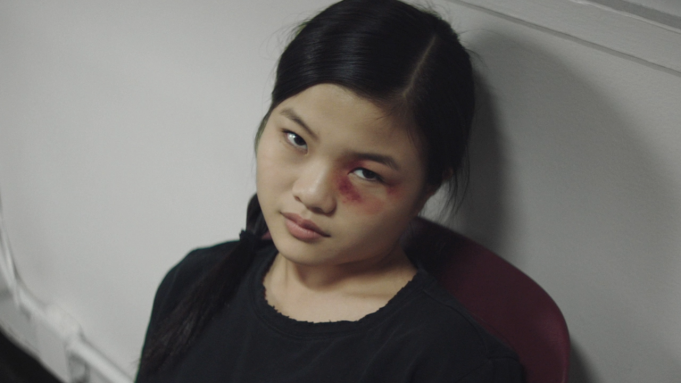
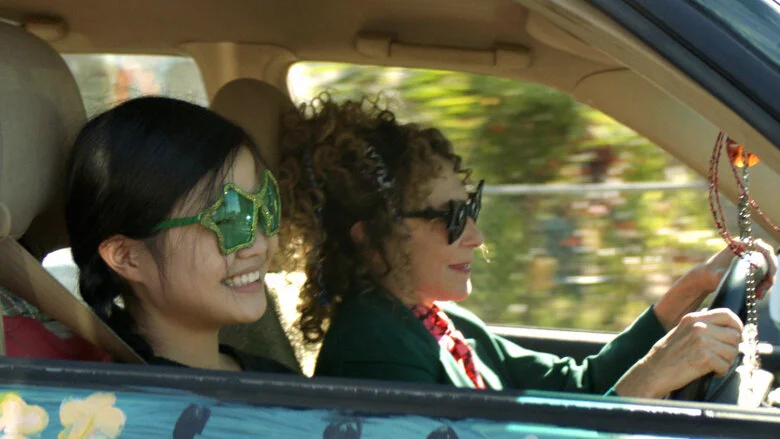
Sammy (Miya Cech) is a teenage delinquent by definition. She has a chip on her shoulder after losing her mother. It doesn’t help that her father has a new love interest, Marianne (Paulina Lule) who happens to have her toothbrush and clothes lying around the house. Her older sister is entrenched in gaming. So everywhere Sammy looks within her family, she feels like her mother is being forgotten. To try and turn his daughter’s attitude around after she gets into some trouble, Angus (Leonardo Nam) gives her an alternative of taking college courses or going to a camp for troubled youth. It’s like Bill and Ted consequences, except Sammy is a one woman show with enough personality to cover both.
While ditching the Intro To Small Business summer course to tattoo herself in the bathroom stall (her form of cutting), Sammy bumps into Margot (Rhea Perlman). Margot is a magician with a soft spot for Sammy; she sees herself in her. She can see through her angry exterior and soon a relationship emerges. In part, it is forced upon Sammy as her instructor says she must learn from Margot as a business mentor. As time moves forward, a clear appreciation for one another and the wonder that magic creates shines through.
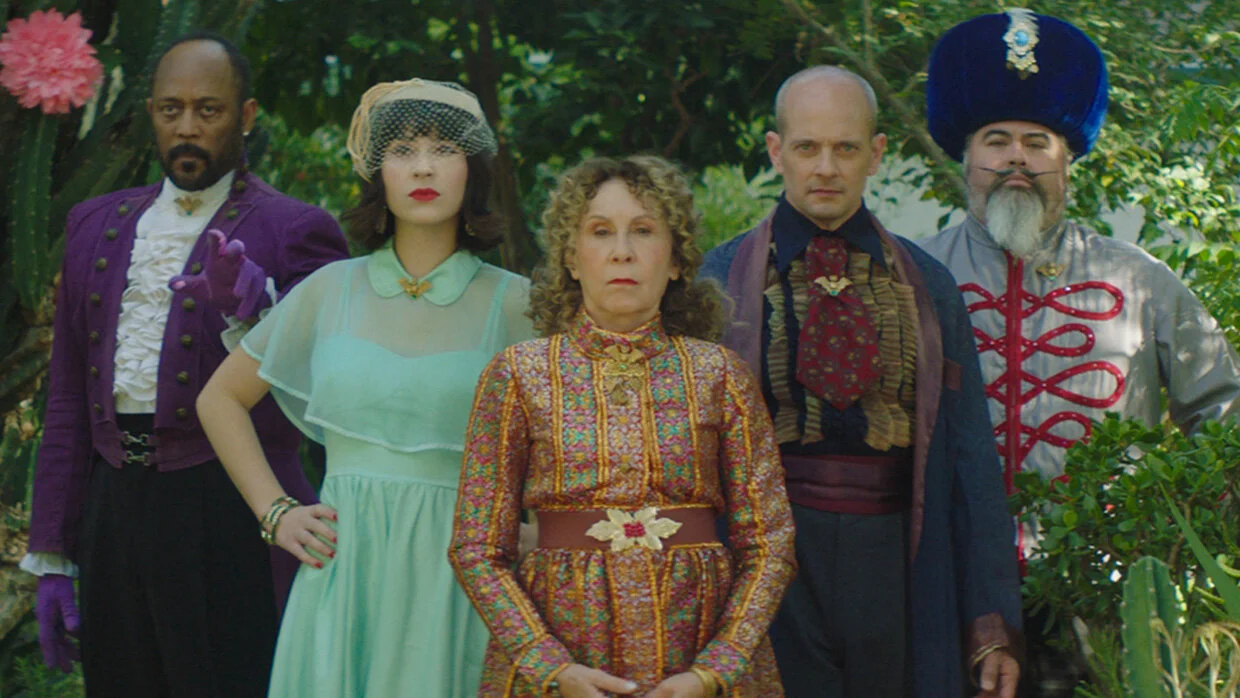
Margot tells Sammy that “Magic is about making an audience feel something.” Even though we’ve seen this story before, writer/director Kate Tsang certainly makes her audience feel something as she slowly melts Sammy’s heart over the course of the film, which in turn melts ours. The quote is representative of so much within the movie and in life as Sammy tries to bury her feelings to not feel the pain of loss, but simultaneously tattoos herself to feel alive. Wisely, like the magicians in her film, Tsang unpacks all the anger Sammy harbors through a certain sleight of hand by telling a universal story, using comedy and giving us endearing characters.
Miya Cech delivers a sincere performance as Sammy. She displays Sammy’s inner turmoil without falling into the angsty teen stereotype. Rhea Perlman reminds us that a veteran actor can bring a certain magical touch to a character that infuses said magic throughout the film as a whole. The overall ensemble is solid, but Cech and Perlman are certainly the heart of the film.
On one hand you could simply say that “Marvelous and The Black Hole” is the story of a young girl who gets the Madea treatment- if Madea was a magician and the script and characterization was way better. Tsang gives us a heartfelt examination of mentorship, grief, and the bond of family you’re born into and the family you make. It’s a great reminder and a fun watch!
Rating: B+
Sundance 2019: "Dos Fridas" Review
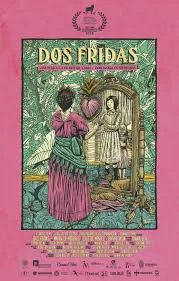
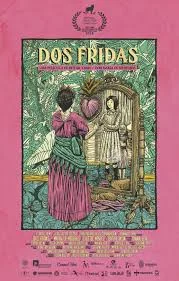
Dos Fridas is a dualistic film that reflects upon life and death while toying with reality and imagination. The history behind Frida Kahlo’s life is not well known and Dos Fridas is inspired by traumatic events that happened to her towards the end of her life (she passed away at age 47). The film beautifully portrays how Kahlo dealt with those events mentally and physically.
The film follows the relationship between Kahlo and her newly hired nurse Judith (played by Maria de Medeiros) who also suffers similar experiences as Frida. Writer/director Ishtar Yasin Gutierrez also acts as Frida Kahlo in the film with a commanding presence that demands attention. The film mixes reality with imagination and the past with the present, which is developed through Mexican folklore, surrealism and existentialism. It is not a “feel good movie” in the least bit and the film even forces the audience to contemplate the meaning of life. It is important to note that the name Dos Fridas is a nod towards one of Frida Kahlo’s oil paintings called The Two Fridas, this painting is a double self portrait. The film cleverly reflects opposing things, which is also portrayed in The Two Fridas.
An important part of Dos Fridas is the almost all female cast. The lead actors are female, the supporting actors are female and there aren’t that many speaking roles that are men. With that being said, most of this film passes the test for feminist film theory, women are in powerful roles, the focus of their conversations is not about men, and they are fully clothed. These minor details may not seem too important to an average viewer but this is a big change from the norm in traditional Hollywood films. Deliberate actions to uphold women positively in cinematic art is poetic in itself and Dos Fridas exposes a new realm of beauty.
Alongside the strong casting decisions and feminist approach, the film is filled with Mexican Folklore, from Mexican sugar skulls, to the mariachi performing in Frida’s backyard; the film interprets the Mexican culture in a beautiful way that depicts the truth of Frida’s heritage. Through surrealism and expressionist techniques, Ishtar Yasin Gutierrez creates a narrative that is reflective of Luis Buñuel (the iconic Latino filmmaker) who created the 1952 film Mexican Bus Ride. Both of these films don’t follow a sequential timeline in regards to the narrative, which is common practice of Luis Buñuel; both films also create uncomfortable scenes through intense drama. Even though the stories within these films are both somewhat sad, they are told with such content of the Mexican culture that the beauty of it shines through regardless.
One relative piece of Mexican culture that stands out in the film is the traditions in embracing life as well as death, while not being afraid of the afterlife. Frida Kahlo oftentimes painted very violent pieces of work because it was her way of escaping the pain in her life; this film portrayed that sorrow in a realistic yet artistic way. This approach to portraying Frida Kahlo in her raw emotions makes this film incredibly expressionistic in a way that is unsettling but it also makes the viewer ponder the meaning of life. This is also portrayed through what is fake vs reality in the film; things dramatically change without any preemptive warnings- very much like Luis Buñuel films. If you are a fan of films that follow a strict narrative, this is not the film for you; however if you do enjoy that type of cinematic approach, you’re in for a ride.
Ultimately, this film is a love poem to Frida Kahlo and the Mexican culture. It reflects upon resilience through pain, freedom of artistic expression, as well as freedom of sexuality. The actors in the film create a wonderfully surreal story that exposes a new light into Frida Kahlo’s tough life. This film is truly a gift to the Mexican art community, and the Latino art community as a whole. It unapologetically speaks truth of things that are oftentimes overlooked within Frida’s life, and creates a reflective story through her trauma. I truly enjoyed Dos Fridas as a Latina filmmaker myself, and I would highly recommend viewing this film when you’re in an existential mood.
Rating: A
Sundance 2019: "Sweetheart" Review
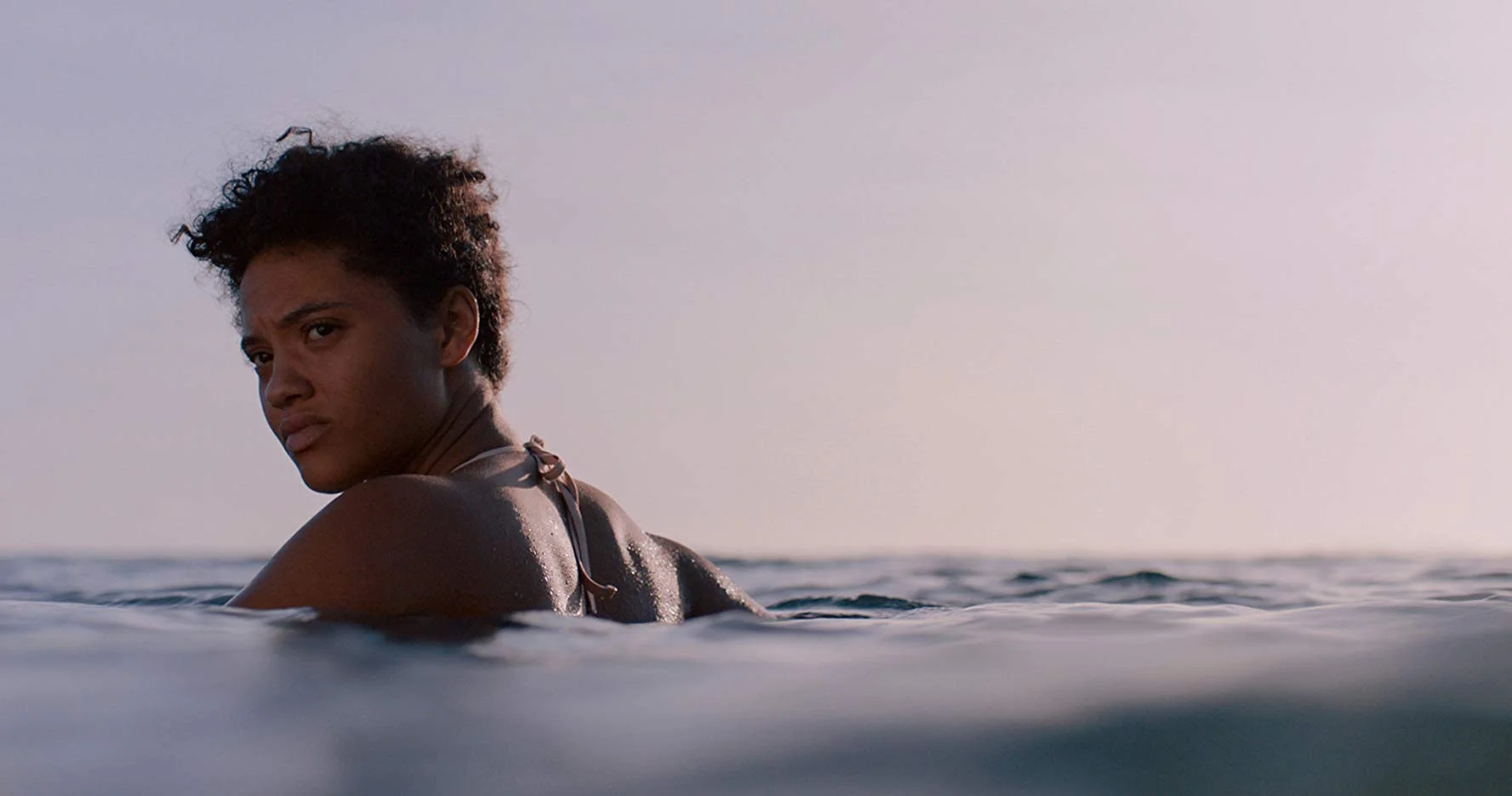
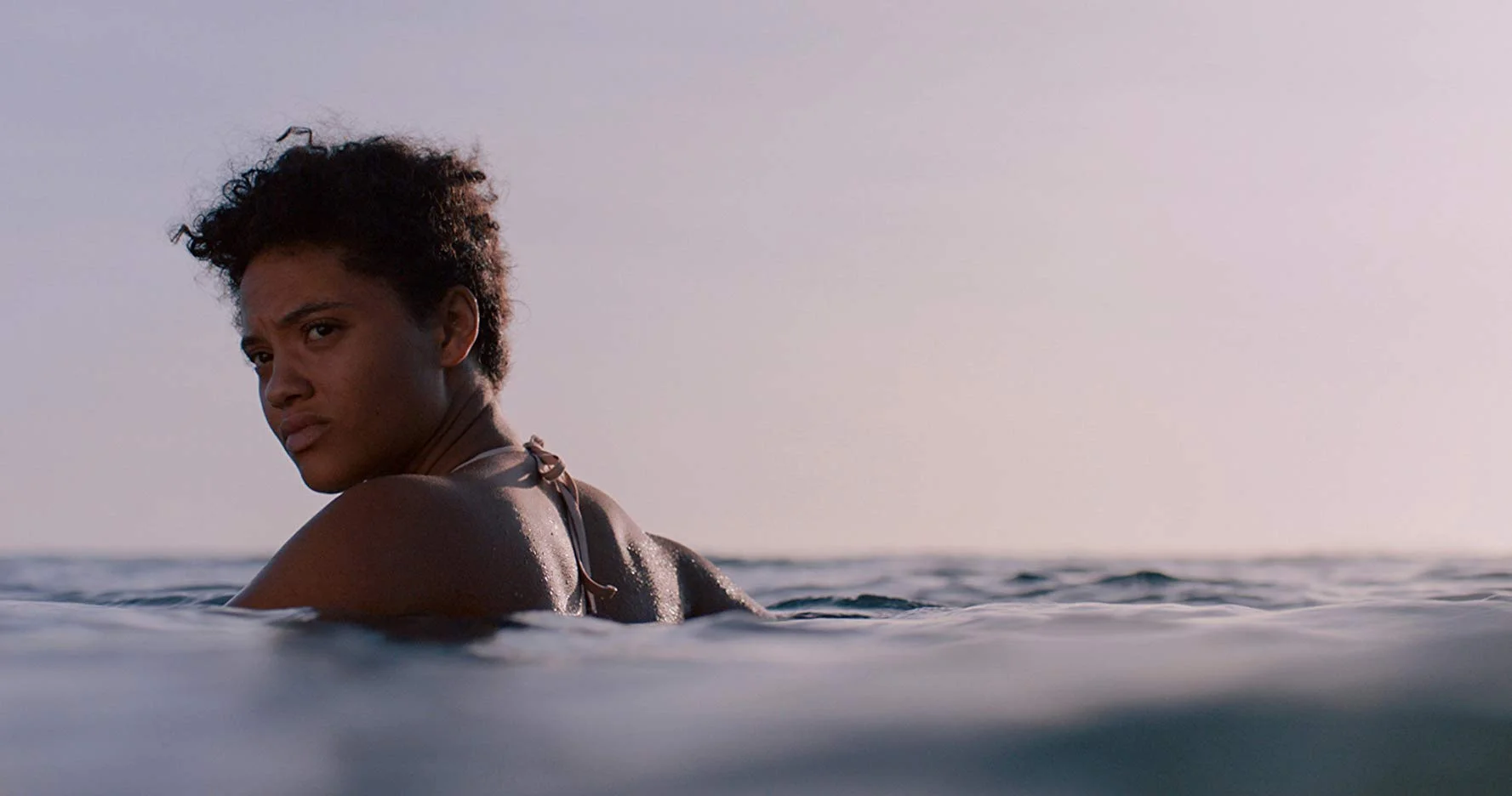
One of the hidden gems to come out of Sundance this year is Sweetheart. Shipwrecked on an island, a young woman must not only survive the elements but fend off a malevolent creature that comes out of the ocean at night. On the surface, that description may not sound very appealing, but the execution is delicious!
Jenn (Kiersey Clemons) has just washed up on the shore of an island that she learns is deserted. Along with her, Brad (Andrew Crawford) has hit the sand, but the large piece of coral in his side spells doom. Before she can grab Brad some coconut water (literally), he’s gone. Alone on the island, Jenn quickly assesses what she has at her disposal for survival. The life jackets she and Brad wore, a flair gun, and a suitcase won’t get the job done, but it will do.
After exploring the island a bit, she finds the remains of what seems to be a family that landed on the island as well (both skeletal and their material belongings). As night falls, she buries her friend, only to find blood soaked sand and palm tree leaves where he was in the morning. As the film moves forward she finds that she’s not alone and you may be able to guess what happens, but it’s not as predictable as you may think in getting to the end.
Writer/director J.D. Dillard has written a smart, female heroine in Jenn. She is able to survive on the island by fishing, cooking, and eventually finding ways to analyze what she’s up against in this nocturnal monster. As an audience, all we know about Jenn is what we see from the shipwreck, but Dillard also brings in more characters to give us some backstory on Jenn and why she may be the survivor she is.
Sweetheart would be a here today gone tomorrow monster tale if not for its creative screenplay. All jump scares are earned here, and the monster is scary in appearance and sound. In fact, Dillard understands that less is more and therefore creates an environment that audiences can be invested in because our imagination fills in the gaps of things we don’t see. Clemons gives a standout performance as most of the movie is on her shoulders. Sweetheart is a survive the night(s) camp horror/thriller that belongs in and bolsters the genre.
Rating: B+
Sundance 2019: "Luce" Review
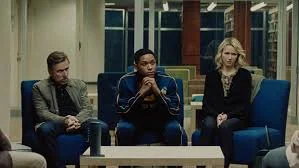
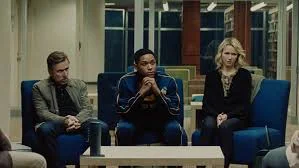
Luce explores the delicate line between the perceptions that people have of other people versus the truth of who they are. While our individual experience is on a spectrum, human nature and history has placed its construction of race in boxes in order to “understand” each other. This film allows its main character to work within the constraints of those boxes to exploit the system in a powerful way that puts some of those ideals on trial.
Luce Edgar (Kelvin Harrison Jr.) was adopted from war-torn Eritrea by his white parents, Amy (Naomi Watts) and Peter (Tim Roth) at the age of ten. His parents helped him get through years of therapy to heal wounds from being a child soldier, and sacrifice to provide him the best life possible. Now a senior in high school, he’s fully acclimated to America and in fact, is a stellar student! He’s a beacon of light for his fellow students, especially the black population, and the weight of that is heavy on his shoulders.
The film’s inciting incident occurs when Luce’s teacher, Harriet Wilson (Octavia Spencer), calls Amy in to talk about a discovery she’s made. After tasking the class with an assignment to write a paper in the voice of a historical figure, Luce chose the radical Frantz Fanon, who believed in hurting others for a cause. On top of that, Ms. Wilson searched Luce’s locker and found illegal fireworks that pack the same punch as a shotgun. Ms. Wilson’s motive for bringing Amy in before letting anyone else make the discovery is to protect Luce’s reputation and make sure he succeeds.
With this information and the materials in her possession, Amy talks to her husband as soon as she gets home. This initial conversation is where both Amy and Peter start making judgements on Luce’s character, and we as audience members must make our own conclusions on the situation as well. As the story moves forward, little by little, we find out more of the big picture of what’s happening at school and see how characters in this world make judgement calls based off of pre-conceived and personal thoughts.
Situations like Stephanie Kim’s (Andrea Bang) possible rape during a party, and Luce’s ex-teammate Deshaun (Astro) getting caught with weed in his locker are all brought to the forefront of conversation in the film. What does it mean for Luce’s reputation if he participated in either of these activities? Why does Luce get special treatment over his friends? What does it feel like to be the person that everyone looks at for hope and expects to be virtually perfect?
While the film does interrogate these questions and the American dream on a large scale, screenwriters J.C. Lee and Julius Onah nail what being black, talented, and on a pedestal in America feels like. The ideal of tokenism (the one black person in a room/organization/team/etc.) and pressure to be on is something that Luce feels constantly, and is spot on. They find a sweet spot in making their point without hammering it home, which is hard to do.
Ultimately, this play turned screenplay is brought to life by its stellar cast. Kelvin Harris Jr. is undoubtedly an actor to watch! He commands the screen and authentically connects with the ability to perform in different spaces with uncanny finesse. The scenes where Octavia Spencer and Harris Jr. face off are electric and the things award nominations are made of. Tim Roth and Naomi Watts embody the sacrifice parents make for their children, and the individual struggles of giving blind trust versus questioning your child. Even the supporting cast members like Andrea Bang and Marsha Stephanie Blake (who brilliantly plays Rosemary Wilson, Ms. Wilson’s mentally ill sister) are exhilarating to watch. Their characters are real, dimensional people that you can connect with.
The music by Geoff Barrow and Ben Salisbury swell with tension and put you on edge. It supplements the story that unfolds before your eyes in a way that hits on all cylinders. Luce is a film that you want to watch again to not only to catch what you may have missed in a scene, but also the ideals explored that you may want to ponder over more. It’s a must see!
Rating: A-
Sundance 2019: "Untitled Amazing Johnathan Documentary" Review

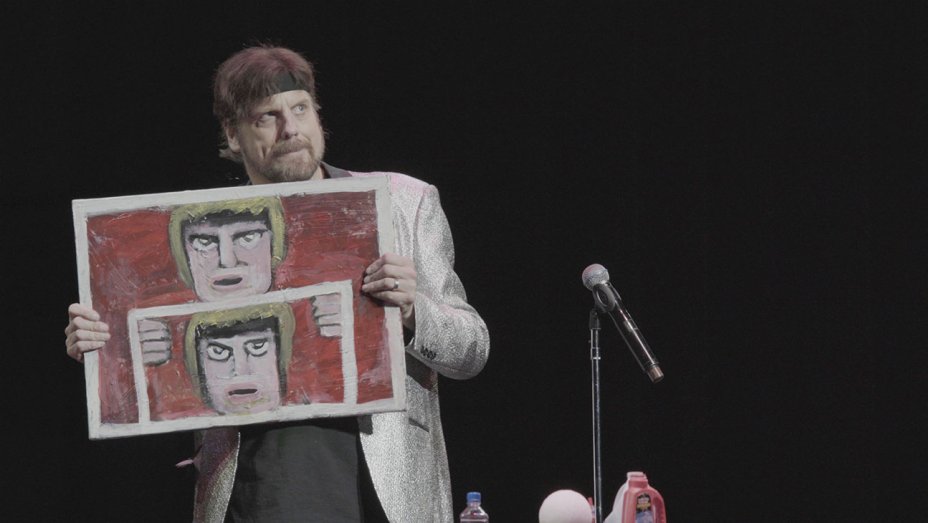
The Untitled Amazing Jonathan Documentary is the story of two desperate men; one is trying to leave a legacy and the other is trying to create a legacy through his art. Its an extremely meta film that’s also self-aware and downright hilarious. Writer/director Benjamin Berman takes us on what eventually becomes a personal journey of how far one would go to leave a mark in the world.
The doc starts out as a portrait of comedian/magician John Edward Szeles who goes by the stage name The Amazing Johnathan. Stock footage shows his zany comedic style of performing magic and illusions and rising to the top of his industry. In 2014, Szeles is hit with devastating news that he only has a year to live, but three years later he’s still alive. Enter Benjamin Berman who reaches out to him to document his life and is granted access. Szeles decides that he wants to do a farewell tour as The Amazing Johnathan. Things run smoothly, until suddenly Berman and his team are made aware that another film crew will be shooting the same event to document The Amazing Johnathan. Things continue to spiral out of control from there as Berman learns there are even more documentary crews covering the person he’s dedicated so much time and effort towards.
The film merges into somewhat of a hunt to solve a mystery as Berman worries about the outcome of his documentary and whether he should continue. It doesn’t help that Szeles is extremely apathetic about it all. As Ben dives deeper into trying to salvage his documentary, he also begins to unravel; he takes questionable steps to make sure that it is created and even questions the truth of the ultimate prankster’s death sentence.
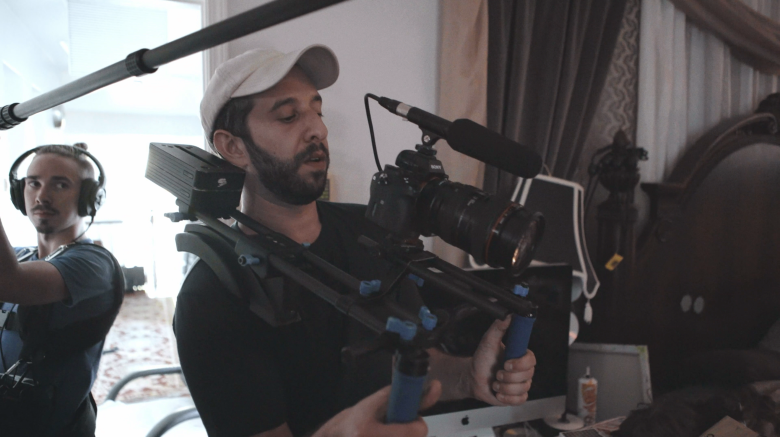
The editing in the film is remarkable and your hat has to be tipped to editor Scott Evans. From the opening scene in the documentary you can tell that you’ll be on a self-aware joyride. Nothing is off-limits for sewing the film together to tell its story. From the typography to the sound effects to the quick hit jingles and cuts, this is a story being told from all angles. In fact, this approach in levity to tell the story is what makes the ability to handle this complex story easier.
There are plenty of twists and turns in the movie, but it’s death that looms in the background of both Szeles and Berman’s mind that informs their decisions subconsciously and eventually makes its way into the documentary. The Untitled Amazing Johnathan Documentary is transparent, original and personal in its attempt at making it to the big screen. Berman’s ability to adapt and use his resources create a once in a lifetime moment in a documentary that, otherwise, may not have been made.
Rating: B+
Sundance 2019: "Photograph" Review
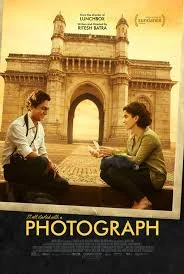
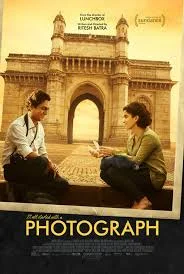
Photograph is a good example of how some stories in cinema are universal. It is a slow burn romance about a struggling street photographer named Rafi (Nawazuddin Siddiqui) in Mumbai who is feeling the heat from his grandmother to get married. He doesn’t just catch it from his grandmother, but his entire community seems to know how dire the situation is and they constantly remind him of it. After a chance encounter with prospective customer Miloni (Sanya Malhotra), whom he retains her photograph, Rafi does what any stubborn person would do in that situation; he makes it seem as though Miloni is his new boo.
For people of a certain age, the pressure from family and friends to get married is prevalent, and even more so in certain cultures. Both Rafi and Miloni seem to be stuck somewhere in between wanting companionship but wanting it on their own terms. After persuading Miloni to go along with the ruse, the two meet daily with Rafi’s grandmother Dadi (Farrukh Jaffar). As the film continues, little by little, the ruse seems to turn in to something real.
Farrukh Jaffar is absolutely stellar as Rafi’s grandmother! She’s too old to care how loud she is when she’s talking to you and her “mother’s heart”, as she calls it, doesn’t want to die without seeing Rafi married off. Every moment she’s on screen feels more like a documentary than a narrative film because she’s so authentic. Siddiqui and Malhotra give very reserved, internal performances as the main characters. Their eyes are the only way into their feelings.
While the film soars in building the budding love, writer/director Ritesh Batra asks his audience to take a journey that seems to start, stop, reverse and move forward. There are multiple scenes that are shown and then shown again down the line with more details revealed in such a way that doesn’t continue pushing the story forward but rather makes you question why it wasn’t revealed before. As Rafi makes a major attempt at winning Miloni over, we’re left wanting. With an almost two hour run time watching this romance bloom, one could ask if the ruse is on the viewer?
Rating: C+
Sundance 2019: "Troop Zero" Review
Troop Zero is much like it’s main character, Christmas (McKenna Grace),it’s sweet, it’s heart is in the right place, but something is just a bit off. That’s not necessarily a bad thing, as the movie centers around standing your ground and being your oddball self even if the world doesn’t understand you. It’s saccharin, it’s formulaic, but sometimes a little sugar is good for the soul.
The world is a big place and space is even more vast, and Christmas dreams of exploring it. The only issue is she’s living in rural Wiggly, Georgia in 1977. She’s the kid in town that the older folks may say “bless her heart” as she runs by in oversized boots, and one leg that’s shorter than the other. She’s used to getting picked on, but somehow keeps a smile on her face. Which is why when she has the opportunity to have her voice projected into space by NASA through the Birdie (think Girl Scouts) Jamboree, she assembles a ragtag group of misfits from the neighborhood.
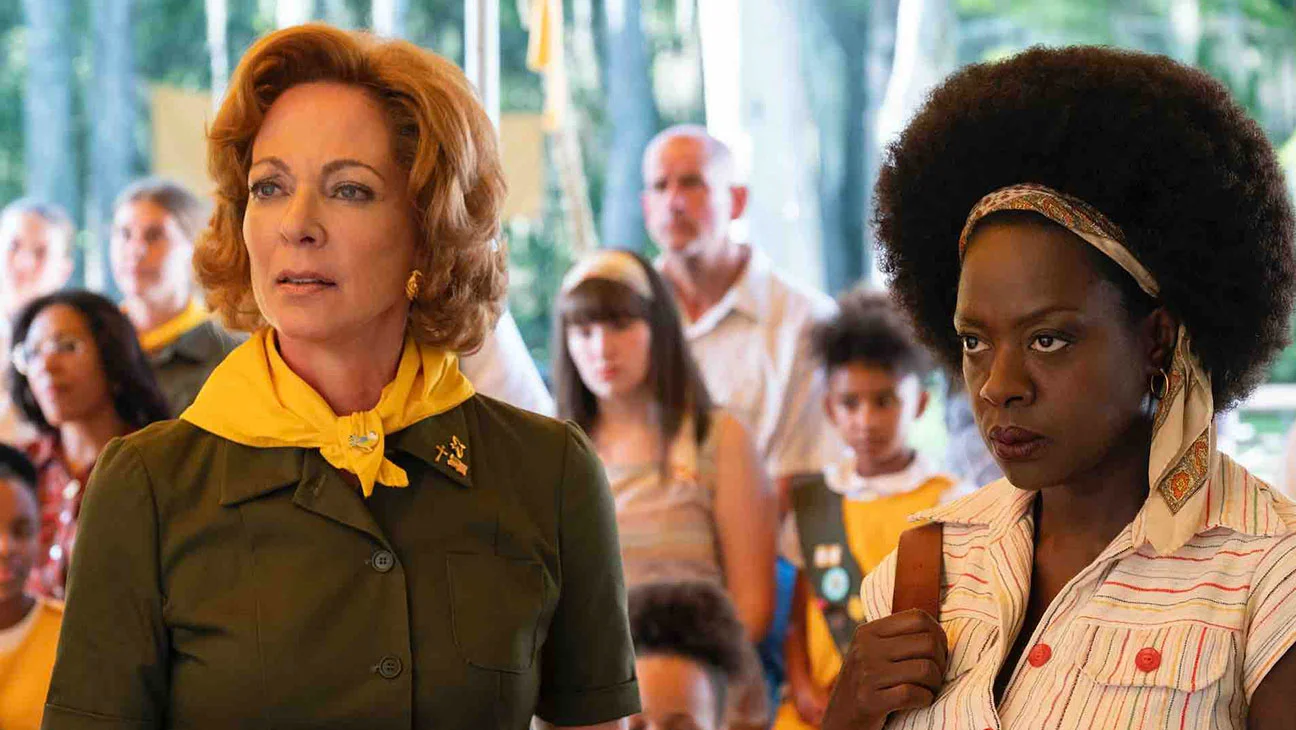
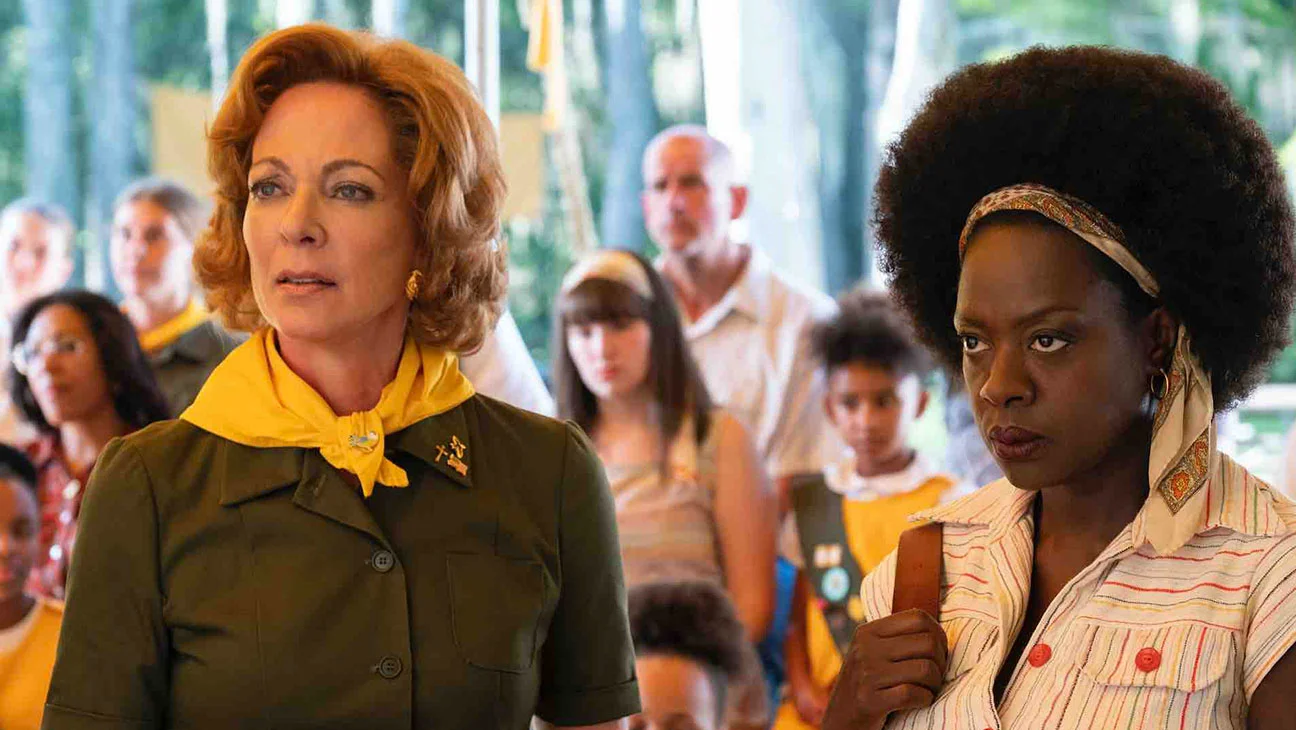
Christmas’s quickly enlists the help of her father Ramsey’s (Jim Gaffigan) secretary, Rayleen (Viola Davis) as troop mother. The newly minted group named Troop Zero includes: Hell-No (Milan Ray) the bully who wants the burn the world down because she doesn’t believe she’ll ever have anything beautiful, Smash (Johanna Colon) Hell-No’s muscle, the “girl/boy” Joseph (Charlie Shotwell), and the devout Christian, Anne-Claire (Bella Higginbotham). It’s no surprise that in a film like this, Troop Zero has to overcome challenges in the form of getting badges, and then go against the reigning champions in their town led by Miss Massey (Allison Janney) to win the contest.
This is one of those films where you know what it’s trying to do with your emotions as the kids’ chemistry on camera shines whether they’re facing challenges or triumphantly standing up for one another. The soundtrack of the film rocks, with songs like “Rocket Man”, “Little Green Bag” and more. Screenwriter Lucy Alibar keeps bumping the record player though with repetitive reminders throughout the film that Troop Zero should “find that life gets easier if you don’t want so much”. This film would have been much better if the viewers were allowed to catch the message without it being hammered home.
In the end, Troop Zero has some very touching moments that you may want a tissue nearby while burning some calories laughing in the next moment. McKenna Grace carries the film as Christmas. Her goofy smirk, giggle, and character choices feel so authentic that it’s obvious she’s a child actor who is gifted beyond her years. However, all of the sweetness in this movie can’t mask the fact that you want to yell “we get it!” just as the misfits yell “we’re here!” to the stars.
Rating: C+
Sundance 2019: "Native Son" Review
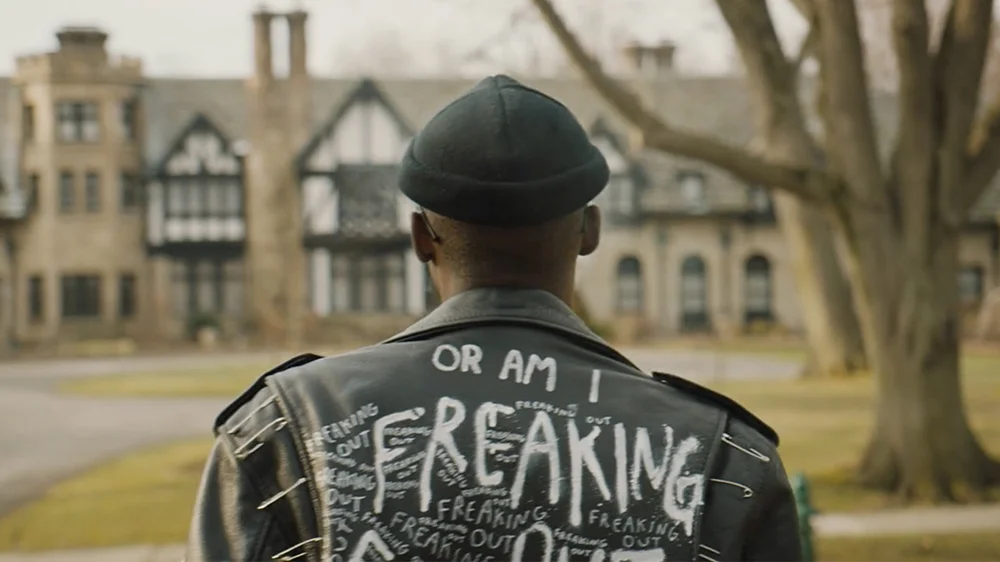
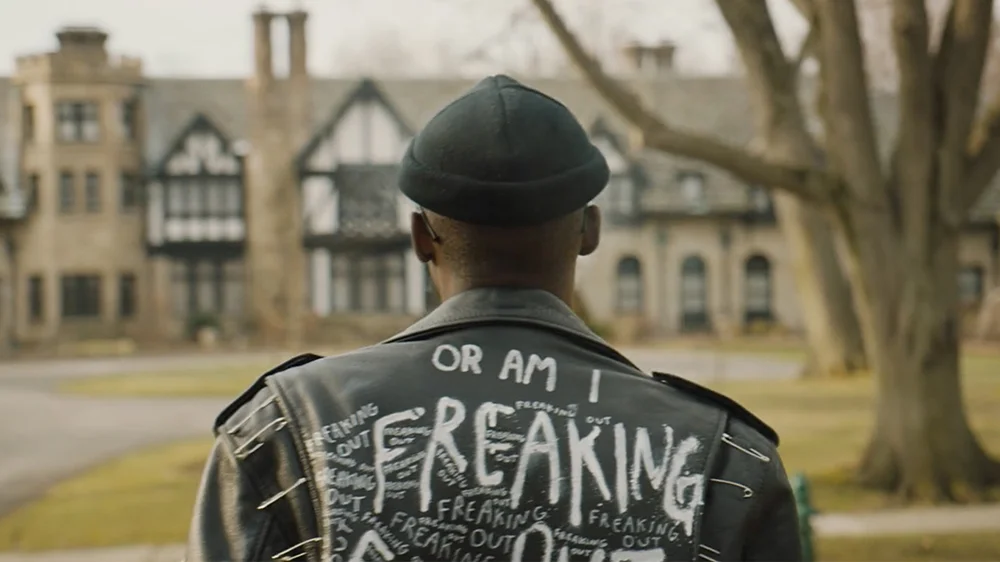
Adapted from Richard Wright’s beloved classic of the same title, Native Son is the coming of age tale of a young man trying to make sense of the world. Ashton Sanders transforms himself into an intellectual, punk rock loving, existentialist caught in between worlds as Bigger “Big” Thomas. While the performances are strong here, the adaptation of a 1940’s story to modern times doesn’t quite work as well.
Single mother, Trudy Thomas (Sanaa Lathan), is trying to make it with her three children after being widowed six years ago. Her new boyfriend (David Alan Grier) has a connection to Henry Dalton (Bill Camp) and knows that he’s looking for a new driver. Seeing it as an opportunity to make a little more money than he has been as a bike courier, Big takes the job.
Big quickly finds himself in a world where money seems to be no issue and things start off well. He drives for the family, but particularly Mr. Dalton’s daughter, Mary (Margaret Qualley). She introduces him to some of her friends, and he introduces her to his, including a little ecstasy. After Mary gets super high one night, Big finds himself in a particularly difficult situation and a decision that changes the course of his life forever is made.
Kiki Layne, hot off of If Beale Street Could Talk, shines as Big’s hairdresser girlfriend, whose hair changes in virtually each scene she’s in. Sanders proves that he is a young actor to watch as he gives an extremely tempered and introspective performance as Big. Director Rashid Johnson certainly controls the pacing and camera throughout the film. Unfortunately, Suzan-Lori Parks’ (Their Eyes Were Watching God) screenplay doesn’t translate well. Big lives at home with his mom one day and then is a live-in driver the next, and it feels like the family story is thrown away until the film needs them again. There’s a strange Get Out vibe that comes and goes throughout the story as the Dalton’s try to show they’re down for the cause. Most importantly, Big’s life altering decision just isn’t what a young black man as seemingly educated as he is would make. He would have cut the opportunity to get to that crossroad way before he got there.
The novel presents a character who is trying to stir things up in a whirlwind of prejudice that surrounds him. His surrounding are a pressure cooker in which he feels trapped. This adaptation feels like while Big’s character may be dealing with issues, there’s always a feasible way out. While you may enjoy the ride for the first part of the film you’ll quickly want to get dropped off at the nearest stop about half way through.
Rating: D+